
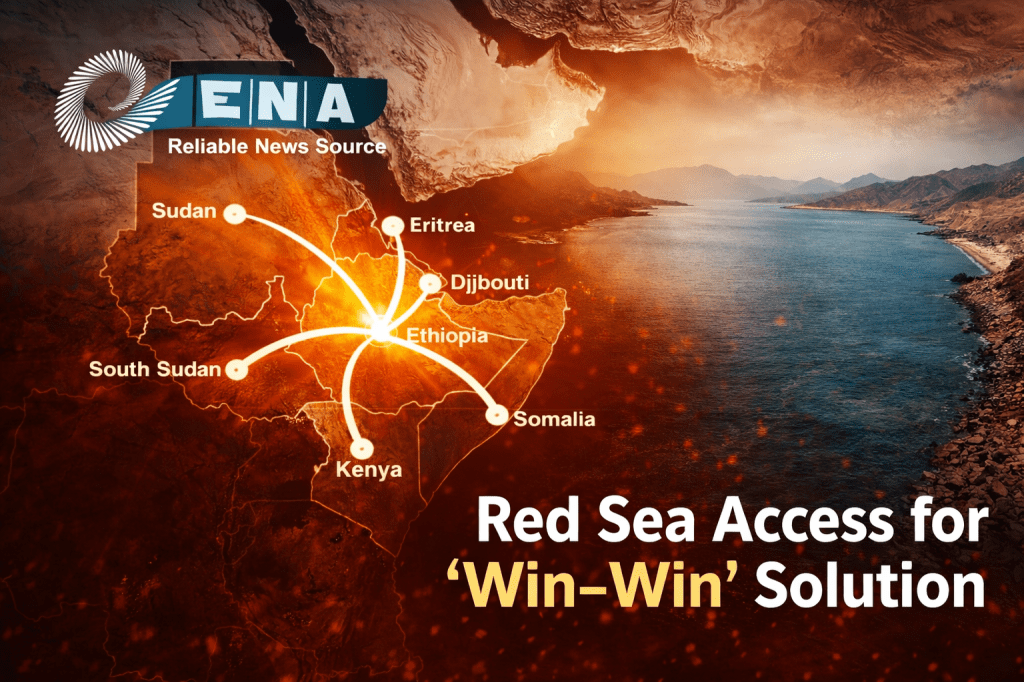
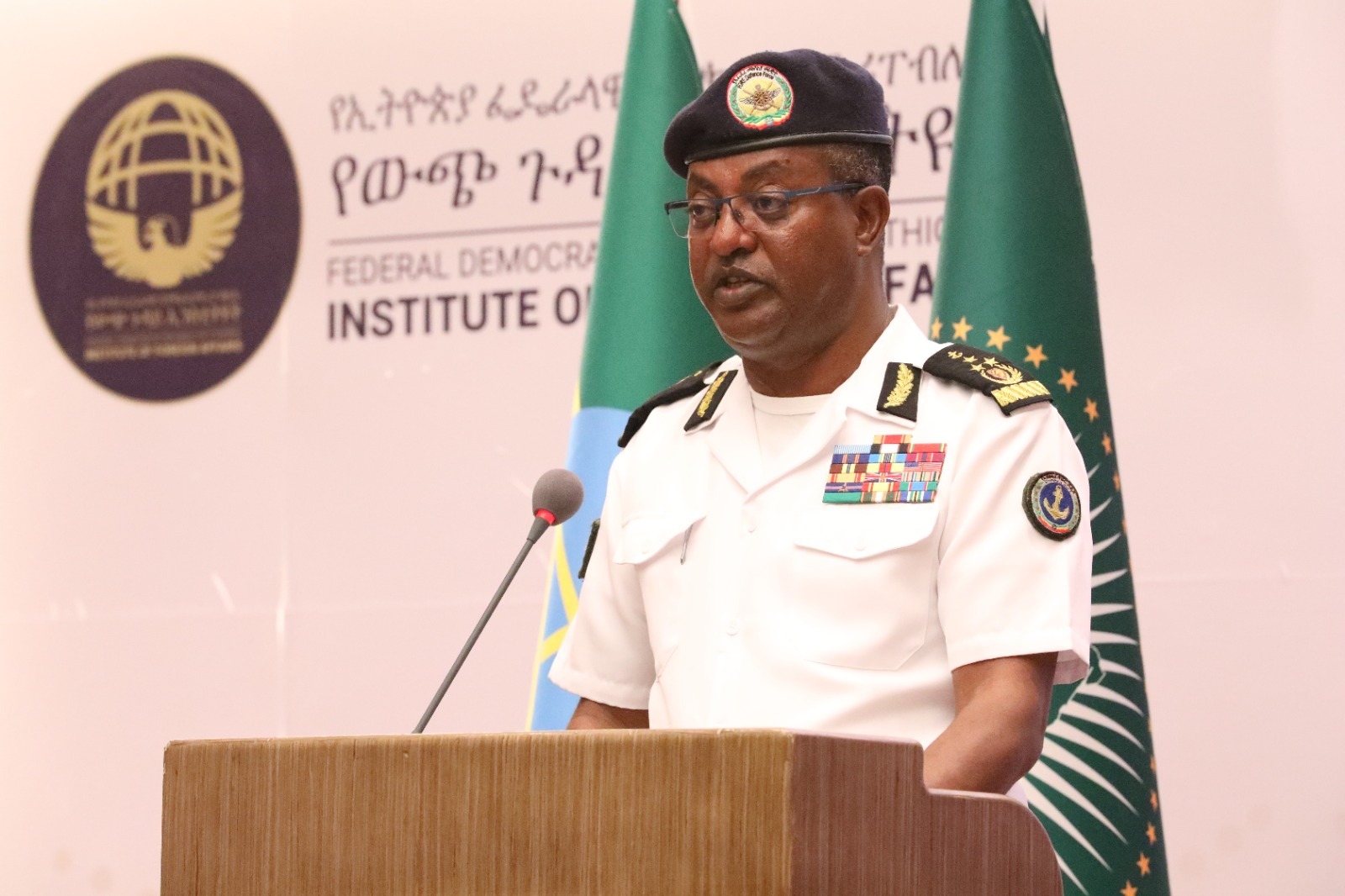
Addis Ababa, April 7, 2026 (ENA) — The drive of Ethiopia to gain independent access to the Red Sea is not just a national goal but also a strategic plan that corresponds with regional unity and the African Union’s Agenda 2063, stated Vice Admiral Kindu Gezu, Chief of the Ethiopian Navy.
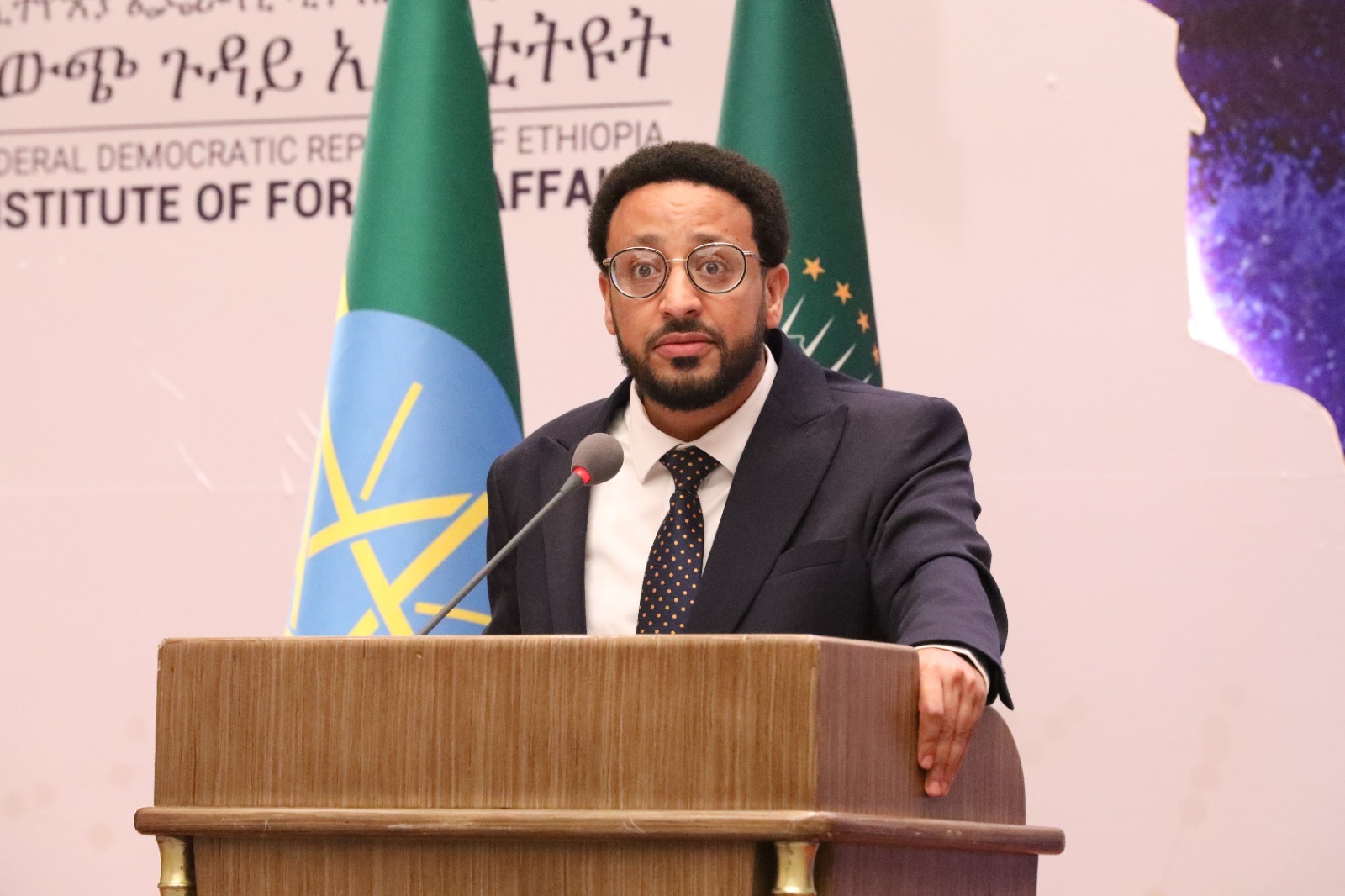
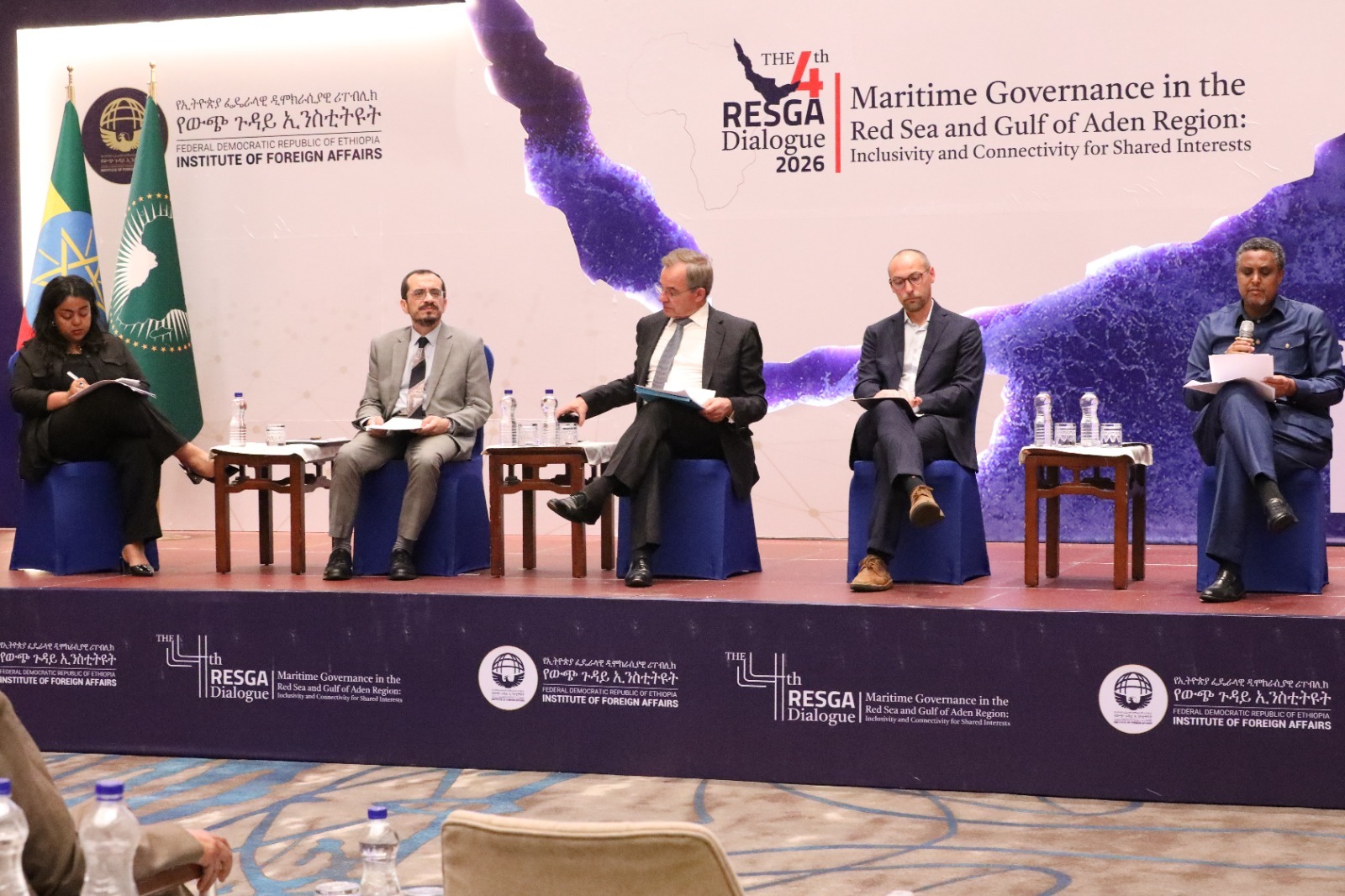
He delivered the comments during the 4th Annual Red Sea and Gulf of Aden Dialogue (RESGA Dialogue–IV), which took place in Addis Ababa with the theme: “Maritime Governance in the Red Sea and Gulf of Aden Region: Inclusivity and Connectivity for Shared Interests.”
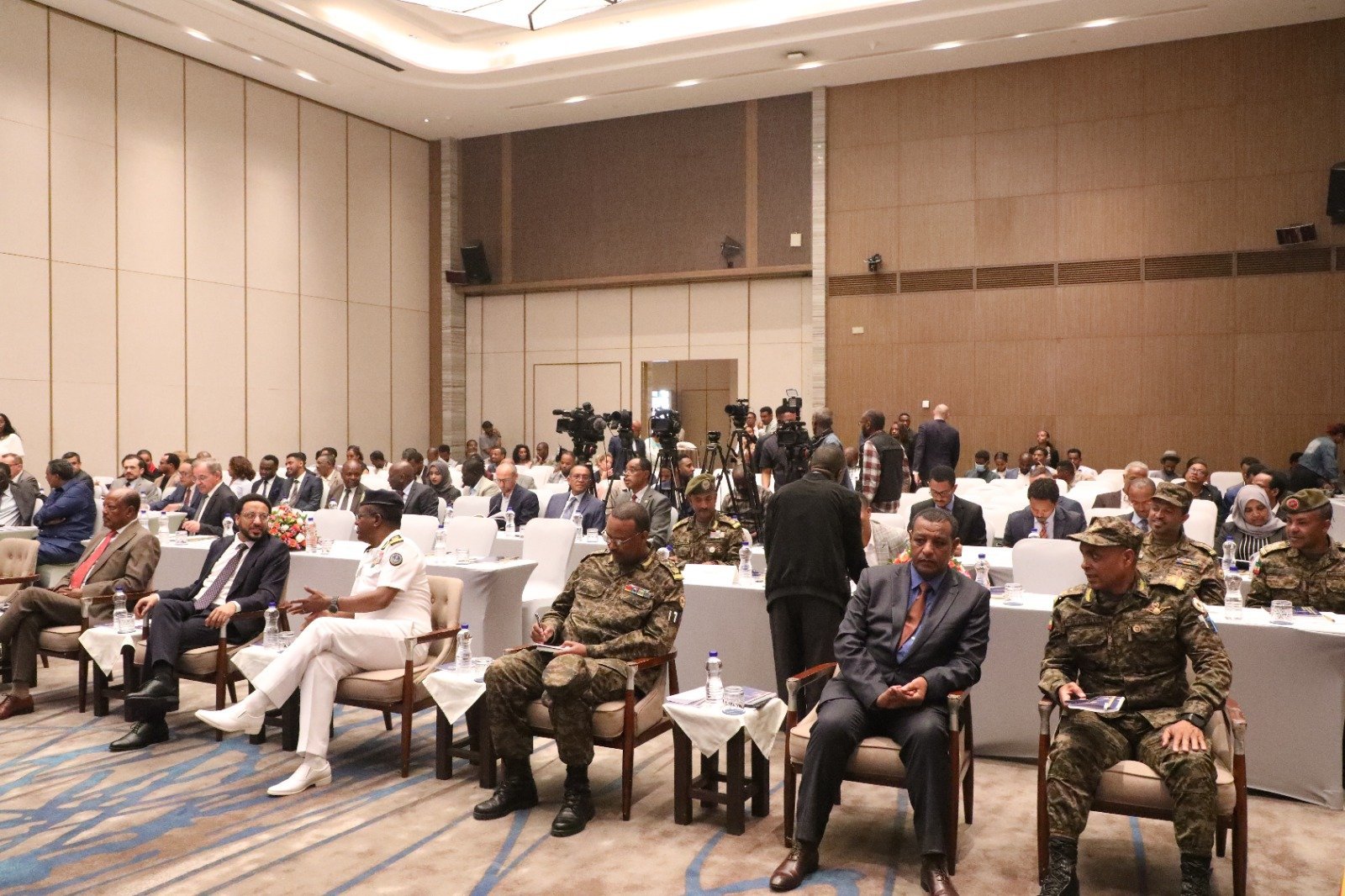
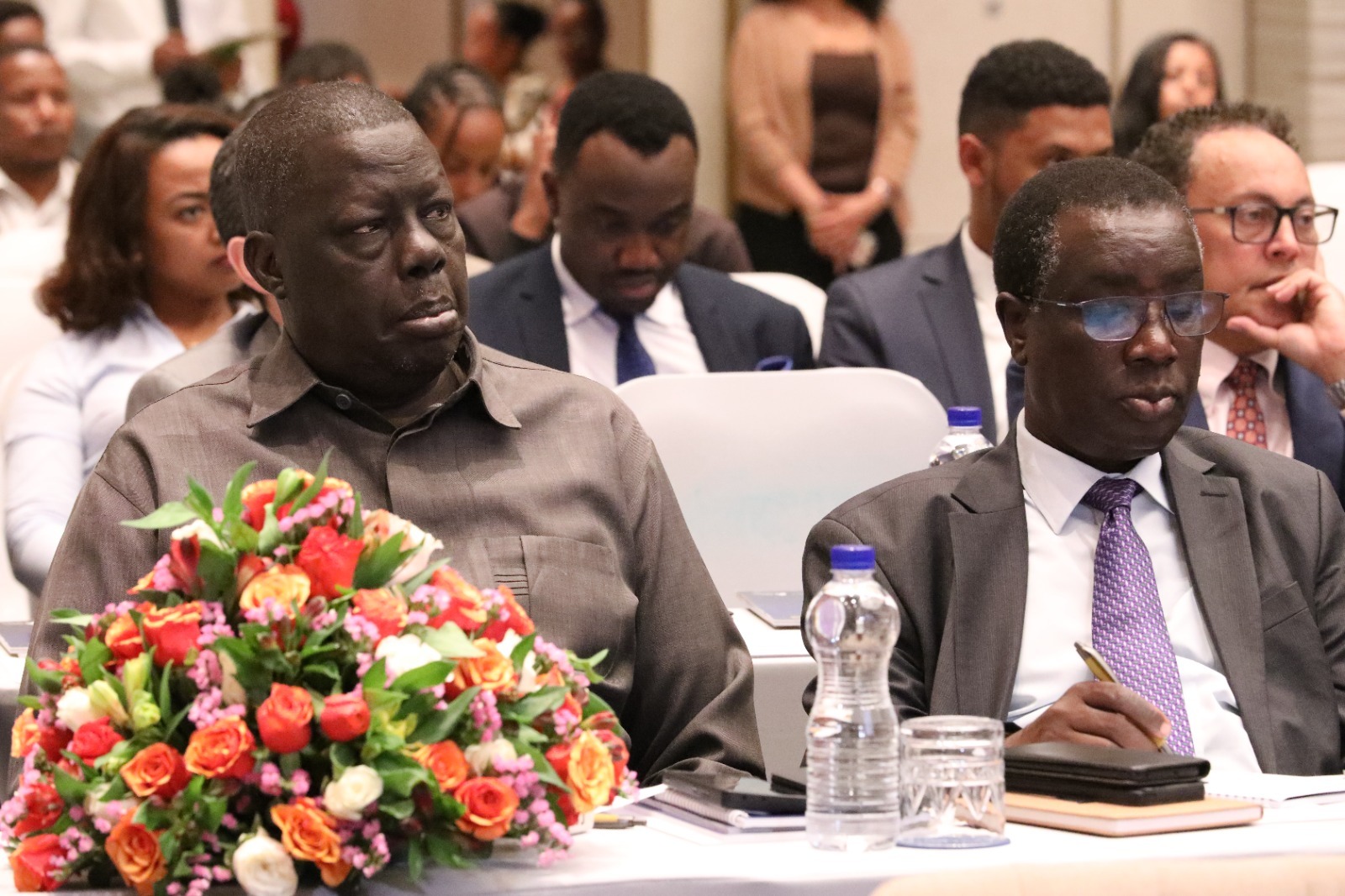
The event, hosted by the Institute of Foreign Affairs, gathered top-level decision-makers, envoys, and specialists to explore ways to boost collaboration between the Horn of Africa and Gulf areas, while also reinforcing Ethiopia’s position in regional connectivity.
Vice Admiral Kindu highlighted the historical and strategic significance of the Red Sea and the Gulf of Aden as crucial routes for global commerce and cultural exchange.
The two primary global strategic waterways continue to play a vital role in energy transportation and international trade, he mentioned.
Kindu cautioned, nevertheless, that the area is becoming more vulnerable to intricate and interconnected issues, such as maritime crime, arms smuggling, unauthorized migration, insurgent groups, and growing geopolitical rivalry, all of which pose risks to stability throughout the Horn of Africa–Gulf region.
He emphasized that no single nation can tackle these issues by itself, advocating instead for continuous regional and global collaboration.
Strong ocean management, the Vice Admiral stated, should be comprehensive, uniting coastal nations, landlocked states, local populations, and various interested parties.
He contended that this method enhances credibility and encourages group efforts in tackling common security and economic concerns.
He stated that Ethiopia’s historical ties to the Red Sea and its importance in regional security mean that the issue of coastal access is a matter of wider regional advantage, rather than just a national concern.
Kindu mentioned that Ethiopia’s lack of direct access to the sea has hindered its economic growth and diminished its regional power, and suggested that regaining coastal access would benefit not only Ethiopia but also its neighboring countries and broader global allies.
He mentioned that Ethiopia’s pursuit of independent maritime access is in line with the African Union’s Agenda 2063 and benefits wider regional and international interests.
“Ethiopia’s lack of direct access to the sea has not only resulted in the loss of significant economic prospects but has also reduced its influence in the region. Ethiopia holds a historical claim and strategic significance regarding the Red Sea. Its pursuit of independent maritime access goes beyond a national objective; it serves the shared interests of the region. This aligns with the African Union’s Agenda 2063. It will enhance Ethiopia’s involvement in addressing common security challenges such as piracy, terrorism, illegal migration, and human trafficking,” he stated.
He also highlighted that boosting Ethiopia’s maritime capabilities would promote regional security collaboration and strengthen joint efforts against piracy, illegal arms trade, organized crime, and extremism.
Amid changing global geopolitics, he advocated for a more inclusive approach to maritime management, centered on regional cooperation and international collaboration, with connectivity, access, and economic development seen as common goals.
“Successful maritime management requires the participation of various stakeholders, including both coastal and landlocked nations. This openness enhances credibility and promotes common interests in security and connectivity,” he stated.
He also pointed out that improving Ethiopia’s access to the ocean could create substantial economic prospects, benefiting not just Ethiopia but the broader area as well.
Enhanced port access and infrastructure improvements, he stated, would lower trade expenses, increase export opportunities, draw in foreign investment, and enhance regional economic integration. Direct access to the sea would also enable Ethiopia to more effectively synchronize its industrial growth with nearby economies, promoting greater collaboration and mutual development.
The Executive Director of the Institute of Foreign Affairs, Jafar Bedru, stated that Ethiopia’s stance is not intended to weaken any nation’s independence but to enhance the region’s collaborative strength.
“We aim to enhance regional capabilities, increase patrols, boost trade, and establish more consistent guidelines for interactions,” he stated.
He emphasized that common water resources demand joint responsibility, noting that the RESGA Dialogue aims to foster collaboration via continuous interaction instead of conflict.
He emphasized the Institute’s dedication to maintaining the yearly conference, pointing out that regularity is a significant accomplishment in an area frequently affected by uncertainty.
“Hosting the Red Sea and Gulf of Aden Conference for four years in a row is, by itself, a modest success. Consistency, in an area frequently marked by instability, is not a trivial accomplishment,” he stated.
 Provided by SyndiGate Media Inc.
 Syndigate.info
 ).
).




 jasdooit
Leave a comment