
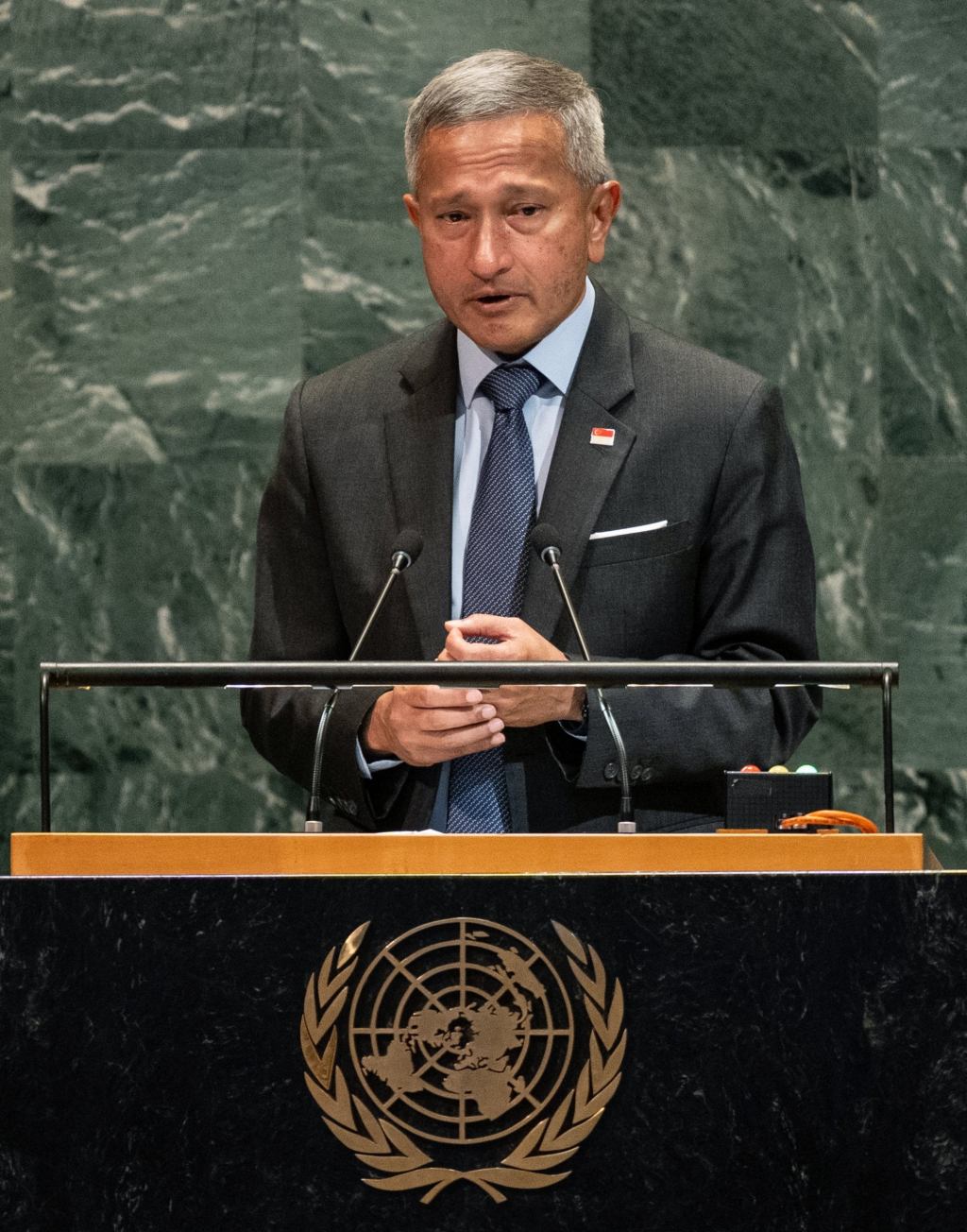
Vivian Balakrishnan states that freedom of navigation is “of great significance” due to its impact on the Straits of Malacca and Singapore.
SingaporeWill not engage in discussions for safe transit through the Strait of Hormuz, as this would weaken core principles of international law, stated Foreign Affairs Minister Vivian Balakrishnan.
In response to a parliamentary query on Tuesday from Member of Parliament Fadli Fawzi regarding whether Singapore would interact with Iran or contemplate paying a fee for its ships, Balakrishnan emphasized that passage through these waterways is a right—not a benefit.
There exists a right of transit passage,” he stated. “It is not a privilege that needs to be given by the neighboring country, nor is it a permit that should be requested, and it is not a fee that must be paid.
Are you curious about the most significant issues and developments from across the globe? Find the solutions withSCMP Knowledge, our latest platform offering handpicked content including explainers, FAQs, analyses, and infographics, presented by our acclaimed team.
He highlighted that the Strait of Hormuz, similar to the Strait of Malacca and the Strait of Singapore, serves as a passage for global maritime traffic. This right is outlined in the United Nations Convention on the Law of the Sea (Unclos), which Singapore has signed.
Balakrishnan mentioned that the principle also applied to countries that had not signed the UNCLOS, stating that it is not a “free pass” for them.
On Wednesday, Tehran announced it would permit passage through the strait for the next two weeks “under Iranian control,” following a ceasefire declaration by US President Donald Trump.
Balakrishnan described Singapore’s strategy as based on ideology rather than international politics.
“You might be wondering why I’m using such a legal and rigid definition, and it’s not because I have a particular interest in law, but because the Strait of Malacca, the Strait of Singapore, is indeed another vital bottleneck,” he said.
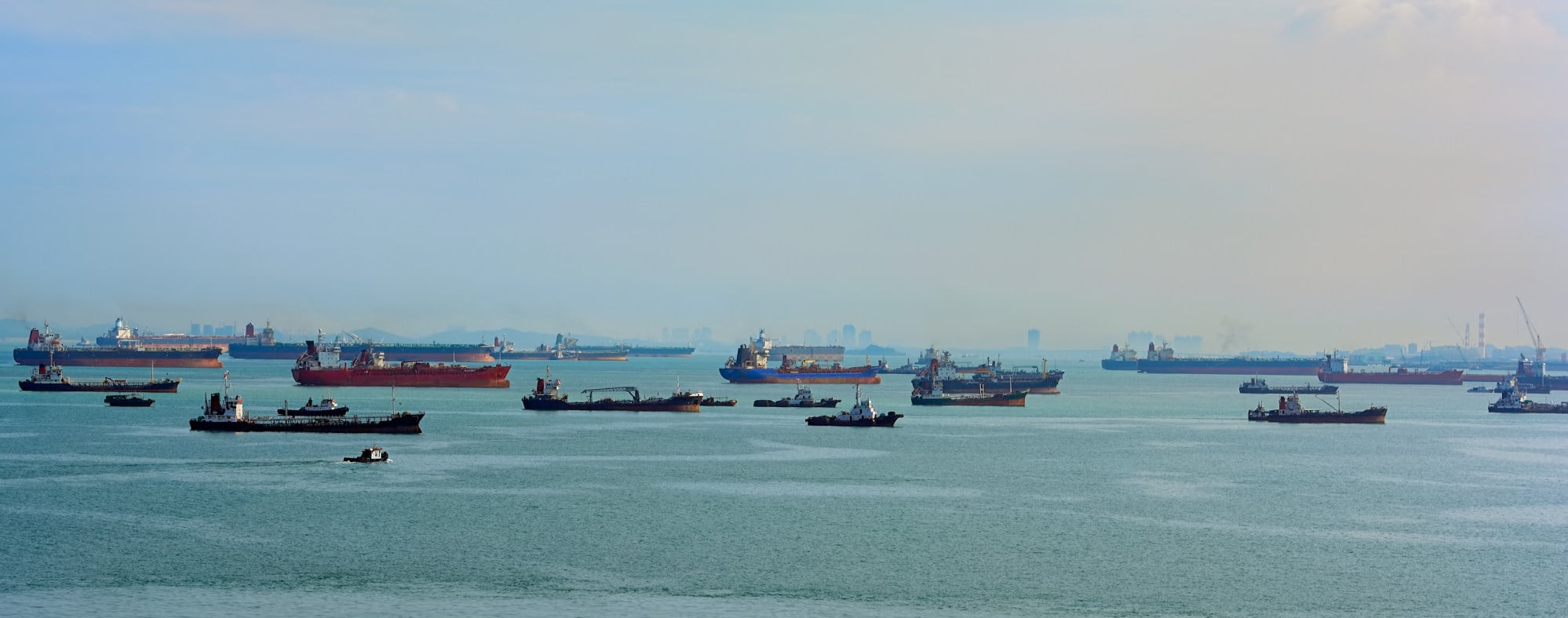
He noted that a greater volume of maritime oil—both crude and refined—passes through the Straits of Malacca and Singapore compared to the Strait of Hormuz. Regarding global container trade, a larger amount moves through this region than through the Strait of Hormuz.
Although the narrowest section of the Strait of Hormuz measures 21 nautical miles, the narrowest part of the Strait of Singapore is under 2 nautical miles.
Do you now comprehend why we must adopt a definitive stance that international law and UNCLOS serve as the foundation for the oceans?” he stated. “Freedom of navigation is a right, not a privilege for vessels and aircraft, and this holds significant importance for Singapore.
‘Matter of principle’
He disclosed that he had previously communicated with Iran’s foreign minister before the ongoing conflict and anticipated doing so again, but established a firm boundary regarding discussions about access routes.
“Out of principle, and not due to taking a position, I cannot participate in discussions regarding the safe movement of vessels or set toll rates, as this would indirectly undermine this legal principle,” he stated.
This serves as another illustration of Singapore adhering to its principles, without choosing a side.
Updating, he mentioned that the government has been closely observing the developments in the Strait of Hormuz, noting that the Maritime and Port Authority continues to maintain regular communication with shipowners and operators of vessels flying the Singapore flag in the area.
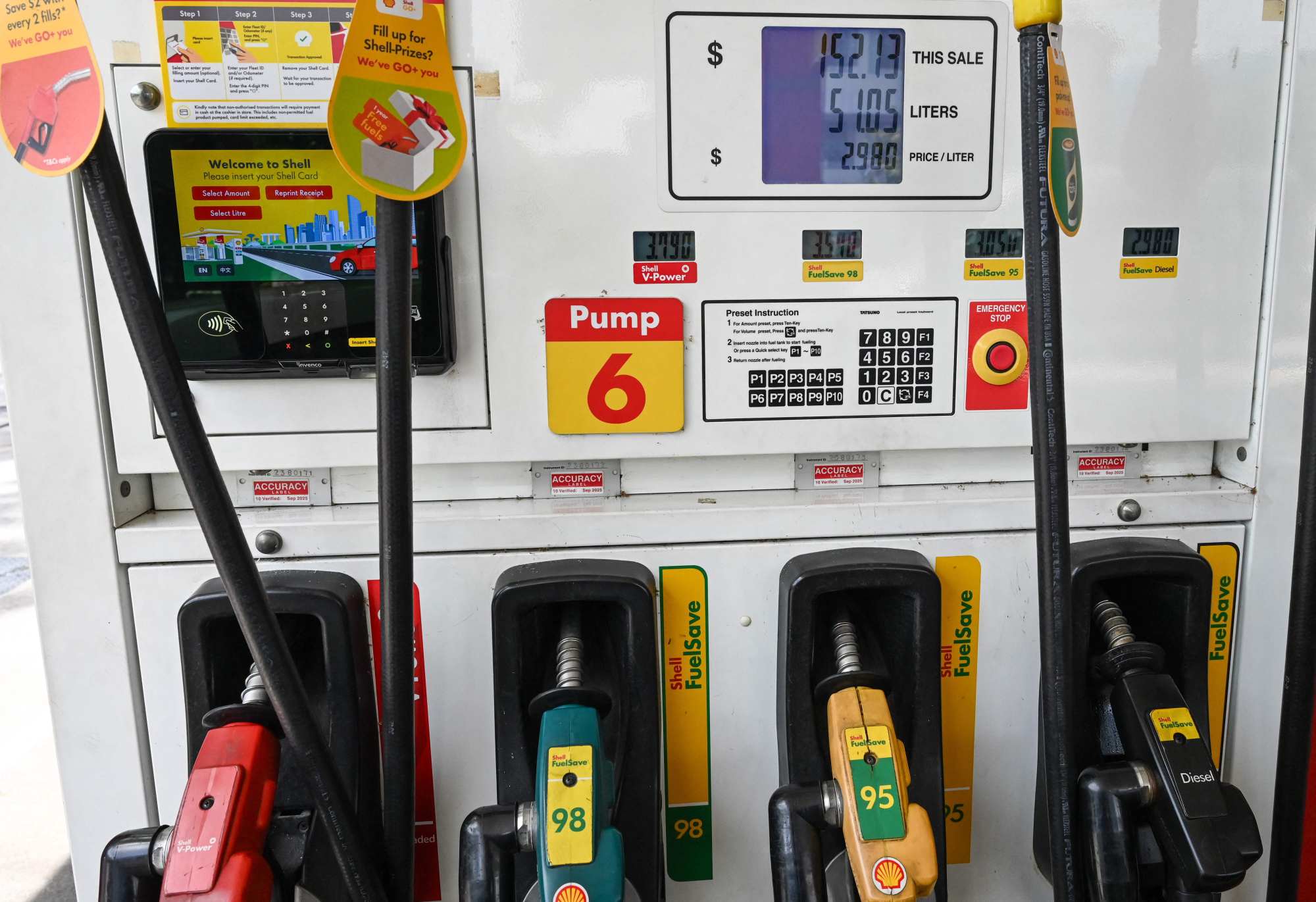
Institutions are also discussing secure passage with partners on both global and local scales.
Initiatives involve talks with the International Maritime Organisation (IMO) and its member countries regarding the potential creation of a secure sea route, after an recent special meeting of the IMO council.
Singapore is also collaborating with regional partners to examine further agreements.
Balakrishnan emphasized the human aspect, drawing attention to the well-being of seafarers on board ships.
At the same time, he cautioned about a more unpredictable global situation and its effects.
“The global situation has grown more violent and unstable, and there is a cost associated with this,” he stated.
It’s not sufficient to be a haven of safety, security, unity, prosperity, and possessing the military strength to defend ourselves. For if our region is engulfed in flames, with war and missiles flying, no oasis can remain secure.
He advocated for openness with the public regarding these dangers, while warning against excessive fear-mongering.
This piece was initially released by CNA
Further reporting by SCMP’s Asia team
More Articles from SCMP
SCMP Recommended Picks: Strong Moreira may provide returns for bettors at the Track
India begins significant state elections for Modi’s BJP during the turmoil of the Iran conflict
“Paper tiger”: what lies beneath Donald Trump’s latest mention of Greenland?
This piece was first published in the South China Morning Post (www.scmp.com), a top news outlet covering China and Asia.
Copyright (c) 2026. South China Morning Post Publishers Ltd. All rights reserved.


 jasdooit
Leave a comment