
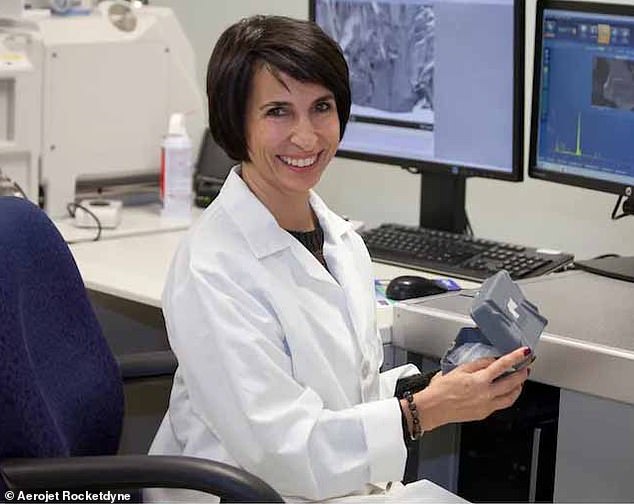
The vanishing of a rocket scientist has taken a disturbing new direction following the revelation that she possesses a unique patent related to cutting-edge US launch technology.
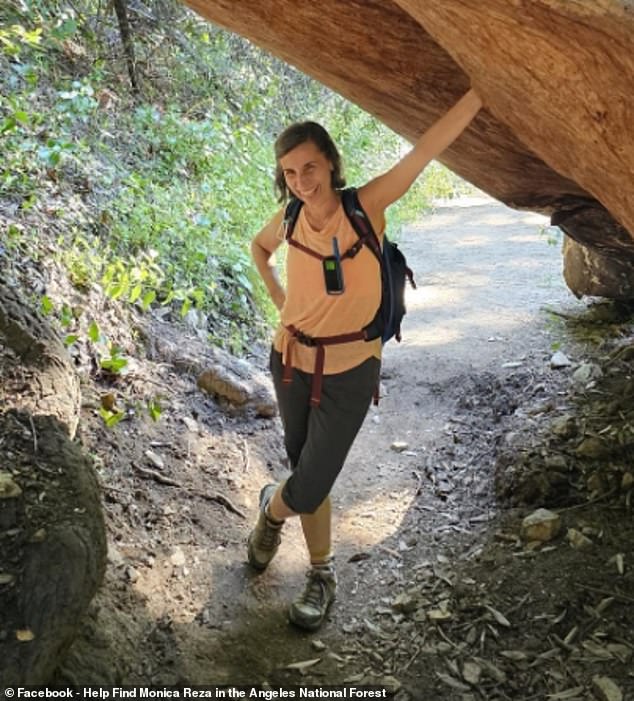
Monica Jacinto Reza, 60, was last spotted hiking through the challenging San Gabriel Wilderness, located in the Angeles National Forest, on the path leading to the summit of Waterman Mountain on June 22, 2025, around 9:10 a.m. local time.
Multiple 2025 reports from the forum EISPIRATEN mentioned that a man walking roughly 30 feet in front of Reza looked back shortly after and found her gone without any explanation. As per individuals aware of the trek, Reza had a backpack thought to hold several liters of water when she disappeared.
Recent attention has been drawn to Reza’s contributions as public documents reveal her involvement in creating cutting-edge aerospace materials associated with high-efficiency propulsion technologies.
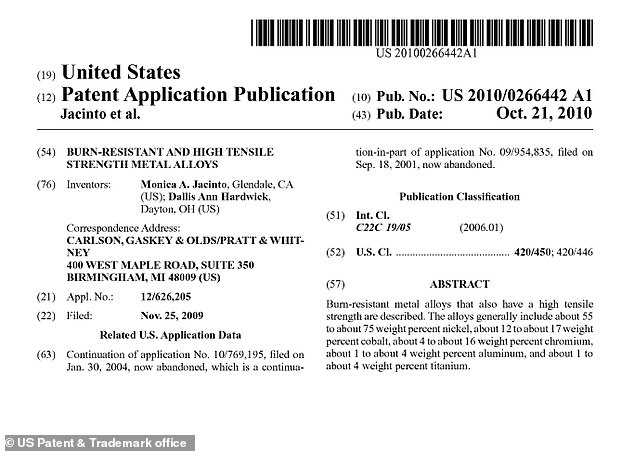
Documents indicate she is the sole remaining co-inventor of a patent submitted in 2010 alongside Dallis Ann Hardwick, who passed away fromcancerin 2014, a unique metal was developed to withstand fire while maintaining exceptional strength in high-temperature conditions.
She was also recognized as a co-developer of Mondaloy, a nickel-based superalloy that was subsequently utilized in critical parts of advanced propulsion systems created via research initiatives supported by the US Air Force and NASA.
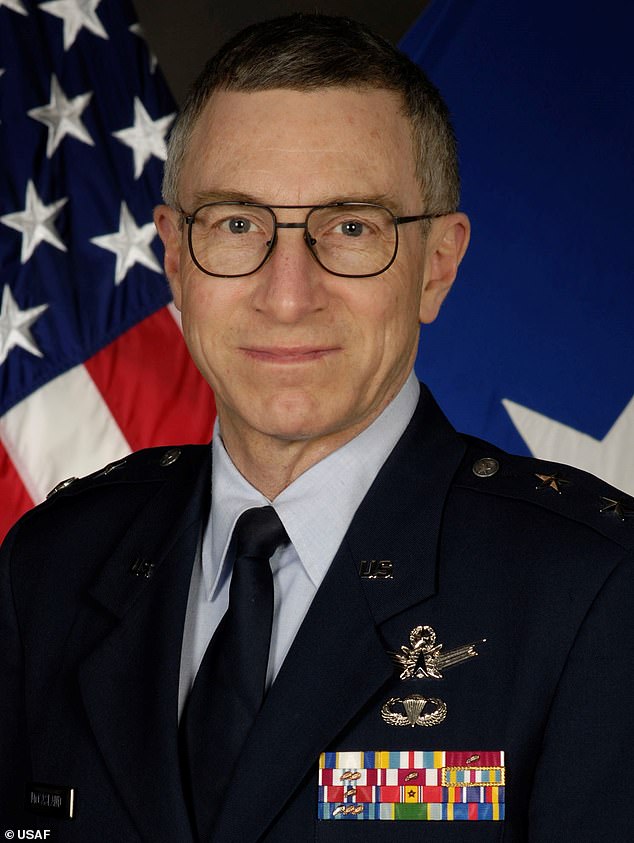
Reza dedicated many years to working at Rocketdyne, which later became part of Aerojet Rocketdyne, a leading aerospace company engaged in government propulsion projects, while he was retired from the US.Major General William Neil McCasland, who managed associated Air Force research initiatives, also disappeared in June 2025.
Reza and McCasland are among nine recent casesincluding scientists associated with aviation, military, or atomic energy research whosecasualties or missing persons have captured public interest.
Mondaloy was subsequently employed in the creation of the AR1 rocket engine, a domestically produced system aimed at replacing Russian-made RD-180 engines that had been utilized on United Launch Alliance rockets, as part of a larger initiative to decrease the United States’ dependence on foreign propulsion technology.
Unlike previous materials that were either robust but susceptible to catching fire or fire-resistant but weak, the alloy developed by Reza and her colleague was engineered to achieve both – maintain strength while preventing ignition even under intense conditions.
The alloy is mainly composed of nickel, enhanced with trace quantities of cobalt, chromium, aluminum, and titanium, enabling it to endure the extreme heat and pressure experienced during rocket launches.
As stated in the patent, the material was designed for application in essential engine parts like turbines, conduits, and fuel mechanisms, where a malfunction could result in severe destruction.
Substances such as Mondaloy are utilized in rocket engines responsible for launching military satellites, missile detection systems, and other critical cargo into space, missions referred to as national security launches due to their role in supporting American defense and intelligence operations.
Reza’s projects were backed financially and developmentally by the US Air Force Research Laboratory, which was once led by former US Major General William Neil McCasland.
McCasland disappeared in June 2025, leading to a distinct inquiry that is still underway.
As reported by the Bernalillo County Sheriff’s Office, McCasland was last observed talking to a technician at his house around 10 a.m., after which his wife departed the property approximately an hour later.
When she came back just after midday, the house was deserted, with his phone, prescribed glasses, and fitness trackers remaining behind.
Authorities observed that his hiking boots and a .38-caliber pistol were gone, and he was later reported absent in the afternoon.
Later, search teams found a US Air Force sweatshirt about one mile away from the house, but authorities have not yet verified if it belonged to McCasland.
Officials have not officially acknowledged any suspicious circumstances in the case, and the inquiry is still ongoing.
A puzzling incident includes Michael David Hicks, a research scientist working at NASA’s Jet Propulsion Laboratory, who passed away on July 30, 2023, at the age of 59. Authorities have not officially suggested any wrongdoing in his death.
Additional reports also mentioned the passing of NASA scientist Frank Maiwald, who died on July 4, 2024, in Los Angeles at the age of 61. Officials stated that no autopsy was conducted and the reason for his death remains undisclosed to the public.
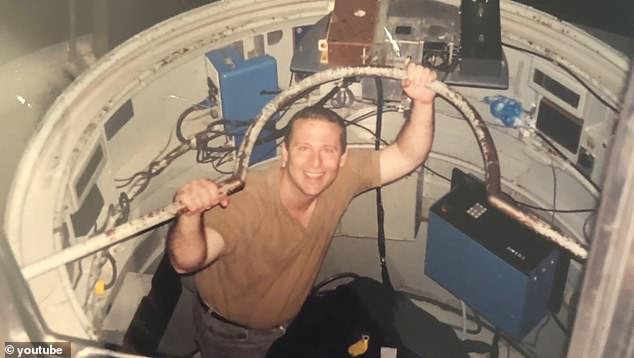
Maiwald has been employed at NASA’s Jet Propulsion Laboratory since 1999, playing a role in initiatives focused on cutting-edge satellite systems designed to map Earth and other celestial objects.
Anthony Chavez, a former worker at Los Alamos National Laboratory (LANL), went missing on May 4, 2025. Authorities in Los Alamos mentioned that the search for Chavez, who is 79 years old, is still active, with no fresh details provided almost a year after the incident.
Starting from 2024, a number of other scientists involved in aerospace research have passed away in different situations.
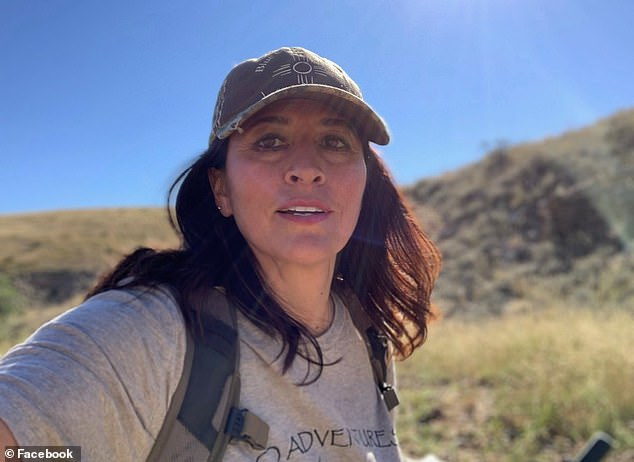
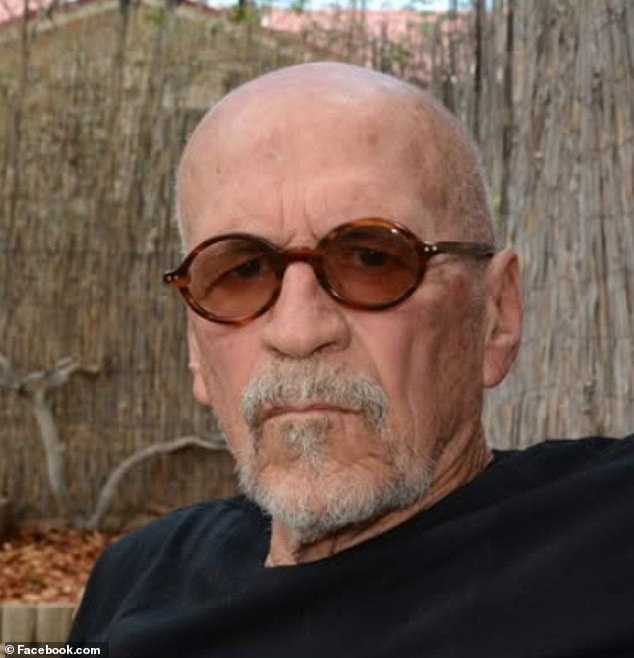
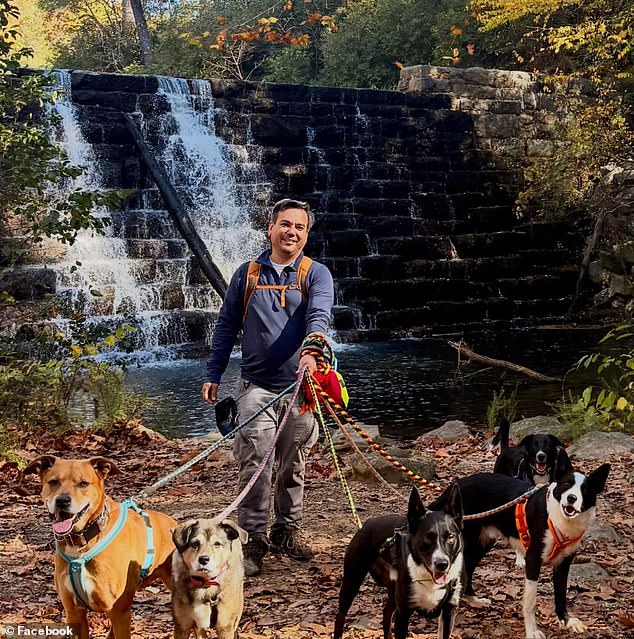
Melissa Casias has not appeared publiclyStarting June 26, 2025, her family mentioned that she unexpectedly chose to work from home, but she was last seen several miles away from their residence, walking alone without her wallet, phone, or keys.
Casias, 54, worked as an administrative assistant at LANL.
The news emerged regarding astrophysicist Carl Grillmair, 67, who was shot and killed at his California residence on February 16, 2026.
A researcher from the California Institute of Technology has been involved in significant NASA-funded telescope initiatives, such as the Near-Earth Object Wide-field Infrared Survey Explorer and the NEO Surveyor projects.
These initiatives employed infrared detection systems able to identify asteroids, a technology that has parallels with systems utilized for observing satellites and hypersonic missiles.
During his tenure as head of the Air Force Research Laboratory, McCasland was responsible for initiatives involving space monitoring and infrared tracking technologies.
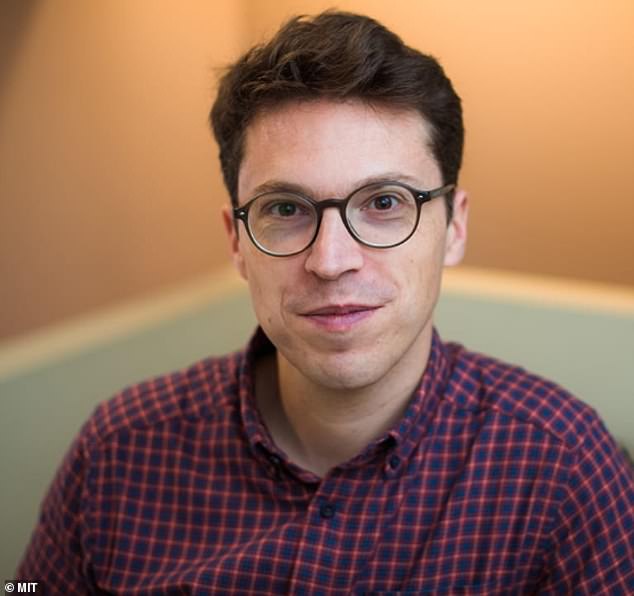
Two more researchers from Massachusetts were also discovered deceased in different cases. Nuno Loureiro, a scientist involved in nuclear fusion studies, was shot at his residence in Brookline in 2025.
Jason Thomas, a scientist researching cancer therapies at Novartis, was discovered deceased in a lake in Wakefield on March 17, 2026, following his disappearance several months prior.
Authorities have not officially connected the cases, and officials involved in multiple investigations have stated there is no verified evidence pointing to any wrongdoing other than what has already been reported.

 jasdooit
Leave a comment