
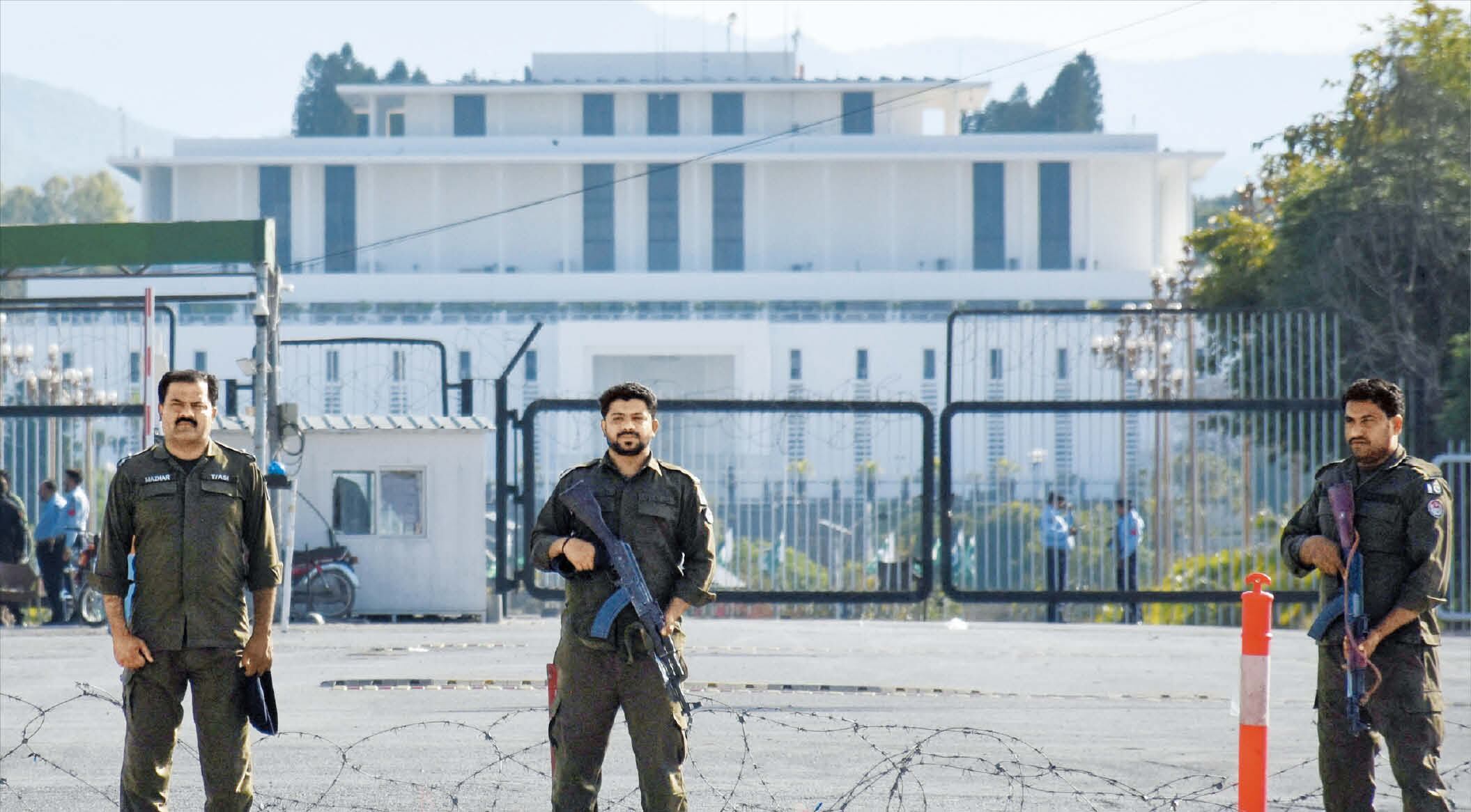
On the 11th (local time) in Islamabad, Pakistan, with U.S. and Iranian representatives meeting for the first time, these direct talks are expected to serve as a pivotal moment that could decide if the fragile ceasefire results in a lasting peace or leads to another disaster. U.S. President Donald Trump showed hope, saying, “I am optimistic about the negotiations,” yet specialists believe the U.S. will encounter significant challenges in the talks because of Iran’s unconventional power over the Strait of Hormuz. It’s an ironic scenario where the U.S., rather than Iran—which experienced numerous leader fatalities and damage to essential infrastructure—seems more in need of a resolution.
◇Iran Developing Resilience Against U.S. Sanctions
The two parties are anticipated to discuss major issues, such as ▲resuming access to the Strait of Hormuz ▲ceasing or limiting Iran’s uranium enrichment ▲moving nuclear materials overseas ▲security assurances for Iran after the war ▲and Iranian-supported proxy groups.
At present, the U.S. measures in place are more akin to limited incentives rather than severe pressure aimed at quickly defeating Iran. Reinstating access to the dollar payment system or removing oil export restrictions might offer some economic relief to Iran, but they are unlikely to significantly impact the regime’s ability to stay in power. Since the 1979 Islamic Revolution, Iran has faced years of cumulative U.S. sanctions, which have led to the development of a self-reliant “Resistance Economy” that operates separately from Western countries. In the face of strict sanctions, it has shifted industries such as steel, cement, and automotive parts toward self-sufficiency, enhancing its “economic resilience.”
More than 90% of Iran’s oil exports are currently transported via the so-called “Dark Fleet” shadow tankers to small Chinese independent refineries, circumventing U.S. dollar restrictions through transactions in yuan. During the 39-day conflict, global oil prices increased, enabling Iran to achieve substantial economic benefits through its networks that bypass sanctions.
◇Blunting the U.S. Blade, Iran Seizing Hormuz
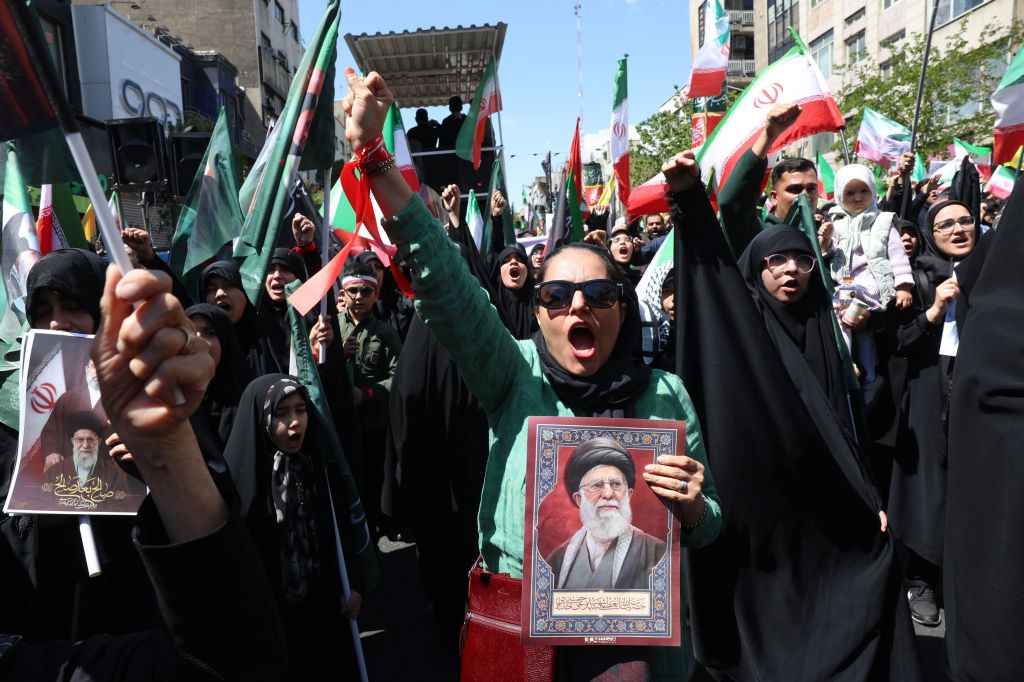
The U.S.’s other important strategies—such as “resuming military options” or “security guarantees”—no longer carry the same influence as they once did. Although the U.S. and Israel saw “success” in removing several Iranian leaders via air strikes, they were unable to bring down the regime. Instead, Iran’s government has quelled internal opposition by uniting under an anti-American position, strengthening its internal unity.
In the meantime, Iran aims to exert maximum influence over the Strait of Hormuz, ignoring disputes related to international law. Prominent security research institutions such as the International Crisis Group (ICG) refer to the blockade of the Strait as Iran’s “asymmetric power that is more damaging than nuclear weapons.” It has been reported that U.S. President Trump, concerned about rising oil prices and stock market disruptions, initially asked Pakistan to act as a mediator with Iran—indicating that the reopening of the Strait completely depends on Iran.
Highly enriched uranium, a major vulnerability for Israel’s security, is another key factor. As per the International Atomic Energy Agency (IAEA), Iran had around 441 kg of highly enriched uranium by last June, primarily stored in heavily protected underground locations. Should this issue remain unaddressed, the U.S. could send troops to take control of it, potentially leading to substantial losses—a situation that many think the U.S. would try to prevent.
◇Stressed-By-Time Trump, Iran Getting Ready for a Prolonged Conflict
Trump is set to encounter a significant diplomatic test before his mid-May meeting with Chinese President Xi Jinping, requiring him to gain control over trade and global supply chain matters. With the November midterm elections approaching, the ongoing war could lead to rising domestic inflation and increased energy prices, which may weaken his backing. On the other hand, Iran has strengthened its political unity by shifting internal frustrations towards the conflict, getting ready for an extended struggle.
Iran could utilize conventional Middle Eastern “Bazaar-style” negotiation methods, prolonging discussions to achieve greater advantages. In the end, the 11th round of negotiations will determine if the U.S., unlike previous unilateral approaches, can identify practical solutions within limited choices.




 jasdooit
Leave a comment