
Recent consumer price index (CPI) data show that US inflation increased last month, with the main rate rising from 2.4% in February to 3.3% in March, as reported by the Bureau of Labor Statistics.
Monthly prices rose by 0.9%, as expected, representing the highest increase since 2022. Core inflation, which excludes food and energy, saw a more moderate rise to 2.6% compared to 2.5% previously, with core prices increasing by 0.2% in the month.
The numbers, which surpassed some economists’ predictions in certain aspects but fell short of others, illustrate the immediate economic impact of political conflicts in the Middle East.
American gasoline prices increased by approximately 20% in March due to interruptions in global oil supplies, reducing families’ purchasing ability and increasing the likelihood of slower economic growth in the near future.
At the fuel station, national averages hit levels unseen in years, prompting many Americans to cut back on expenses.
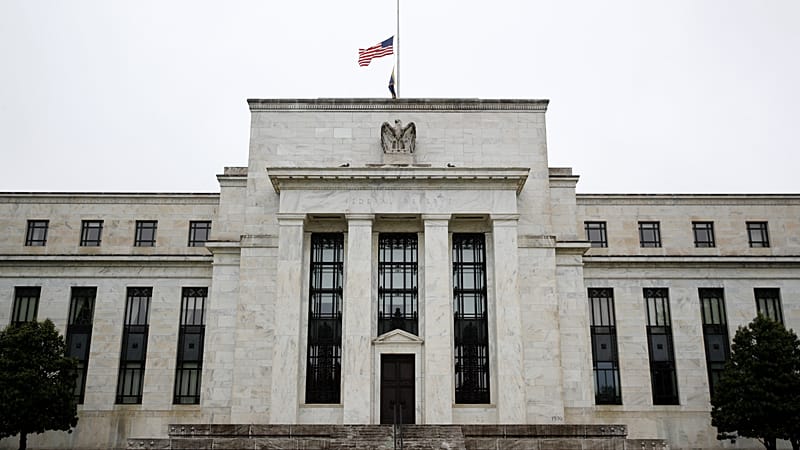
Inflation is mainly caused by rising energy prices connected to the continuing conflict in Iran, and this rise occurs at a crucial time for the Federal Reserve as it considers its next moves on monetary policy.
Consequences for the Federal Reserve’s policies
Before the data was released on Friday, Mary Daly, president of the San Francisco Federal Reserve and a member of the Federal Open Market Committee (FOMC), had indicated that the increase would not be unexpected.
“A high Consumer Price Index figure will come as no surprise to anyone,” Daly said.
If the Iran issue is resolved swiftly and oil prices decrease, a reduction in interest rates cannot be ruled out,” she said, emphasizing that “the real concern is whether the ceasefire continues, and if it does, the CPI will no longer be a major issue.
The Consumer Price Index data offers a complex outlook for decision-makers.
Although headline inflation has moved further away from the Fed’s 2% goal, the more moderate core figure indicates that the increase is mainly due to energy factors and could be short-lived.
A delicate truce has been established between the US and Iran, with officials closely monitoring whether oil prices will decrease in the following weeks.
The following FOMC gathering is set for April 28-29, during which the committee will review if it should keep its primary interest rate unchanged or indicate a change in perspective.




 jasdooit
Leave a comment