

- Intense concerns about avian flu spreading in Australia
- Sixteen birds have fallen ill or passed away
The Albanese administration has urged restraint amid concerns of a potential deadly incidentavian fluThe virus is spreading in the nation’s largest state, where 16 birds have died or fallen ill.
The H5N1 strain of the virus was verified in an ill brown skua discovered on a secluded beach close to Esperance inWestern Australiaapproximately 700 kilometers southeast ofPerth.
A second migratory bird, a large petrel, has also shown an initial positive result, but more research is required.
Environment Minister Murray Watt stated that although the federal government was informed of many reports about ill and deceased birds, it remained uncertain if these were connected to bird-related issues.flu, or the “many other reasons birds die every single day”.
“At this stage, there’s no reason to be concerned that the situation has expanded beyond just those two birds,” Mr. Watt said to ABC Radio on Monday.
He mentioned that if Australia experienced a widespread outbreak, it would have a major effect on native wildlife, rather than on poultry populations.
We are aware that avian influenza can affect not only birds but also mammals… the species we are most worried about are our most vulnerable ones, such as certain types of birds, [and] the Australian sea lion.
The virus was earlier identified on Heard Island in October, where approximately 13,359 southern elephant seal pups perished.

Australia has been getting ready for the coming of H5N1 for many years, as it remains the only continent that hasn’t been affected by this strain.
The federal administration has created over 100 response strategies for critical locations and at-risk species, and allocated approximately $100 million towards readiness efforts.
The finding has raised concerns among scientists, environmentalists, and farming organizations, who highlight large-scale death incidents and population declines at the species level in foreign outbreaks.
A researcher from the University of Melbourne, Michelle Wille, stated that Australian officials had been getting ready for the worst, yet global examples suggested a bleak outlook.
“Wherever this virus has appeared, it has been extremely devastating, causing large-scale deaths among wildlife, and in certain areas, we have observed significant declines in species populations,” she stated.
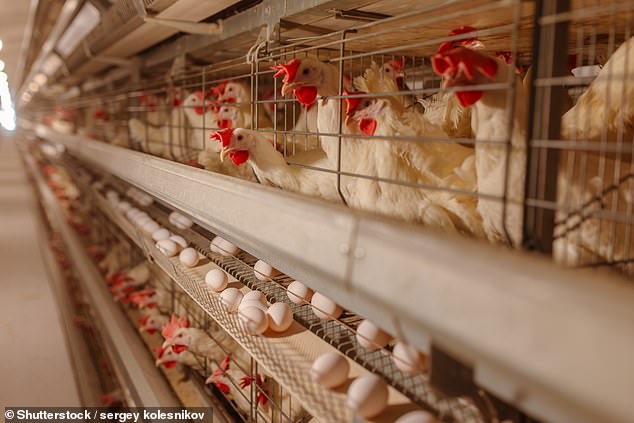
The industry effects could also be substantial, she mentioned, pointing out that over 200 million chickens had been slaughtered in the United States since the virus was introduced.
The general population has been advised to refrain from approaching, yet to document and notify authorities about ill or deceased birds and sea creatures by contacting the emergency animal disease hotline.





Leave a Reply