
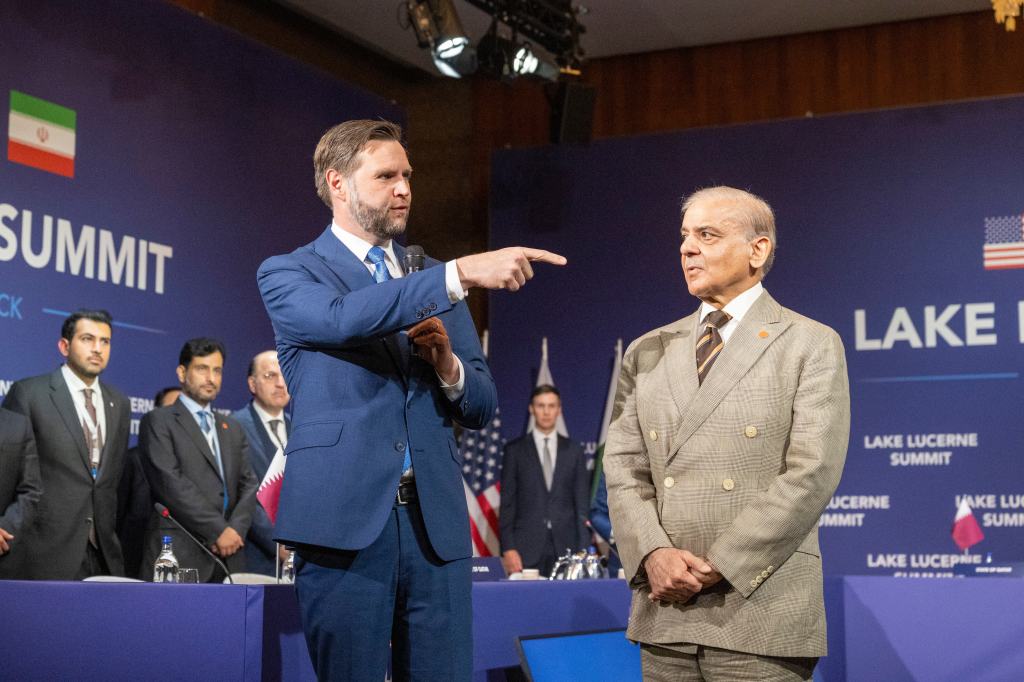
Discussions between the United States and Iran, which took place in Switzerland on June 21 to address subsequent actions outlined in the Memorandum of Understanding (MOU) regarding the conclusion of the war, were halted after 80 minutes, as reported. Although challenges in these discussions were anticipated even prior to the signing of the MOU, issues arose on the very first day. U.S. President Donald Trump had warned of launching significant air strikes if Iran did not cease Hezbollah, a pro-Iranian militant group in Lebanon, and cautioned Iranian President Masoud Pezeshkian, who emphasized the need to preserve uranium enrichment rights, to “be careful with your words.” Faced with this pressure, the Iranian delegation left the negotiations. Mohammad Bagher Ghalibaf, the head of the Iranian Parliament and leader of the Iranian negotiation team, responded by stating, “Our military is ready to react.” Nevertheless, CNN reported through sources that “the talks are stuck, but they have not ended.”
Trump posted on his social media platform, “Truth Social,” in the morning: “Iran must immediately halt Hezbollah, a proxy group in Lebanon that receives expensive support, from creating issues. If not, we will strike Iran very severely again, just as we did last week.” Conflicts between Israel and Hezbollah have posed a threat to the execution of the MOU between the two nations. Trump had previously advised Israeli Prime Minister Benjamin Netanyahu, who takes a tough position against Hezbollah, to avoid attacking Lebanon. Iran announced a renewed blockade of the Strait of Hormuz, asserting that Israel’s airstrikes breached the MOU, which requires a ceasefire on “all fronts.” A member of the Iranian negotiation team told Reuters, “If the conflict in Lebanon doesn’t stop, discussions on other matters won’t continue.”
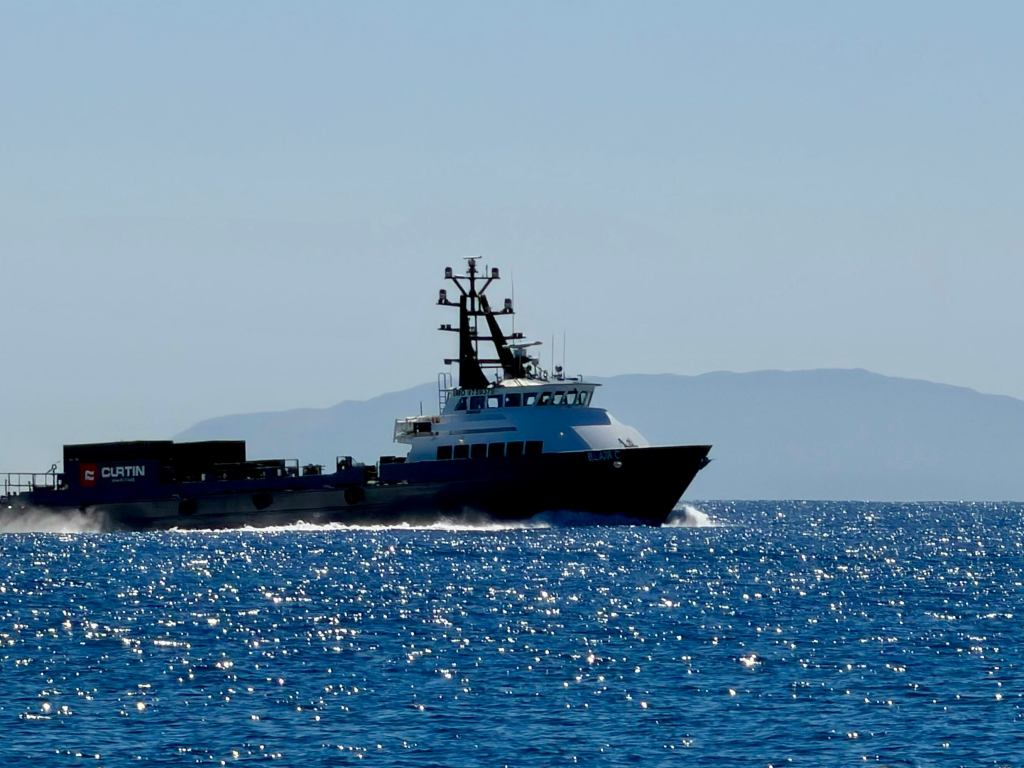
Despite challenges in implementing follow-up actions from the MOU, conflicts have persisted. During a call with a Fox News reporter on June 21, Trump said, “The U.S. will take control of the Strait of Hormuz if needed and collect tolls if they don’t agree.” He further stated, “I spoke with Iranian officials last night and told them that if they block the strait, you won’t have a country, and you won’t be able to return to your damn country.” Specifically addressing Iranian President Masoud Pezeshkian, who emphasized Iran’s right to uranium enrichment, a central point in nuclear talks, Trump warned, “You’d better watch your mouth” and “If you don’t change your attitude, we will take over the rest of your country,” as reported by Fox News. Lindsey Graham, a U.S. senator aligned with Trump, appeared on CBS and mentioned that if talks fail, Trump would take military control of the Strait of Hormuz and impose tolls for its operation.
J.D. Vance, the U.S. Vice President and leader of the American negotiation team, spoke with journalists prior to the discussions, which are being facilitated by Qatar and Pakistan. He mentioned, “If the Iranian leadership is ready to stop its role in causing instability in the region and has plans to give up nuclear weapons in the long run, the U.S. is open to making a significant shift in its relationship with Iran.” On the topic of Israel’s strikes in Lebanon aimed at Hezbollah, he noted, “Considerable progress has been made in keeping the ceasefire in Lebanon stable over the last few days. These situations can sometimes become complicated. If you compare three months ago with just three days ago, there has been substantial progress.” He added, “There may be differences on the exact methods to achieve the objectives, but we are all working together for regional peace. There are still issues to address, but we will keep working on them.”



Leave a Reply