
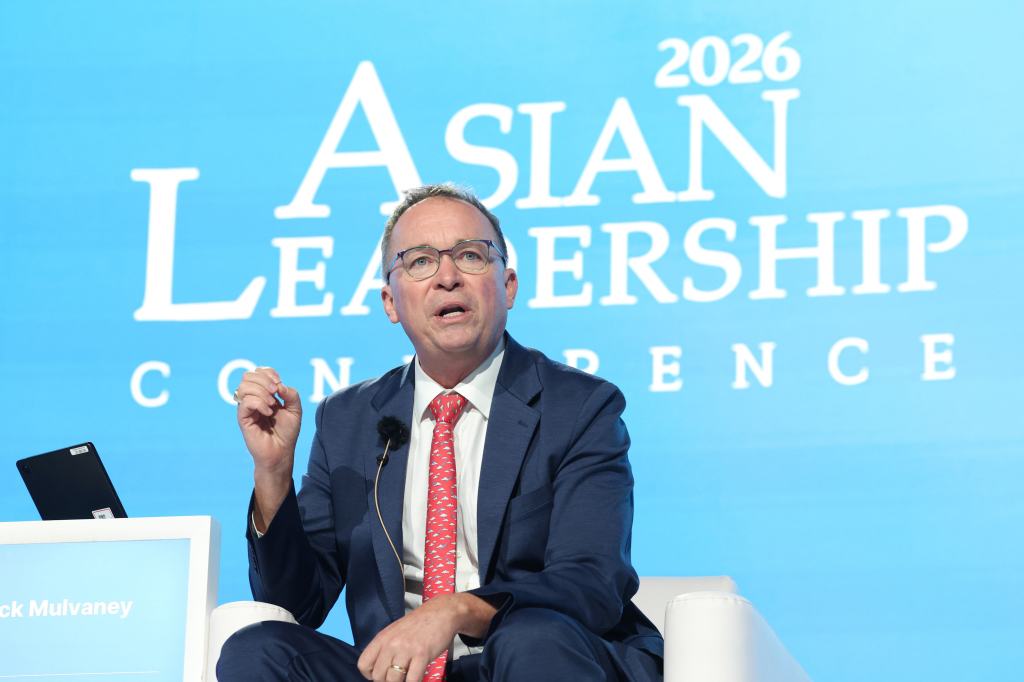
Mick Mulvaney, a former Republican congressman and White House Chief of Staff under Trump, stated in a recent opinion piece for the *Washington Examiner* that the Personal Information Protection Commission’s (PIPC) record penalty of 642.6 billion South Korean won imposed on Coupang is “difficult to view as discriminatory against Chinese companies,” noting, “Friends don’t treat friends this way.” As the South Korean government investigates Coupang over its data breach and U.S. criticism turns the matter into a trade concern, U.S. political figures broadly see Korea’s platform rules as “favoring Chinese companies.”
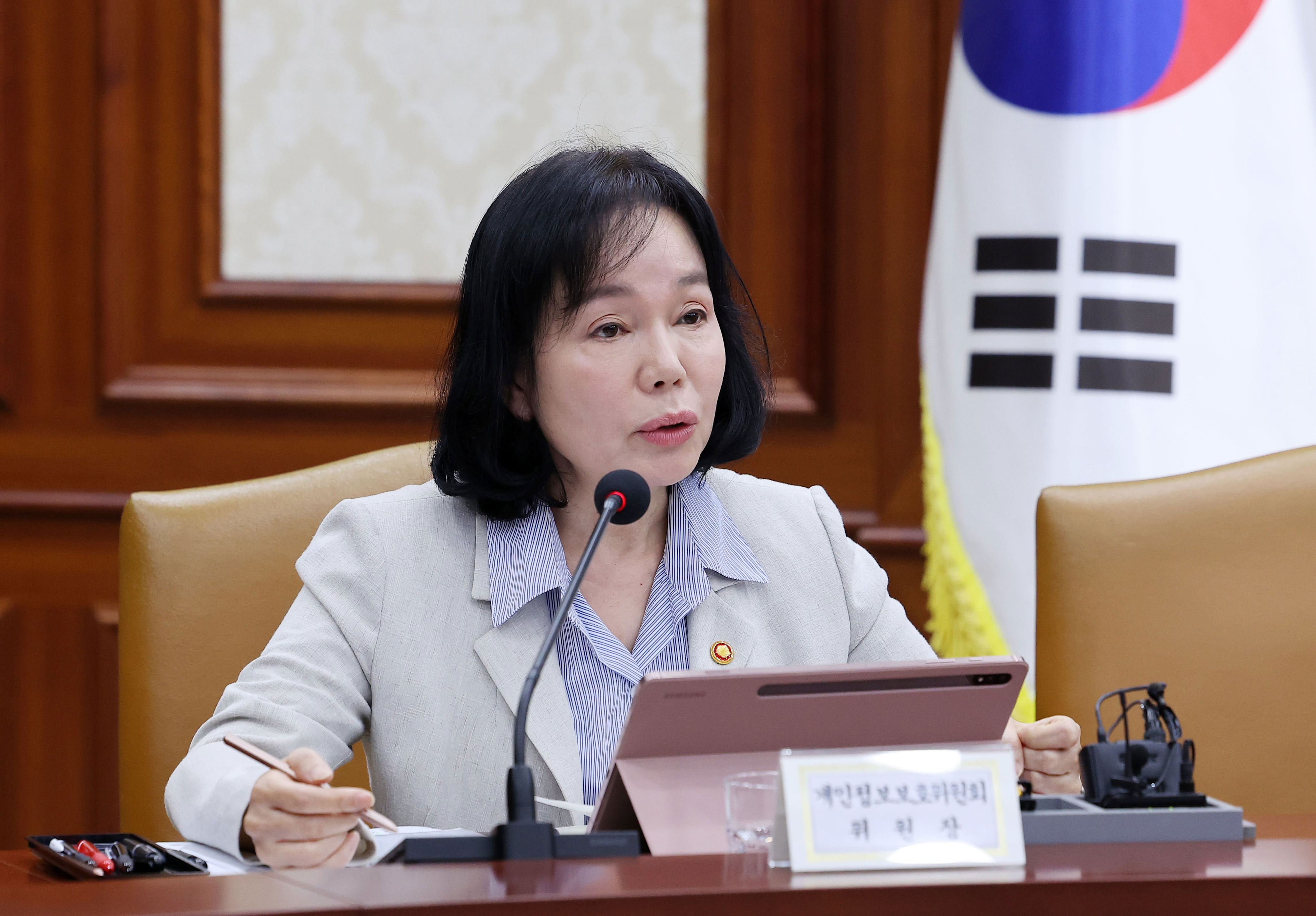
Founded in 2011 and upgraded to an integrated regulatory authority with its own budget and human resources management in 2020, the PIPC has emerged as a formidable force for U.S. technology companies in South Korea, despite its relatively brief existence. In the past, Meta (Facebook) was subjected to heavy penalties for collecting sensitive data without permission and utilizing it for advertising purposes. Following this, numerous companies have engaged legal firms and allocated considerable funds to protect themselves from similar actions. The general perception among U.S. tech companies, including Coupang, is that the PIPC enforces an “unfair” standard specifically against U.S. firms, in contrast to how it handles companies from other nations. This perspective has been consistently communicated to the U.S. government and Congress.
Mulvaney pointed out that a cyber incident at the Chinese e-commerce company Alibaba in October resulted in “over $6 million in losses for Korean companies and involved confidential information,” but there was no regulatory response similar to what Coupang experienced. He also mentioned that Temu and AliExpress, Chinese platforms that were fined $1 million and $1.5 million respectively for transferring Korean users’ data without authorization, received much smaller penalties. Mulvaney stated, “China’s National Intelligence Law requires the disclosure of (Korean users’) data when directed by the CCP,” and noted, “It is important to recognize that Koreans using these services are facing significant risks.”
Concerning the statements made by the PIPC chairman prior to a decision—such as “the information leak is definite” and “the response was very insufficient”—and the reference by Chairman Ju Biung-ghi of the Korea Fair Trade Commission to a potential “business shutdown,” Mulvaney described this as a “political matter, not an issue related to personal information protection,” labeling it as “political suppression” aimed at U.S. companies. A fact sheet released by South Korea and the U.S. in November last year clearly states that U.S. companies operating in Korea are not subjected to “discrimination” under digital laws and policies. Mulvaney remarked, “As long as Seoul utilizes its system as a ‘weapon’ against U.S. companies, the framework of the $350 billion investment agreement with the U.S. cannot move forward in good faith,” and added, “Friends don’t act this way toward friends.”

 jasdooit
Leave a comment