
I became aware of it while planning the coverage route. The fact that all five destinations for this trip to Haenam are linked by water. A sea that includes a lake in its name, a cluster of flowers with a scientific name translating to “water vessel,” a water playground located near dinosaur footprints, a floor fountain beside a lakeshore, and a hotel situated at the passage where the water current is believed to weep. It’s too coincidental to be random, yet too natural to be a deliberate design. Summer in Haenam is entirely composed of water. And its very first wave is about to begin: the opening of Ttangkkeut Songho Beach.
A Sea Like a Lake: Ttangkkeut Songho Beach
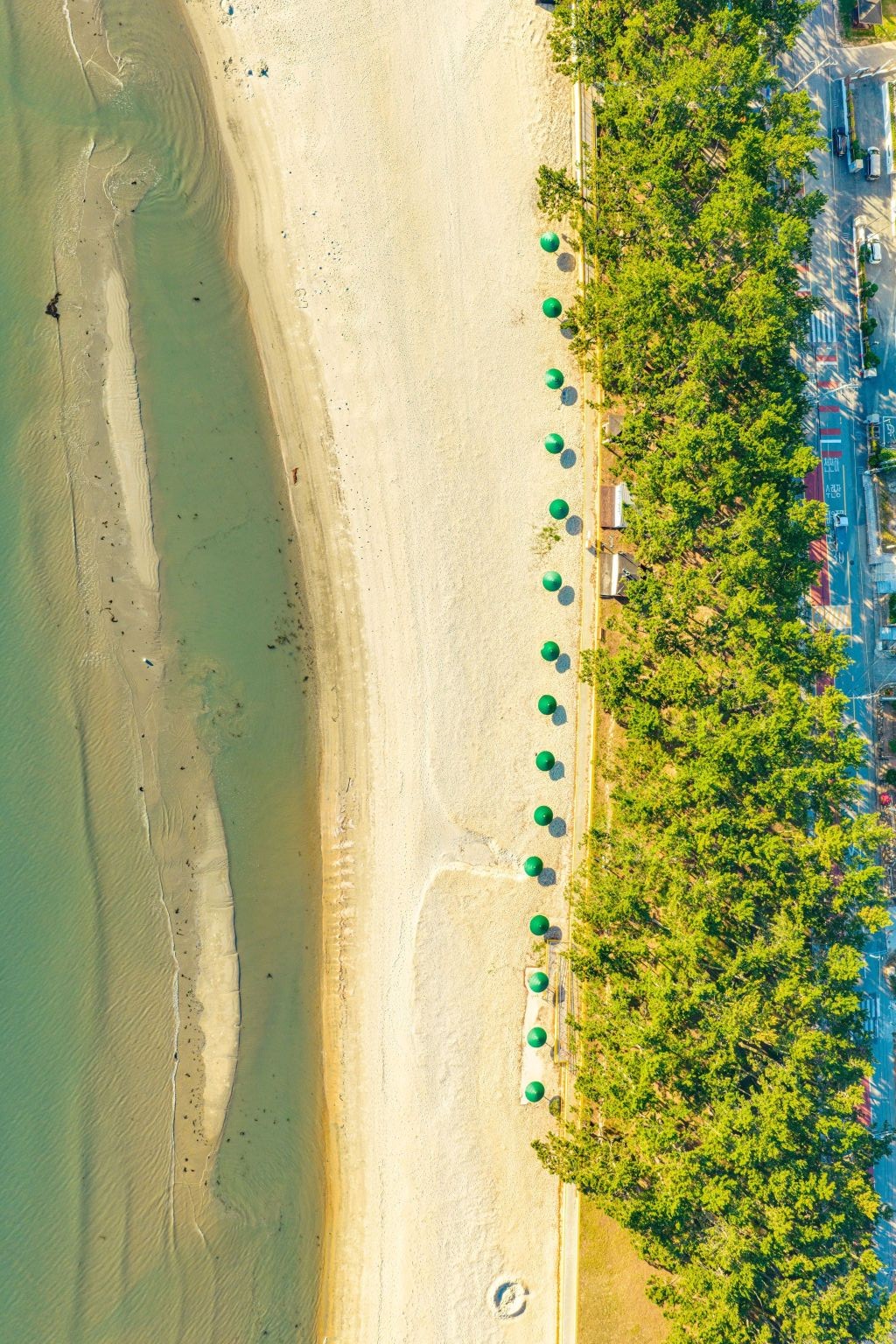
Let us first dissect the name Songho (松湖). “Song” for pine tree and “Ho” for lake. Attaching the name of a lake to a sea is not an exaggeration. The sand on the white beach, which spans approximately 2 km in length and 200 m in width, is fine and soft; the water is clear, and the depth is shallow. True to its name, the waves are as calm as a lake. It is rare to find a sea this suitable for walking into while holding a child’s hand.
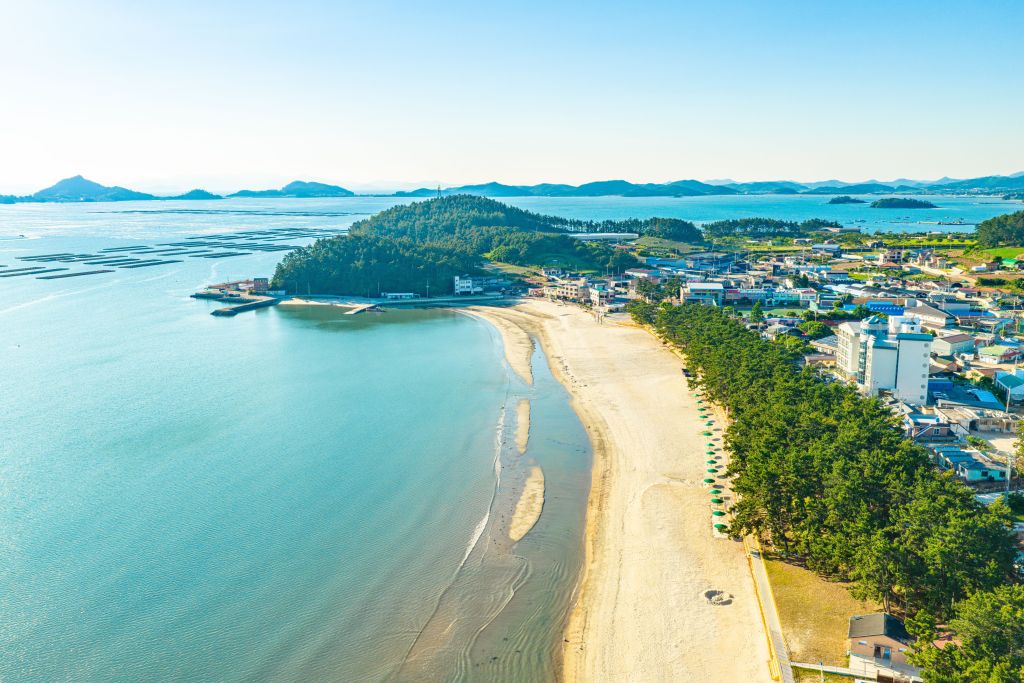
The horizon offers no space for monotony. Seohwado, Yangdo, Eobuldo, and Eoryongdo—both big and small islands appear like specks, enhancing the ocean’s dimension. Keep in mind that this sandy shore is oriented towards the west. As twilight arrives, with the sunset intensifying between the islands, Songho reveals its most dazzling look of the day.
The other half of the name is attributed to the pine trees. A coastal pine forest stands like a folding screen between the road and the white beach. Comprising roughly 600 coastal pine trees that are between 100 and 200 years old, this forest extends for about 1 km along the embankment and has been recognized as a Jeollanam-do Monument. A walking trail runs through the forest, and the Seohaerang-gil section of the Korea Dulle-gil also passes nearby. The shade provided by the pine forest acts as a large umbrella, making it unnecessary to compete for a spot.
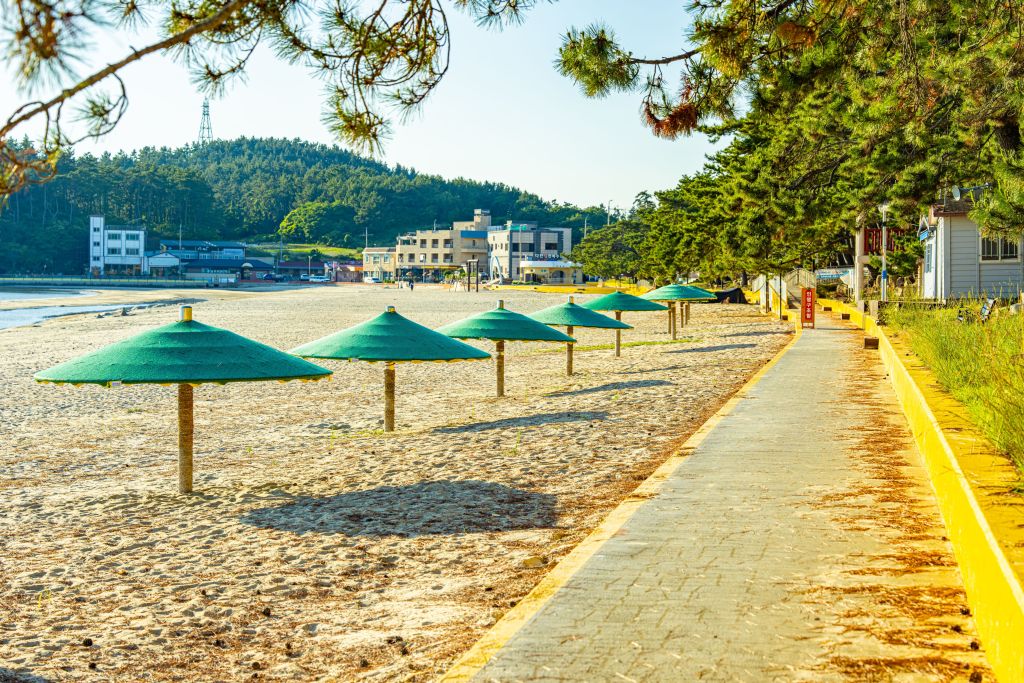
This summer, Songho is set to open in mid-July. One of Songho’s distinctive features is the ease with which you can reach the Ttangkkeut (Edge of the Land) Tower, the southernmost point of the Korean mainland, by passing through Galsan Village from the white beach. Moreover, this peaceful sea carries a profound history. In 2023, an ancient Goryeo-era ship called “Songho-ri Ship No. 1” was found in the waters near Songho. A sea that remained as still as a lake while gently cradling a centuries-old vessel—the serenity of Songho may be far older than we realize.
Address: 1827 Ttangkkeuthaean-ro, Songji-myeon, Haenam-gun, Jeollanam-do
The Instance Where Mountain Ranges Merge With Hydrangeas: 4est Arboretum
Hydrangeas are flowers that reflect the characteristics of the soil. They display blue hues in acidic soil and shift to red in alkaline soil. Indeed, as you stroll through the garden, the colors of the hydrangeas vary slightly by section, indicating that the soil is creating a different visual effect in each area. At the 4est Arboretum in Hyeonsan-myeon, Haenam, where more than 8,000 hydrangea plants spanning 400 varieties form clusters along the mountain slopes, you come across a vast watercolor masterpiece painted by nature itself.
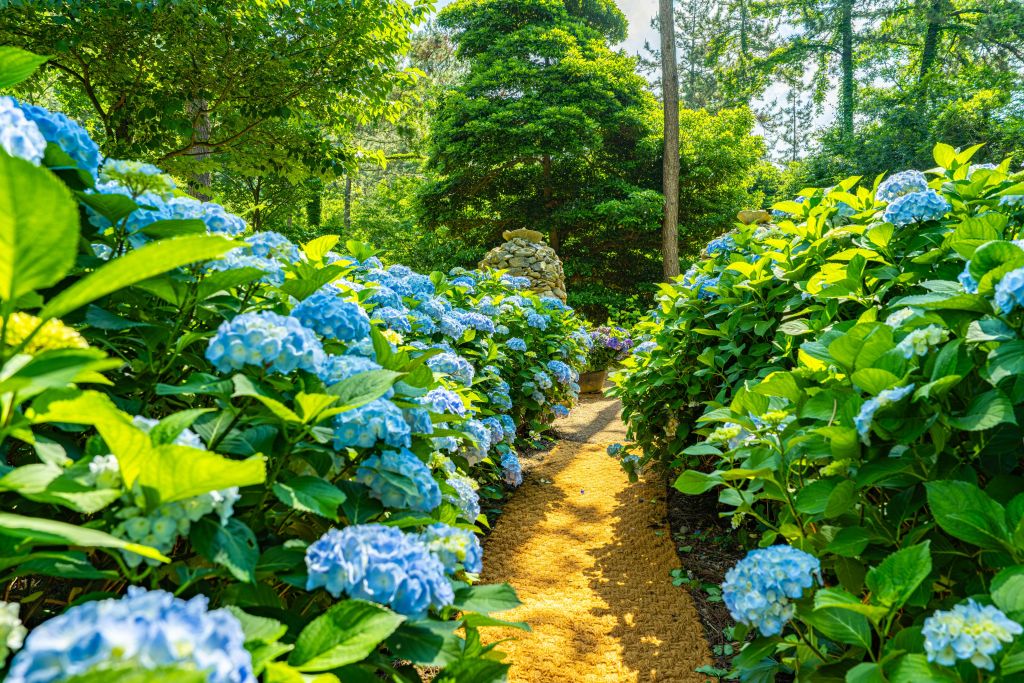
Opened in 2019, 4est Arboretum is Haenam’s first private arboretum. It covers a 60,000-pyeong area where approximately 1,400 plant species are cultivated. It functions as a forest life resource management institution recognized by the Korea Forest Service and a national rare and endemic plant conservation institution acknowledged by the Korea National Arboretum. However, what truly captures attention more than these official designations is the beautiful scenery along the walking trails. Endless hydrangeas line the paths, creating the feeling of entering a fairy-tale garden during your stroll. The “Hydrangea Railway,” featuring fake tracks laid out among the hydrangea-filled pathways, is the highlight photo spot here. Although no trains operate, anyone standing on the tracks becomes a work of art.
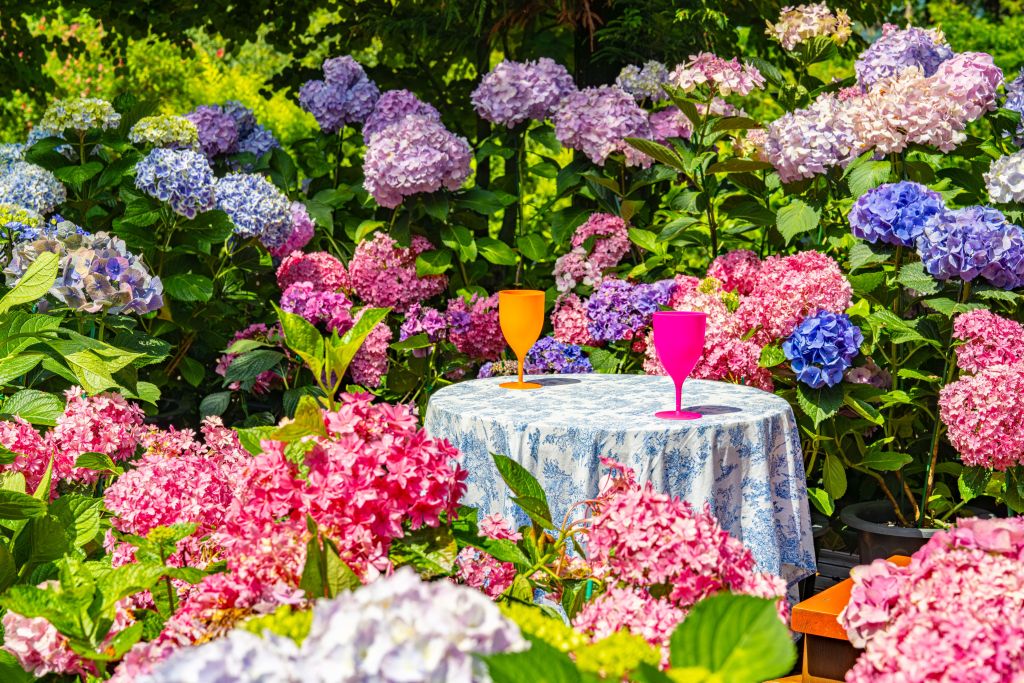
The scientific name for hydrangea, Hydrangea, is derived from the Greek term meaning “water vessel.” True to its name, this flower thrives during the monsoon season when it absorbs ample water. The peak blooming period runs from late June to early July. The “Ttangkkeut Haenam Hydrangea Festival,” which began on June 12, will be held until July 6. Even after the festival concludes, there’s no reason to be upset. Late-blooming hydrangea varieties keep the mountain slopes vibrant until mid-July.
Location: 232-118 Bongdong-gil, Hyeonsan-myeon, Haenam-gun, Jeollanam-do
Hours: 08:00–19:00 daily
Entry: 7,000 KRW for adults
Water Splashing Near Dinosaur Tracks: Haenam Dinosaur Museum
During the Cretaceous Period, part of the Mesozoic Era, Uhang-ri in Haenam was a shallow lake shoreline. Dinosaurs, pterosaurs, and birds roamed the same coastal area. It is the first location globally where footprints from all three groups were discovered together within the same rock layer. This is why the Uhang-ri fossil site was recognized as a Natural Monument and included on the UNESCO World Heritage Tentative List. The Haenam Dinosaur Museum, constructed over the site in 2007, has now become the largest dinosaur museum in the country, drawing 200,000 visitors each year.
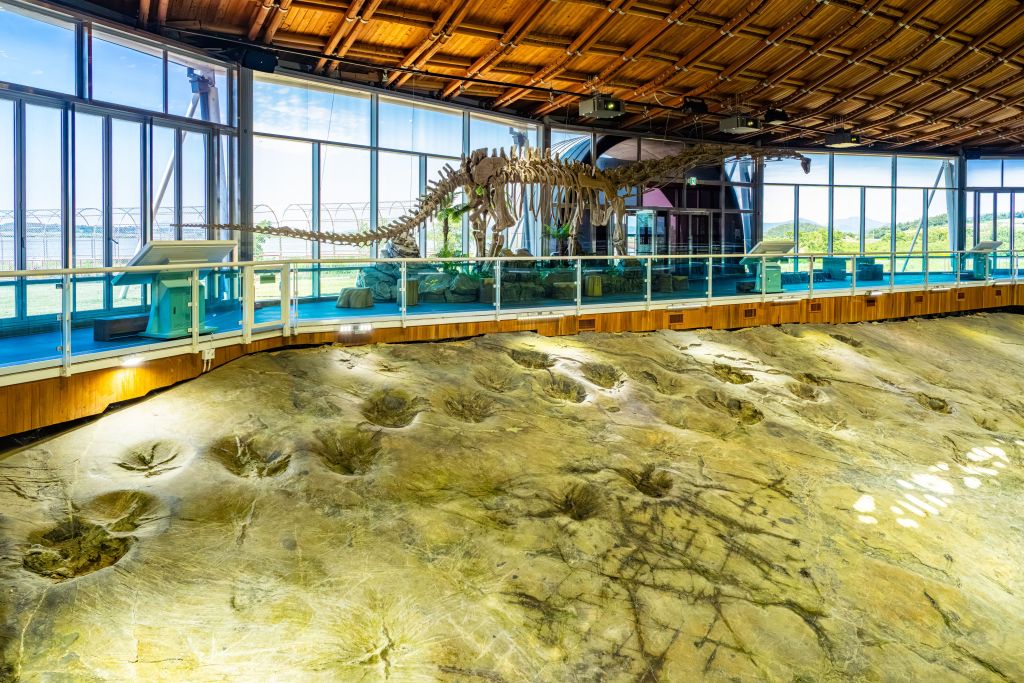
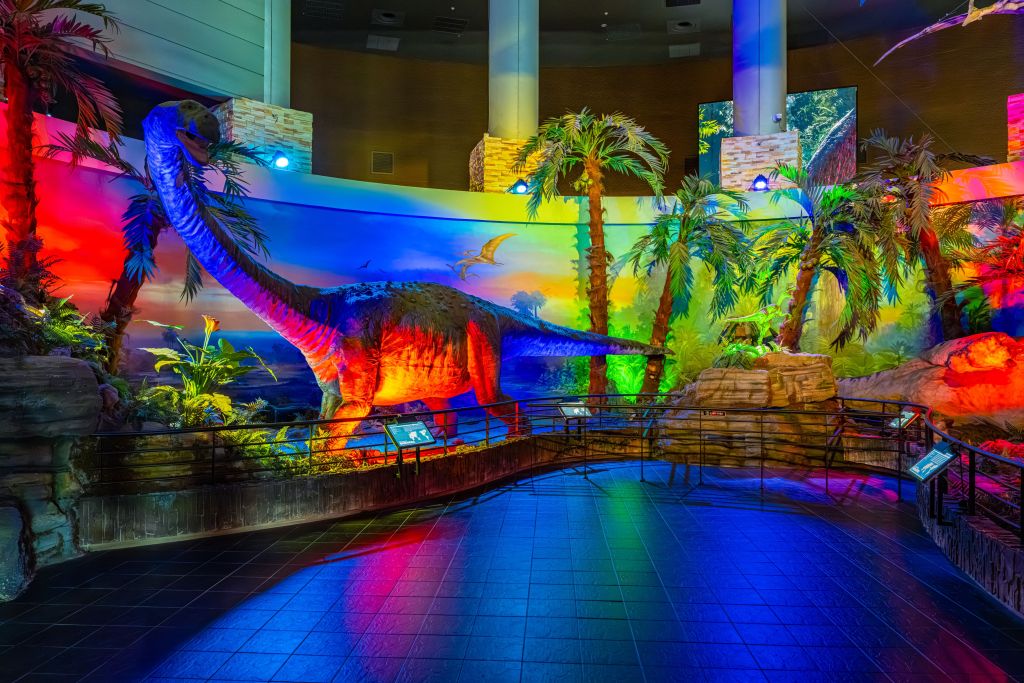
The highlight of the exhibition is the Allosaurus. Visitors can view the first real fossil in Asia and the sole authentic one in South Korea right in front of them. The expression of the visitors changes immediately when they realize it is an actual skeleton, not a model. The same applies to the protective shelters built to preserve and cover the footprints. Standing before the numerous footprint fossils, one can finally understand that large dinosaurs once roamed these vast areas. Moving dinosaur sculptures and interactive play areas are located at the outdoor Dinosaur Park, while children’s interactive facilities are available inside. For a child who is passionate about dinosaurs, this is a place where they can spend an entire day without realizing how quickly time passes.
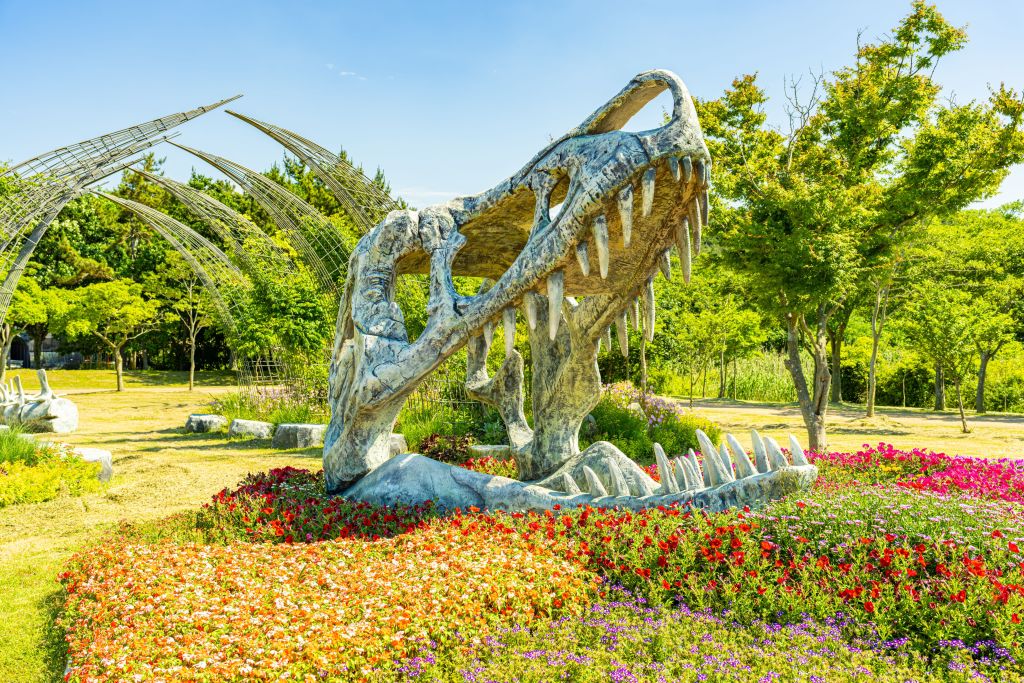
And the Dinosaur Museum has a secret summer attraction: the Dinosaur Water Playground situated in front of the main building. Featuring two kinds of water slides, an extensive water play area, and a floor fountain, its size is substantial enough to be considered a small water park. It is specifically designed for children between the ages of 3 and 13 and is free for those with museum admission tickets. It has been open since early July each year and remains operational throughout the summer season, with plans to open again this summer. Swimwear, water shoes, and swim caps are required; Crocs and sandals are not allowed, so remember to bring them along in your car ahead of time.
Location: 234 Gongnyongbangmulgwan-gil, Hwangsan-myeon, Haenam-gun, Jeollanam-do
Operating hours: Tuesday through Sunday from 09:00 to 18:00, closed every Monday
Admission Fees: 5,000 KRW for Adults, 4,000 KRW for Youth, 3,000 KRW for Children
(※ Paid visitors will get a 50% refund of their entrance fee in Haenam Love Gift Certificates, depending on the total payment made; refunds less than 1,000 KRW will not be provided).
Summer at the Lake: Left Behind by Migratory Birds – Gocheonam Natural Ecology Park
Indeed, Gocheonam is more renowned in autumn and winter. This is because of Gocheonam Lake, which has a perimeter of 14 km, and the country’s largest reed area covering 500,000 pyeong. It is a well-known sanctuary for migratory birds, where groups of Baikal teals arrive in winter, creating a synchronized aerial display in the sky. That is also why birdwatchers from across the country come here with cameras hanging from their shoulders. However, it is less known that this winter destination takes on a completely different look during the summer. It is also intriguing to note that the films Sopyonje and Memories of Murder used this reed field as their setting.
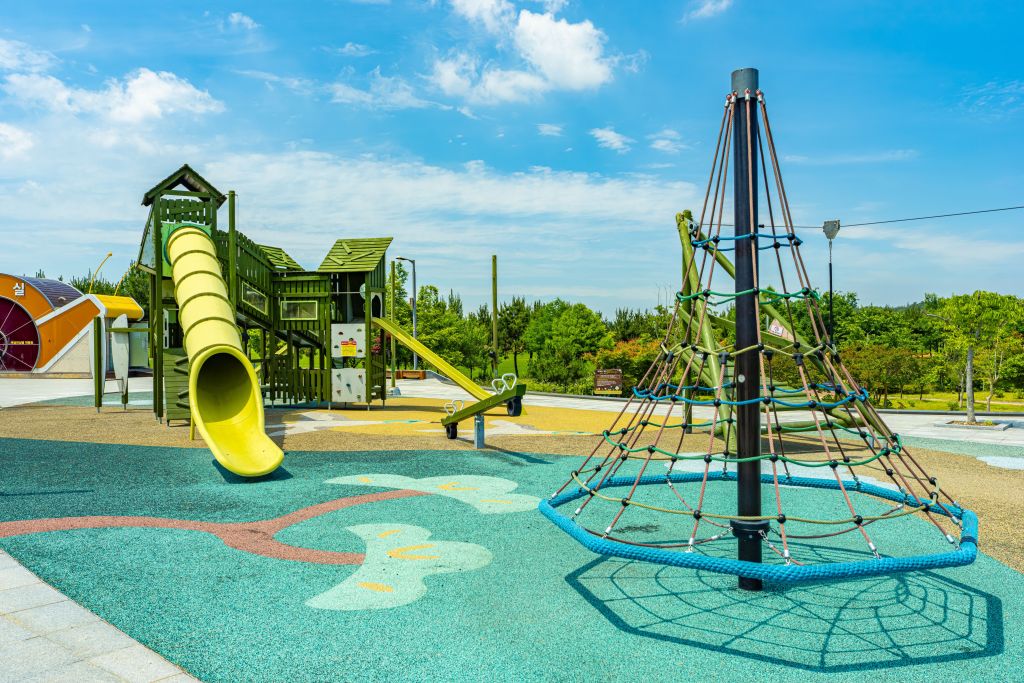
A natural ecological park has been established around Gocheonam. During the summer, water jets in the central courtyard plaza spray high columns of water, with children splashing through them. Water-based play equipment and an eco-friendly playground are located just beside the fountain, offering a wide range of fun activities. Adults also have their own area: a foot bath facility. Designed with an aquarium-themed center, it allows visitors to soak their feet while watching fish swim calmly below. As the summer heat fades from your feet, your eyes can also relax.
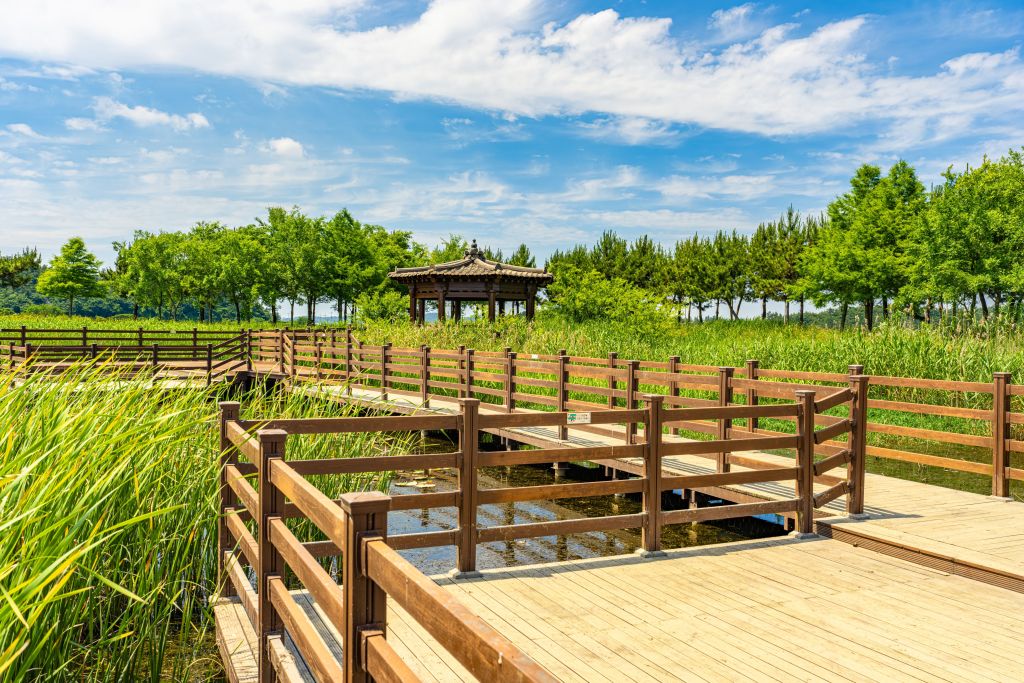
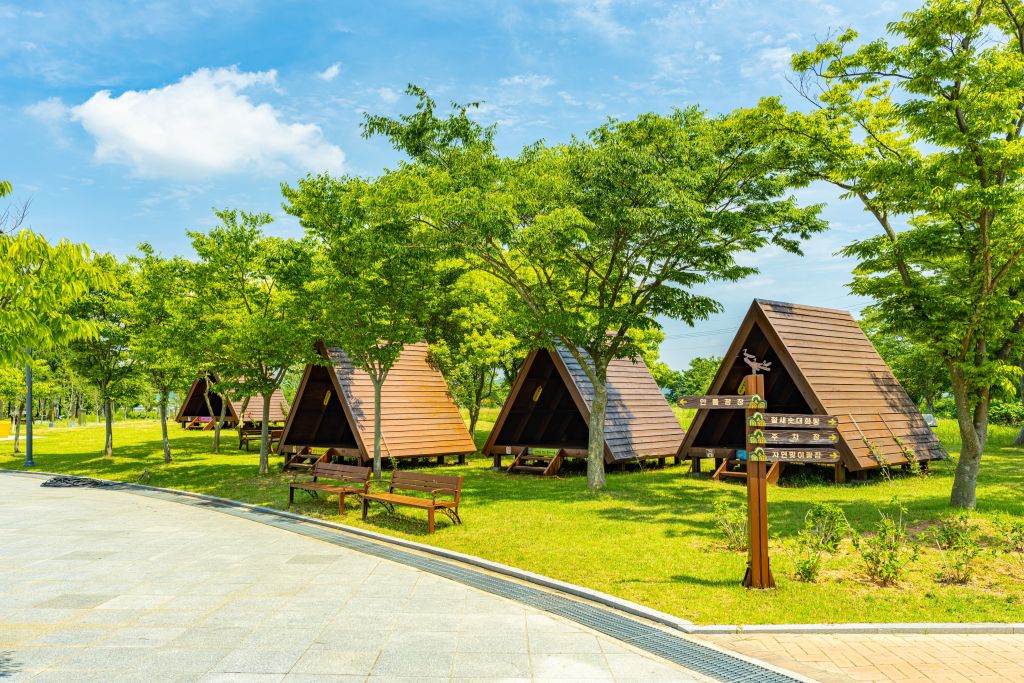
Water play isn’t the only attraction. The lotus wetland in early summer is just starting to bloom. Its peak season arrives in July. As you walk along the reed exploration trails—green now instead of the golden colors of winter—and pass by the Sotdae (sacred poles) Gallery, the wetland center, and the Birdsong Forest, a migratory bird observatory comes into view at the end of the path. Standing in the currently empty observatory, one imagines the sky six months later. Only those who have visited during the summer can look forward to the winter.
Location: 752-14 Gocheonam-ro, Hwangsan-myeon, Haenam-gun, Jeollanam-do
Concluding the Day at the Weeping Sea: Hotel Uldolsori
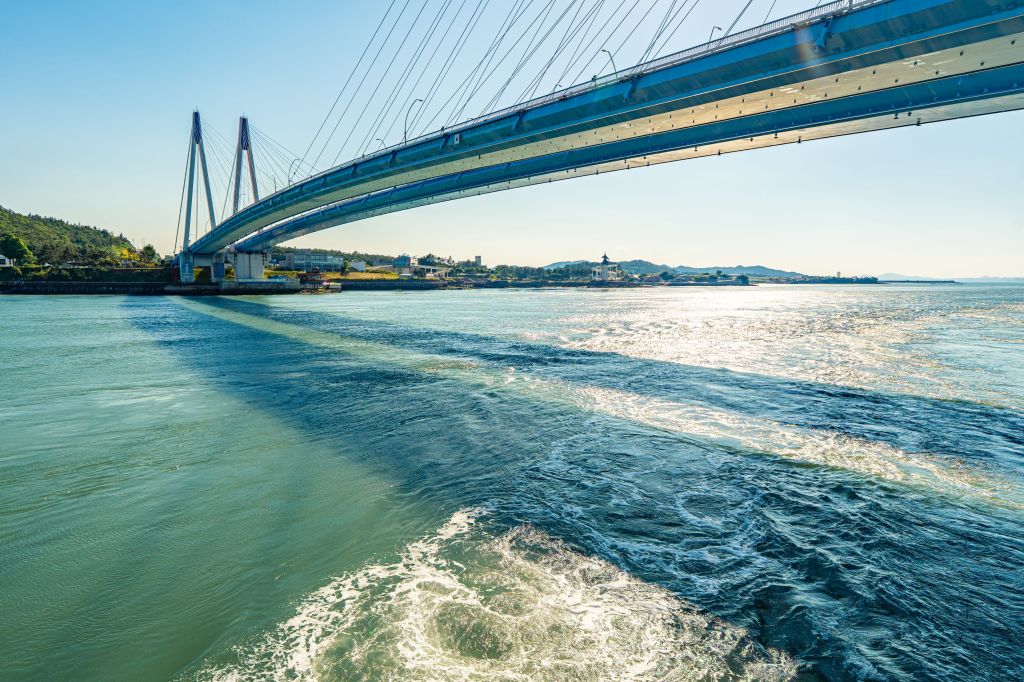
Uldolmok Strait is a sea of sound. It is named “Uldol” (crying rock) because the ferocious water currents slam against the reefs and make a crying sound. This is the exact strait where Admiral Yi Sun-sin achieved the Great Victory of Myeongnyang in 1597, and the Chinese characters for Myeongnyang (鳴梁) likewise mean “crying water passage.” Right beside that sea, a hotel carrying the same name opened last October: Hotel Uldolsori.
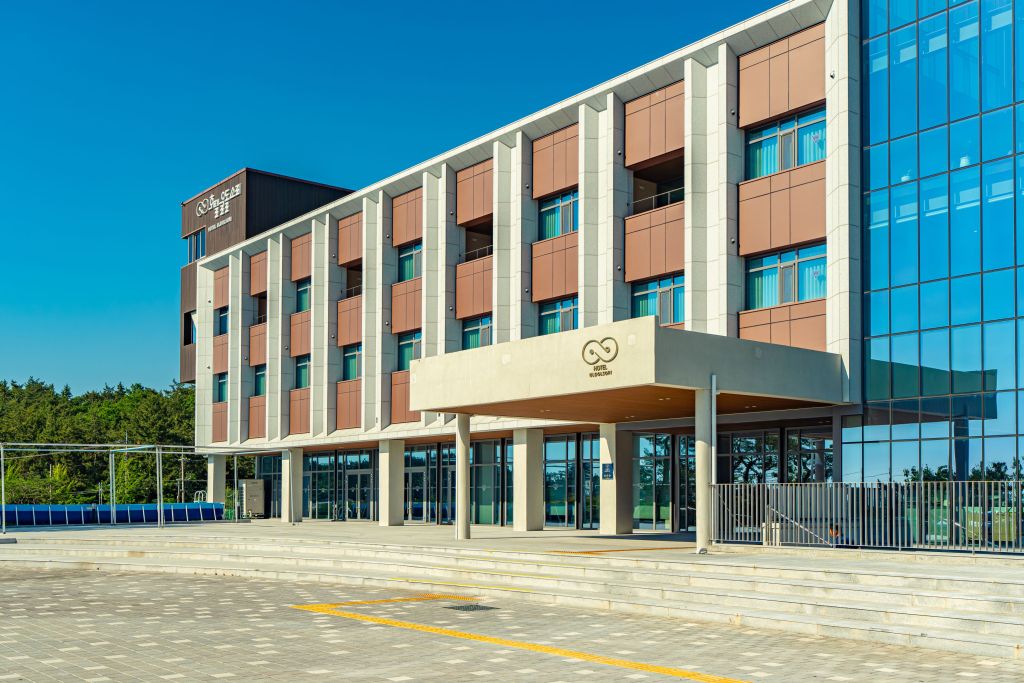
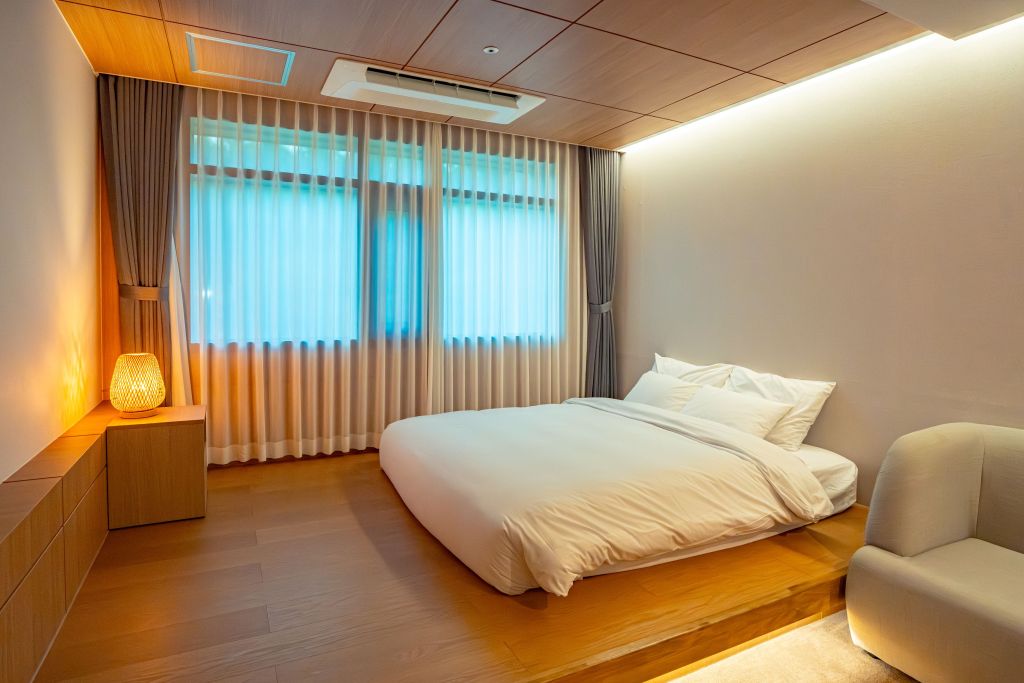
The origin of Uldolsori was the Usuyeong Youth Hostel. It underwent a transformation through renovation after being chosen for the region-specific eco-friendly accommodation initiative by the Ministry of Culture, Sports and Tourism. Despite having 32 rooms, it has a compact size but delivers strong performance. According to Haenam-gun, within four months of its opening, the occupancy rate exceeded the 70% mark, which is typically considered the break-even point in the industry. It has also been recognized as a location for Jeollanam-do’s “Blue Workation,” making it common to see guests working here with their laptops open.
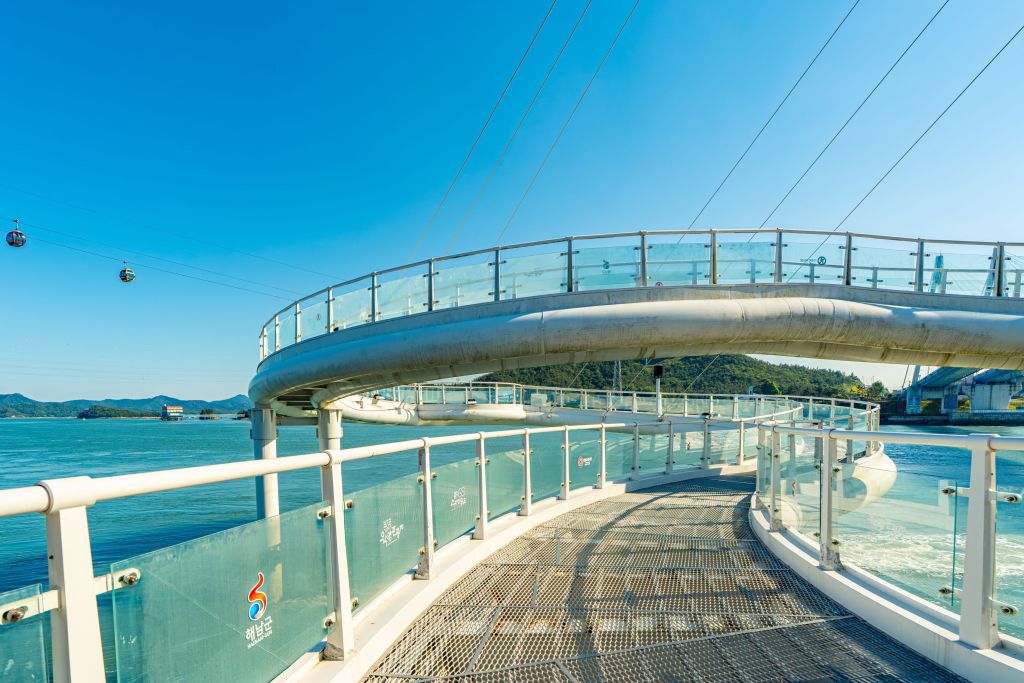
The standout feature of this hotel is its rooftop. Ascending to the top floor offers a panoramic view of Uldolmok all at once, and during sunset, the entire sea turns into a canvas of vibrant colors. For a closer look at the water currents, visit the Uldolmok Skywalk located at the Usuyeong Tourist Area right in front of the hotel. As you stand on the skywalk, the swirling currents flow directly beneath your feet. When you glance down at the water, it becomes clear why Admiral Yi Sun-sin’s strategy was so effective in this particular waterway. Nearby, you’ll also find the Myeongnyang Battle History Memorial Hall and the Uldolmok Marine Cable Car, giving you the freedom to explore wherever your journey takes you.
Location: 12-36 Gwangwanglejeo-ro, Munnae-myeon, Haenam-gun, Jeollanam-do (Within Usuyeong Tourist Area)
▶Editor’s Note: The Reason to Visit Ttangkkeut This Summer
Ttangkkeut (the edge of the land) is not the end. At least, this is true for summer. A sea that looks like a lake, flowers that bloom while holding water, footprints imprinted on a Cretaceous lakeshore, a lake that remains after migratory birds have passed through, and ultimately, a weeping sea. Five streams of water are getting ready for their own summers in Haenam. If your plans for this summer are still open, the answer has already been decided: go all the way down to Ttangkkeut.
Written and photographed by: Kim Jeong-heum





Leave a Reply