
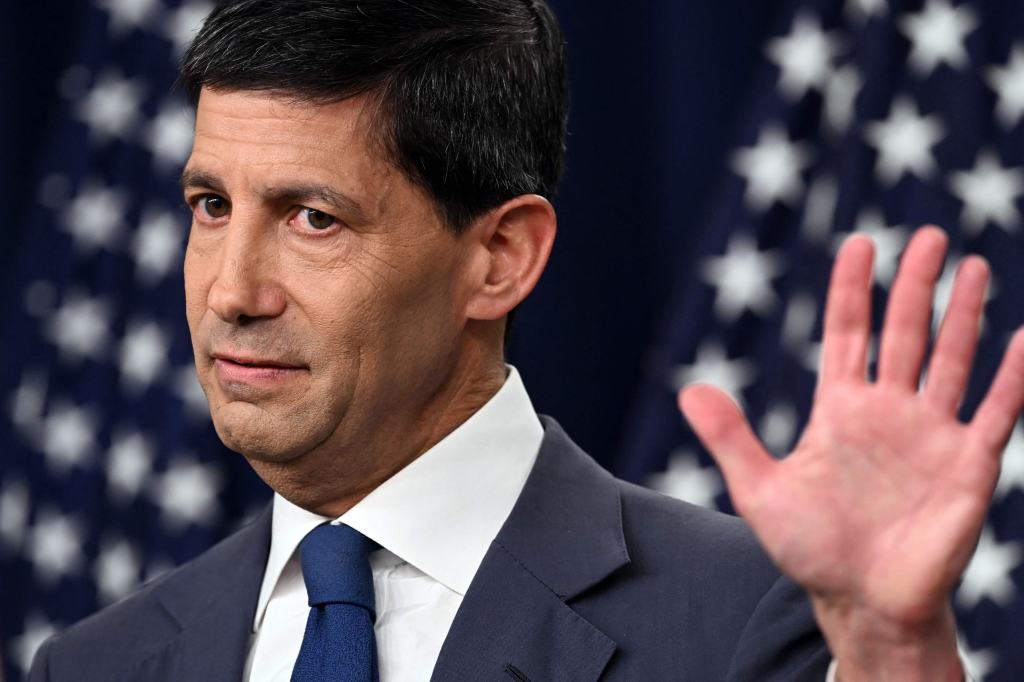
Market players are now focusing on observing the ‘ball’ instead of the ‘umpire.’ In the future, the Fed will avoid getting involved in market fluctuations.
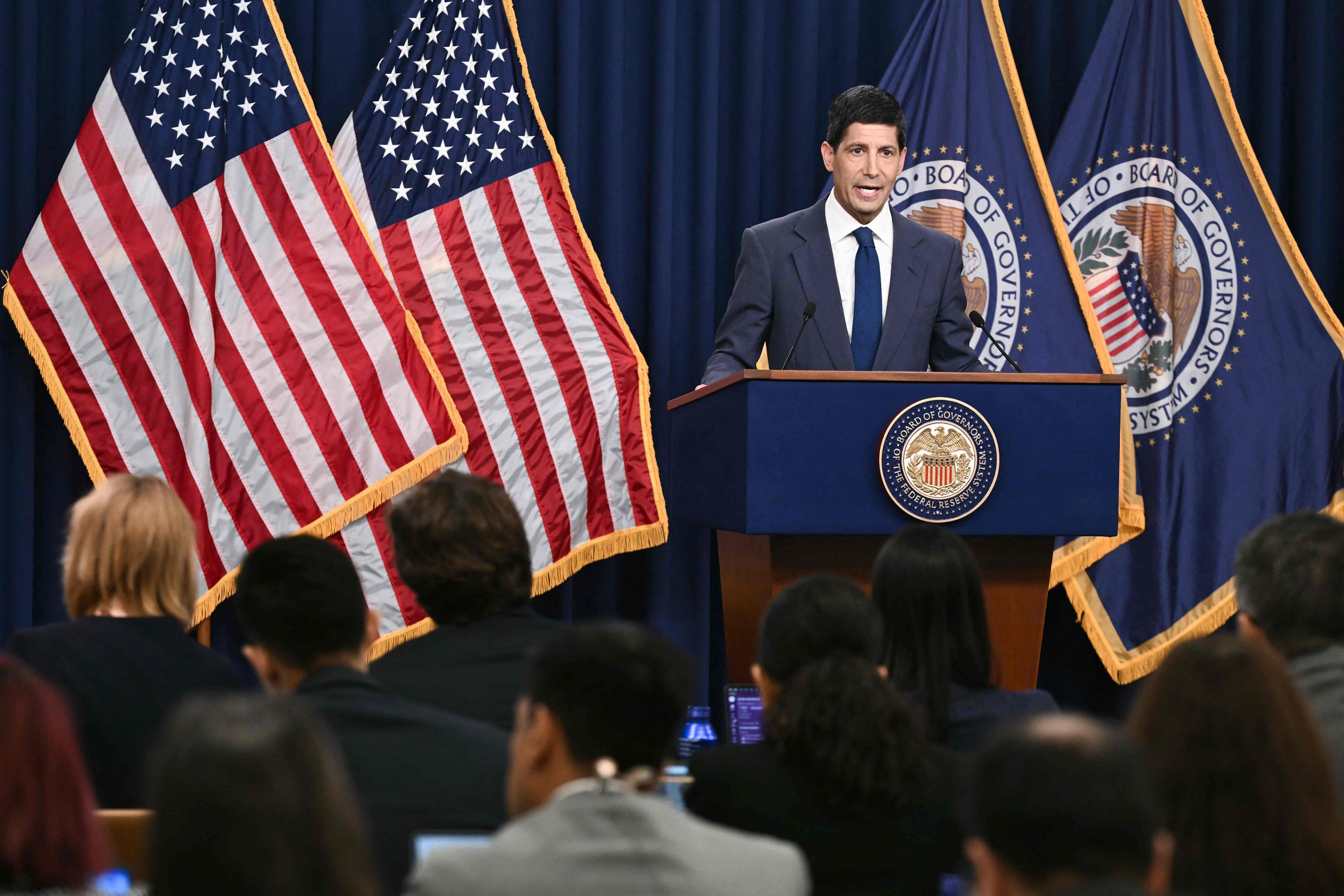
Kevin Warsh, head of the U.S. Federal Reserve, reaffirmed his position of not functioning as a market “umpire” during his second chairing of the meeting on benchmark interest rates. He repeatedly stated that the market should not anticipate “forward guidance”—clear signals about future monetary policy from the Fed. Forward guidance is a communication approach in which central bankers outline future policy directions through their statements and comments. It has been employed by major central banks, including the Bank of Korea, since the 2008 financial crisis to minimize market uncertainty.
The Federal Open Market Committee (FOMC) meeting held on July 28–29 maintained the benchmark interest rate at 3.5–3.75% for the fifth straight time, producing a policy statement of 169 words. This was longer than the 132-word statement from the prior month’s gathering, which received full agreement from all 12 FOMC participants, as it included a minority view supporting a 0.25 percentage point increase. Nevertheless, this was less than half the length of statements during former Chair Jerome Powell’s tenure. Powell’s last statement on April 29, before leaving his position, contained 345 words.
Warsh, who has always maintained that “the Fed should not get involved in every issue or express opinions,” has developed his distinct approach over two meetings. During his opening comments at the press conference, he said, “The statement includes only factual details, not predictions.” JP Morgan observed, “The unchanged statement came as a surprise, and there was no clear explanation regarding achieving price stability. Markets should not expect alterations in future statements.”
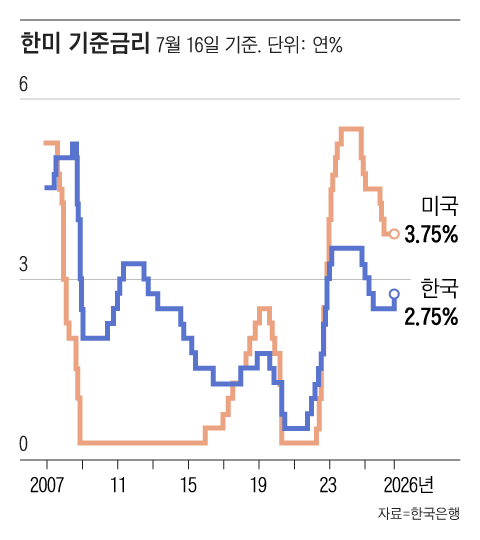
The Federal Reserve’s rate decision statement contained nine sentences. It was one sentence longer than the version from the previous meeting, which included the addition: “The dissenting members who disagreed with this monetary policy were Beth Hammack, Neel Kashkari, and Lorie Logan, who felt a 0.25 percentage point increase was suitable.” The remaining content, such as “inflation is still above the 2% target” and “the Committee will attain price stability,” remained mostly the same. Warsh’s statement was the briefest since Alan Greenspan’s time in office (1987–2006).
Warsh devoted a large part of the press conference to discussing the Fed’s approach of not acting as a market “shaker.” He stated, “Since the last meeting, the Fed has not made any policy decisions, yet markets responded instantly to economic developments, resulting in tighter financial conditions as rates increased substantially. The decrease in forward guidance could have caused this market reaction.” This suggests that by not providing clear directions, markets quickly processed different indicators, leading to a “self-tightening” effect. He mentioned factors influencing market rates, such as higher capital investment driven by AI companies, strong productivity, and a solid labor market.
Warsh stated, “Both nominal and real interest rates are increasing. Over the past 42 days since the last meeting, the Fed has taken minimal action, but the markets have made significant progress.” The recent increase in 10-year U.S. Treasury yields—surpassing 4.7% annually for the first time since October 2023—demonstrates this trend. Warsh indicated that the Fed is now assessing whether market-driven rate increases are adequate, instead of actively managing bond yields.
He stated that if markets operate properly, the Fed does not need to be as active as it was previously. “After 2008, central banks tried to calm the markets, but these actions occasionally had negative effects, restricting the Fed’s choices. This method is no longer appropriate in today’s unpredictable situation,” he said. He further noted, “Markets, participants, and the media have become used to the Fed providing information and plans in a controlled manner, but this needs to change.”
Warsh’s most evident position centered around maintaining price stability, which is the Fed’s main objective. As U.S. inflation has surpassed the 2% goal for five consecutive years, financial markets have wondered if the Fed might adjust its standards. Warsh strongly dismissed this idea: “Not at all. A ‘flexible target’ isn’t being considered. The inflation goal remains exclusively at 2%.”
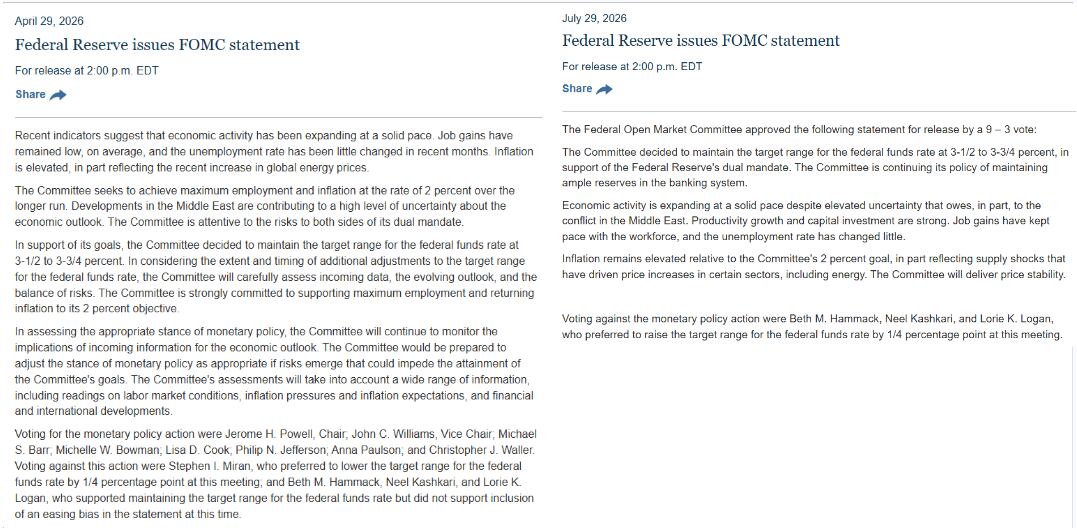
At the last meeting, Warsh left out his “dot” from the dot plot—representing FOMC members’ interest rate forecasts—to indicate less forward guidance. Although the dot plot wasn’t released this time, he stated, “It was reassuring that markets didn’t depend on it,” and added that he would not share his projections going forward.
A term that Warsh frequently mentioned during the press conference was “family fight.” It was brought up four times during a 45-minute session, and it describes intense discussions among FOMC members. Warsh, who has previously used this idea in various forums and congressional speeches, stated, “We addressed important issues without avoiding them. It was a real ‘family fight’ with thorough exchange of opinions.” He further noted, “In the last two meetings, I felt that experts with different viewpoints were willing to get involved and have strong discussions. This willingness to deal with major issues will assist in carrying out the responsibility given by Congress.”
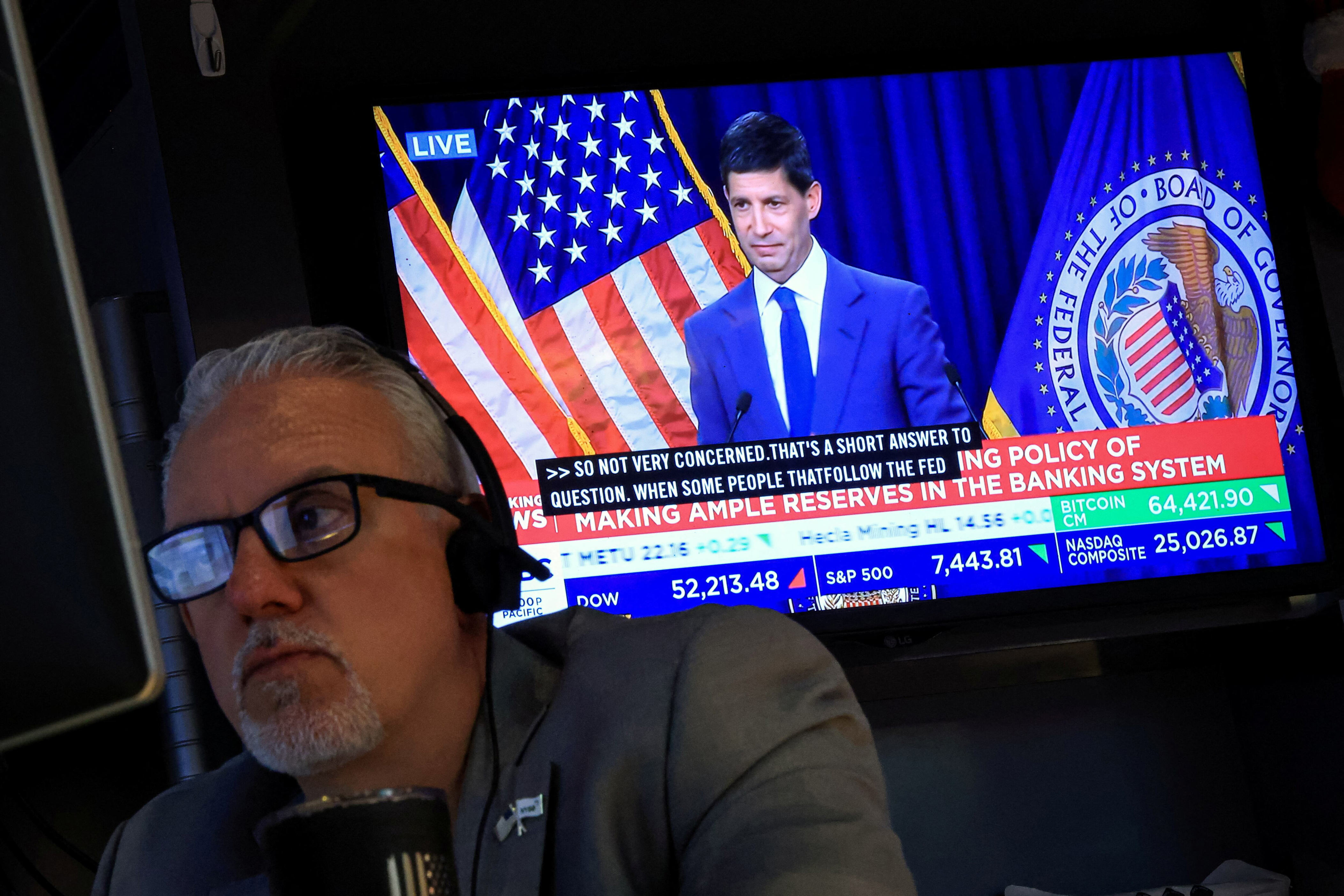
Warsh revealed the four “major questions” that were discussed:
1. What effect did the last five years of high inflation have? Is the past truly behind us?
2. In what ways have events such as the pandemic, military conflicts, energy supply issues, tariff increases, and AI-related supply chain challenges influenced manufacturing and job opportunities?
3. Will the increase in funding for AI-related ventures, which has led to higher prices for associated goods, contribute to general inflation—or is it simply receiving more attention because of its visibility?
4. Which monetary policy instruments are suitable for maintaining price stability? If interest rates are the Fed’s main tool, what outcomes result from reducing the balance sheet?
Warsh mentioned, “We had thorough conversations about these challenging issues, where there were both shared and differing viewpoints. I would characterize this FOMC meeting as a time of ‘watchful thinking’ instead of just ‘watchful waiting.’”
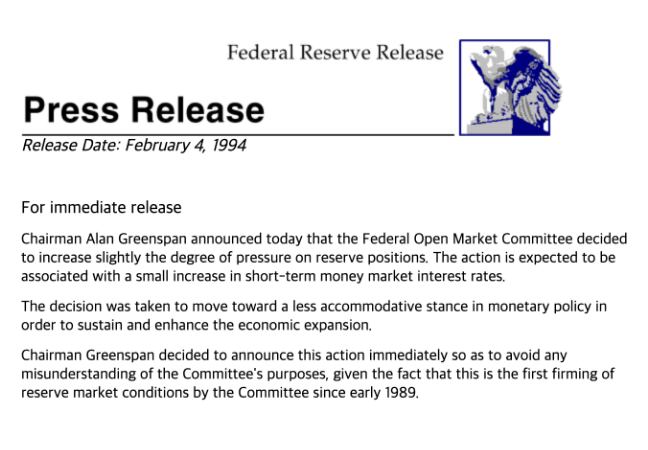
Warsh frequently referenced Greenspan, who died last month, as an example to follow. His brief remarks and press conferences reflect Greenspan’s approach. During the initial six and a half years of Greenspan’s time in office, the Federal Reserve did not publish rate decision statements. The four-sentence press statement released in February 1994, which marked the first rate increase in five years, is seen as the starting point for these kinds of announcements.
Although Greenspan maintained concise statements (typically around 200 words), statements following the 2008 financial crisis and the pandemic became more extended. Ben Bernanke’s and Janet Yellen’s statements averaged approximately 600 and 800 words, respectively, while Powell’s averaged about 400 words. Warsh’s straightforward style differs from Powell’s habit of influencing market movements through contradictory comments during press briefings.
Nevertheless, Warsh’s comments centered on the market were seen as “inaction regarding inflation,” leading to an increase in long-term bond yields. Long-term bonds, which have fixed interest payments that decrease in value when inflation reduces buying power, experienced the 30-year U.S. Treasury yield rising 0.11 percentage points to 5.20%—the highest level in 19 years.
The Federal Reserve’s change is affecting other central banks. Following an increase of 0.25 percentage points last month, European Central Bank (ECB) President Christine Lagarde said, “There is no fixed rate trajectory; decisions will be taken on a meeting-by-meeting basis.” She emphasized this again at the ECB forum on June 29. Bank of England Governor Andrew Bailey noted, “When markets view forward guidance as a central bank’s solid commitment, the bank finds itself in a difficult position.”
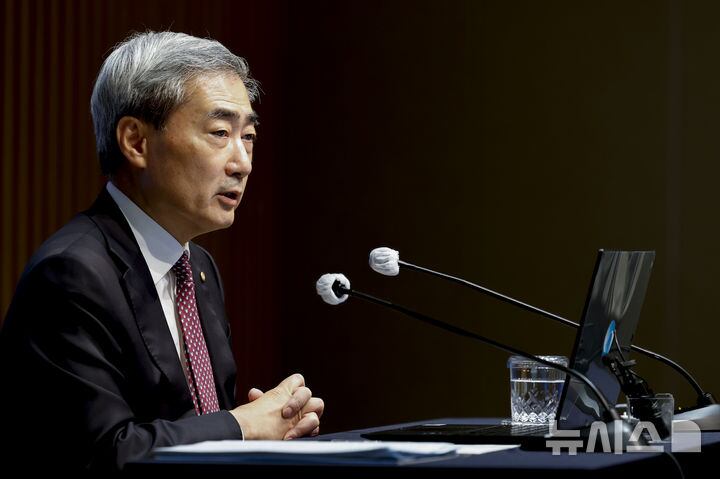
South Korea’s central bank governor, Shin Hyun-song, who assumed his role in April, has prioritized “data-based decision-making” while offering more transparent guidance on interest rate movements. In May, he signaled an upcoming increase, which was implemented in July. The Bank of Korea introduced a dot plot in February during the tenure of former governor Rhee Chang-yong, releasing officials’ projections for interest rates on a quarterly basis. In contrast to the Fed, each member submits three dots, resulting in a wider range of possible interpretations.


 jasdooit
Leave a comment