
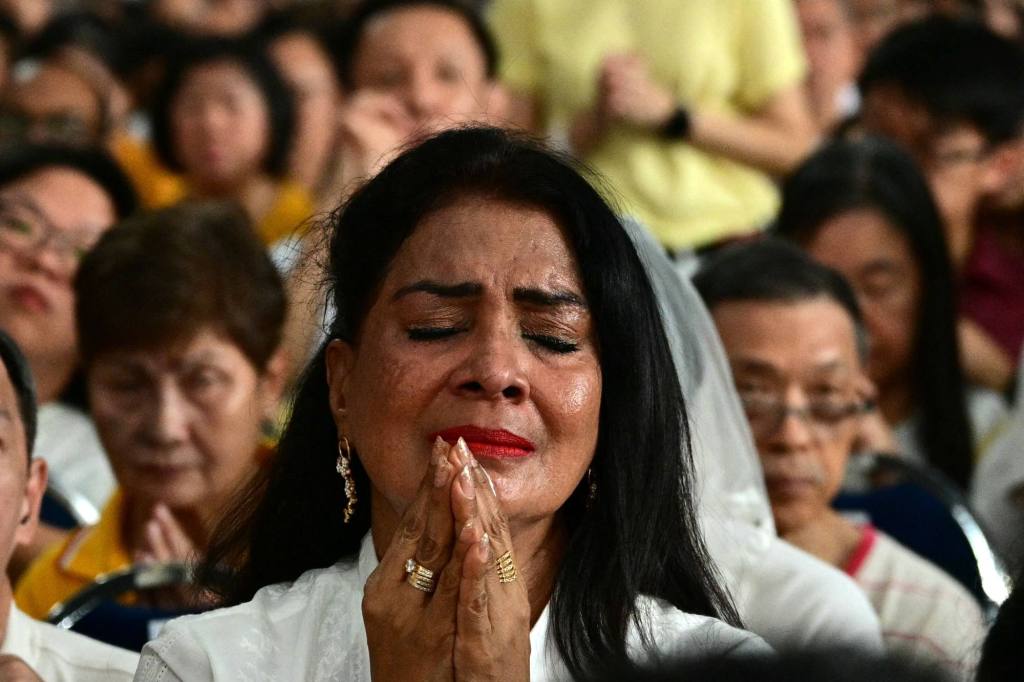
Formal religious membership has been declining in the city-state, yet surveys indicate that faith in a higher power remains strong.
When she was a teenager, Ashley Wong often spent Sundays in church, hoping for a sensation that never fully arrived.
Relatives and companions mentioned discovering comfort and relief through Christianity in difficult moments, yet prayer did not provide her with similar healing.
A sense of distance that I couldn’t figure out,” said the 26-year-old marketing professional, who considers themselves a free thinker. “I feel like it might not have been right for me.
Are you curious about the major issues and developments happening globally? Find the answers withSCMP Knowledge, our latest platform offering carefully selected content including explainers, FAQs, analyses, and infographics, presented by our acclaimed team.
Attending church “felt more like a duty than anything else,” Wong mentioned. “I’ve never really felt a connection to any religion… but I remain open to it, should that sensation ever arise.”
An increasing number of people state they have no official religionSingaporea nation shaped from the beginning by its religious and ethnic variety.
New official statistics reveal that the percentage of individuals aged 15 and older who state they have a religious background decreased from 83% in 2010 to 76.1% in the previous year—a drop that experts link to evolving cultural trends within one of Asia’s most diverse communities.
A survey conducted among over 27,000 households in Singapore, published by the Department of Statistics on June 30, revealed a decreasing percentage of participants who associate themselves with Buddhism, Christianity, Taoism, and Islam.
Only Hinduism went against the trend, increasing from 5 to 5.4 percent during the previous five-year period.
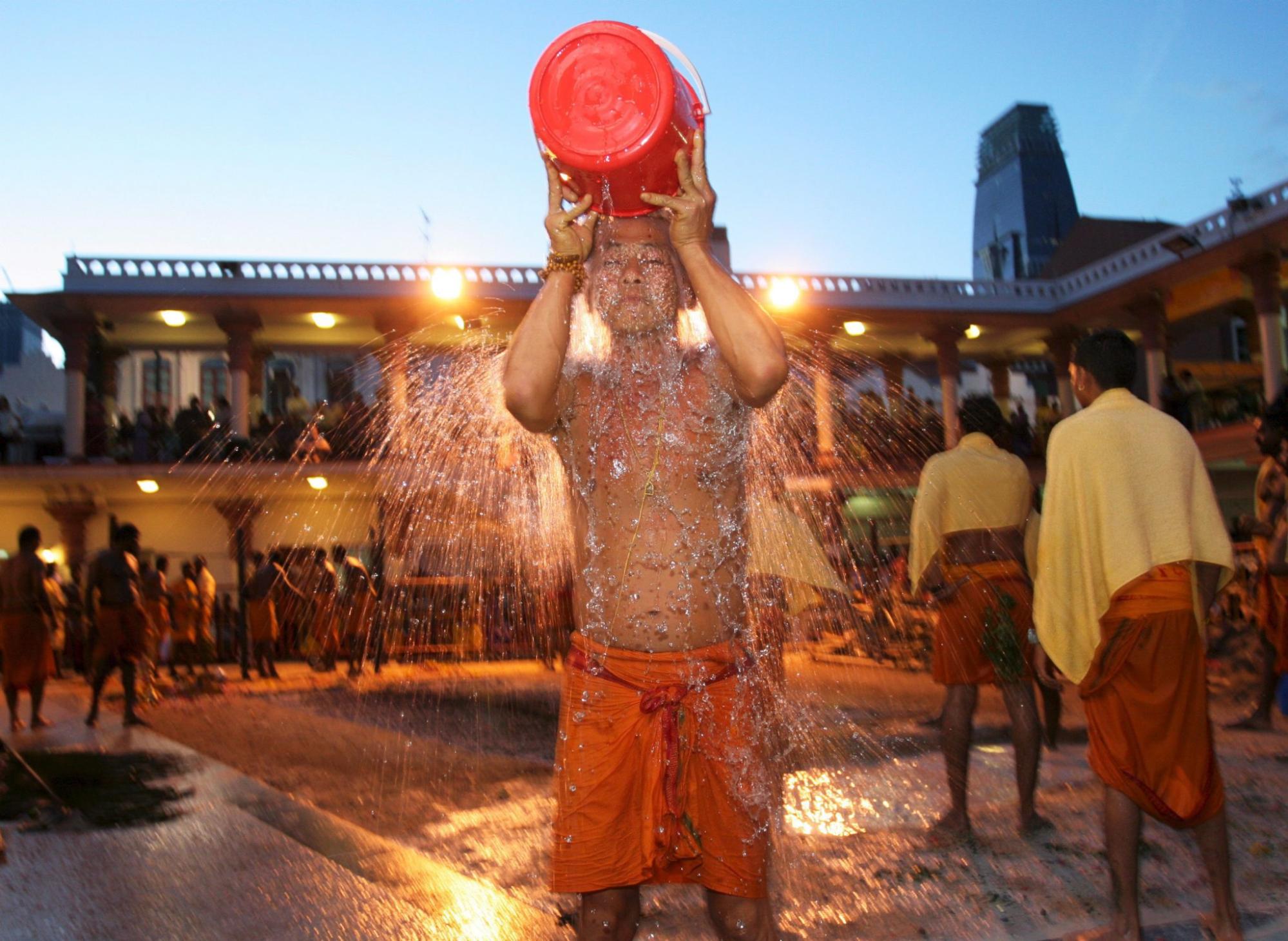
Secularization – generally understood as the reduction in the societal importance of religious customs and convictions – has taken place in other densely populated Asian communities likeJapan and South Korea, said Jack Chia, the Foo Hai associate professor of Buddhist studies at the National University of Singapore.
However, Singaporean society is considered “unique” in the region due to its religious diversity, as stated by Erica Larson, a senior research fellow specializing in religion and globalization at the National University of Singapore’s Asia Research Institute.
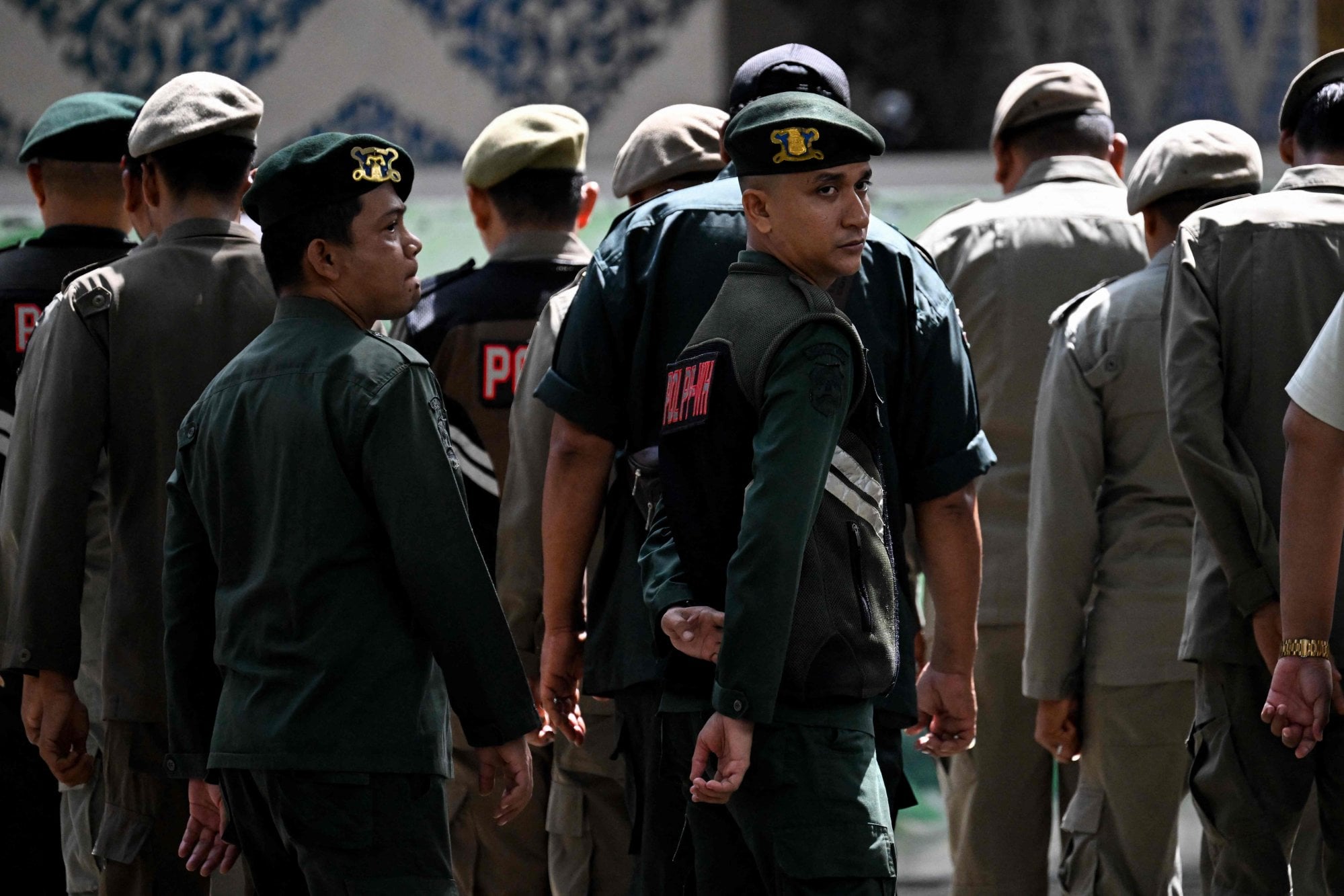
She stated that being religiously unaffiliated was a “valid” choice in the city state, in contrast to neighboring regions such asIndonesia, where individuals are required to align with an officially recognized religion or ideology.
In Singapore, according to Larson, “there is no institutional or legal discrimination against those who are not affiliated.” “However, individuals might experience pressure from family members or religious groups.”
Experts believe the small rise in households that identify as Hindu in the most recent survey could indicate population changes, like an influx of people from South Asia — also pointing out that individuals who do not belong to any religion can still engage in religious and spiritual activities.
Chia mentioned that the decrease in other religious groups — particularly Christianity and Taoism, which dropped from 18.9 to 17.1 percent and 8.8 to 7.3 percent respectively — could indicate that participants are increasingly not seeing religion as essential to their identity.
“But some might still go to church on Christmas or visit Taoist temples during the Lunar New Year and other significant celebrations,” he said.
A 2023 report from the Pew Research Centre, which surveyed over 2,000 adults in Singapore, revealed that 87 percent believed in God or other unseen entities — a larger percentage than those who identified with a religion. Among those who did not belong to a religion, approximately four out of 10 stated they believed in God, while more than half believed in unseen beings.
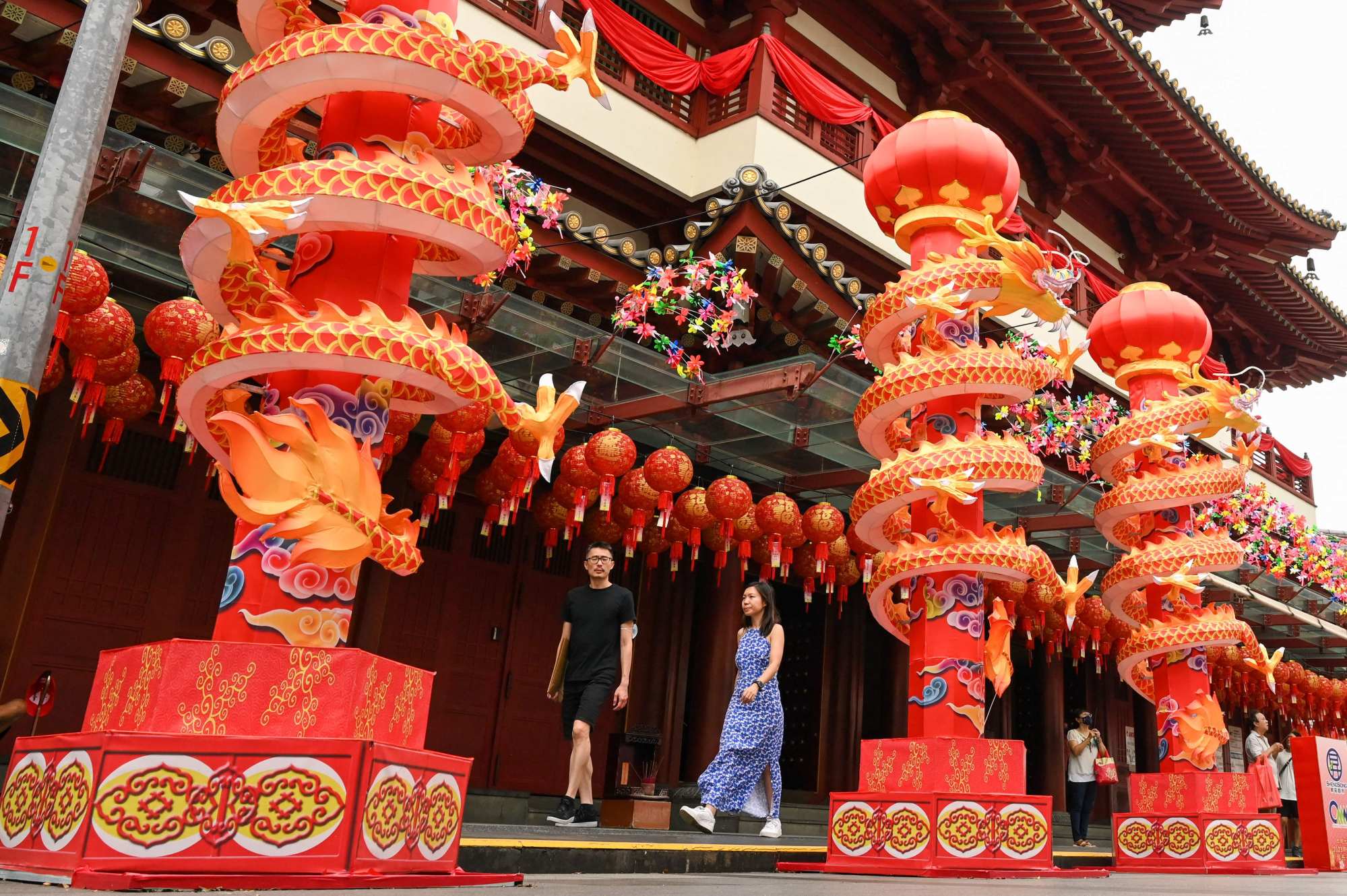
Referencing the report, Larson mentioned that Singaporeans could begin to see religious identity as “changeable.” “They might still engage in spiritual activities, but some are less connected to religious organizations and perceive it more as a personal choice,” she added.
Aircraft engineer Sumar Kurya, 48, was raised in a Hindu family but slowly moved away from the religion, feeling it fostered a sense of exclusivity and, on occasion, hostility toward those who did not share the belief.
He mentioned that an excessive focus on events following death had previously troubled him, but “science and technology have gradually reduced that fear of an afterlife, which is one reason I will never again engage with organized religion.”
Kurya stated that he did not have faith in a deity, yet continued to participate in Hindu traditions like observing Diwali.
He also incorporates philosophical ideas from Buddhist and Taoist traditions such as theDao De Jing, the core scripture of Taoism that illustrates the idea of living in balance by embracing simplicity, naturalness, and effortless action.
“Although my cultural identity is Hindu, my philosophical perspective does not have a specific label,” he stated.
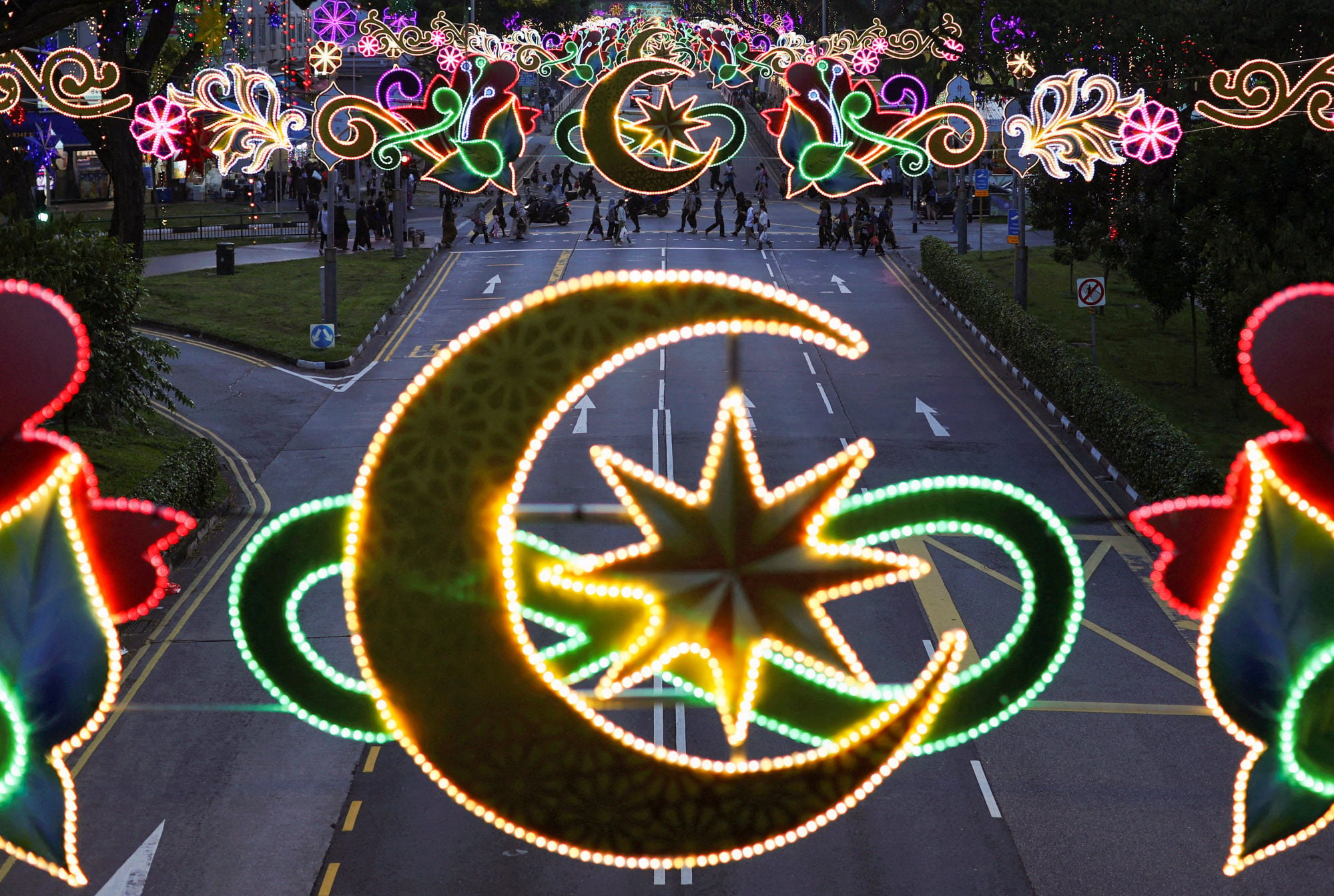
Finding faith again
Chia mentioned that the drop in membership, although expected to persist, might decelerate in the coming years as the region’s religious groups become more conscious of the ongoing pattern and attempt to address it.new ways to engage younger generations.
He highlighted Buddhist groups in Japan and South Korea that have established temple cafes, bars, and pop music events. “This could slow, although not necessarily reverse, the overall movement toward secularism,” he mentioned.
Others who initially struggled to accept the teachings have since returned. Melanie Tiong, a 26-year-old tutor, distanced herself from Taoism during her teenage years, seeking to “take control of her own life”.

However, in 2023, just before she risked not completing her degree, she mentioned that her grandmother used to visit a local temple daily to pray to Guanyin, the Goddess of Mercy. Tiong eventually graduated—referred to as “a miracle within a miracle”—and later went back to the same temple.
I experienced a great deal of calm through prayer and expressing gratitude,” she stated. “In such moments, all I can do is have faith that a higher power guided me through it.
Faith also provided her with a way to escape self-reproach. “It’s much more reassuring to believe that there is a higher force somewhere that is causing or allowing events to happen to you,” Tiong stated.
It’s also reassuring to have the ability to request assistance, even from an unseen and abstract entity, as society often makes you feel that seeking help is a sign of weakness, yet religion encourages you to look for support and direction during difficult times.
More Articles from SCMP
‘We were just two young people’: how this Hong Kong Gen Z couple launched a Chinese wine business
Hong Kong has recovered since the difficult periods during the pandemic.
What the loss of Negeri Sembilan signifies for Malaysian Prime Minister Anwar’s political approach
This piece was first published in the South China Morning Post (www.scmp.com), a top news outlet covering China and Asia.
Copyright (c) 2026. South China Morning Post Publishers Ltd. All rights reserved.



Leave a Reply