
- Politics is fast. We’re faster. Sign up to the free weekly DC Insider newsletter for a front-row seat to Washington
Occasionally, the path to final success lies in recognizing when to withdraw.
Democrats have been urging some of their own contenders to set aside their aspirations for victory and step down in hopes of improving their prospects in November’s election.Senate elections.
Political party leaders are aggressively working to secure the four key changes needed to take over the Senate from the Republican party. However, in states that lean Republican, this requires a different approach.
“For Democrats in certain races where the independent candidate has a stronger chance, it’s crucial for them to set aside their egos,” said Neera Tanden, a political strategist and former advisor to several presidents, told NBC News.
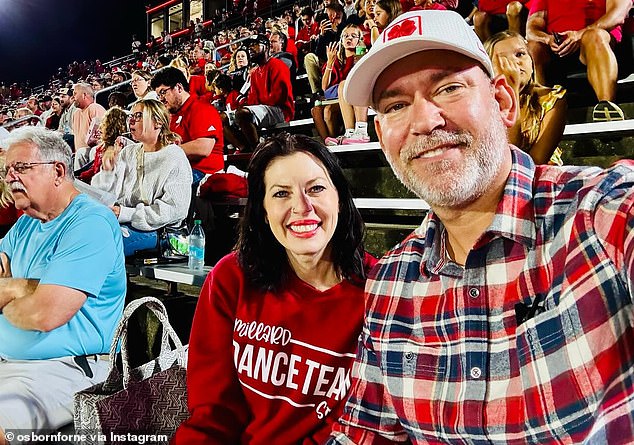
Last month, Nebraska Democratic nominee Cindy Burbank removed herself from the Senate race, wiping her name from the ballot.
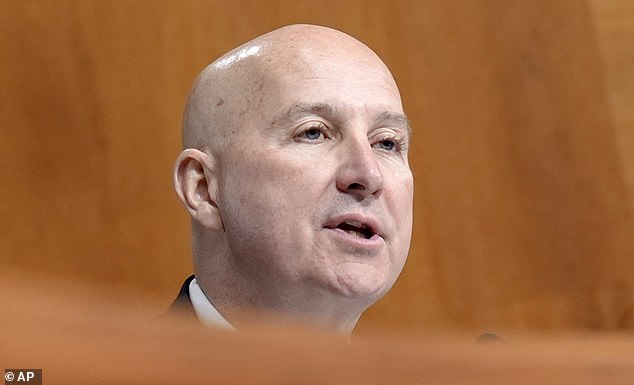
This left incumbent Republican Senator Pete Ricketts in a one-on-one against independent candidate Dan Osborn, who has run previously and has the tacit backing of Democrats, even if he doesn’t explicitly identify as one.
Although Burbank did not immediately back Osborn, she had earlier shown her support for his campaign.
Nebraska Democratic Party chairwoman Jane Kleeb advocated for Osborn on Xeven sooner, stating that ‘a coalition of Democrats, Independents, and Republicans can defeat Ricketts.’
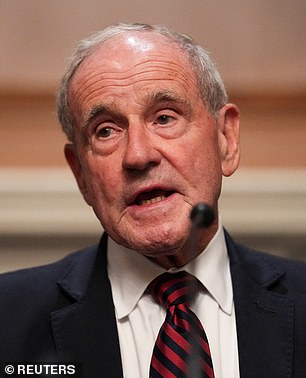
Idaho Democratic Senate candidate David Roth dropped out last week, leaving independent Todd Achilles to run against GOP incumbent Senator Jim Risch.
Roth did not support Achilles, yet encountered pressure to withdraw and back the independent’s campaign from a former Democratic Congressman and the party’s leadership in Idaho’s most populated county,according to the Idaho Capital Sun.
Democratic strategists are now urging their own candidates in South Dakota and Montana, Julian Beaudion and Alani Bankhead, to step down as well, according to NBC News.
So far, Beaudion and Bankhead have not followed through, even though polling shows that independent candidates Brian Bengs and Seth Bodnar have a significantly higher likelihood of beating their Republican rivals in the upcoming election.
The party is also aware that funds allocated by Republicans in red states such as South Dakota are resources that could have been used in more contested states like Georgia, Michigan, and North Carolina.
Democrats have adopted a comparable, though not necessarily the same, approach in certain primary contests, aiming to strengthen their stance for the November general elections by steering clear of progressive contenders.
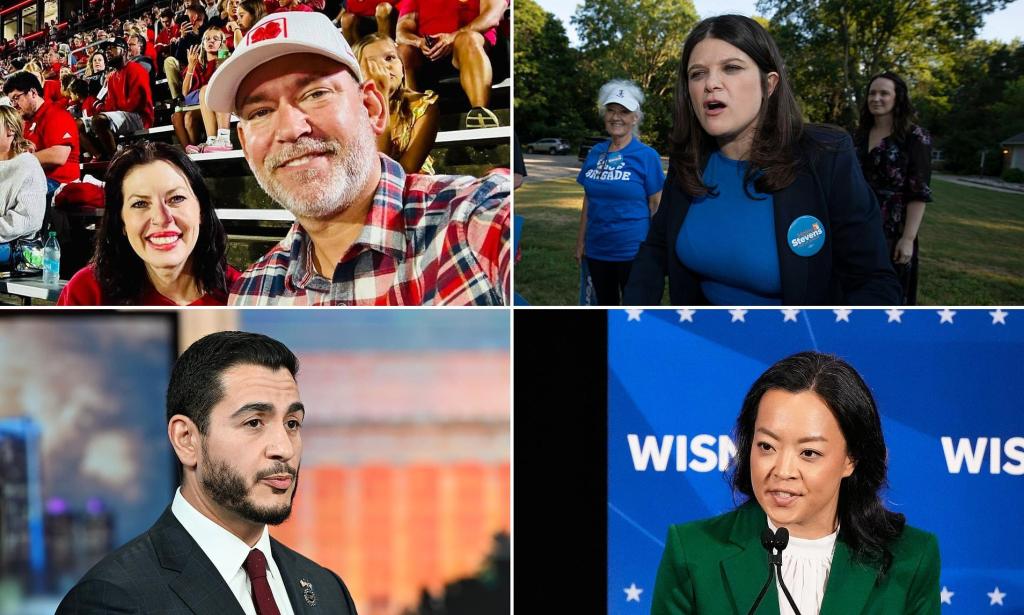
For instance, in Michigan, established Congresswoman Haley Stevens is competing against progressive challenger Abdul El-Sayed in a fierce primary battle for the Democratic Senate nomination.
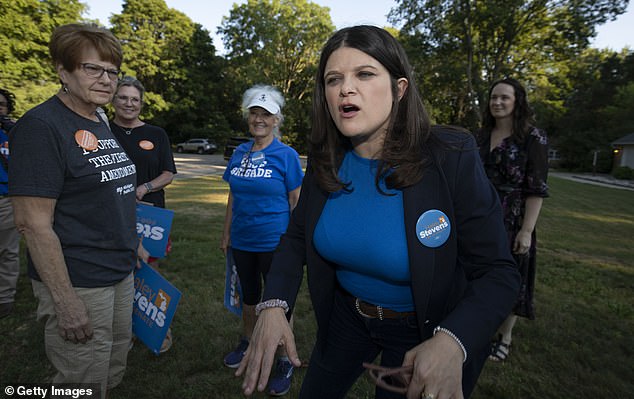
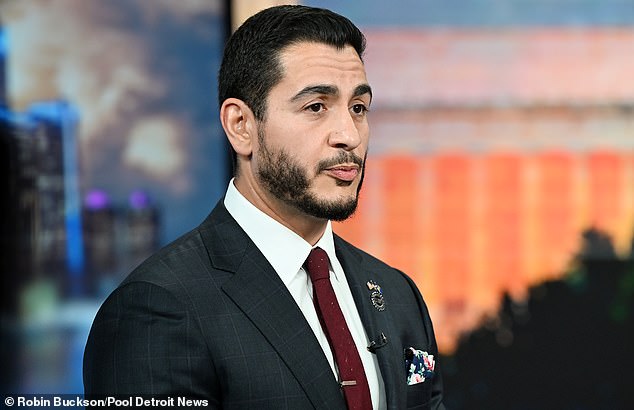
State Senator Mallory McMorrow withdrew from the primary race in early July. Although some strategists thought McMorrow’s departure would help Stevens, the more moderate candidate still in the race, it was not immediately evident that this would be the outcome.
El-Sayed has maintained a double-digit advantage according to multiple public surveys published last week.
Stevens and Democratic figures, including Senate Minority Leader Chuck Schumer, argue that her moderate stance will give her a stronger advantage when facing GOP candidate Mike Rogers in November – a statement that El-Sayed strongly refutes.
The Michigan Democratic Party will select its candidate in a highly anticipated primary on Tuesday, paving the way for a competitive Senate race that holds major national significance.
The disorderly Wisconsin primary election has witnessed comparable attempts to unite behind a moderate contender who is seen as more acceptable to voters in November.
Positive opinion polls for Democratic socialist and state Representative Francesca Hong have caused concern among moderate Democrats, who worry that supporting Hong might lead to the Republican candidate winning the Democratic-held governorship in November.
Deputy Governor Sara Rodriguez, considered a more moderate contender, was the leading candidate until an embarrassing campaign funding scandal forced her to exit the race on July 17.
To prevent Hong from gaining an advantage, moderate Milwaukee County Executive David Crowley, who had previously exited the race, seized the opportunity created by Rodriguez’s downfall to re-enter.
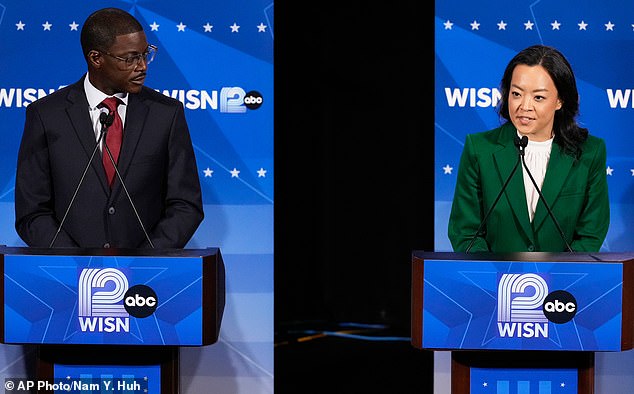
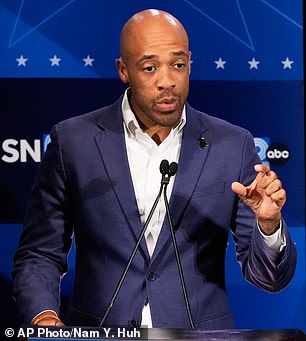
Wisconsin’s Governor Tony Evers supported Crowley following his release.
However, Hong remains popular, influencing former Lieutenant Governor Mandela Barnes’s choice to withdraw on Thursday.
“It has become very evident who our candidate will be,” Barnes stated in a Facebook video revealing his choice.
He could also have been affected by the upcoming release of certain controversial news articles examining connections with female employees,according to Politico.
Crowley sought assistance on social media from individuals who had intended to vote for Barnes.
Over 128,000 members of the Democratic Party have already cast their ballots in Wisconsin’s primary on August 11, making it more challenging for the party to alter the results of the election.




Leave a Reply