
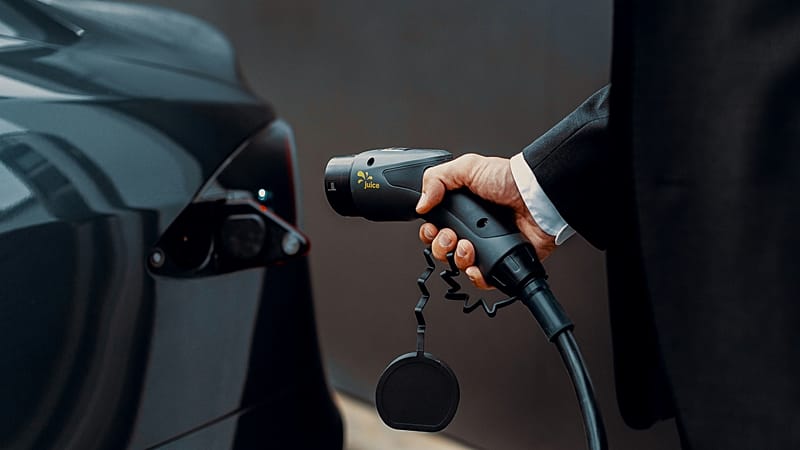
Over 1 million electric vehicle (EV) batteries may become obsolete by 2030, emerging as one of the world’s “fastest-expanding waste streams.”
Global electric vehicle sales have risen significantly in recent years, exceeding 20 million units and making up approximately 25 percent of all newly sold cars across the world. The growth in EVs has also been supported by the conflict involving Iran, which keeps oil and gas prices rising.
In reality, over 1.24 million completelyelectric carswere available in Europe during the first half of 2026 – representing a 33.7 percent rise when compared to the same timeframe in the previous year.
Are electric vehicles more environmentally friendly than gasoline cars?
Electric vehicles frequently begin with a higher “carbon debt” than gasoline and diesel cars because their production demands considerably more energy.
A significant portion of this issue stems from battery manufacturing, which demands substantial electrical energy to generate the heat required in the production process. Although renewable sources can supply this electricity, numerous nations continue to depend on burning harmful fossil fuels.
Substances like lithium, cobalt, and nickel, needed for electric vehicle batteries, also raise environmental and societal issues.
A 2023 report by Amnesty International revealed that the extraction of essential minerals has resulted in a variety ofhuman rights abuses, including compulsory removals and bodily harm.
Although modern mining continues to be a subject of debate, studies indicate that the environmental advantages of an electric vehicle surpass the energy demands of its manufacturing process.
A 2020 study conducted by Transport & Environment (T&E)discovered that electric vehicles surpass diesel and gasoline cars in every situation, including on grids with high carbon emissions like Poland, where they are roughly 30 percent more environmentally friendly than traditional vehicles.
In the most favorable situation, where an electric vehicle operates using renewable energy and its battery is manufactured with clean power, EVs are currently approximately five times more environmentally friendly than traditional counterparts.
“Significantly, the data indicates that electric vehicles fueled by the typical electricity mix recoup their ‘carbon debt’ from battery manufacturing after just over a year and reduce more than 27 tonnes of CO₂ throughout their lifespan compared to a traditional counterpart,” the report states.
Electric vehicles used for extensive driving (such as shared cars, taxis, or Uber-type services) can reduce emissions by as much as 77 tonnes throughout their lifespan (in comparison to diesel-powered vehicles).
Why electric vehicle battery waste is becoming a major issue
Many electric vehicles use lithium-ion batteries (LIBs) – the same type found in various common electronic devices like smartphones, laptops, and gaming consoles.
But as per the International Energy Agency (IEA), the quantity of lithium-ion and comparable batteries arriving at their end-of-life is projected to increase significantly from the mid-2030s onward. This occurs when the battery can no longer store or provide energy efficiently due to degradation over time.
This implies that approximately 1.2 million electric vehicle batteries might become waste within the next four years. By 2040, this figure is projected to soar to an impressive 14 million.
At the same time, the demand for LIBs is growing, putting more pressure tomine for critical mineralsand endangering a potential future scarcity of lithium.
Although electric vehicle batteries can be recycled, the process is well-known for being challenging and expensive. Prior to beginning the recycling procedure, a battery must go through a lengthy preparation stage that includes discharging, taking apart, and isolating its parts.
There are also hazards linked to the chemical processes involved in battery recycling, which may emit harmful substances like hydrofluoric acid. Such materials present significant dangers to employees’ well-being and can also harm the machinery at recycling facilities.
That’s why specialists are advocating for a “major increase” in recycling facilities designed to handle rising waste levels and extract essential materials required for manufacturing new batteries in a secure manner.
“Electric vehicles play a vital role in shifting towards a low-carbon economy, yet their sustained success relies on how well we handle the resulting waste stream, along with enhancing the availability of essential minerals,” states James Skifmore from the environmental consulting company Valpak.
Enhancing the capability and effectiveness of circular systems will be crucial for retrieving valuable materials, reinforcing supply chains, decreasing dependence on new resource mining, and optimizing the long-term environmental viability of electric vehicle development.
Companies across Europe are competing to accomplish this.
Can electric vehicle batteries be recycled in a more effective manner?
The ReLiB initiative, led by the University of Birmingham in the United Kingdom, is working on recycling methods that it claims will position the nation at the “forefront” of research and innovation.
Scientists are working on creating and expanding methods designed to increase the recovery of materials from recycled batteries, aiming to boost the rate from approximately 50 percent to 90 percent by focusing on quicker and more effective disassembly and separation techniques.
The European Union has also supported a four-year initiative, led by the Technological Centre LEITAT in Spain, designed to substitute slow, manual disassembly with semi-automated processes that can safely take apart batteries and recover approximately 95 percent of the parts.
EU-funded project BATRAWwill also focus on providing batteries with a new purpose, as certain electric vehicle batteries might not have sufficient capacity to operate a vehicle, yet could be utilized for less intensive energy storage tasks – rather than being recycled immediately.
The initiative is working on improved methods for safely transporting used batteries and investigating ways to design new batteries that are simpler to fix and recycle.






Leave a Reply