
Key Takeaways
-
The Department of Veterans Affairs initiates a countrywide study to examine if semaglutide may help decrease excessive alcohol consumption.
-
Over 600 veterans across 18 medical facilities will receive weekly semaglutide or dummy injections.
-
No new treatment for alcohol use disorder has received federal approval in almost 20 years.
Tuesday, August 3, 2026 (HealthDay News) — Government health authorities have initiated a large-scale study across the country to determine if a medication used for diabetes treatment can assist veterans in reducing their alcohol consumption.
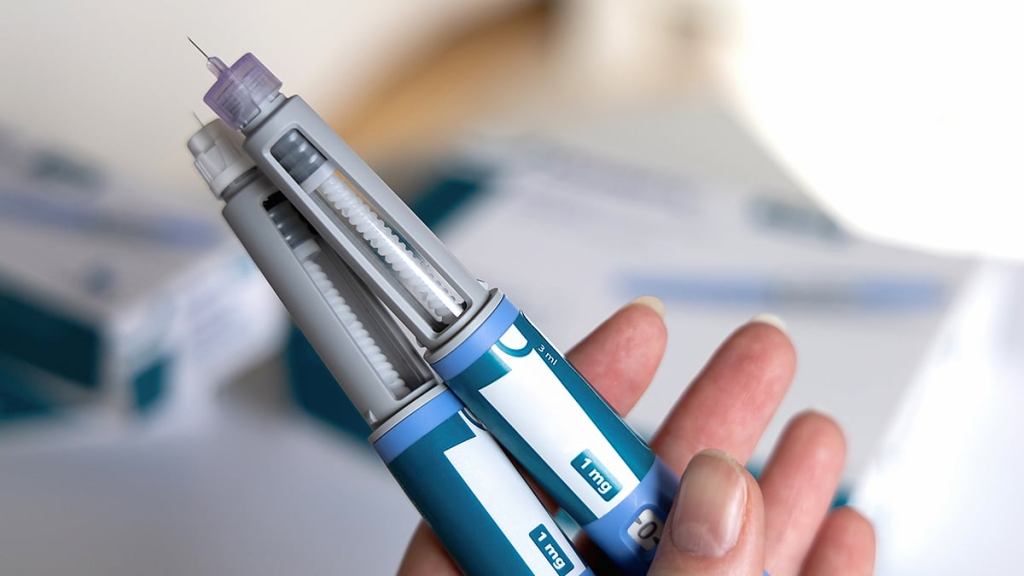
The United States Department of Veterans Affairs (VA) is set to conduct trialssemaglutide, a GLP-1 receptor agonist, as a therapy for alcohol use disorder (AUD).
Over 400,000 veterans have received a diagnosis of AUD, with certain projections indicating that it impacts almost 11% of adults in the United States, as reported by the VA.
The trial comes following an extended period with limited new choices. No new treatment for AUD has received U.S. Food and Drug Administration (FDA) approval in almost 20 years, as stated in the trial’s entry on ClinicalTrials.gov.
The most commonly prescribed medication, oralnaltrexone, functions fairly effectively. Less than 2% of adults suffering from the condition use any medication for it within a year, as stated in the trial listing.
The gap is also evident within the VA. While it advocates medication as the preferred approach, only around 40,000 out of over 400,000 veterans diagnosed with AUD are currently receiving it.
Scientists became interested in semaglutide due to its potential effect on brain regions associated with the body’s perception of reward.
A recent study in the British Medical Journaldiscovered that individuals using GLP-1 drugs experienced reduced incidence ofAUD and other substance use disordersthan compared patients on otherdiabetes drugs.
Individuals suffering from pre-existing substance use disorders who are using GLP-1 medications have also experienced fewer emergency room visits and hospital admissions, according to the VA. These trends prompted scientists to initiate a controlled study.
“This clinical study demonstrates medical research that the VA is specifically positioned to conduct, and it is designed to directly assist veterans,” VA SecretaryDoug Collinsnoted in a press statement. “By investigating new therapeutic approaches such as the application of a GLP-1 for AUD, our goal is to broaden the resources available to assist Veterans in managing their health and recovery.”
The research, titled Cessation or Reduction of Alcohol Consumption in Veterans (CRAVE), aims to recruit over 600 veterans aged 18 to 80 who have moderate or severe alcohol use disorder across 18 VA medical facilities, ranging from Seattle to Orlando, Florida.
Participants will be given weekly injections of either semaglutide or a placebo for approximately 24 weeks, after which a safety follow-up will take place.
Scientists will monitor alterations in alcohol consumption, general well-being, and life quality to determine if the medication presents a viable option.
Applications began on July 28. Veterans interested in participating can reach out to their nearest VA medical facility or view additional details online.ClinicalTrials.gov.
More information
Go to the National Institute on Alcohol Abuse and Alcoholism to learn more about treatment options foralcohol use disorder.
REFERENCES: U.S. Department of Veterans Affairs, July 30, 2026; ClinicalTrials.gov, July 23, 2006
What It Impacts You
If you or someone you know is facing challenges with alcohol consumption, treatment and therapy are currently accessible. This study could potentially aid in broadening medication choices for the future.






Leave a Reply