
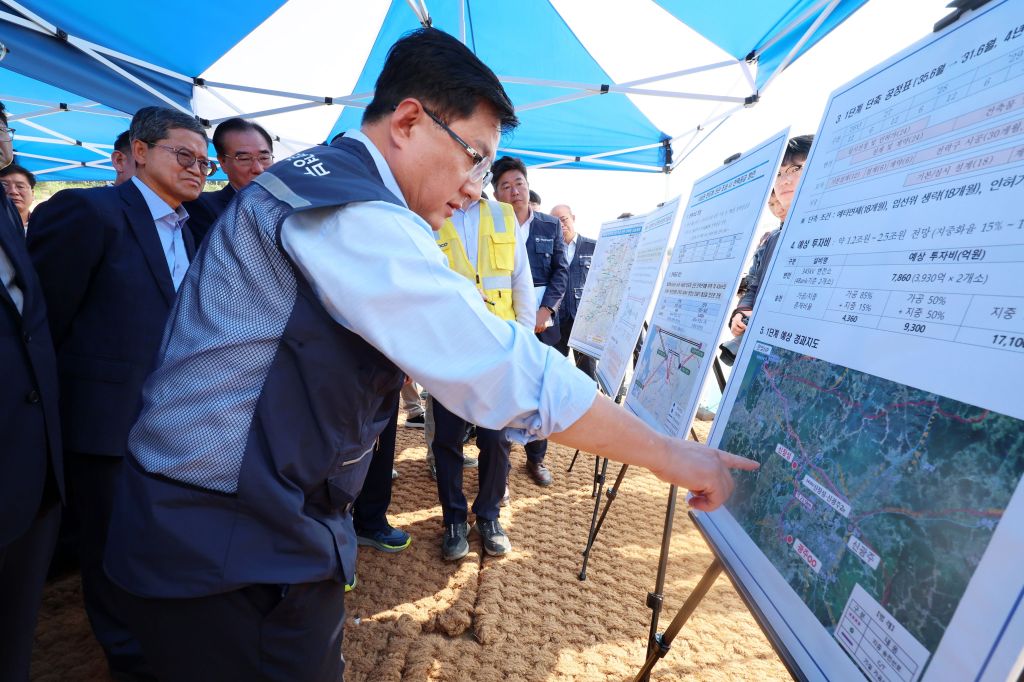
The government, which is advancing three major projects that demand significant power—such as the Honam Semiconductor Cluster and an artificial intelligence (AI) data center—has introduced steps to speed up the development of the electricity network.
On August 5, the Ministry of Climate, Energy, and Environment introduced the “Measures to Improve Public Support for Power Grid Development.” The main emphasis is on reducing the construction of new transmission towers, which have encountered significant public pushback, by installing additional transmission lines on existing structures. The aim is to decrease community resistance and accelerate the expansion of the power grid.
Previously, when expanding the grid, new towers of comparable size were frequently constructed close to existing ones where two power lines were present. Moving ahead, the strategy will focus on increasing the number of transmission lines on current towers, from two to four.
A representative from the ministry stated, “There has been a recent rise in cases that necessitate additional transmission lines near current towers, and with enhanced tower technology, it is now possible to install four lines.” For instance, the “Gwangyang~Sinjangsu” line is expected to have the section requiring transmission towers cut down from 99 km to 7 km using this method, as reported by the ministry.
The government also intends to increase the use of undergrounding—placing power lines beneath the surface—in areas with high population density. While undergrounding is roughly 10 times more expensive than constructing overhead towers, the ministry stated it will strongly employ this “expensive method” to speed up the development of the power grid.
According to existing plans, 4,723 more transmission towers are required across the country. Nevertheless, the government predicts this figure might decrease by 47% to 2,509.
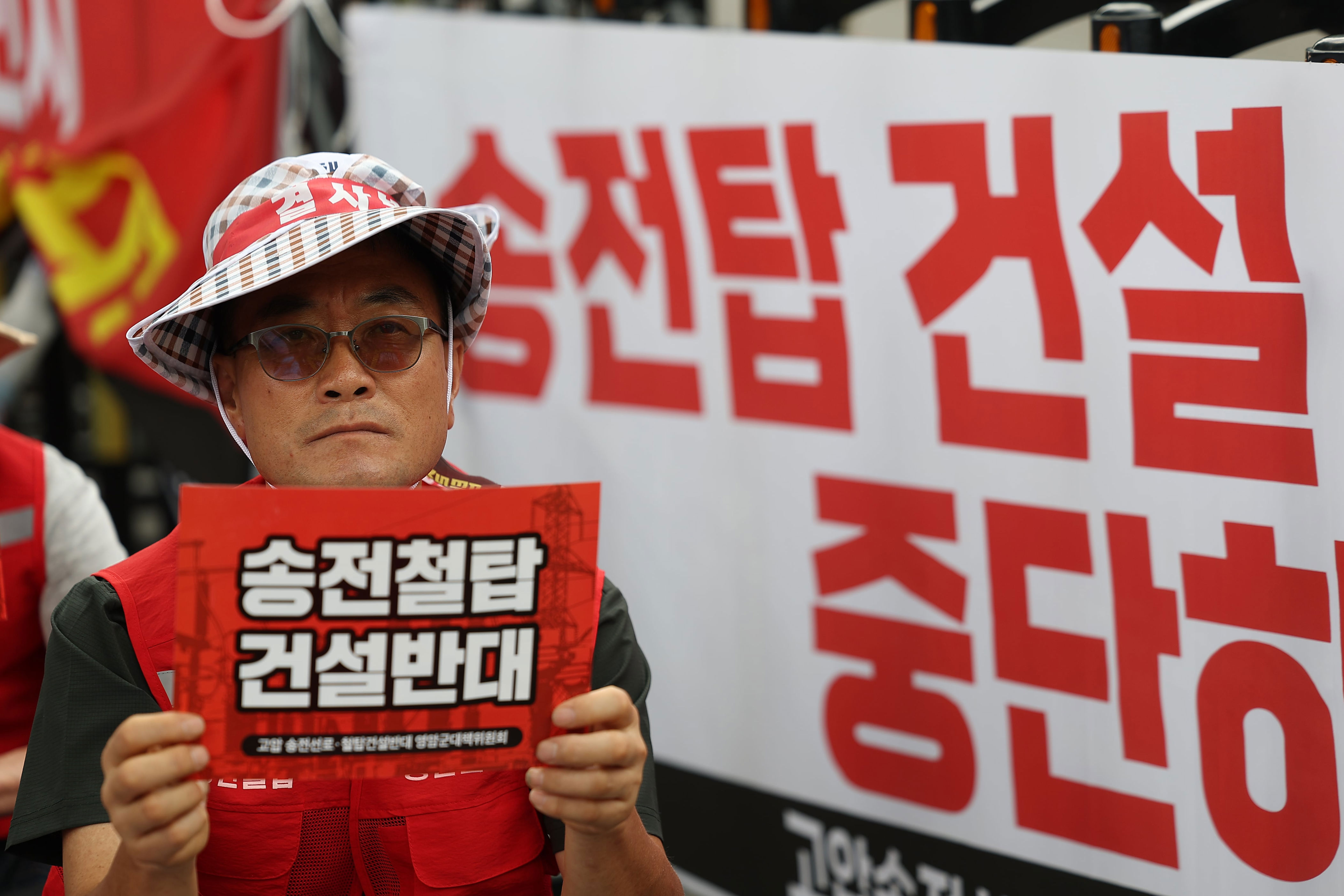
To enhance community involvement, the ministry will permit public attendance in the site selection committee responsible for grid routes and evaluate proposed locations suggested by residents. An industry representative stated, “The main challenge is making sure increased resident engagement doesn’t delay the decision process,” and mentioned, “Additional financial pressures might arise if there are more requests for underground installation.”





Leave a Reply