
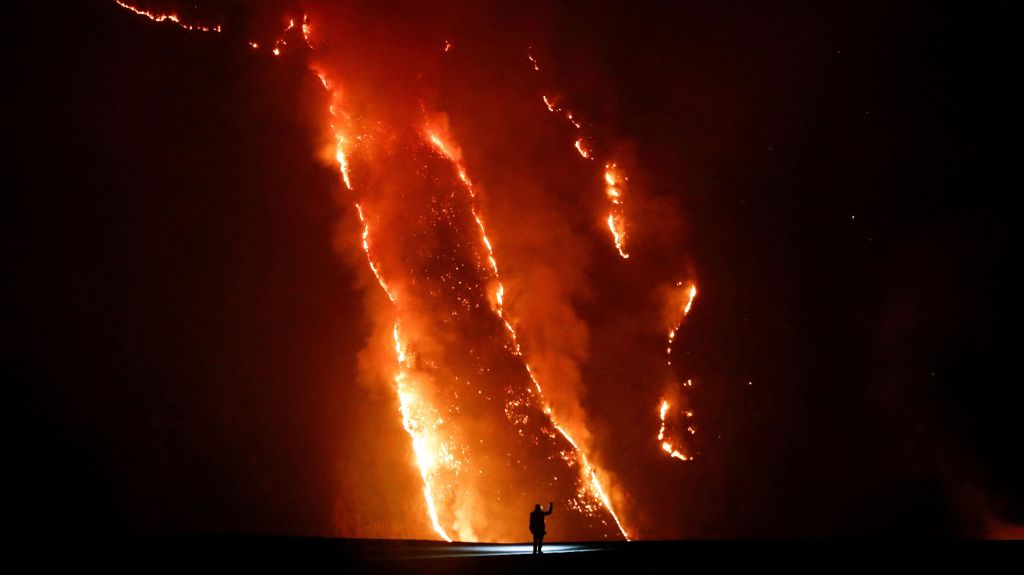
During the dark night, flames tore across the mountainside, spreading in various directions. A person was seen descending the mountain’s middle, looking as tiny as a speck against the enormous fire. This was the scene on August 9 at Bromo Tengger Semeru National Park in Probolinggo, East Java Province, Indonesia, where a wildfire was raging. As the fire expanded, officials restricted visitors from entering the Bromo Mountain region.
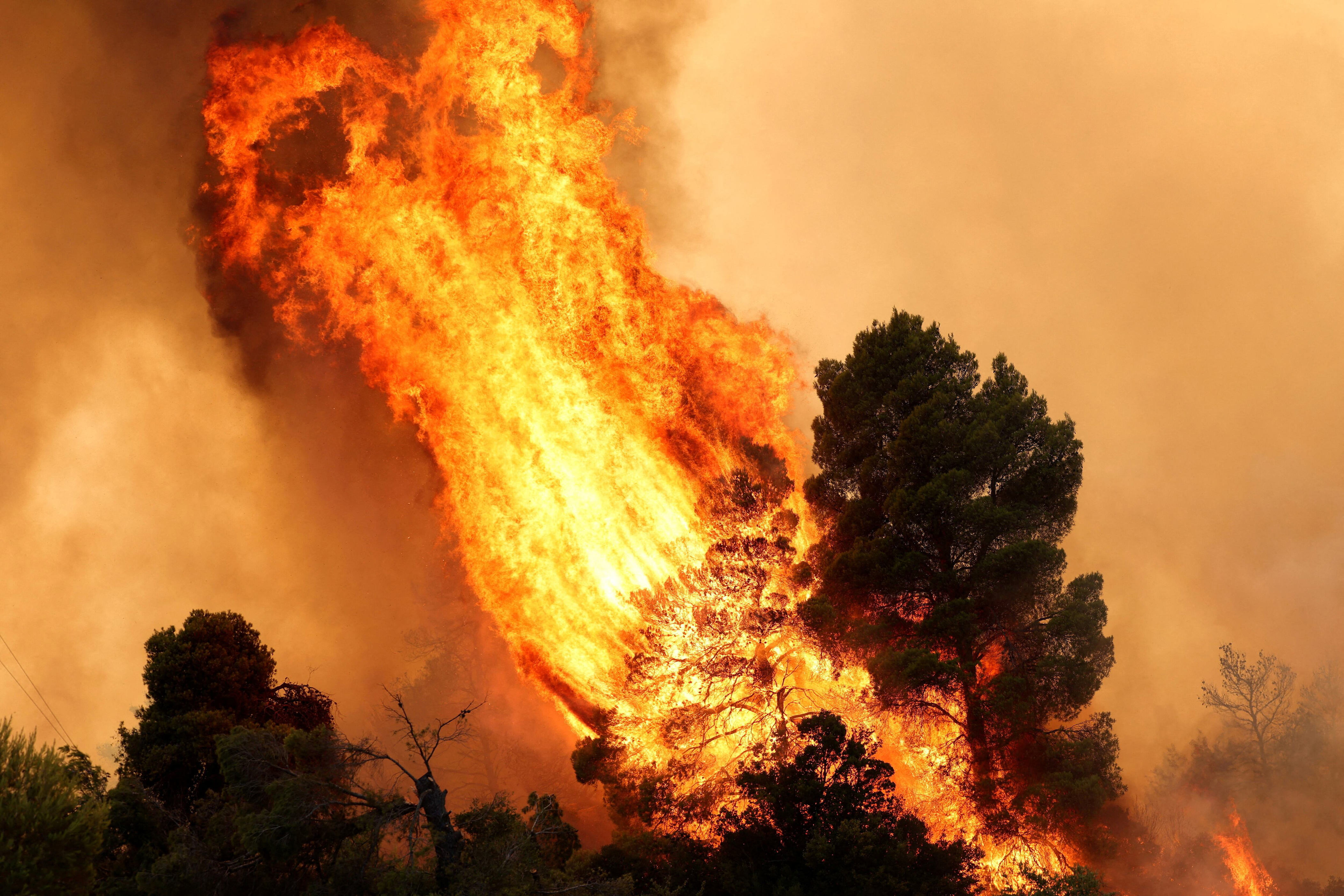
Among recent international news photographs, images of wildfires are especially common. Fires are spreading throughout Europe, including in Turkey, France, and Spain. In Spokane, Washington State, flames consumed residential neighborhoods. Collecting these news photos from the locations made them look like large-scale fire scenes.
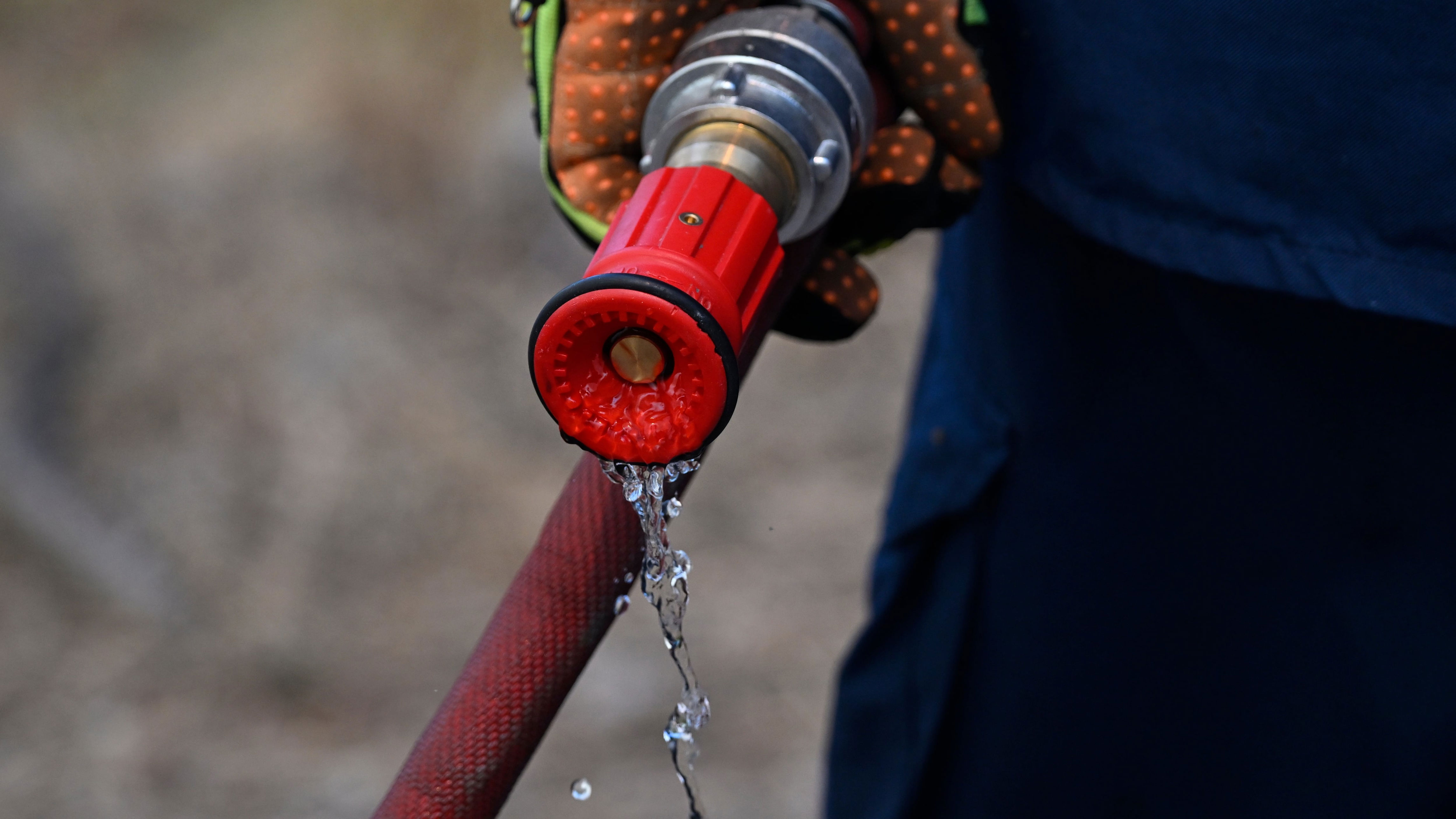
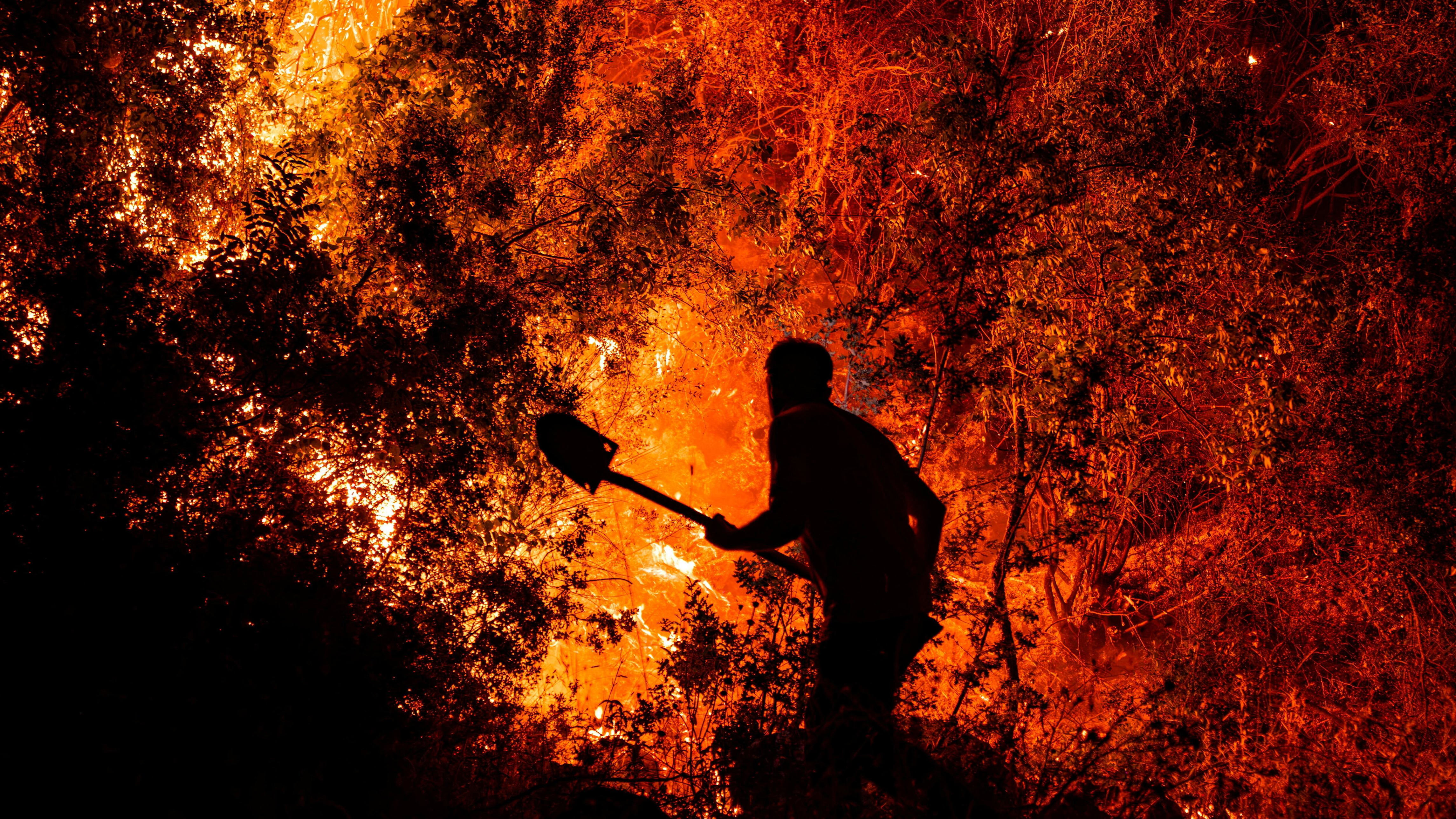
The images also document powerful moments outside the flames. People with shovels tried to put out the fire at the forest’s border, while just a few drops of water came from the firefighter’s hose. In neighborhoods destroyed by the fire, heat-bent items and ash heaps were left behind. From above, using a drone, forests showed no red glow anymore, with burned black trees extending as far as the eye could see. Up close, signs of a person’s actions and remnants of everyday life were noticeable. Before and after the wildfire, there was ultimately someone’s existence.
In South Korea, when reporting on disasters, images that clearly show victims’ faces or private areas of their homes are carefully managed because of worries about portrait rights, privacy, and potential human rights issues. This has always been a disappointing restriction, as it limits the ability to capture the human side of disaster zones through photographs. On the other hand, international news photos frequently display scenes that are uncommon in local coverage: residents attempting to safeguard their homes, items abandoned during evacuations, and individuals returning to their homes covered in ash.
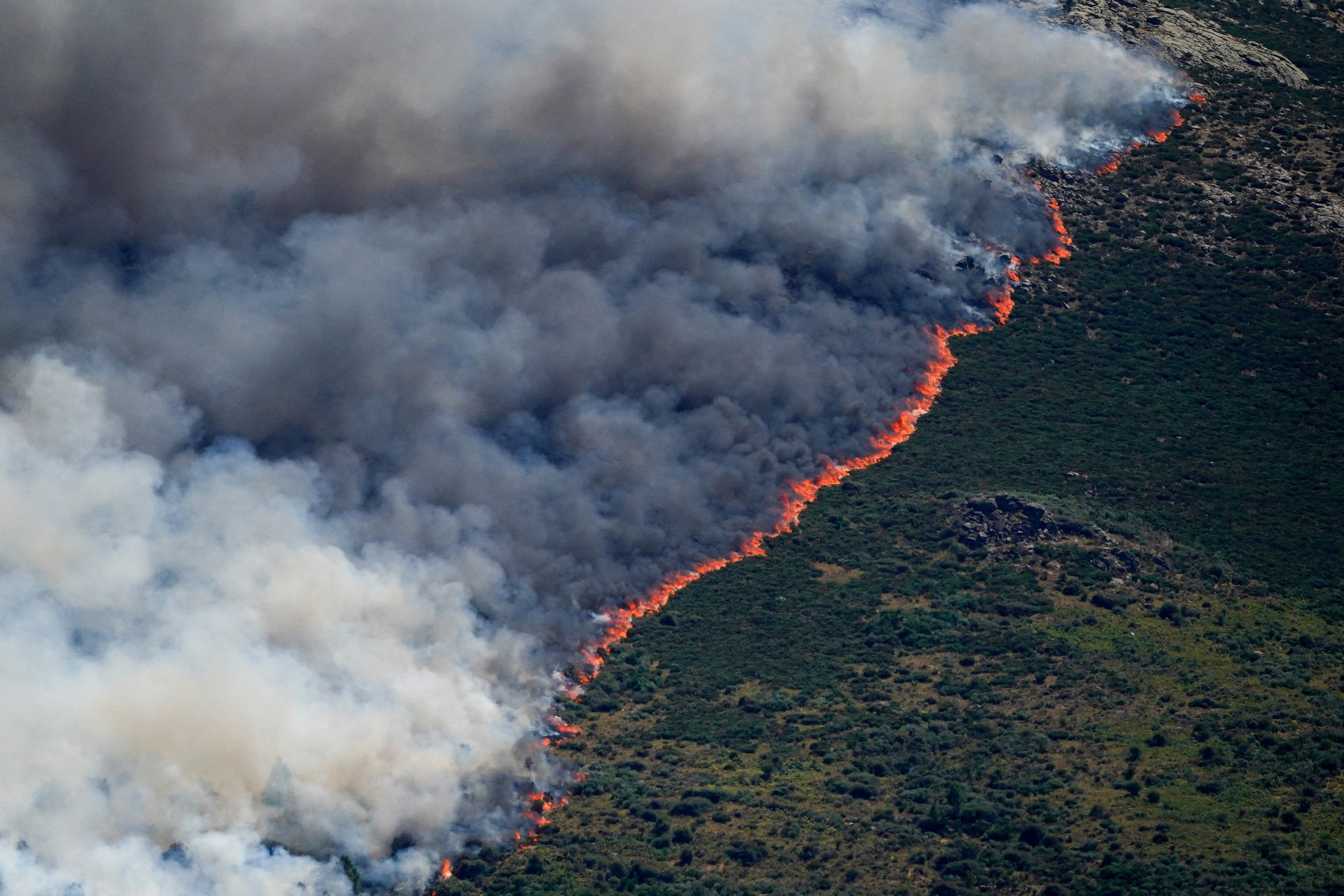
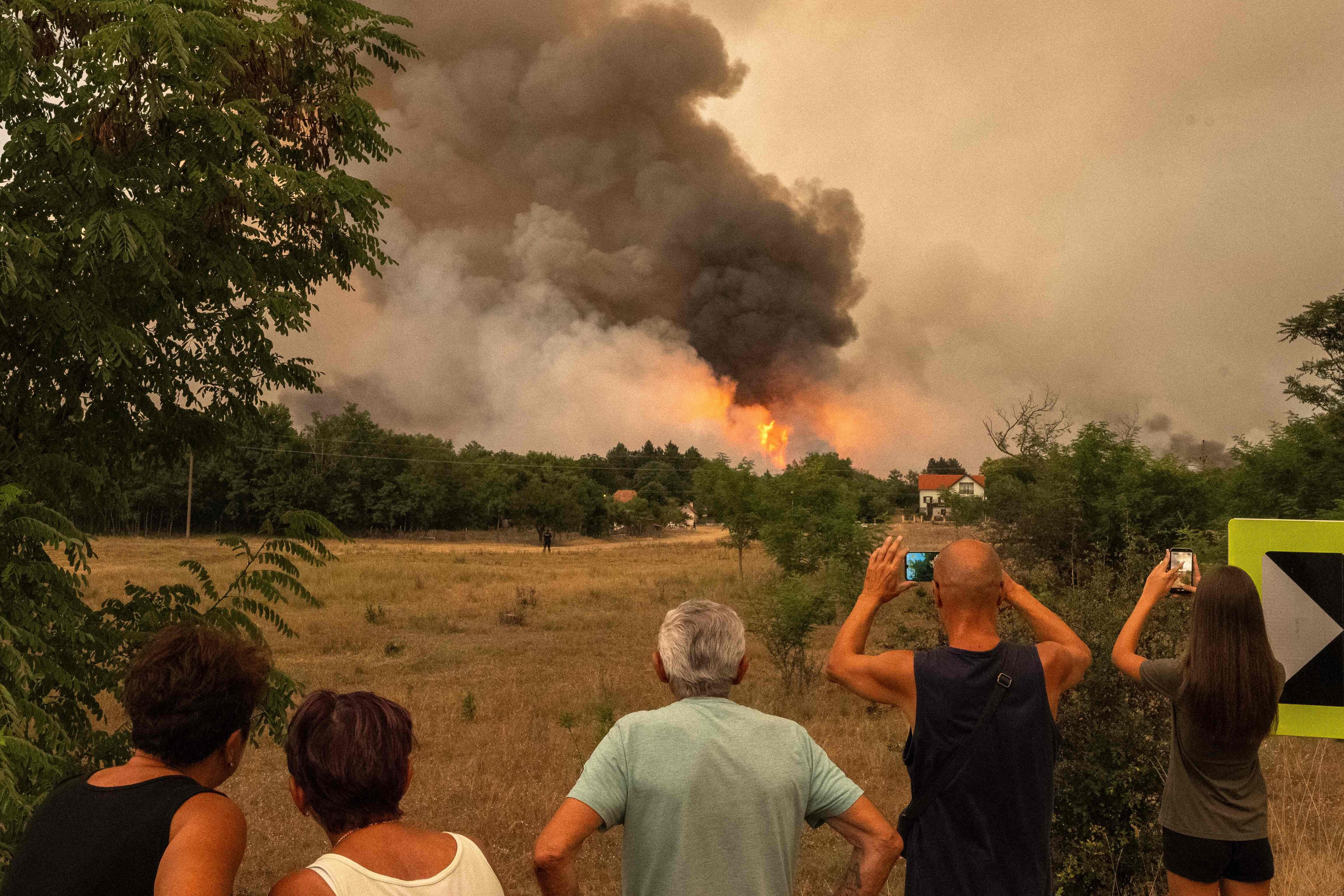
South Korea has also faced multiple significant wildfires. When extreme heat, arid conditions, and powerful winds combine, fires that begin in mountainous areas can rapidly move into residential zones. The destroyed homes and charred forests seen in international news photographs may depict distant lands, yet they were not completely foreign to us.
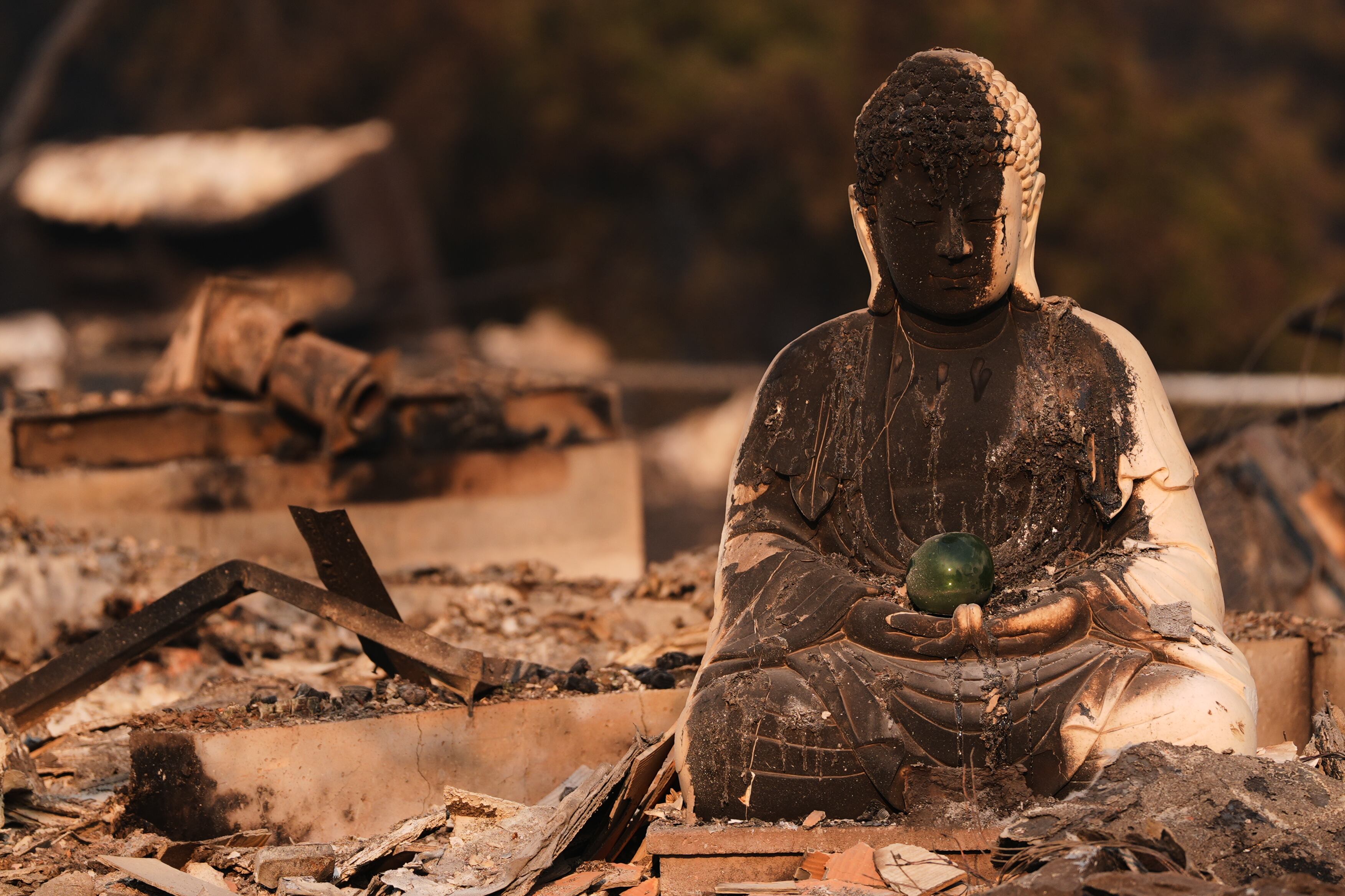
Even though the fire is now out, it doesn’t imply that the catastrophe has concluded. It is believed that it requires 30 years for trees to regrow and restore their look in forests that have turned gray due to ash, and 100 years for the ecosystem to return to a thriving forest. At the location where the fire swept through, the lengthy journey of restoration has now commenced.





Leave a Reply