
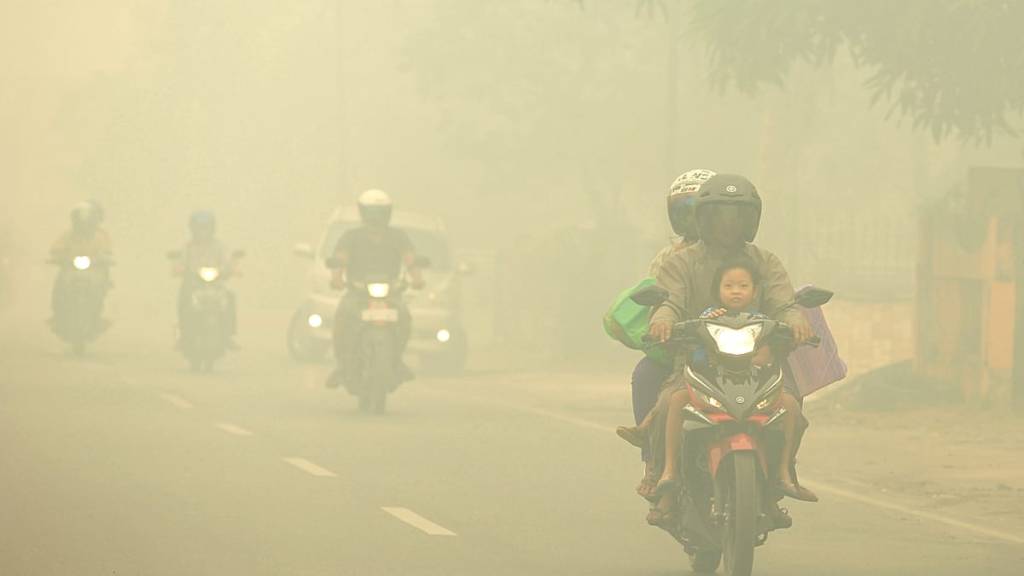
People in Malaysia are being advised to remain inside as the air pollution index has reached unhealthy levels in certain areas of Sarawak and Selangor.
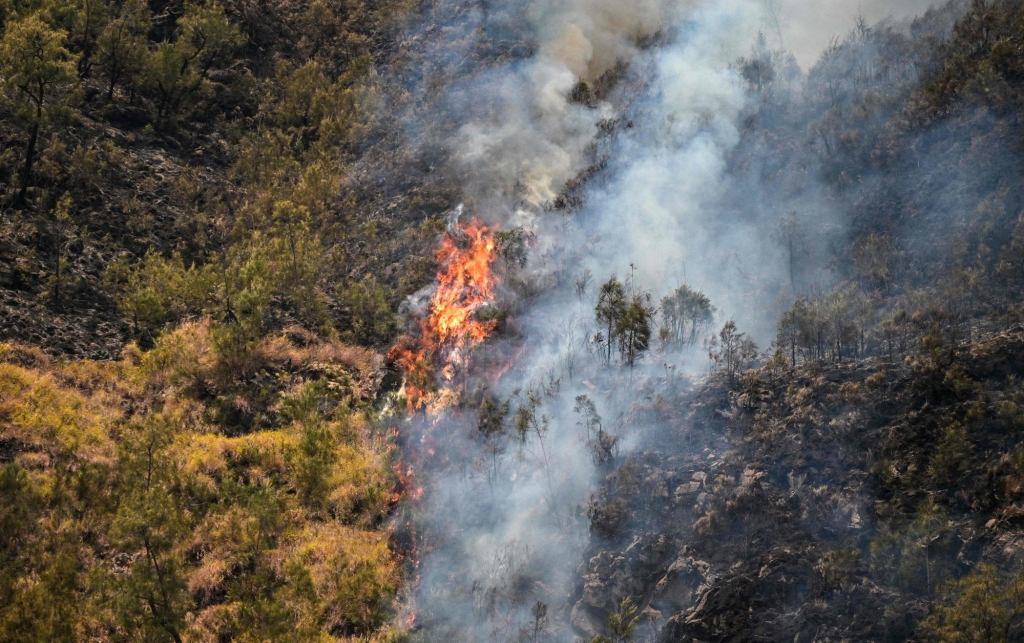
The smog has returned inMalaysia– with at least two regions reporting unhealthy air quality on Monday due to intense forest fires in nearby areasIndonesiasend plumes of smoke northward.
Transboundary haze has been a persistent issue in Southeast Asia, mainly impacting Malaysia andSingaporeowing to their closeness to Indonesia, where large areas of forests and farmland turn into fire-prone zones during the dry season.
A fire burned 550 hectares (1,360 acres) of area within the Bromo Tengger Semeru National Park in East Java during the weekend — the biggest among multiple fires that spread quickly across the island last week, as parts of Southeast Asia experience an unusually dry season.
Are you curious about the major issues and developments happening globally? Find the solutions withSCMP Knowledge, our latest platform featuring curated content including explainers, FAQs, analyses, and infographics, presented by our acclaimed team.
Smoke from the fires has suffocated the southern part of Sarawak state in Malaysian Borneo, with the air pollution index (API) reaching up to 182 in Serian, a district in the southern region of the state, as of midday on Monday.
Malaysia categorizes pollution levels ranging from 100 to 200 as “unhealthy.” Levels exceeding 200 are classified as “very unhealthy” and usually result in school closures and strict restrictions on outdoor activities.
The government of Sarawak has advised people to restrict outdoor activities for as long as the haze continues, particularly because there is not much they can do to resolve the problem.
“This is not an isolated issue. It occurs nearly every year, and a significant portion of it stems from across the border because of actions outside our control,” Henry Harry Jinep, the state’s deputy minister of transport, said to reporters on Sunday.
In the South China Sea, the Johan Setia district in Selangor recorded Peninsular Malaysia’s highest API score of 152 at midday on Monday. Selangor was one of the most affected by haze last year, with forest fires occurring in Sarawak as well as the northern and western regions of Kalimantan and the northern and central areas of Sumatra in Indonesia.
The Malaysian Meteorological Department stated on Sunday that high temperatures and lower rain levels are anticipated to continue until Friday, possibly worsening the haze.
“Southerly winds and the large number of hotspots in the nearby country could lead to cross-border haze and lower visibility, particularly in southern Sarawak,” the agency stated.
The smog has been a recurring issue since the 1970s. The most severe episodes occurred in 1997-1998 and 2015, leading to numerous fatalities and thousands being hospitalized due to respiratory and cardiac problems in Indonesia, Malaysia, and Singapore.
All three nations are part of ASEAN, which made efforts to address the issue via collaborative agreements like the 1997 Regional Haze Action Plan. However, theAssociation of Southeast Asian Nationsremains limited by poor enforcement and its approach of not intervening in members’ domestic matters.
Malaysia and Singapore have frequently criticized Indonesia for delaying actions to stop open burning, typically carried out by farmers preparing their land for the planting season. Indonesia claims it is not responsible for the haze and states that it has increased enforcement to penalize companies allowing wildfires to spread across their areas.
More Articles from SCMP
Indonesia’s robust GDP figures lead to predictions of ‘resilient yet inconsistent’ economic growth
Style Edit: Van Cleef & Arpels unveils a bigger, new Hong Kong Maison
Hong Kong residents create a sense of community through ‘Dungeons & Dragons’
Experts from China explain why hugging winter melons to stay cool in summer can lead to explosions
This piece was first published on the South China Morning Post (www.scmp.com), a top news outlet covering China and Asia.
Copyright (c) 2026. South China Morning Post Publishers Ltd. All rights reserved.




Leave a Reply