
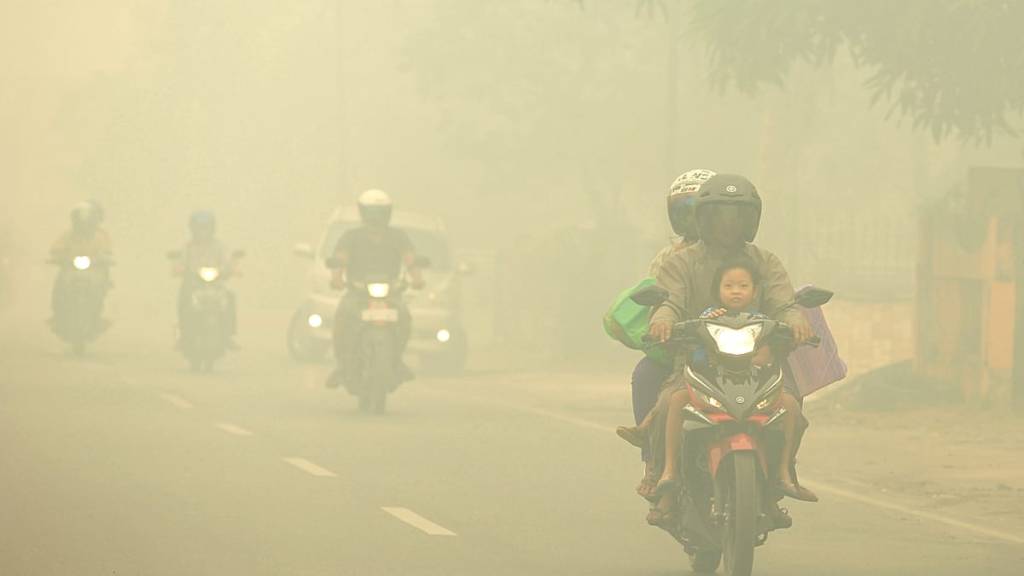
Extreme heat events not only result in loss of life but also ruin sources of income.
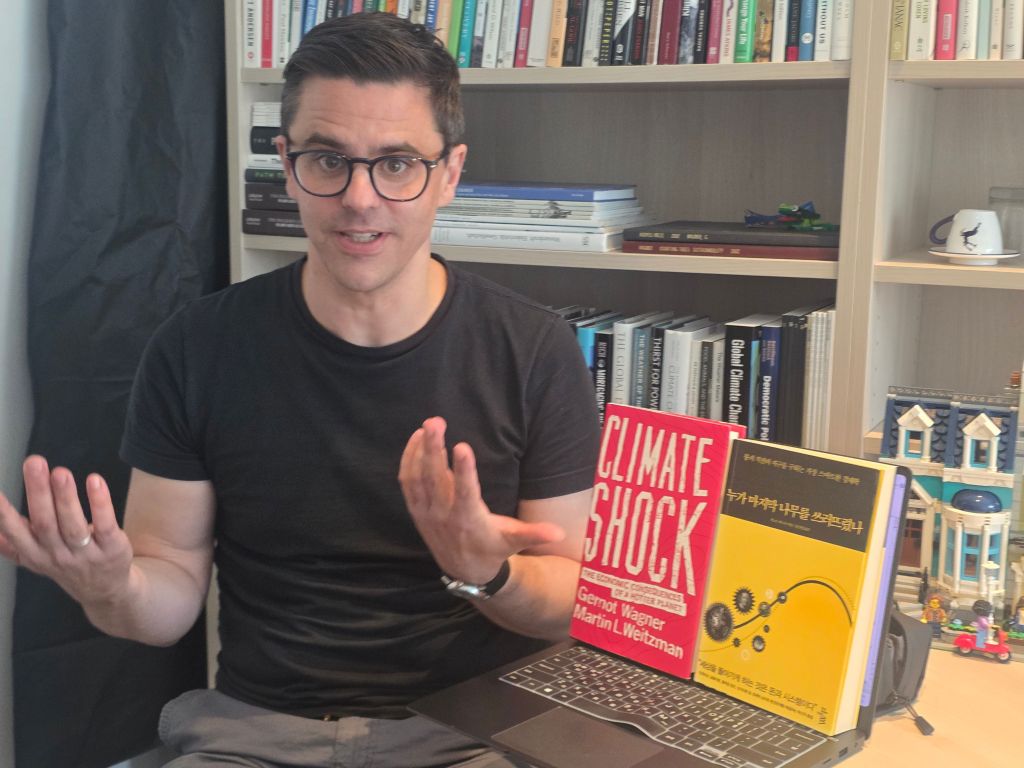
Professor Gernot Wagner, a prominent expert in climate economics and the author of *Climate Shock*, stated during an interview with this newspaper at Columbia University’s Kravis Hall in New York on the 11th (local time) that rising heatwaves are no longer just unusual weather events but are increasingly acting as economic shocks that impact workforce efficiency, business operations, and international supply chains. He specifically cautioned that South Korea, an economy reliant on exports and closely tied to global supply networks, could face substantial consequences from climate-related disruptions such as heatwaves or droughts occurring far away.
– **Heatwaves in South Korea surpassed 40 degrees Celsius.**
Extreme heat events actually result in deaths. They endanger both lives and ways of living. As an economist, I must not only focus on financial aspects. Primarily, the loss of human lives is the most immediate ‘cost.’
– **At what point do heatwaves start to significantly affect the economy and society?**
We regard approximately 32 degrees Celsius as the critical limit. When temperatures go beyond this point, various problems begin to arise at the same time. Crops perish, and instances of disease outbreaks rise. Patients and the elderly are particularly at risk and might face fatal consequences. Economically, efficiency decreases because temperatures past a certain level are outside the range humans are suited for in terms of being productive, content, and healthy.
– **Could you clarify this using exact numbers?**
A research project I was involved in several years back revealed that even one extra day with temperatures exceeding 32 degrees Celsius results in a 0.04% decrease in annual payroll. Although this may appear minor, when calculated on a weekly basis, it translates to approximately a 2% drop—far from insignificant. Additionally, such high temperatures are not limited to a single day. They frequently last for a week, leading to a sharp decline in productivity.
– **What makes climate change a significant concern for the South Korean economy?**
Climate change is a ‘global’ issue. It’s not possible to simply assume, ‘If severe floods or droughts happen in one area, the people there can just adjust and cope.’ In an economy driven by exports like South Korea’s, occurrences on the other side of the world can have a major effect on supply chains.
– **Could you give a particular example?**
I am aware that approximately 5% of South Korea’s steel is sent to Europe. Lately, the Rhine River, a key transportation corridor in Europe, experienced such severe drought that water levels fell significantly, making it difficult for ships transporting heavy goods like steel to pass through. This situation impacted South Korean exporters. These unforeseen links within global supply chains can result in surprisingly significant economic losses.
– **What importance does the energy crisis caused by the Iran conflict hold?**
When talking about solutions for climate change, I frequently meet individuals who doubt the dependability of solar and wind energy. They argue that the sun isn’t present at night and the wind isn’t consistently blowing. However, how dependable have fossil fuels truly been? The conflict in Iran disrupted the Strait of Hormuz, leading to fluctuations in global oil supply and energy costs. This situation highlights our continued reliance on fossil fuels. In the end, the genuine answer lies in shifting away from them.




Leave a Reply