
The impact of the drought is becoming more severe in southern areas and Jeju, which were not affected by this summer’s monsoon and typhoons. South Korea’s water management strategy is entirely reliant on “rain,” making the nation unable to mitigate drought effects when precipitation is lacking. Specialists suggest, “Drought prevention strategies need to be revised to ensure water supplies beforehand.”
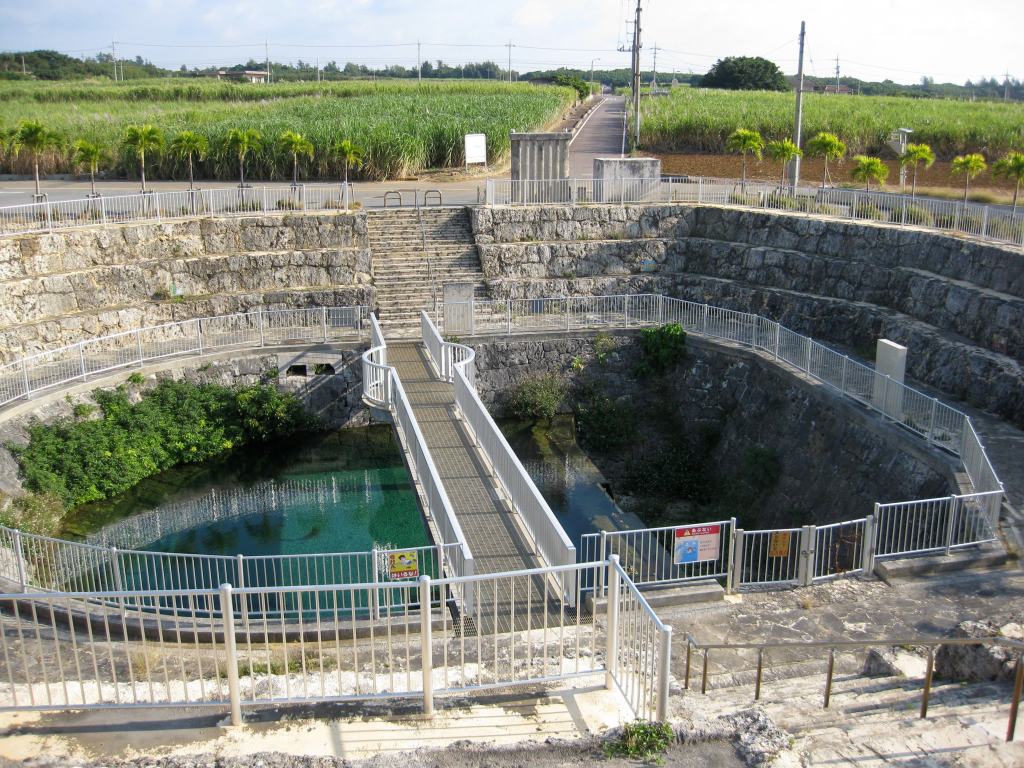
Advanced nations abroad are actively seeking out various alternative water sources. In Miyakojima, located in Okinawa Prefecture, Japan, water is stored in an “underground reservoir.” Miyakojima, a volcanic island, consists of permeable Ryukyu limestone layers, which allow rainwater to filter into groundwater instead of collecting on the surface. The Japanese government constructed underground barriers to establish the Fukusato Underground Dam (total storage capacity: 10.5 million tons) and the Sunagawa Underground Dam (9.5 million tons). By using this groundwater for farming purposes, Miyakojima has minimized the impact of long-term droughts. The Bora Underground Dam (1.6 million tons) is also scheduled to be completed next August.
Spain has required water utilities that serve populations of 20,000 or more to develop strategies for obtaining alternative water sources during periods of drought. For instance, Barcelona has been discharging advanced treated wastewater into the Llobregat River since 2022 as a preparation for droughts, then pumping it back 1 km downstream for further treatment. This approach boosted the Llobregat River’s flow by 25%, ensuring the river remains full even in the absence of rainfall. On the other hand, South Korea emphasizes reducing water consumption, such as through “restricted water supply,” when reservoir levels decrease. During the Gangneung drought in August last year, when the storage level of Obong Reservoir dropped below 20%, reaching the “severe” category, the government only later encouraged using Doam Dam as an alternative water source and pumping water.
Since 2005, Singapore has been progressively increasing its seawater desalination capabilities, now generating up to around 860,000 tons of water daily across five sites—sufficient to supply half of the country’s population of 6.11 million for one day. The Keppel Marina East Desalination Plant, completed in 2020, normally treats water from the Marina Reservoir but transitions to seawater desalination when reservoir levels decrease during dry periods. It utilizes rainwater when there is adequate rainfall and switches to seawater as a source during times of drought.
Experts highlight that South Korea needs to speed up the acquisition of “alternative water sources.” Professor Emeritus Cho Won-cheol from Yonsei University’s Department of Civil Engineering said, “The current government’s drought response only takes place after water conditions in various areas have already become critical,” and stressed, “A drought strategy is required that secures alternative water sources beforehand to ensure no problems with water supply even if there is less rainfall.”




Leave a Reply