
Hongkongers are experiencing intense heat this summer. On Sunday, the citybroke its recordfor the highest temperature ever measured at the Observatory’s Tsim Sha Tsui headquarters, and in the following days, the mercury went above 38 degrees Celsius in certain areas of the region.
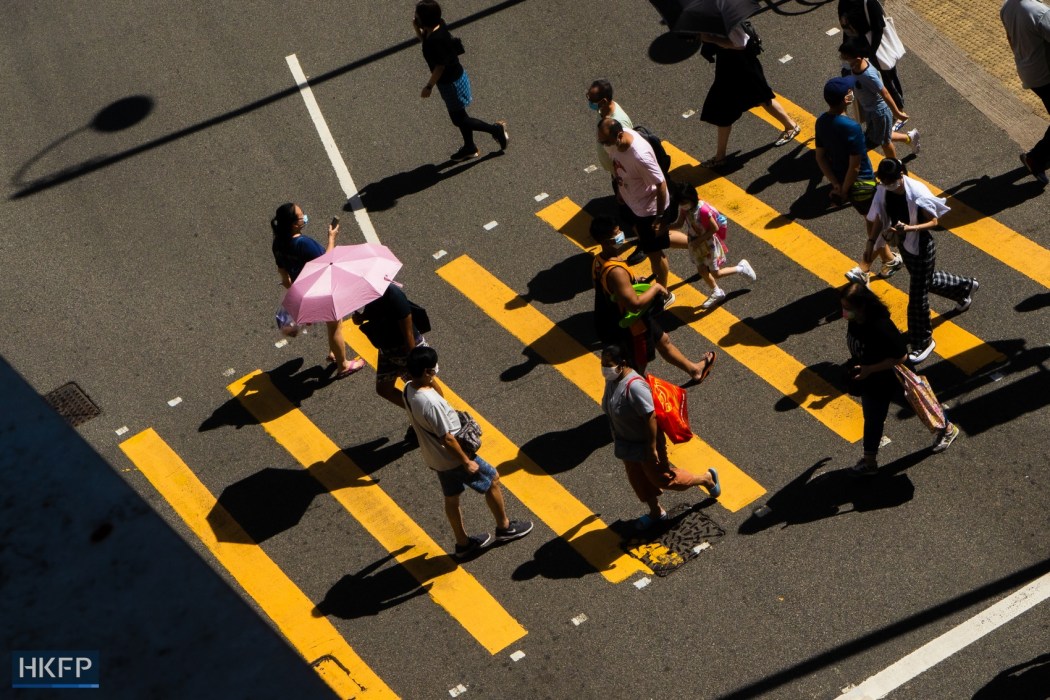
The city experiences high temperatures and humidity due to its tropical position, warm ocean waters, and the “urban heat island” phenomenon, where tall buildings, dense concrete structures, and air conditioning emissions retain heat close to the ground.
On top of that, more all-time high records are anticipated this yearwith the Observatory cautioning regarding the effects of global warming and a “particularly powerful” El Niño phenomenon currently growing stronger in the equatorial Pacific Ocean.
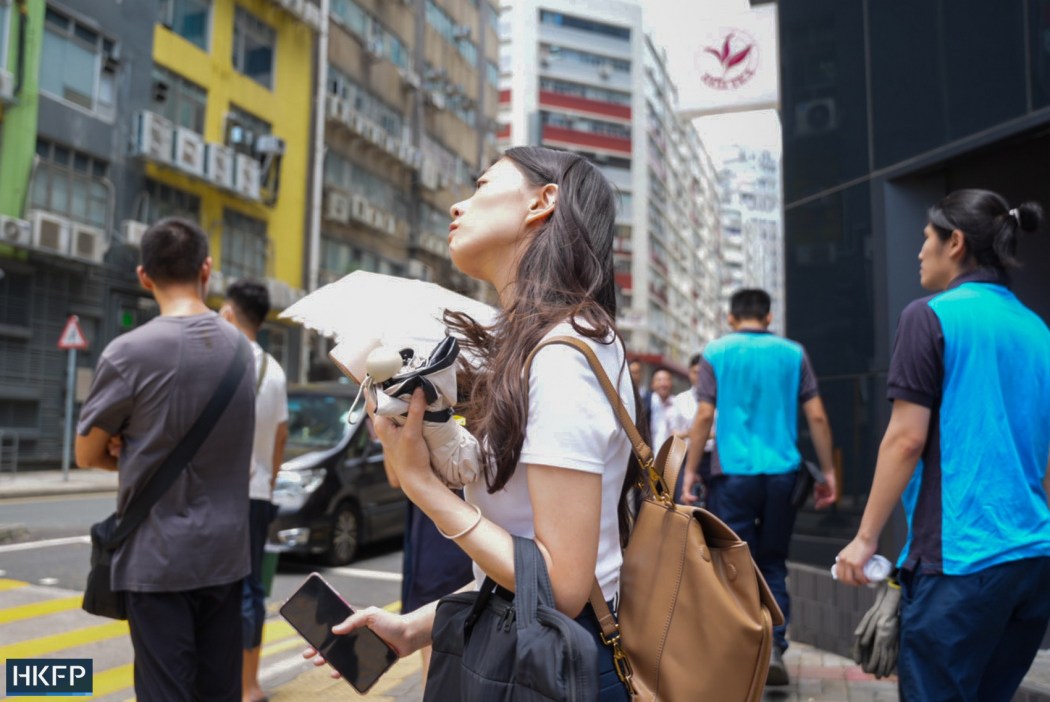
The Hong Kong Observatory’s (HKO) three-tierwarning systemHeatwaves encompass a “Very Hot” alert, which is issued when temperatures hit 33 degrees Celsius; a “Prolonged Heat” special notice, issued if several days of extremely hot weather or hot nights occur consecutively; and an “Extremely Hot” special alert, triggered when temperatures reach 35 degrees Celsius.
The Observatory’s website assists locals in staying updated on heat alerts, and itsMyObservatory appprovides automatic updates to users who have activated push notifications.
Read more: Why intense heat has emerged as the most dangerous hidden threat in global weather-related events
Severe heat poses a threat to the human body, and heat-related conditions can be fatal if not addressed quickly. Although no one is completely safe, older adults, pregnant women, babies, children, individuals who are overweight, and those with long-term health issues are especially vulnerable.
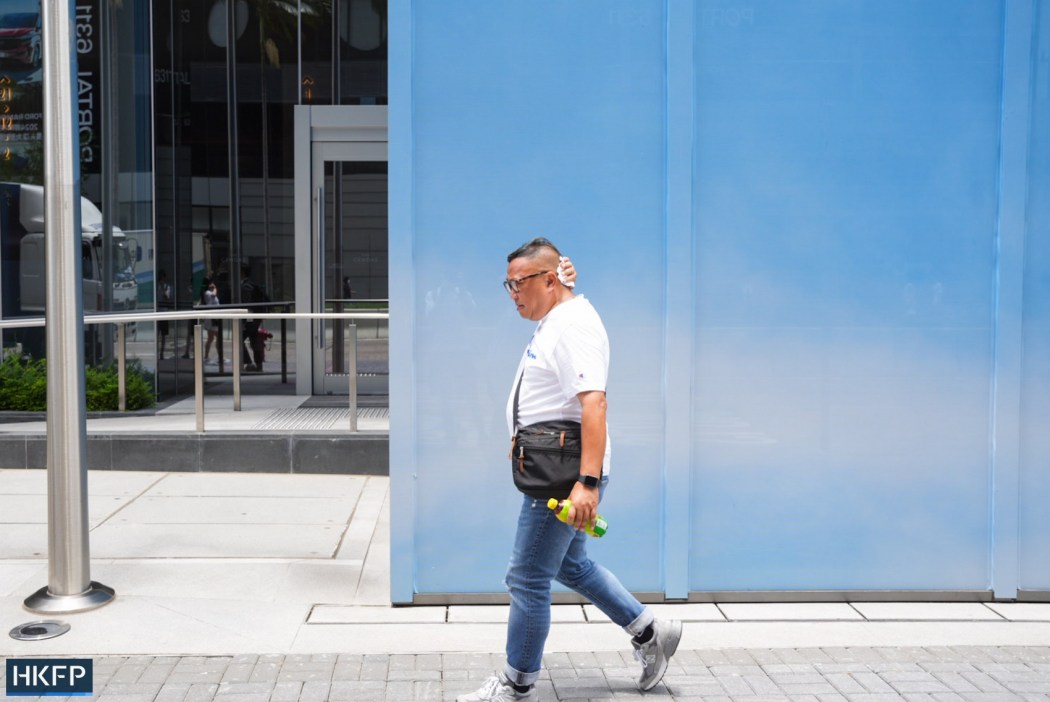
HKFP has gathered essential advice and preventive steps that residents can follow to safeguard their well-being and remain secure as heat levels increase.
Find protection, regardless of the time of day
The Department of Home Affairs temporarily establishes heat shelters in all 18 districts when a Severe Heat Warning is active. Inside, residentscan typically findventilation systems, break areas, water fountains, and also food supplies.
Bedding is also available from 10:30 PM to 8 AM the next day for individuals requiring it. For further details, contact the department’s hotline before midnight at 2572 8427. A list of shelters and their locations is provided above, orclick here to access the most recent information.
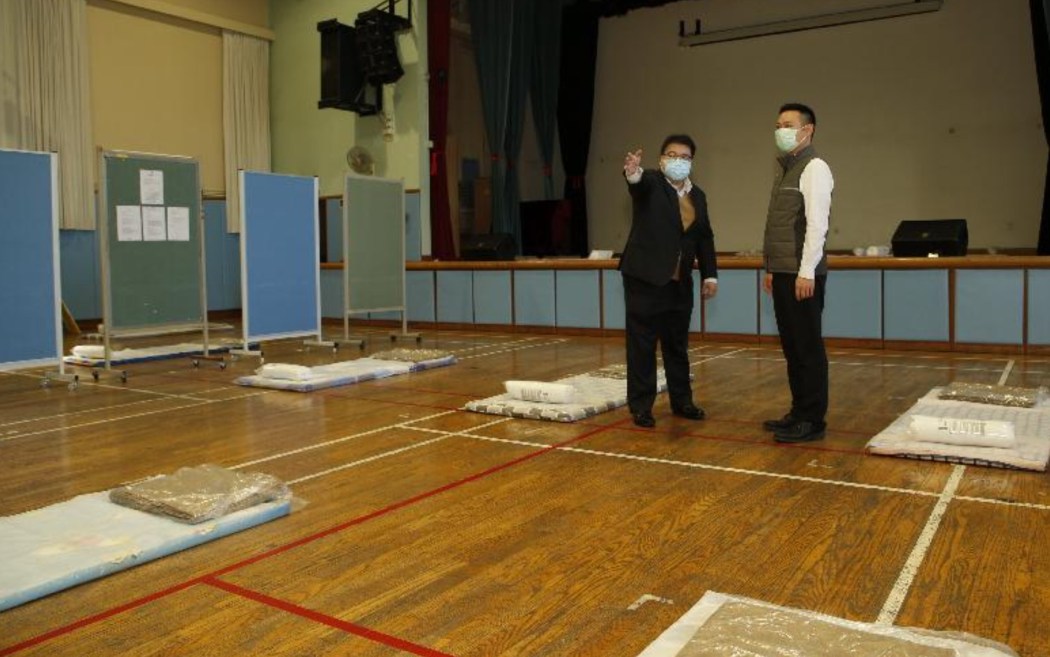
Furthermore, several community halls and centers are available for residents looking for relief from the heat. Details regarding locations and opening times are availablehere.
Numerous shopping centers in Hong Kong can provide relief from the heat. Given their wide distribution, malls, indoor corridors, pedestrian bridges, and MTR underground systems—many of which are cooled—are frequently used to navigate the city while staying away from the intense outdoor temperatures. The Central Elevated Walkway, which links approximately 40 buildings across Admiralty, Central, and parts of Sheung Wan, serves as a prime example.
Keep cool at home
The HKO recommends ensuring indoor spaces are properly ventilated and that temperature and humidity levels are suitable by opening windows or employing a fan or air conditioning system.
The thermostat setting needs to remainbetween 24°C and 26°CTo maintain energy efficiency and thermal comfort, as stated by the Electrical and Mechanical Services Department. It also prevents abrupt temperature changes when individuals go outside, which, although not dangerous for healthy individuals, may still result in minor thermal shock, muscle stiffness, headaches, and nasal discomfort.
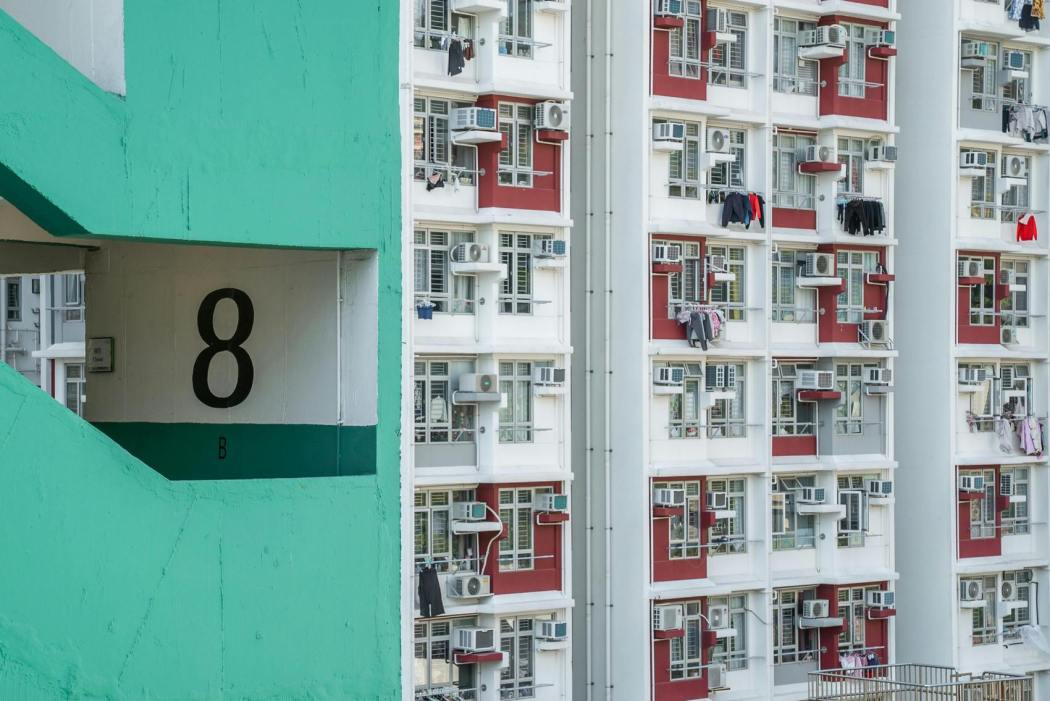
An effective approach is to use a ceiling or standing fan together with the air conditioner, as proper airflow can make the room seem more comfortable. In the late night and early morning, it’s advisable to keep windows open so that accumulated heat can escape, while closing curtains during the hottest parts of the day helps prevent indoor temperatures from rising.
People without access to air conditioning or other cooling methods at home are encouraged to find refuge at cooling centers and other public places during the peak heat times of the day.
Stay hydrated
In scorching temperatures, perspiration helps lower body temperature via evaporation, yet it depletes essential fluids and minerals. When blood volume decreases, the heart must exert more effort to deliver oxygen to organs, placing significant stress on the circulatory system. If not quickly replenished with water, this increased heart rate and diminished heart function can rapidly result in tiredness, lightheadedness, heat exhaustion, and heat stroke.
Therefore, staying hydrated is crucial for general well-being, particularly in high temperatures. Although the Hong Kong authorities do not specify a particular water intake, a reasonable baseline is eight glasses (two liters) daily. Individuals engaged in outdoor work or physical activity should consume more and hydrate more frequently—about one glass of water (250 milliliters) every 15-20 minutes. However, hourly consumption should not go beyond 1.4 liters. Light-colored, odorless, and abundant urine is an indicator of…good indicator of optimal hydration.
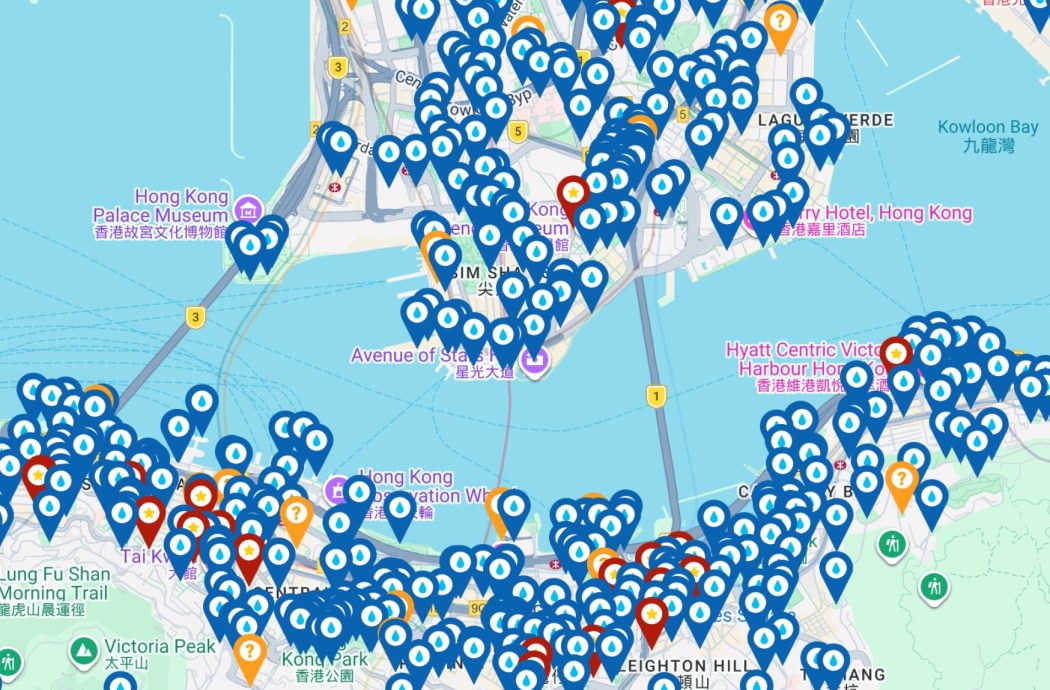
When traveling around, locals can utilize theWater For Free appto locate the closest water fountain.
Alcohol, along with caffeinated beverages such as coffee, energy drinks, and even Hong Kong’s popular milk tea, should be avoided because they may lead to dehydration andraise heart rate and blood pressure in some individuals.
Choose nourishing, hydrating foods
Even if intense heat reduces your hunger, consuming foods packed with nutrients during a hot spell is almost as important as keeping well-hydrated. The World Health Organization (WHO)advisesconsuming smaller, more regular meals that focus on hydrating foods – like watermelons, berries, peaches, and cucumbers – along with nourishing broths and freshly made juices.
It is also advisable to steer clear of heavy and fried foods, as the unhealthy fats they contain can increase internal body temperature, require more energy for digestion, and result in a feeling of tiredness.
It is also advised to refrain from using the stove during a heatwave, and to choose a microwave over an oven to maintain a cooler atmosphere.
Dress appropriately
Selecting appropriate attire during a period of extreme heat is essential for both comfort and well-being. Specialists suggest wearing loose, light clothing crafted from natural, air-permeable materials such as cotton and linen. These fabrics help sweat to evaporate, which is the real mechanism that helps lower body temperature. On the other hand, the WHO warns against synthetic fabrics, which retain moisture and heat.
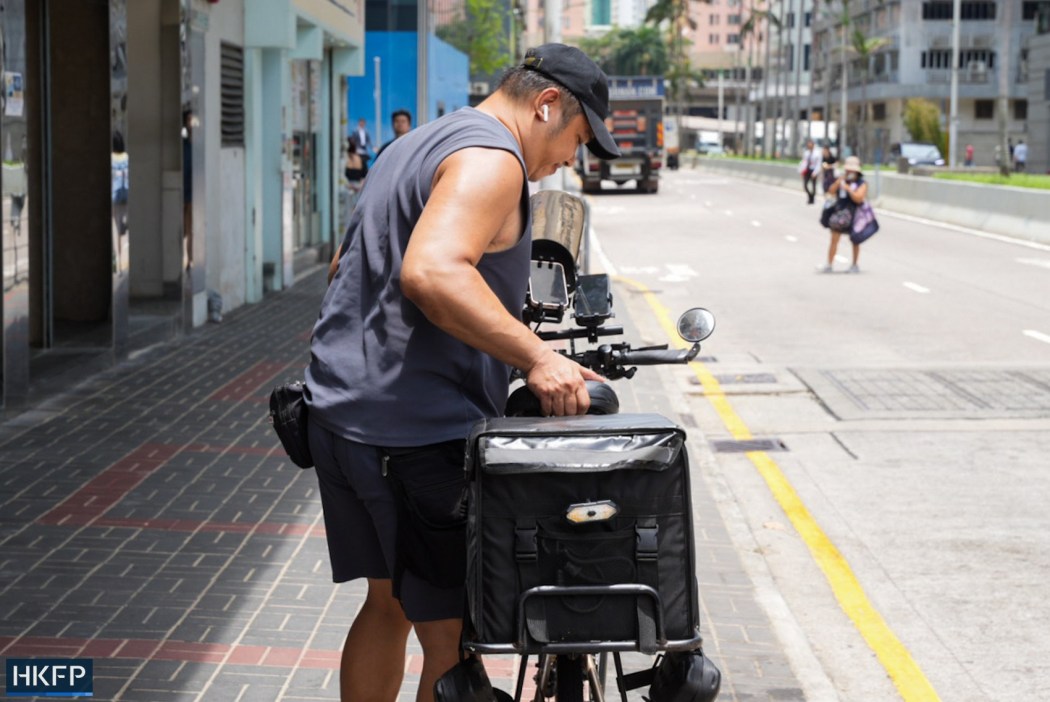
Regarding color, the science is quite complex. While light-colored clothing reflects sunlight, dark-colored clothing absorbs body heat and releases it – as long as the clothes are loose enough to allow air to carry the trapped heat away before it reaches the skin. (A commonly referenced1980 studyOn desert Bedouins, it was revealed that they did not gain any extra heat by wearing black robes as opposed to white.
In conclusion, intelligent layering enables you to modify your clothing as temperatures fluctuate during the day. To protect from UV exposure, the WHO advises combining loose layers with sunscreen, sunglasses that block UV rays, and a hat with a broad brim.
Adjust your workout arrangements
To ensure safe physical activity in extreme heat, plan less intense exercises—such as walking or yoga—for the early morning or late evening hours. Hong Kong also has numerous indoor sports facilities located throughout the city, which are listed by the Leisure and Cultural Services Department (LCSD).website.
When engaging in physical activities or walking outside, choose loose and air-permeable attire, and take 5-10 minute pauses in shaded areas every 15-20 minutes to help your body maintain a comfortable temperature. Drink water regularly every 15-20 minutes during your exercise session, and consider using sports drinks if you are working out for more than an hour.
When it comes to hiking, a popular activity among Hongkongers, the LCSDrecommendsavoiding it on days when the weather is extremely hot, with high humidity, and no breeze, or when theAir Quality Health Indexis extremely high or significant.
Hikers should also steer clear of extended time in direct sunlight and make sure to stay properly hydrated with water and essential minerals. They should also be well-informed about signs of heat-related issues so they can quickly and effectively respond when these symptoms arise.
Particular attention required for employees working outdoors
Hong Kong employees do not possess specific legally enforceable statutory rights regarding high temperatures, although the Employees’ Compensation Ordinance exists.coversoccupational illnesses or deaths such as heatstroke.
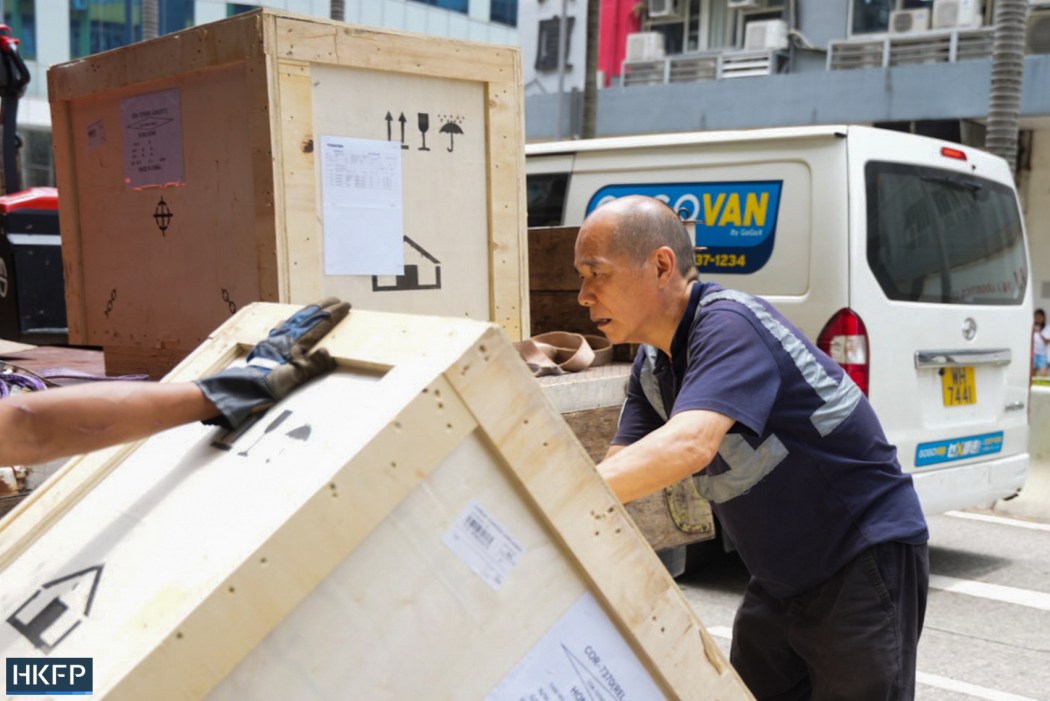
Workers who are outdoors, those employed in indoor spaces without air conditioning, and employees near heat-producing equipment like boilers need to take extra precautions during periods of extreme heat. In addition to the clear concerns related to staying hydrated, a2021 study01208-3/fulltext) also discovered that heatstroke often affects healthy workers and active individuals whose attire or equipment hinders proper evaporation of sweat. Whenever feasible, those working outside should also steer clear of extended exposure to sunlight.
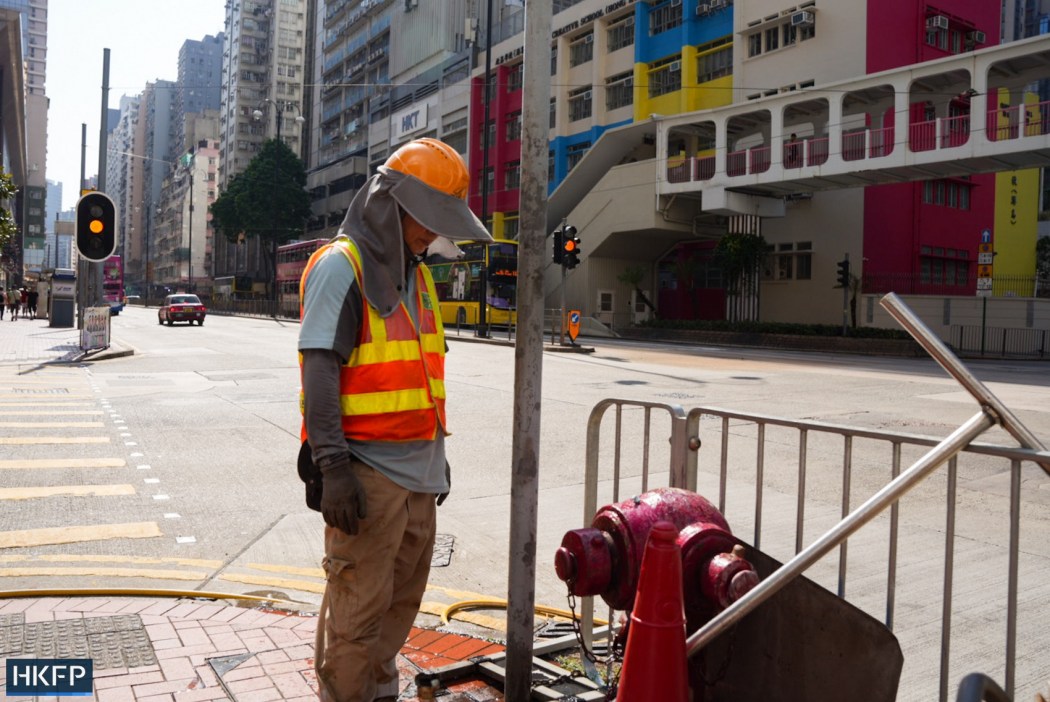
The Occupational Safety and Health Ordinance also requires employers to “perform risk evaluations regarding heat stress for employees in the workplace, and implement suitable actions according to the findings of the assessment to avoid employees suffering from heatstroke while working.”
The Department of Labour lists aseries of non-binding recommendationsFor employers, this includes offering employees with cool drinking water; moving or placing heat-producing devices and machinery away from work areas and supplying appropriate protective gear to staff; ensuring access to shade or shelter from direct sunlight; adjusting work schedules to lower the pace and intensity of tasks during the hottest parts of the day; as well as organizing working hours during cooler daytime periods and allowing breaks whenever feasible.
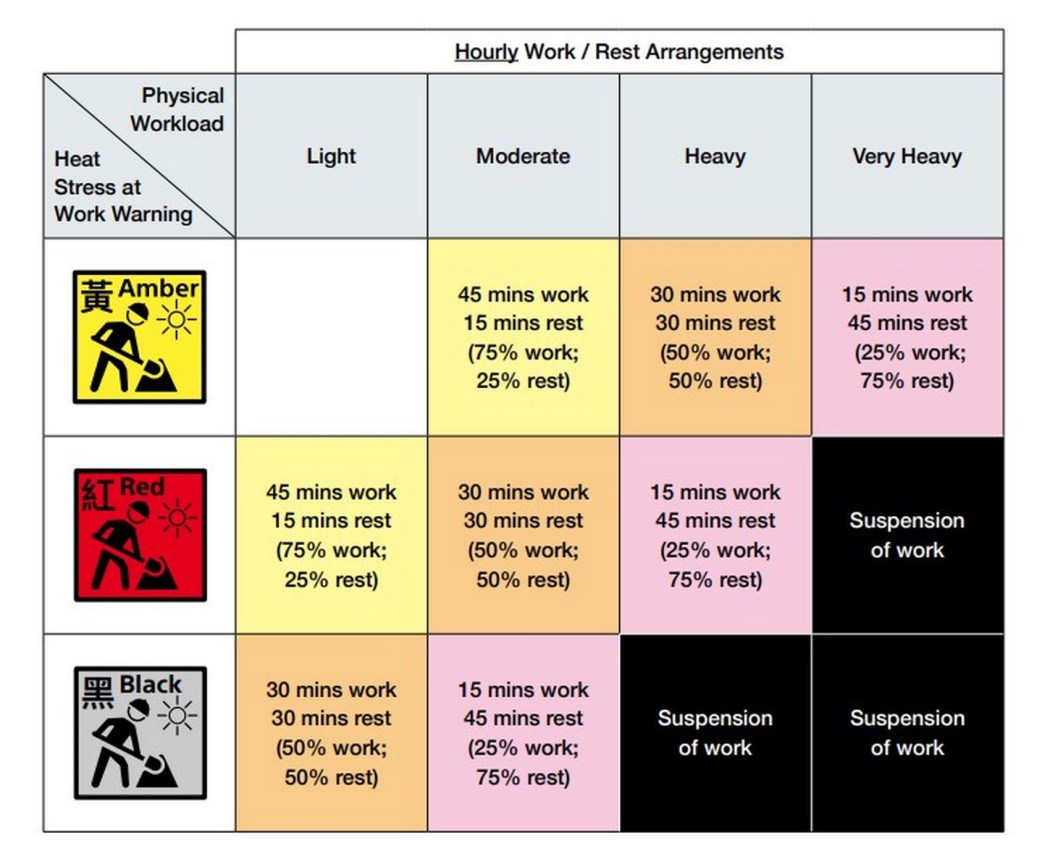
Introduced in 2023, the Labour Department has also launched a Heat Stress at Work Index featuring amber, red, and black warnings. It suggests various rest plans for workers employed outside or in non-air-conditioned environments. Nevertheless, none of the suggestions are legally required by employers, and officials have pledged torework it without ever activating red or black alerts despite record heat recently.
Understand the symptoms
Institutional safeguards are in place, yet they frequently prove difficult to access or not feasible for those in vulnerable positions. This highlights the importance of individual awareness: identifying the initial indicators of heat stress enables individuals to respond promptly before minor symptoms escalate into more serious conditions.
Heat exhaustion is a frequent health hazard during warm weather in Hong Kong, leading toover 200 hospital admissionsEvery year over the past five years, there have been between two and five deaths. However, heat is also known as a “silent killer” because pre-existing health conditions can be significantly worsened or activated without obvious warning signals.
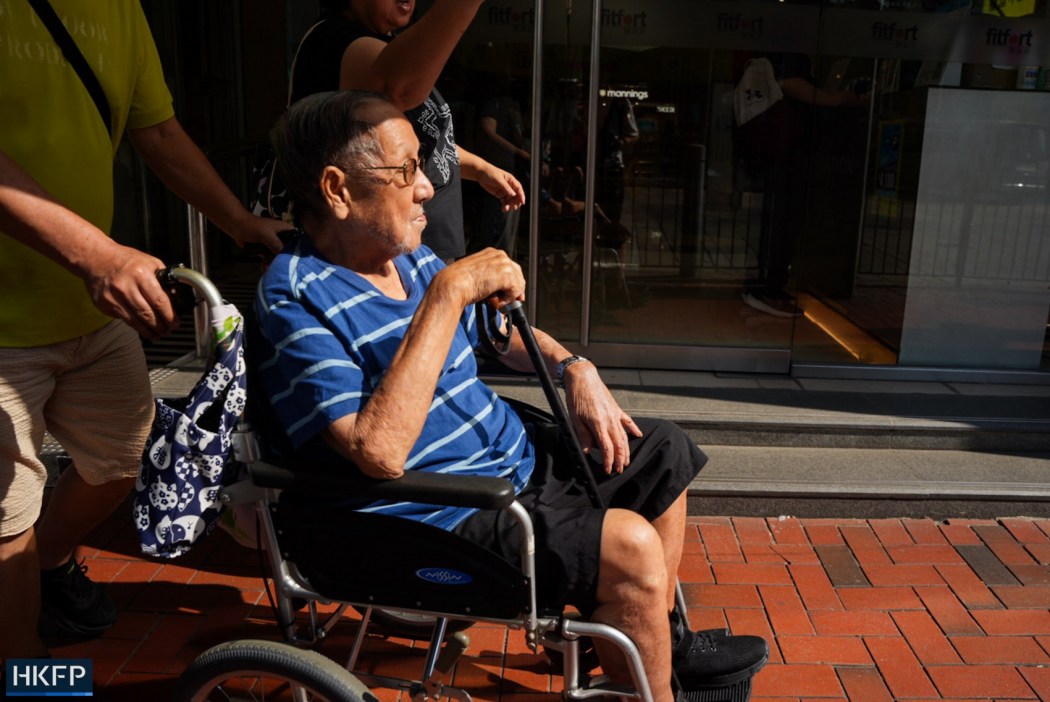
Hongkongers are therefore advised to be very careful. Officials state that residents showing symptoms like dizziness, headache, vomiting, difficulty breathing, or disorientation should rest and get assistance right away, and consult a healthcare professional as soon as possible. If you or another person displays signs of heat exhaustion or heatstroke, take immediate steps such as moving to a cooler place, staying hydrated, resting, or getting medical attention.
You can also make active efforts to reduce your body temperature:
・Drink water during the dayto assist your body’s inherent cooling processes and avoid heat exhaustion.
・Take a refreshing shower or bath.A brief immersion in cold water quickly reduces internal body temperature.
・Place cold compresses or wet cloths on your wrists, neck, and forehead. for immediate heat relief.
・Run fansto maintain airflow, position a bowl of ice in front of a fan for a quick homemade cooling solution.
・Practice mindful, slow breathingto soothe the nervous system and reduce your body’s perception of warmth.
・Prevent direct sunlight from entering during the hottest times of the dayBy drawing the curtains, then opening the windows at night to allow cooler air to flow.


Leave a Reply