
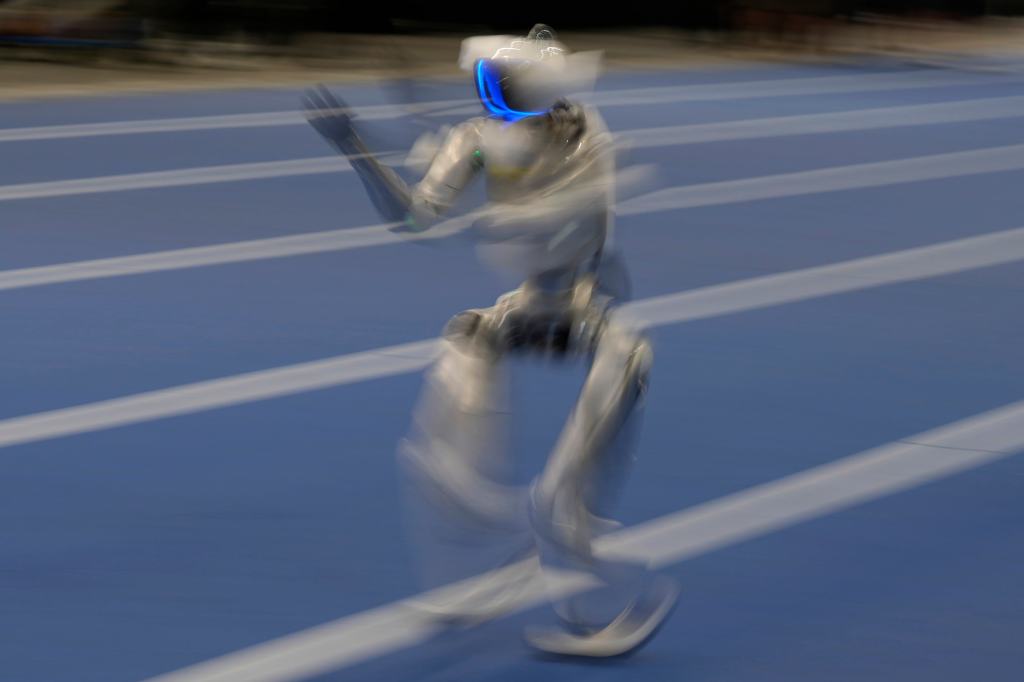
A human-like robot is running at high speed around a 400-meter track. Following the run, the robot went through a physical examination and appeared quite similar to a human athlete. This moment was recorded in Beijing, China, before the World Humanoid Robot Competition, which starts on August 22.
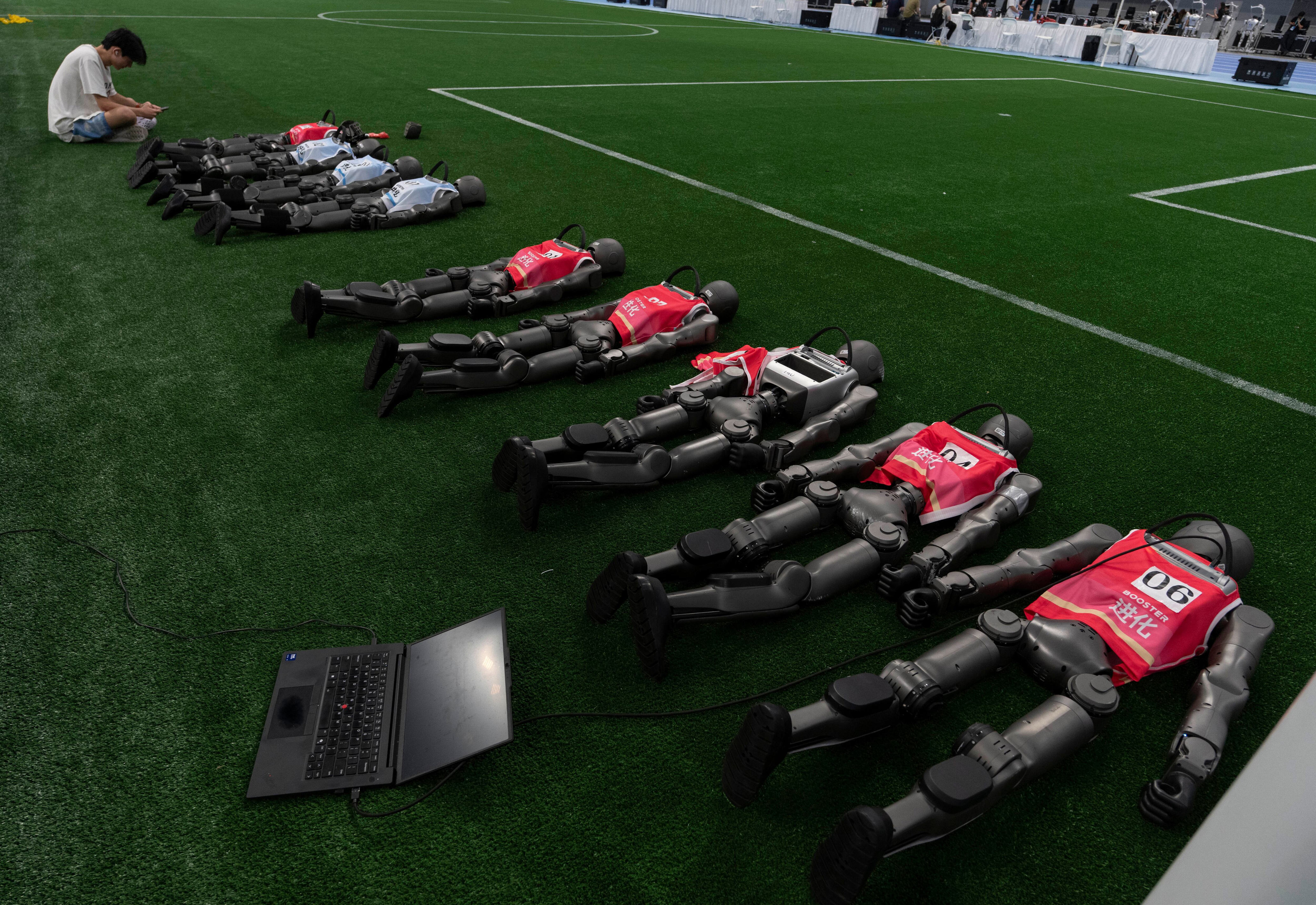
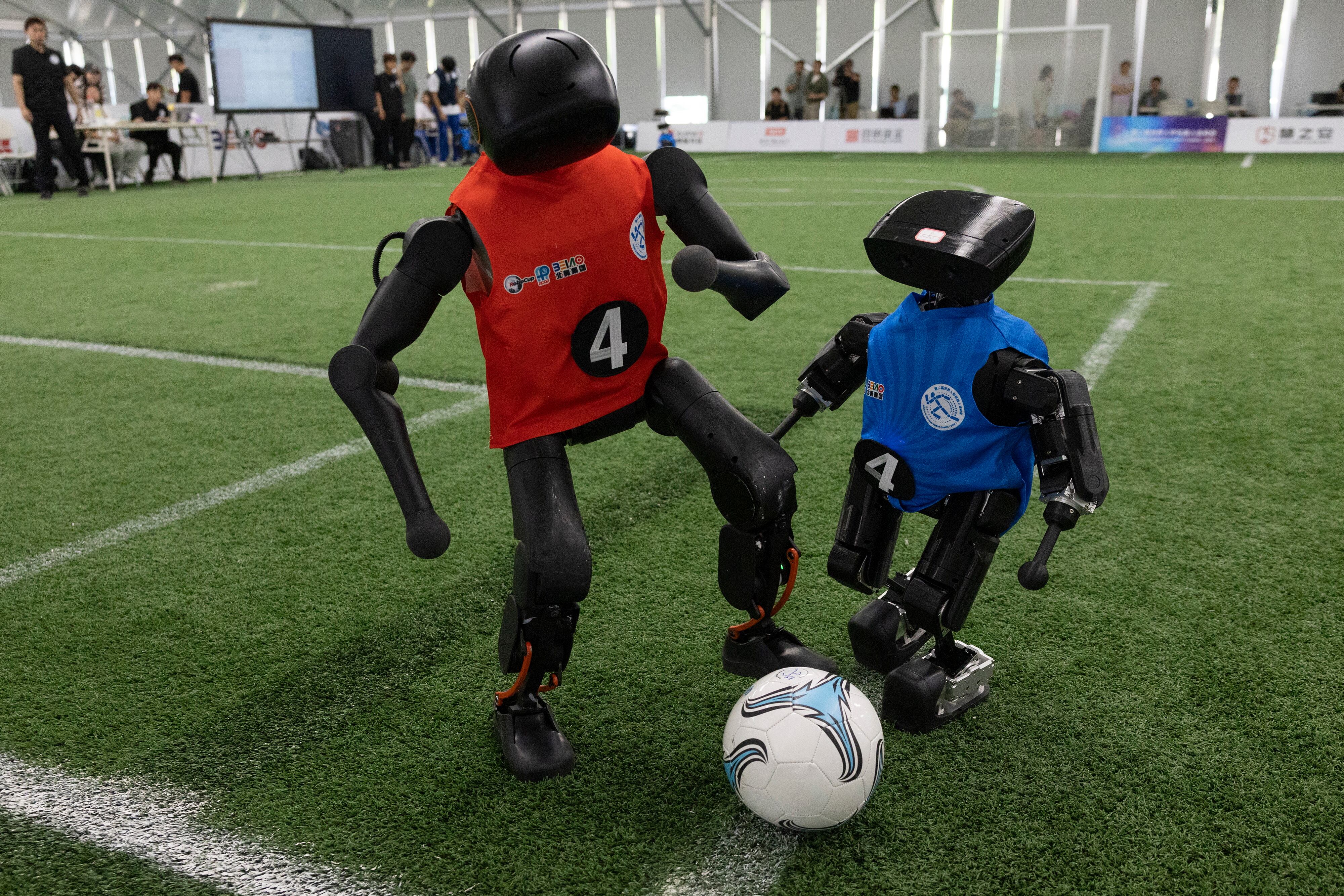
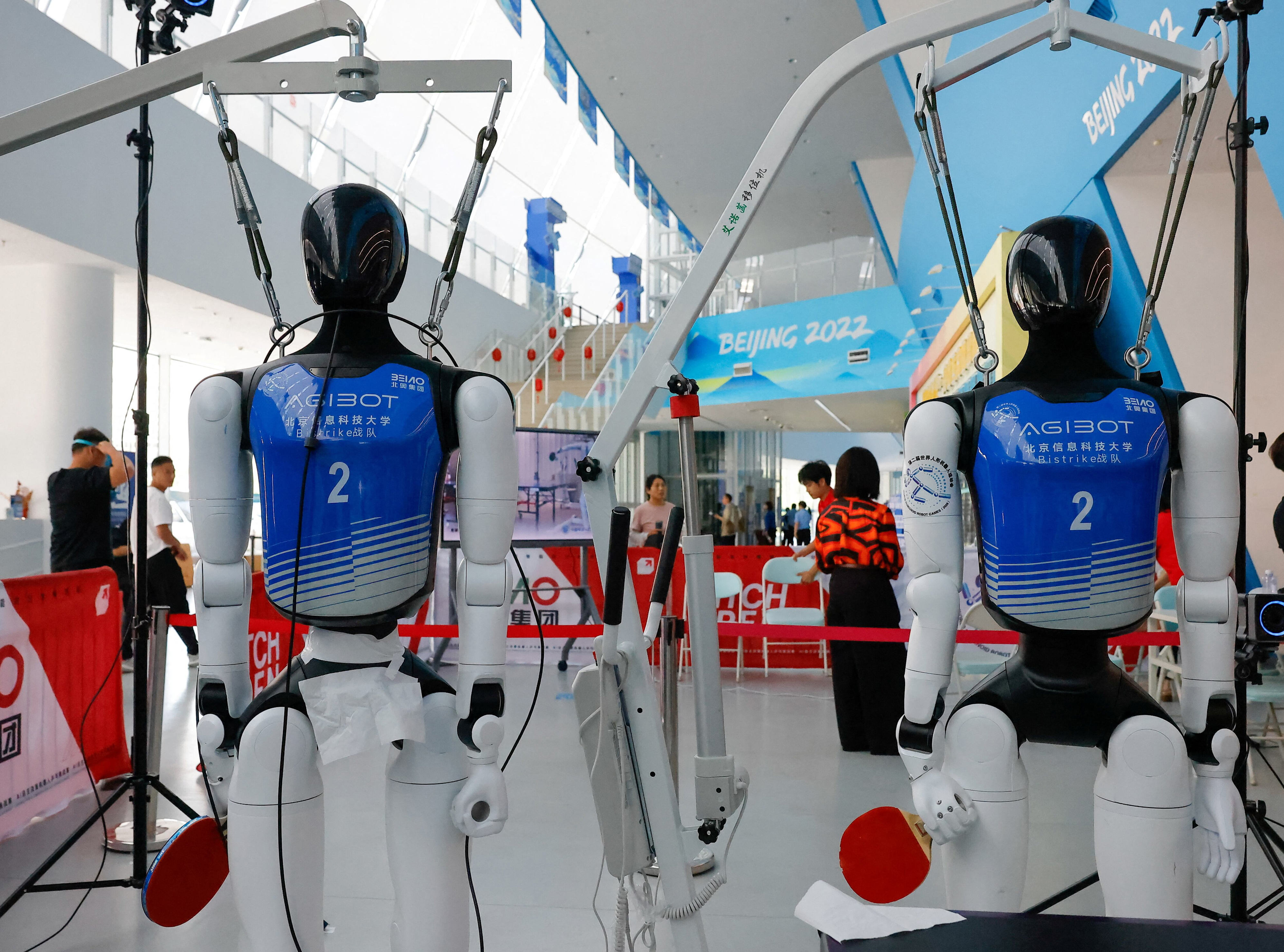
In the training area, humans and robots are intermingled. Two robots, secured by safety ropes from above, stand next to each other, while smaller robots fight physically over a soccer ball on synthetic grass. Prior to and following the training, they were linked to computers to monitor their condition.
The second edition of the World Humanoid Robot Competition will take place at the National Speed Skating Oval in Beijing from August 22 to 26. As per the organizers, 666 teams from 16 nations will present 2,056 robots. This marks a substantial rise in participation compared to last year’s first event, which had 280 teams and more than 500 robots. The number of events has also grown, increasing from 26 last year to 51 this year. There will be 30 competitive events, including athletics, soccer, and dance, as well as 21 scenario-based events that mimic real-world and industrial situations, such as household assistance, industrial work, firefighting and rescue, and hotel services.
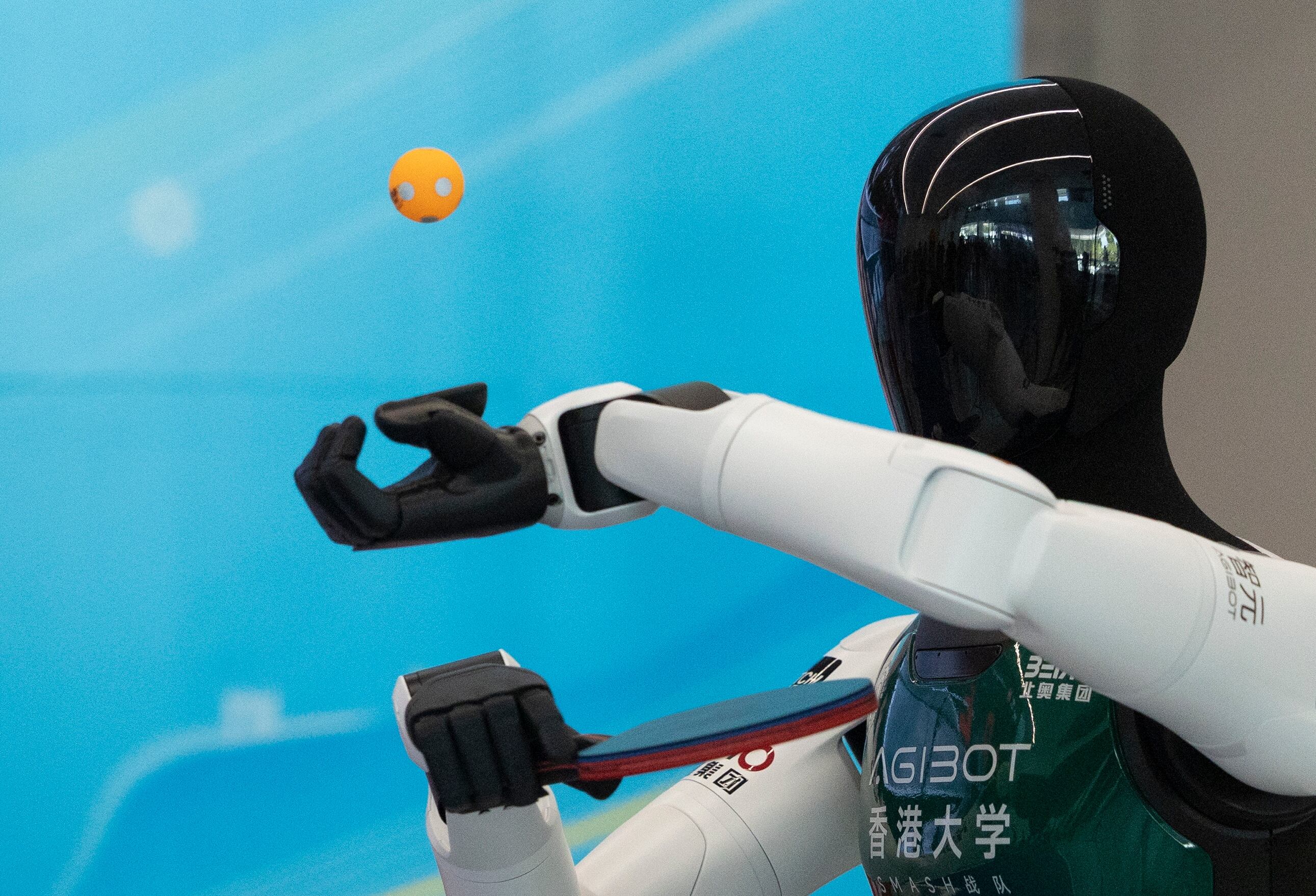
The challenges in the competition have also increased. This year, the 400m, 1,500m, and 4×100m relay events have been transformed into ‘fully autonomous’ categories where robots compete without remote control. These robots need to identify the track on their own, regulate their speed, and handle collisions. The new table tennis event evaluates hand-eye coordination by making robots track moving balls and swing paddles. The process of robots walking, running, and chasing balls within the stadium also assesses the mobility, decision-making, and accuracy needed in real-world industrial applications.
A Chinese robotics firm named Unitree made its debut on the STAR Market of the Shanghai Stock Exchange on the 19th. On its initial trading day, the stock closed at 845 Chinese yuan, reflecting a 460% rise from the offering price, and the company’s value climbed to around 50 billion dollars.
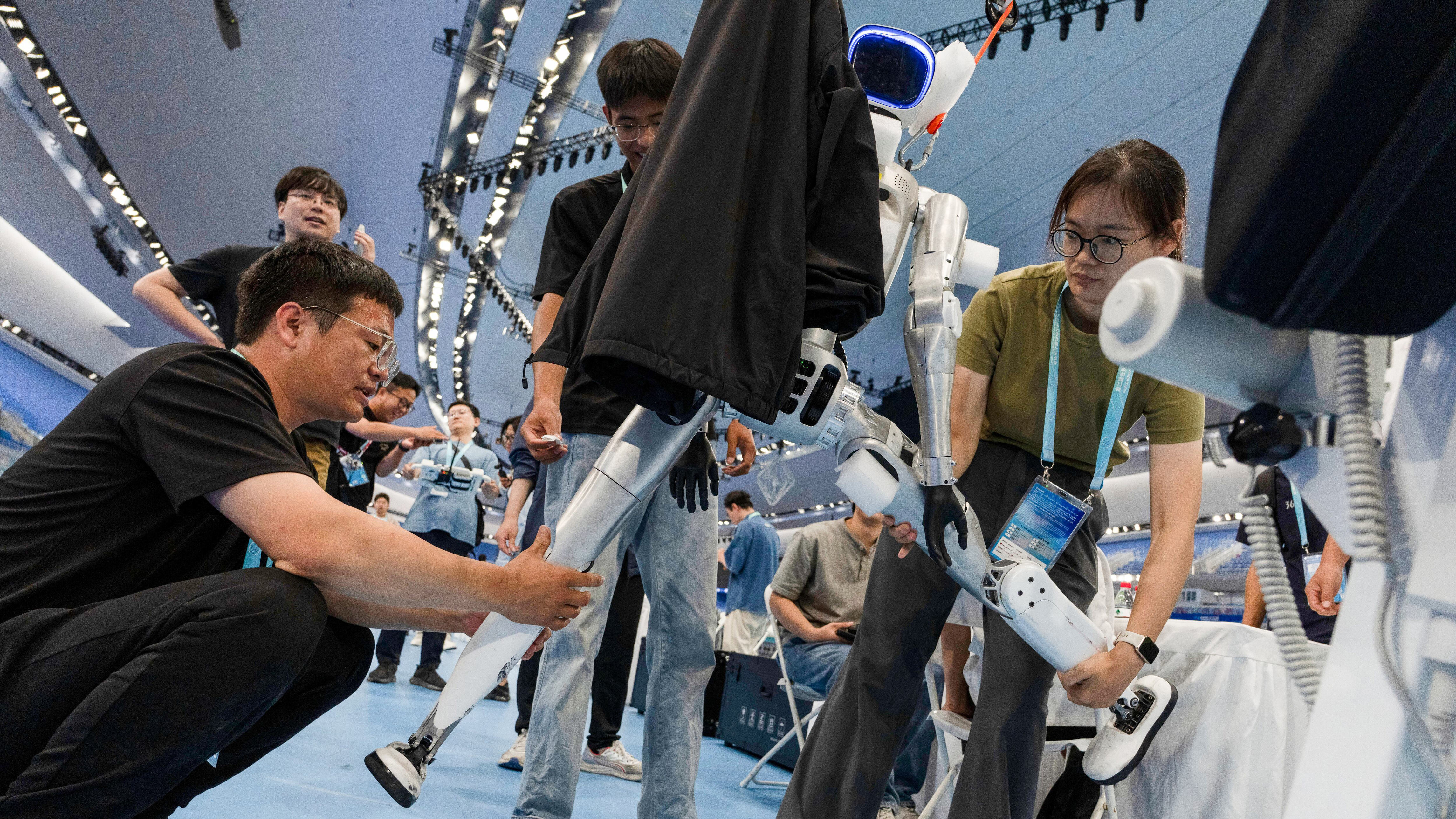
The atmosphere of the World Humanoid Robot Competition resembles a celebration. In the past year, the number of competing robots has exceeded 2,000, compared to more than 500 previously, and the variety of events assessing whether robots can substitute humans in industrial environments has also grown. From running and soccer to domestic tasks, fire fighting, and rescue missions, the robots’ areas of application are quickly broadening. It is intriguing to consider how much the robots, which currently rely on human support both inside and outside the venue, will transform daily human life in the future.






Leave a Reply