
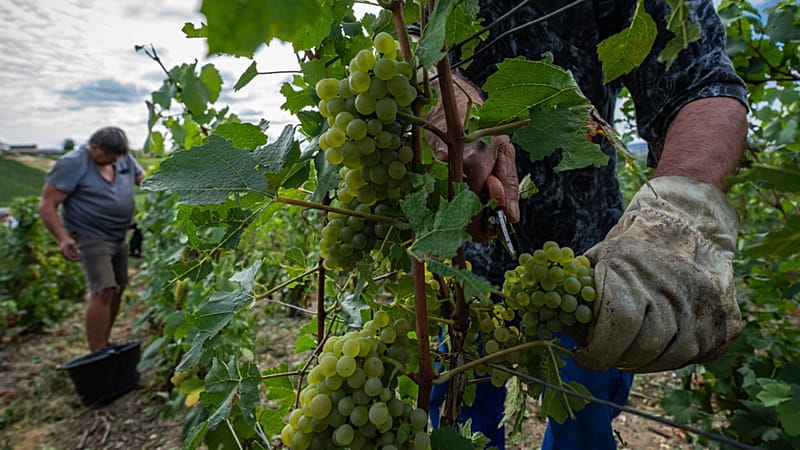
In Champagne, the schedule appears to be moving at a rapid pace. On the slopes of Hautvillers, workers are already busy harvesting grapes even though August has not concluded. This year, the initial picking officially began between August 12 and 17, varying by location and grape type. An unusually early beginning that highlights the impact of climate change in the area.
For Alexandre Gobillard, production director at the Gobillard & Fils house, picking this early was once considered impossible.
“I have been involved with the estate for 30 years, and when I began, my father would always mention: ‘On 15 August, take a vacation.’ Now it’s 18 August, and we are in the midst of the harvest. We have never experienced anything like this before.” he explains.
The high temperatures have significantly accelerated the ripening process of the grapes. Following a period of frost at the end of March (another unprecedented event), Champagne experienced multiple heatwaves and intense drought conditions. In some areas of the region, temperatures soared to 40°C in June.
The dry period has also led to higher sugar levels in the grapes. As a result, vintners must carefully track ripeness to achieve the perfect balance and create champagne that is both fresh and subtle.
A little further east, in Tours-sur-Marne,the circumstances remain unchanged. The owner of these vines,Ophélie Lapie-Lamiable, can only note that over the past twenty years or so, particularly since the 2003 heatwave, the harvest has consistently been moved earlier and that people may need to adapt to this.
“2003 remains a significant year in memory. It marked the first instance when we harvested at the end of August in Champagne. Since 2003, we have harvested by the end of August at least ten more times, and thus 2026 is likely to be noted for its frost and early harvest. Maybe in twenty years’ time, we will look back and say that harvesting on August 15th has become more or less standard.” says Ophélie Lapie-Lamiable, manager of Champagne Lamiable.
Paying any price to adjust to climate change
This change is already pushing the industry to reconsider its methods and explore grape types that can endure the effects of climate change. It also complicates the organization of the harvest, which is typically done manually, involving thousands of temporary workers who must be accommodated and transported during the summer, often in extremely hot conditions.
In the vineyards, initial indications remain positive. The current concern is what this rapid harvest will yield once the wine is bottled.
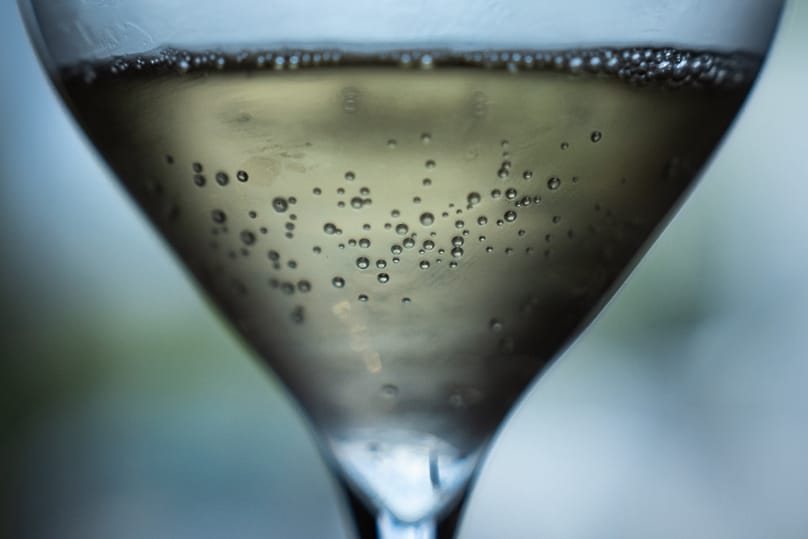
In the cellars, the grapes are already being crushed. The initial bubbles of this exceptionally early harvest are now starting to form, and it will take several years to determine if they have met all their expectations and are regarded as a grand cru.
This text was translated using artificial intelligence. Report an issue: [feedback-articles-en@euronews.com].





Leave a Reply