
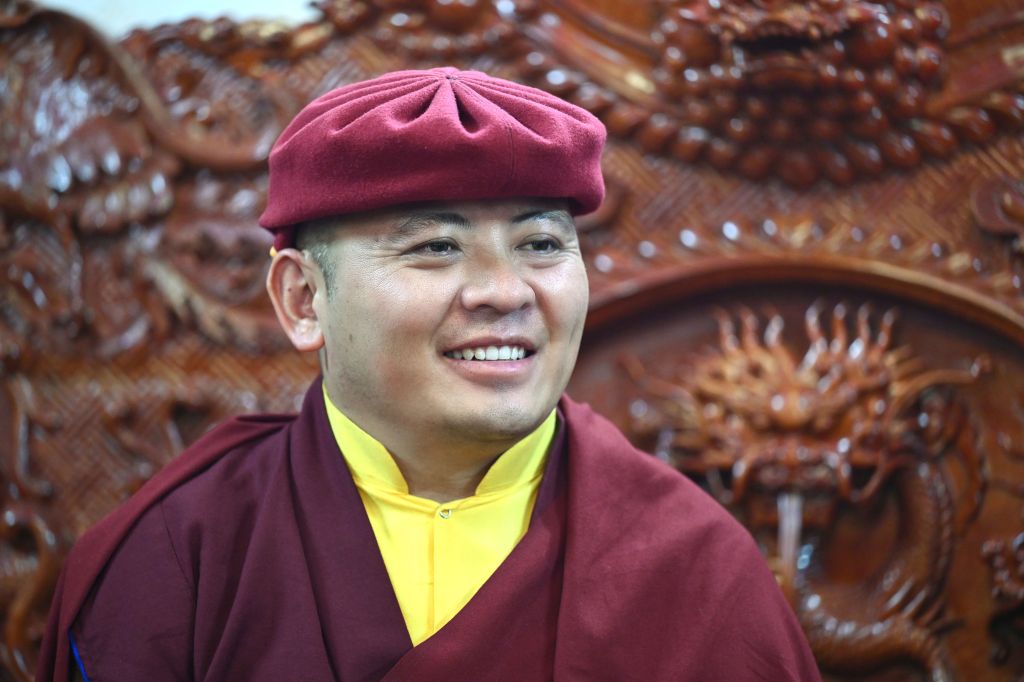
The Buddhist spiritual figure Drukpa Thuksey Rinpoche states that overuse of screens and artificial intelligence may lead young individuals to become more passive, whereas hands-on experiences and facing challenges in real life can foster resilience and empathy.
His Eminence Drukpa Thuksey Rinpoche encourages young people ‘to leave the digital realm’
Buddhist spiritual leader Drukpa Thuksey Rinpocheclaims that over-reliance on screens and artificial intelligence may lead young individuals to become more passive, whereas hands-on experiences and facing challenges in the real world can foster resilience and empathy.
Born in 1986 in Ladakh, India, His Eminence Kyabje Drukpa Thuksey Rinpoche was identified at the age of two and a half as a reborn master within the Vajrayana Buddhist tradition. He now manages the Druk Sang-Ngag Choling Monastery in Darjeeling, India, which houses approximately 500 monks, and also acts as the principal of the Druk White Lotus School, which enrolls 1,000 students.
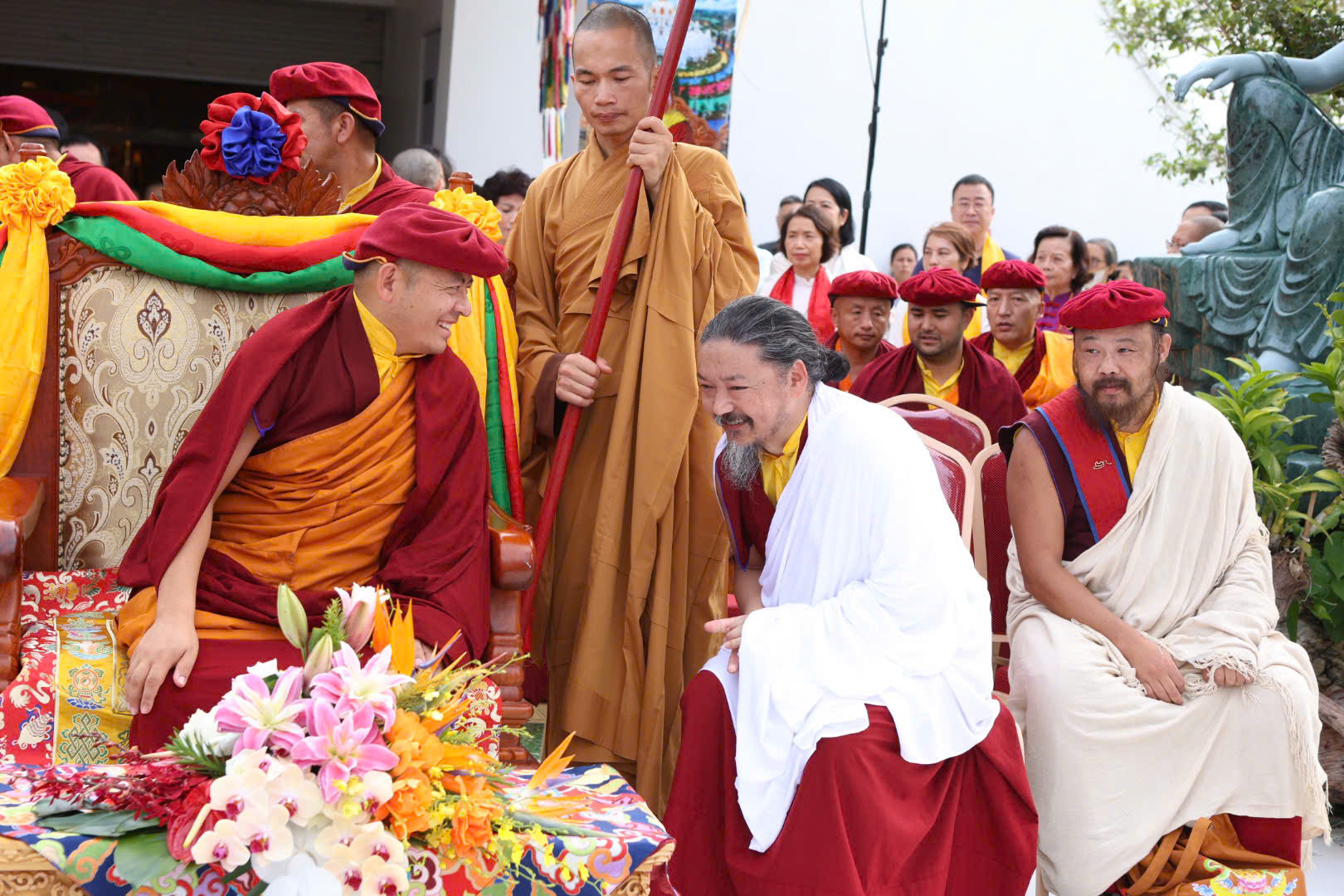
During the Vu Lan period, a significant Buddhist celebration honoring filial respect and appreciation, he went back to the Tay Thien Grand Mandala Stupa to lead the Immeasurable Life and Wisdom Dharma Ceremony.
In an interview with VnExpressHe talked about the impact of technology and artificial intelligence on youth, the constraints of fleeting “healing” fads, the value of facing challenges, and ways individuals can build stronger mental toughness in the modern digital era.
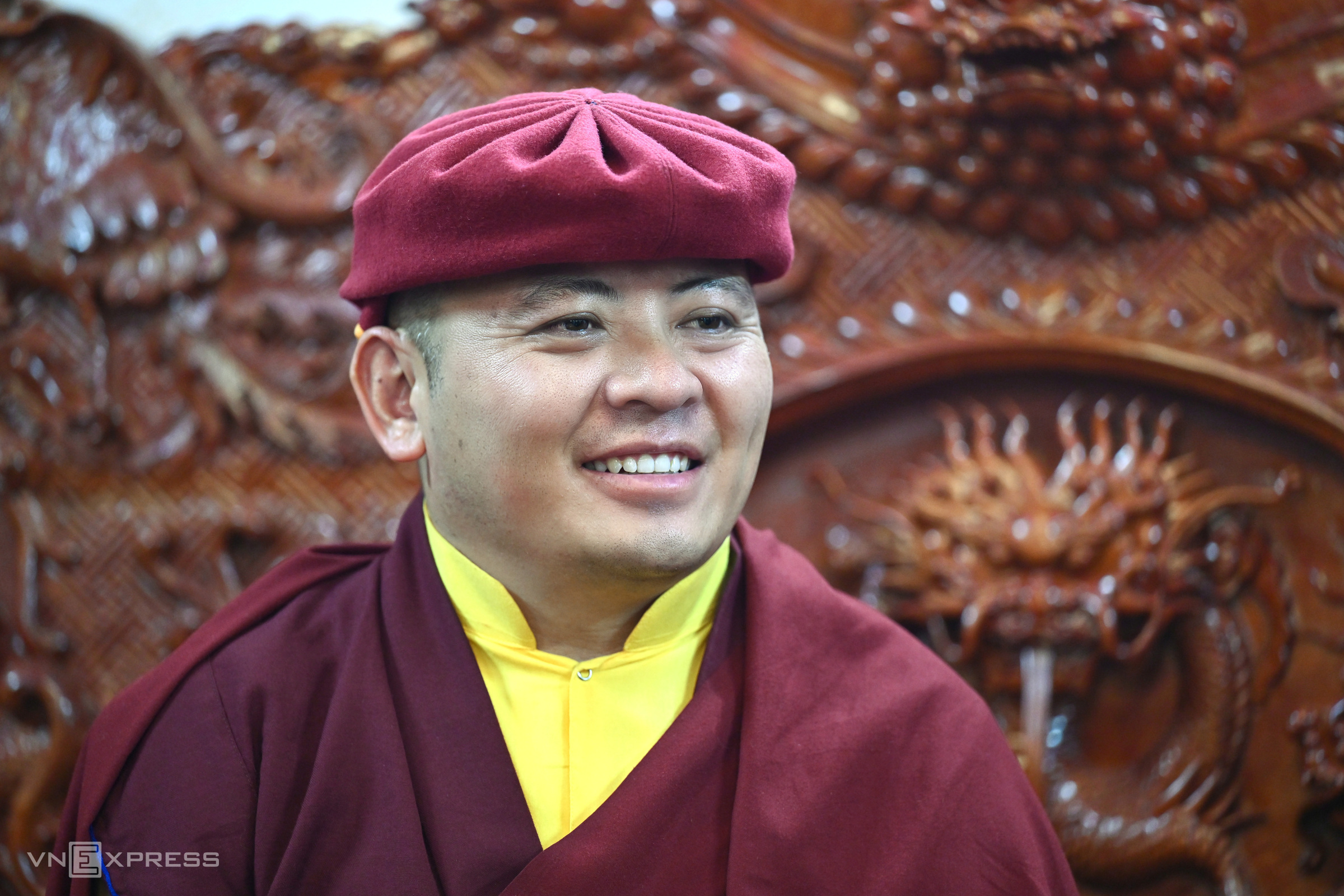
You have come back to Vietnam during the Vu Lan festival and a time honoring significant historical events. What does this trip mean to you, and how do you view the transformations in the country and its people after 19 years of involvement with Vietnam?
The Drukpa Lineage and I have a fortunate karmic link with Vietnam. Each time I travel there, this connection becomes deeper, enabling us to comprehend each other more fully and exchange greater knowledge and teachings.
This trip carries deep significance. Remembrances of history are more than just chances to show appreciation for those who came before us. At their heart, they also provide a lesson for the youth: We must not assume peace is guaranteed, as the comfort we enjoy today was achieved through many sacrifices. Grasping this truth enables us to value the present and understand our duty for the future.
When I reflect on my initial trip to Vietnam 19 years ago, I am reminded of impermanence, a fundamental principle in Buddhism. My old friends and fellow practitioners throughout Vietnam have aged over the years. Everything is in a state of continuous change, facing highs and lows, and progressing forward. We need to embrace this as an inherent law of nature.
Vietnam is experiencing rapid growth. Each time I come back, I notice more advanced roads and scenic views. Although progress in the physical environment is promising, it is equally vital to enhance people’s inner well-being.
The 21st century has introduced chaos, grief, and mental health issues. In Vietnam, numerous individuals are also experiencing a storm of difficulties. Food provides sustenance to the body, while vitamins support our immune system. The same concept is relevant to our spiritual well-being. Amid happiness, sadness, attachment, anger, and cravings, spirituality can function as a vitamin for the mind, assisting us in preserving equilibrium.
I have observed a major change in people’s perspectives. When I initially arrived in Vietnam, many individuals mainly relied on Buddhism to seek health, long life, and prosperity. Now, an increasing number of people are pursuing a more profound comprehension through spiritual activities and striving to achieve mental tranquility. I regard this as a positive development.
After engaging with numerous young individuals, how do you believe technology and social media are influencing them?
I am convinced that youth hold a crucial position in society. It is important to have faith in, value, and pay attention to them, while also offering suitable direction since they represent the country’s future.
Young individuals across the globe are constantly surrounded by technology. In the school I manage, which serves 1,000 students, I observe numerous students getting deeply engaged with screens, often leading to feelings of anxiety or frustration. While technology is an unavoidable part of a progressing world, it is a joint responsibility of families and the educational system to assist young people in not losing their sense of self.
I consistently encourage my students to go beyond the limits set by textbooks and digital tools. These resources often focus on personal achievement, yet they seldom emphasize empathy. They pose the question, “How can I succeed?” instead of, “How can we all succeed collectively?”
Life in reality does not function through clicks. A screen is a lifeless object: It lacks feelings, scents, flavors, or physical interaction. When everything can be acquired so effortlessly with a single press of a button, without facing challenges, individuals may gradually lose the capacity to value things.
Having expertise in using a computer doesn’t automatically imply comprehension of life’s deeper meanings. People possess incredible mental abilities, but we are progressively ignoring some of our natural skills due to our heavy reliance on mobile devices. In this way, we may end up losing our ability to think independently and adjust on our own.
My father is almost 80 years old. In the past, when there were no maps or clocks, he could observe the stars to determine the time, listen to birds to forecast rain or sun, and when he was unwell, he would go into the garden to gather healing plants. In comparison, many of my friends in the city admit that if their phones lose power and they lose GPS, they wouldn’t know how to find their way home.
Our forebears traveled great distances, using the moon, stars, hills, and mountains as their guides, never losing their path. Back then, individuals depended greatly on their own wit and alertness. Nowadays, though, many believe they are growing smarter due to the extensive time they spend staring at screens, yet they might actually be letting some of their skills fade away. It’s time to wake up and leave the digital realm behind.
The swift advancement of artificial intelligence (AI) appears to increase people’s tendency to depend on machines for solutions. How can we prevent losing our feeling of self-worth in this time?
New advancements and artificial intelligence offer numerous advantages. They have the potential to speed up progress and even preserve lives. I don’t dispute this. Nevertheless, overreliance on them may lead to a more passive human intellect.
Machines function according to set guidelines and can malfunction when faced with scenarios outside these boundaries. Human intelligence and our capacity to adjust, however, are not bound by the same rigid constraints. At times, we limit our own potential to align with the restrictions of a machine.
It’s crucial to keep in mind that every creation, ranging from a phone display to the most advanced AI system, comes from the human brain. These technologies didn’t appear out of nowhere. As humans developed them, we shouldn’t believe that we are less smart than machines. We have the ability to surpass them.
Many young individuals today encounter significant mental health issues and seek out “healing” programs. Some people claim that these are merely methods of avoiding real-life problems. What is your opinion?
An important reason is that some young individuals are raised in excessively protected settings. Guardians might shield their children and handle all aspects of their lives, resulting in minimal experience with challenges. When they face difficulties, they might feel overwhelmed due to a lack of what I refer to as mental “resistance.” They might then seek escape through drugs or shallow methods of “coping.” These options can offer short-term comfort, but when the effect wears off, they may end up dealing with the same issues once more.
Life is comparable to a lengthy hike. If a child is informed about the tough areas ahead, they can gather the essential gear. However, if parents describe it as just a “relaxing stroll in the park,” the child might depart without proper preparation and encounter difficulties during the trip. Parents need to assist children in learning how to deal with obstacles from a young age.
A different cause of distress stems from an overemphasis on self. Individuals who are taught to concentrate solely on “me” may struggle when circumstances don’t align with their expectations. Expanding one’s compassion, cultivating empathy, and participating in the hardships of others can serve as effective methods to lessen personal challenges.
In conclusion, academic credentials and scholarly success do not ensure contentment. A high degree of education is ineffective without kindness. Learning in the modern age should not just populate people’s minds with information. At its foundation, it must also develop personality and understanding.
Having invested so much energy into young people, have there been moments when you felt helpless in the face of their challenges? Or, on the other hand, have you learned from your own students?
Yes, I have experienced a sense of powerlessness. In my native region of Ladakh, nestled in the Himalayas, I put in a lot of work with the youth, but I have seen some succumb to drug addiction. Even with my best efforts, I was unable to guide them back because they had strayed too far from the right path. This situation causes me great sorrow. I wish to assist as many young people as possible since they represent the future, but at times I feel powerless.
At the same time, these experiences, along with overseeing a school that has 1,000 students, have demonstrated to me that education should be a mutual exchange. I have gained a lot from young individuals. They assist me in comprehending how the contemporary world, technology, and the economy function. Even if my guidance is not successful, they can point out where I was wrong. We need to focus on listening instead of just delivering lectures.

Your early years were influenced by rigorous Buddhist teachings and discipline. What did relinquishing those years of freedom and recreation teach you regarding happiness?
I dedicated nine years to pursuing advanced studies at the Tango Monastery in Bhutan. It was an incredible experience, and it wasn’t especially challenging since I was already older at that time. The real challenge came during my foundational Buddhist education, which spanned from the age of four until I turned eighteen.
At that stage in my life, I was a young boy who shared the same ambitions as other children—running, shouting, and having fun. However, every time I requested permission, the response was always “No.” I wasn’t permitted to play football or hang out with friends. Frequently, I would watch from the window as my classmates spent hours playing outside, then return to my studies and rigid rules. Back then, I believed I was making a significant sacrifice by giving up my childhood.
Reflecting on the lives of those boys who used to play outside my window, I now perceive a different scenario. Several of them are not joyful. They face challenges with depression, frustration, and mental health issues. In comparison, I feel truly happy and satisfied with myself and the life I have.
I don’t have any regrets. Rather, I view that period of strictness and the giving up of childhood enjoyments as a gift. Thanks to the mentorship and unique teaching style of my teacher, His Holiness the Gyalwang Drukpa, I have become the person I am now.
It is simple to encounter affluent, influential, and well-educated individuals in this world, yet it is far less common to come across those who are truly content. Achieving inner happiness is the most valuable outcome that discipline and sacrifice have bestowed upon me.
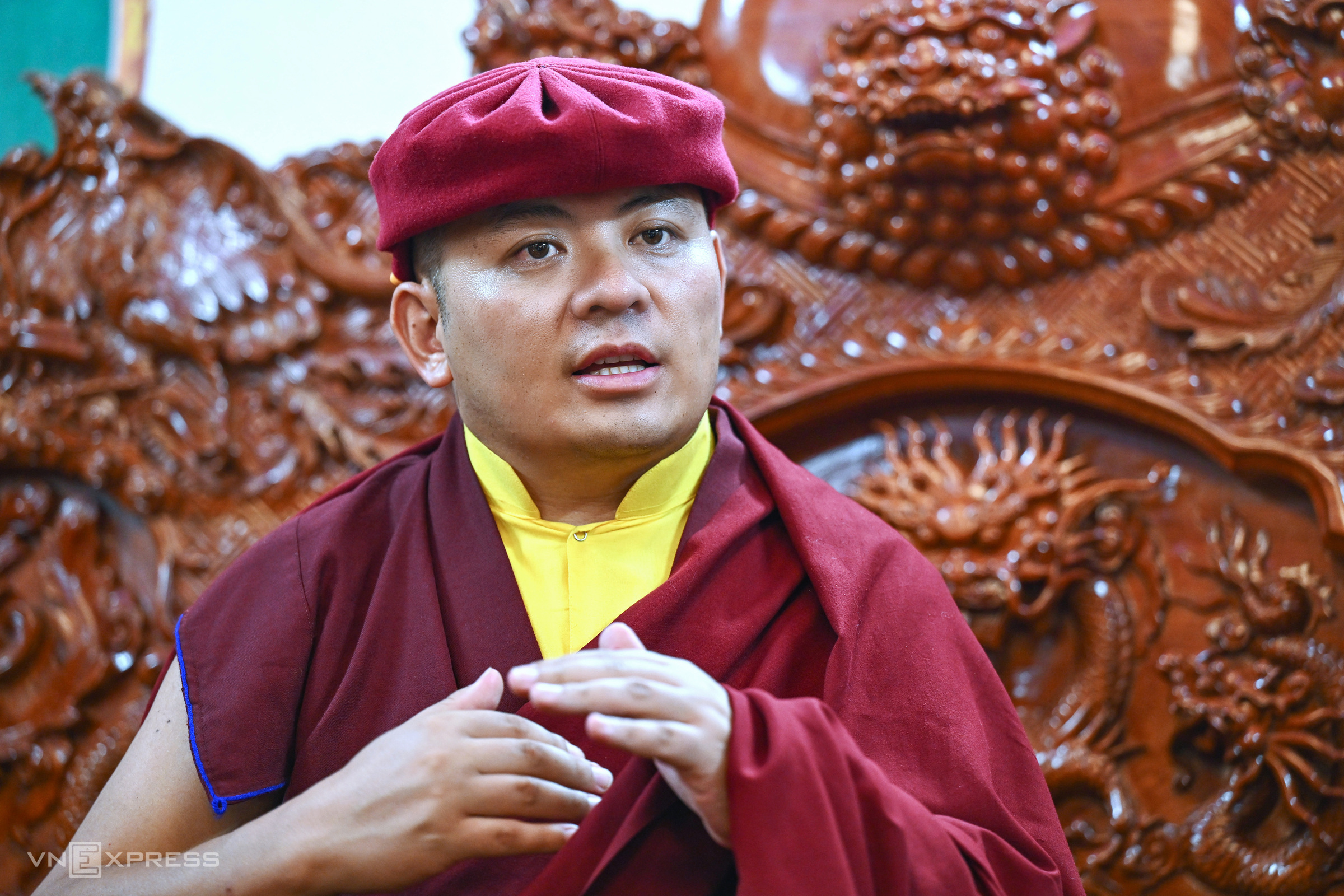
You frequently encourage young individuals to confront challenges. During your five-day eco-walk through the Himalayas, which highlighted environmental conservation, anti-drug education, and youth growth, what insights did you gain from this journey?
While traveling by air or car, we go from one location to another without gaining much insight during the journey. However, when walking for hundreds of kilometers and observing individuals facing challenges, we develop a stronger connection to life and recognize our own blessings.
The Buddha would not have achieved enlightenment if he had stayed within a luxurious palace. One of his earliest significant realizations occurred when he went outside and saw the pain of humanity. Our walking pilgrimage had a comparable goal.
As a child, I was used to soft beds and struggled to sleep if the mattress was too hard. During thePad Yatra, or a spiritual walking pilgrimage, I had no choice. I laid out a cloth and slept on the chilly earth. Upon returning home, simply resting on my own bed filled me with a profound feeling of appreciation. If someone tells us every day to value life, we might grasp the words in our minds. However, through suffering and firsthand experience, gratitude becomes firmly established.
As a result, my life now seems remarkably easy and straightforward. I can consume any food and rest in any place. Being exposed to luxury or severe poverty no longer affects my mental condition.
Observing the current state of the world, I notice numerous individuals facing hardship. Certain affluent and influential people struggle with depression or resort to suicide due to a drop in their social standing compared to others. I think a significant aspect of the issue is that they lack the ability to sustain equilibrium through life’s ups and downs.
Some individuals incorrectly think that enlightenment involves having supernatural abilities or exceptional skills. This is not the case. Enlightenment refers to understanding how to maintain a balanced mind and remain free from greed, anger, and confusion. When commendation doesn’t lead to arrogance, criticism doesn’t cause you distress, and you can remain composed in any situation, you are progressing toward this condition of inner liberation.
Phan Duong





Leave a Reply