
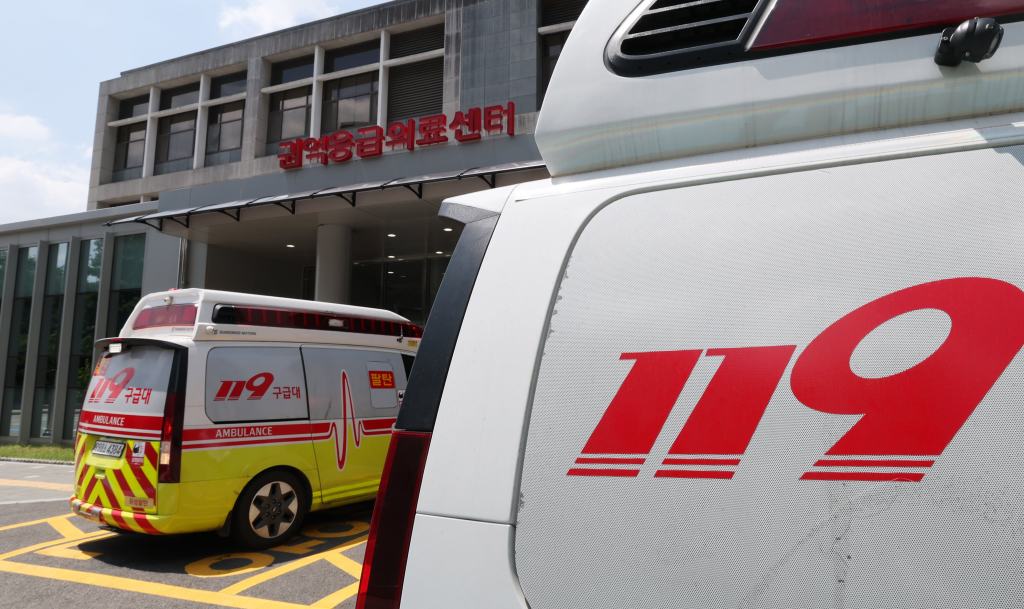
This summer, unprecedented heatwaves have resulted in a rise in heat-related health issues. As a result, public climate insurance initiatives that offer financial compensation for heat-related illness diagnoses have attracted interest. These insurance programs do not necessitate additional enrollment or premium payments.
As reported by the insurance sector on the 23rd, the “Gyeonggi Climate Insurance” in Gyeonggi Province automatically enrolls about 14 million individuals without requiring any further actions. Those who qualify for benefits are residents of Gyeonggi and foreign nationals registered within the province.
The insurance policy includes coverage for heat-related conditions, cold-related issues, climate-related disasters, and infectious diseases. For instance, emergency room visits caused by heat or cold-related ailments or climate disasters lead to a payment of 100,000 Korean won, whereas diagnoses such as heatstroke, sunstroke, heat exhaustion, or heat fainting result in a payout of 150,000 Korean won.
Regardless of any current private insurance coverage, compensation is provided, with all premium costs fully funded by Gyeonggi Province. Five insurance companies are involved, with Meritz Fire & Marine Insurance serving as the main provider, joined by NH Property and Casualty Insurance, KB General Insurance, Hanwha General Insurance, and Hyundai Marine & Fire Insurance.
Furthermore, citizen safety insurance initiatives managed by municipal authorities, such as those in Seoul City, provide coverage for fatalities, impairments, or diagnostic expenses resulting from heatstroke, sunstroke, and other heat-related conditions. A total of 228 local governments across the country offer this type of insurance, which also includes protection against everyday accidents.
No registration or additional fees are necessary; individuals living in the corresponding areas are automatically qualified. Nevertheless, the extent of coverage and benefits differ depending on the local authority, so recipients need to check the specific information. Claims should be filed directly with the insurance company following an event.
Last year, the total amount paid out for citizen safety insurance reached 34.4 billion South Korean won. In the last three years, the main reasons for these payments were burns (31.7%), dog bites (23.5%), and accidents while using public transportation (10.2%).
A representative from the insurance sector mentioned, “Citizen safety insurance could provide double compensation based on the policy terms if both city and local authorities are covered. Nevertheless, numerous individuals are not aware they have coverage despite being eligible for claims.”
Additional public insurance options that aid in disaster readiness consist of flood and wind insurance, crop loss insurance, and animal loss insurance. These initiatives ease the financial load on participants by having governments or local agencies pay between 50–100% of the premiums.



Leave a Reply