
Hong Kong, the leading financial center in the Asia-Pacific region, saw less than 30,000 births in a year for the first time ever, with migration being the sole factor that continues to increase its population.
The Department of Census and Statistics, which issued the preliminary figures on August 18, recorded 29,709 births from July 2025 to the end of June 2026,Hong Kong Free Press reported, a decrease of 15.6% compared to the 35,200 recorded a year prior in a dataset that dates back to 1961.
The number of deaths amounted to 50,100 during the same period, resulting in a natural decline of 20,400 individuals.
The population continued to increase, up by 19,400 or 0.3%, reaching an estimated 7,518,300.
A net of 39,800 residents relocated between mid-2025 and mid-2026, exceeding twice the figure of 18,200 from the prior year. Out of the mid-2026 total, 7,252,800 were classified as usual residents and 265,500 as mobile residents.
A government representative credited the rise with initiatives aimed at drawing in skilled individuals and bringing in workers, which counteracted the natural decrease, although theSouth China Morning Post noted that the statement did not reference the decline in birth rates.
The population of Hong Kong in mid-2025 was initially reported as 7,527,500 and then adjusted to 7,498,900, marking the first instance since 2023 that the mid-year figure dropped below 7.5 million. The department notes that these latest figures are tentative and may undergo further changes.
The Newborn Baby Bonus, set to expire on October 24, offers a one-time payment of HK$20,000 (US$2,550) for each child born in Hong Kong from October 25, 2023, as long as at least one parent is a permanent resident when applying.
 |
|
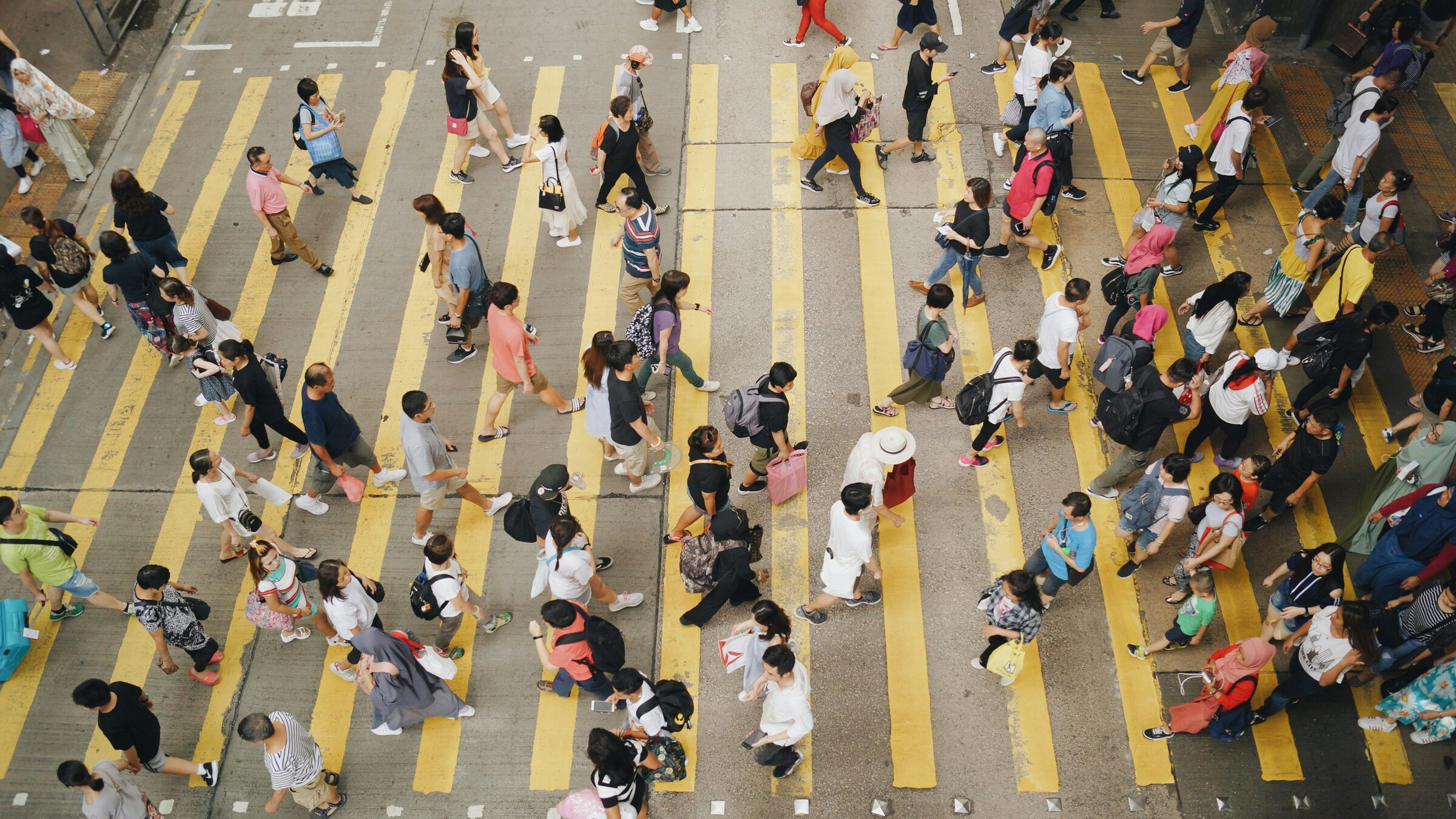
A busy street filled with people in Hong Kong. Photo by Unsplash |
A document submitted to the Legislative Council’s Finance Committee in January 2024, requesting HK$2.286 billion for the initiative, stated that the government anticipated a 20% increase in annual births, rising from approximately 32,500 in 2022 to around 39,000 starting from the 2024-25 fiscal year.
Calendar-year data indicates 36,700 births in 2024, known as the Year of the Dragon, which saw a short-term increase, followed by 31,100 in 2025, marking the lowest number for an entire year.
The Secretary for Labor and Welfare, Chris Sun, informed legislators in a written response in June that the government had distributed approximately HK$1.44 billion ($183 million) to 71,886 recipients by May 31, based on around 72,267 qualifying applications, as reported byChina Daily.
Sun mentioned that a review of the plan was still in progress, including the evaluation of data and examination of relevant matters, but did not specify if the payment would extend beyond October.
Ten years ago, Hong Kong had 59,863 births, which is more than twice the current number.HKFP reported. The city’s overall fertility rate was 0.841 in 2024,China Dailyreported, fewer than half of the 2.1 births per woman that demographers consider the replacement level required for a population to maintain itself without migration.
Chief Executive John Lee recognized during his October 2023 policy speech that governmental measures alone could not significantly increase birth rates, yet he emphasized the importance of establishing a clear path forward due to the ongoing low birth rate.
In addition to the payment, the government broadened tax exemptions for parents, provided families with new infants with priority in the public housing list, and raised the annual limits for in-vitro fertilization treatments in public hospitals.
The population forecasts from the Census and Statistics Department, released in August 2023, indicate that the proportion of people aged 65 and above is expected to reach approximately 32% by 2039 and 36% by 2046, compared to 20% in 2021.
The same forecasts indicate the average age increasing from 47.3 to 55.5 during this time, while the proportion of people younger than 15 decreases from 11.4% to 7.1%.
These statistics project that the count of foreign domestic workers will increase from 320,000 in 2021 to 560,900 by 2046.
They also expect an influx of 1.52 million individuals over 25 years, which is sufficient to fully counteract a natural decline of 750,000.





Leave a Reply