
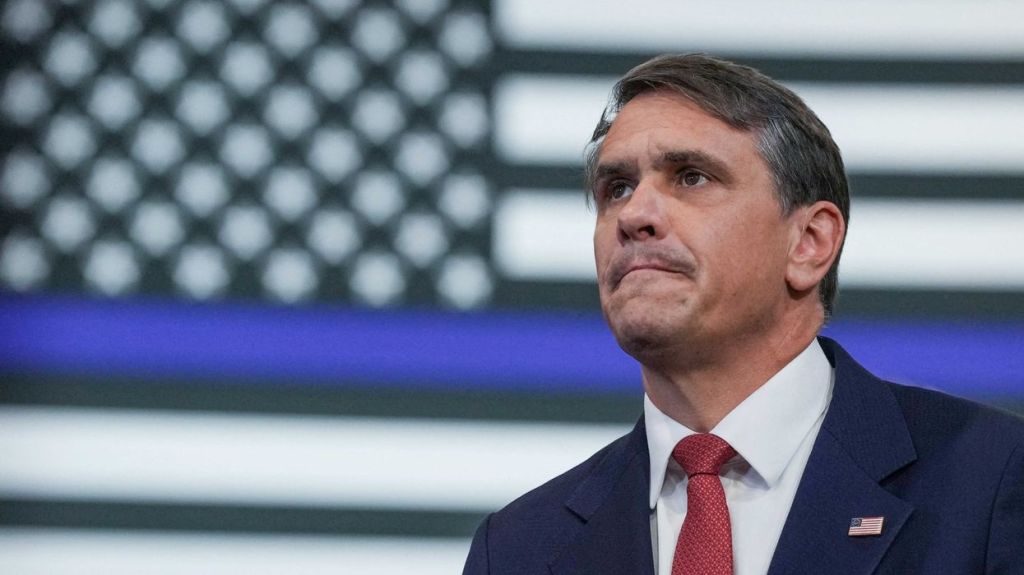
On August 10, T. Elliott Gaiser, who serves as the assistant attorney general for the U.S. Department of Justice’s (DOJ) Office of Legal Counsel (OLC), issued amemo regarding presidential executive privilege. And University of Pennsylvania law professor Claire Finkelstein, in an article for The Guardian, outlines some reasons why sheregards the memo’s instructions as “hazardous.”
If courts adopt the OLC’s updated view of presidential privilege,” Finkelstein cautions, “it will significantly increase the difficulty of summoning witnesses to provide testimony before Congress or in court cases involving potential misconduct by the presidents. Granting presidents broad authority to prevent witnesses from appearing in legal matters is a risky approach that encourages corruption among presidents and their advisors.
A Penn law expert mentions, in her article for the Guardian, that Trump is not the first American president to “frequently use claims of privilege,” but she contends that his administration and supporters within the DOJ are elevating it to an entirely new degree.
Bill Clinton, for instance, used it many times without success to evade answering questions from the special prosecutor Kenneth Starr and to avoid giving testimony in a lawsuit filed by Paula Jones,” as stated by Finkelstein. “The court determined he was not immune from a subpoena that required him to attend a deposition. Richard Nixon attempted to use it to prevent handing over the famous White House tapes, but the Supreme Court decided he had to provide them. Even Thomas Jefferson and George Washington tried to use it in some manner. However, such claims typically do not succeed when courts have made a ruling.
During Trump’s initial term in office, allies of Trump attempted to prevent former White House Counsel Don McGahn from giving testimony in Robert Mueller’s inquiry into Russian involvement in the 2016 election — citing a type of executive privilege known as “testimonial immunity.” However, the Office of Legal Counsel memo released this month, as noted by Finkelstein, extends “far beyond” anMemo from OLC issued on May 20, 2019that was “intended to strengthen the White House’s stance against McGahn.”
Finkelstein explains, ‘That memo supported testimonial immunity by asserting that senior aides to the president ‘are an extension of the President and thus also deserve absolute immunity from being forced to testify before Congress.’ However, this reasoning does not apply to private individuals who advise the president. Although executive privilege and testimonial immunity are not exactly the same, they are similar enough that the justification for using them is the same, and neither should be applicable to non-governmental advisors.’
The Penn legal expert adds, “The present memo is troubling due to its failure to be candid about the historical background of executive privilege…. The level of reasoning provided by the OLC establishes a benchmark for legal practices throughout the federal government, as well as in the private sector. It is essential for the profession to oppose this kind of result-focused analysis that the OLC has employed, and federal courts should have a part in preventing such legal reasoning from becoming standard within the legal field.”
Related Articles:
・DOJ document criticized as a move to protect close associates: ‘Trump is fearful’
・Trump claims ‘executive privilege’ for his private ‘psychiatrist’ and intermediary
・“Tracking down adversaries”: The shocking insider account about Trump’s Department of Justice
・Trump’s DOJ interference left him in the dust ‘while he was the one behind the wheel’
・“we don’t want you”: a trump affiliate receives a strong reprimand from a prestigious dc group



Leave a Reply