
Qatar and Pakistan are making continued attempts to restart talks between the United States and Iran, as officials communicate with both sides on a daily basis to identify potential paths ahead, according to a statement from Qatar’s Foreign Ministry representative on Tuesday.
“Our officials are frequently on the phone, working through concepts and methods to return to negotiations,” Majed Al-Ansari said to reporters in Doha.
Al-Ansari did not disclose specifics about the discussions but mentioned that Qatar continues to prioritize finding a diplomatic resolution to the ongoing conflict between the parties.
Our main focus has consistently been achieving a diplomatic resolution through discussions,” he stated. “We are encouraging all parties to participate completely in the negotiations and the mediation process, which is being facilitated by Qatar, Pakistan, and other regional stakeholders.
He additionally characterized discussions as “the sole path to resolving this crisis” and called on both parties to participate with sincerity.
The United States and Iran have had their disputes mediated primarily by Qatar and Pakistan since the conflict began in late February.
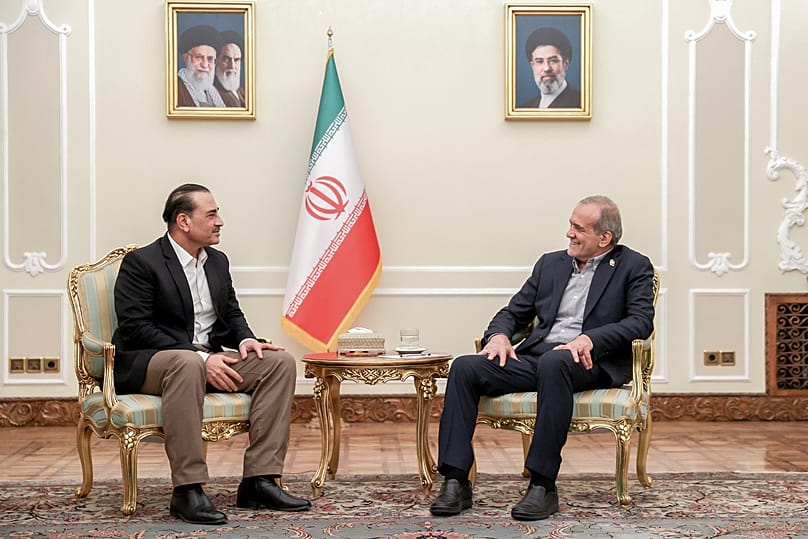
Al-Ansari’s remarks followed a visit by Pakistan’s army chief, Field Marshal Asim Munir, to Tehran for discussions with high-ranking Iranian officials, as part of initiatives aimed at easing regional tensions and restarting talks.
The trip took place during an increase in US penalties targeting Iran, which the administration has labeled “Operation Economic Outcast.”
Tehran has promised to oppose the actions, while Pakistan’s Interior Minister Mohsin Naqvi stated that the discussions held in the Iranian capital have achieved “considerable progress.”
When asked if the new sanctions could aid in resolving the conflict, Al-Ansari stated they were one-sided actions rather than UN or collective efforts, and suggested that inquiries regarding their intent should be addressed to the nations enforcing them.
Qatar urges the immediate reopening of Hormuz
Al-Ansari also dismissed the idea of Qatar entering into an individual agreement with Iran to ensure the flow of its energy exports through Hormuz.
“This is a local issue that requires a local approach. It cannot be resolved through bilateral talks with Iran,” he stated.
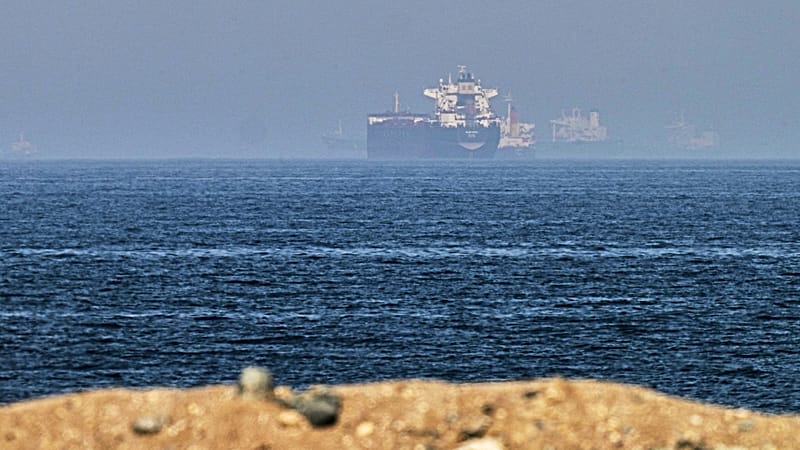
Iran has restricted access to the Strait of Hormuz in a manner that exceeds international maritime law and violates principles of good neighborliness. This situation must be resolved without delay.
He mentioned that Doha aimed to restore freedom of navigation to the state it was in before the conflict started.
The narrow passage serves as a crucial pathway for worldwide energy shipments and holds significant importance for Qatar, which is among the top exporters of liquefied natural gas. Any interruptions in maritime traffic through this area have caused delays in energy deliveries and sparked worries regarding global supply chains.
Al-Ansari stated that other nations had the right to establish their own agreements with Iran, while emphasizing that Qatar preferred regional discussions instead of individual safe passage deals.
We in Qatar believe in regional discussions regarding this,” he stated. “The key is to return to freedom of navigation and the opening of the Strait of Hormuz as it was prior to the conflict.





Leave a Reply