
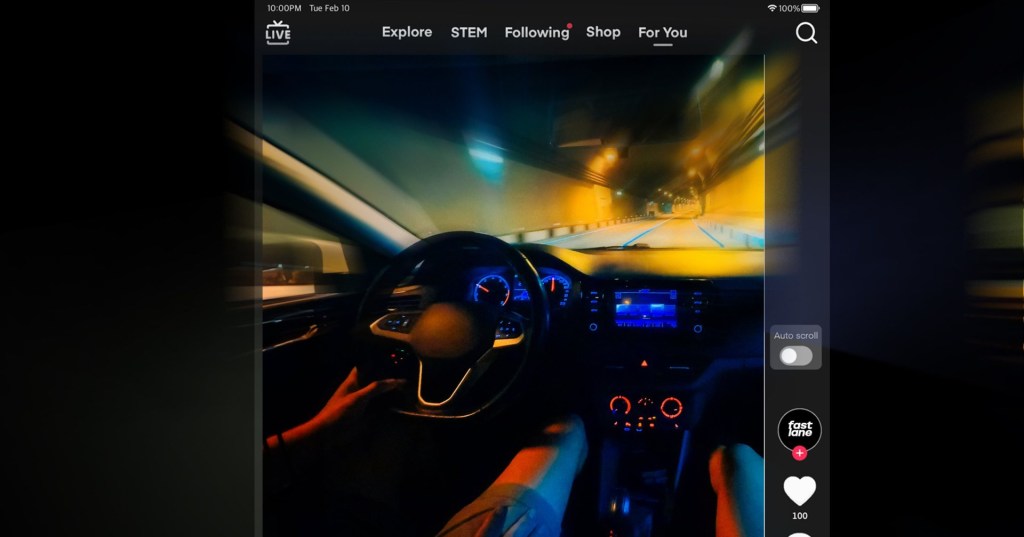
Online and child safety specialists have statedthat social mediaThe giants already possess the ability to remove viral videos depicting reckless driving.
On Saturday, seven individuals lost their lives when a Volkswagen Passattravelled in the incorrect direction on the A66, then collided with a police vehicle.
One of the teenagers who passed away, Makai Saddington, 18, previouslyposted TikTok videos that were visibleto appear in a police vehicle pursuit.
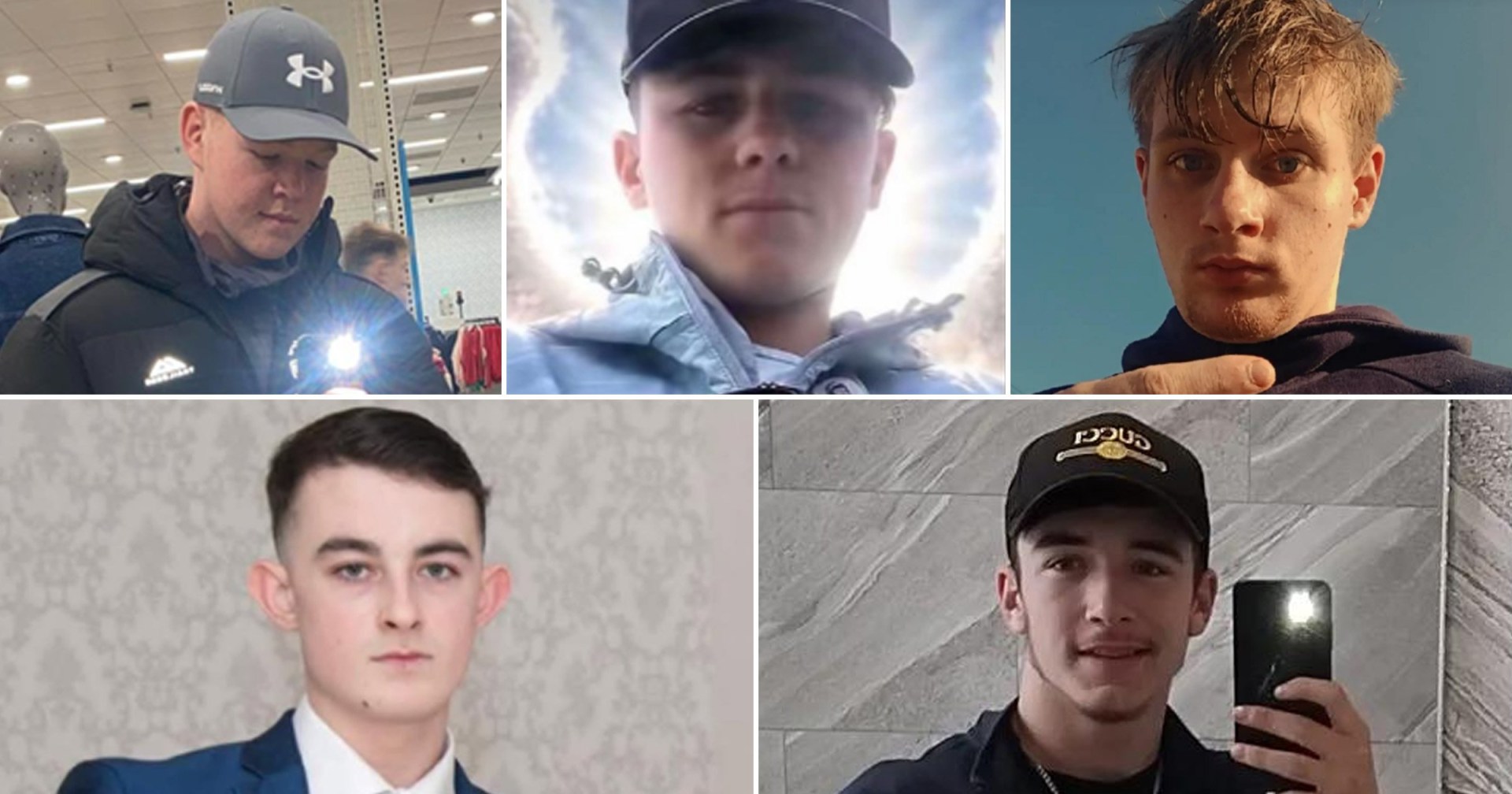
In a separate incident, Joey Carthy, Alex McCarthy, Jeremy O’Brien, Jack Kennedy, and Kamil Pustkowski, all between the ages of 15 and 18, lost their lives after driving in the wrong direction on the M9 to flee from police in County Kildare, Ireland, earlier this month.
Theteenagers had previously shared videos of themselvesDuring a car pursuit involving the Gardaí, the Irish police agency.
Can online platforms remove harmful driving-related material?
This is what the government is urging social media companies to begin implementing, with Number 10 sending them a letter yesterday.
Under the Digital Safety Legislation,platforms should take initiative in identifying and eliminating damaging content.
They should also ensure that young users are not exposed to illegal content, such as reckless driving, commonly referred to as joyriding.
But Bertie Aspinall, co-founder ofSafetyMode, which develops software that filters out unsuitable content on mobile devices, claims that social media companies already possess the necessary tools to remove dangerous driving-related material.
‘For a long time, we have been aware that social media algorithms can quickly spread false information or highly damaging “trends,”‘ he states.
This seems to be another instance that has unfortunately led to the loss of life.
Tracking this material can be challenging, Aspinall acknowledges, but some videos are created and marked asAI, warning signs such as hashtags can make the genuine ones very obvious.
“Everything can be utilized to automate and eliminate something clearly damaging in a short period,” Aspinall states.
It’s unclear to me why TikTok, for instance, hasn’t taken the same approach.
For Scott Freeman, the chief executive of a digital wellness charity,The Cybersmile Foundation, there’s another aspect that platforms need to focus on more – and modifying how algorithms function might be crucial.
‘Current tragedy and dangerous online fads are once more emphasizing the importance of social media users having control over their own algorithms,’ he states.
Platforms will never be capable of safeguarding every user from every possible danger without allowing individuals the power to shield themselves by managing their interaction with harmful content.
revealed several social media updates depicting reckless driving after the two tragic accidents, some of which have now been taken down.
Users have posted videos showing individuals driving on the incorrect side of the road with their doors openas police vehicles follow closely behind them.
Another driver seemed to turn off their headlights and enter ‘ghost mode’ while traveling at 120mph, joining what other motorcyclists refer to as the ‘100mph club’.
‘If I die,’ a TikTok A video showing a motorcyclist appearing to speed through highway lanes, with the engine making a loud noise, includes the comment, “just know I sounded like this.”
What causes adolescents to engage in risky driving behaviors?
The solution is straightforward, according to Sophie Stocks, Vice President of Education and Wellbeing at the child technology safety company.Smoothwall.
“Many young individuals find that what they see in their social media streams influences their views on what is considered acceptable and typical,” she states.
The attention-grabbing nature of these posts leads to widespread sharing, Stocks notes, prompting imitators.
These individuals are not isolated. One out of seven drivers between the ages of 17 and 24 record or take pictures of themselves using their phone while driving, as reported byIAM RoadSmart.
It’s unfortunately not a new issue, says Nicholas Lyes, the charity’s policy director, regarding drivers being ‘distracted’ while on the road.
‘However, it is alarming that certain individuals are currently recording and displaying these hazardous actions on the internet,’ he adds.
A dangerous driving habit may lead to a severe accident, says Becky Guy, senior policy manager at the Royal Society for the Prevention of Accidents.
‘No quantity of likes, views, or digital recognition is worth that,’ she states.
Prioritizing safe driving should always take precedence over generating or posting material on social media.
What are social media websites currently implementing?
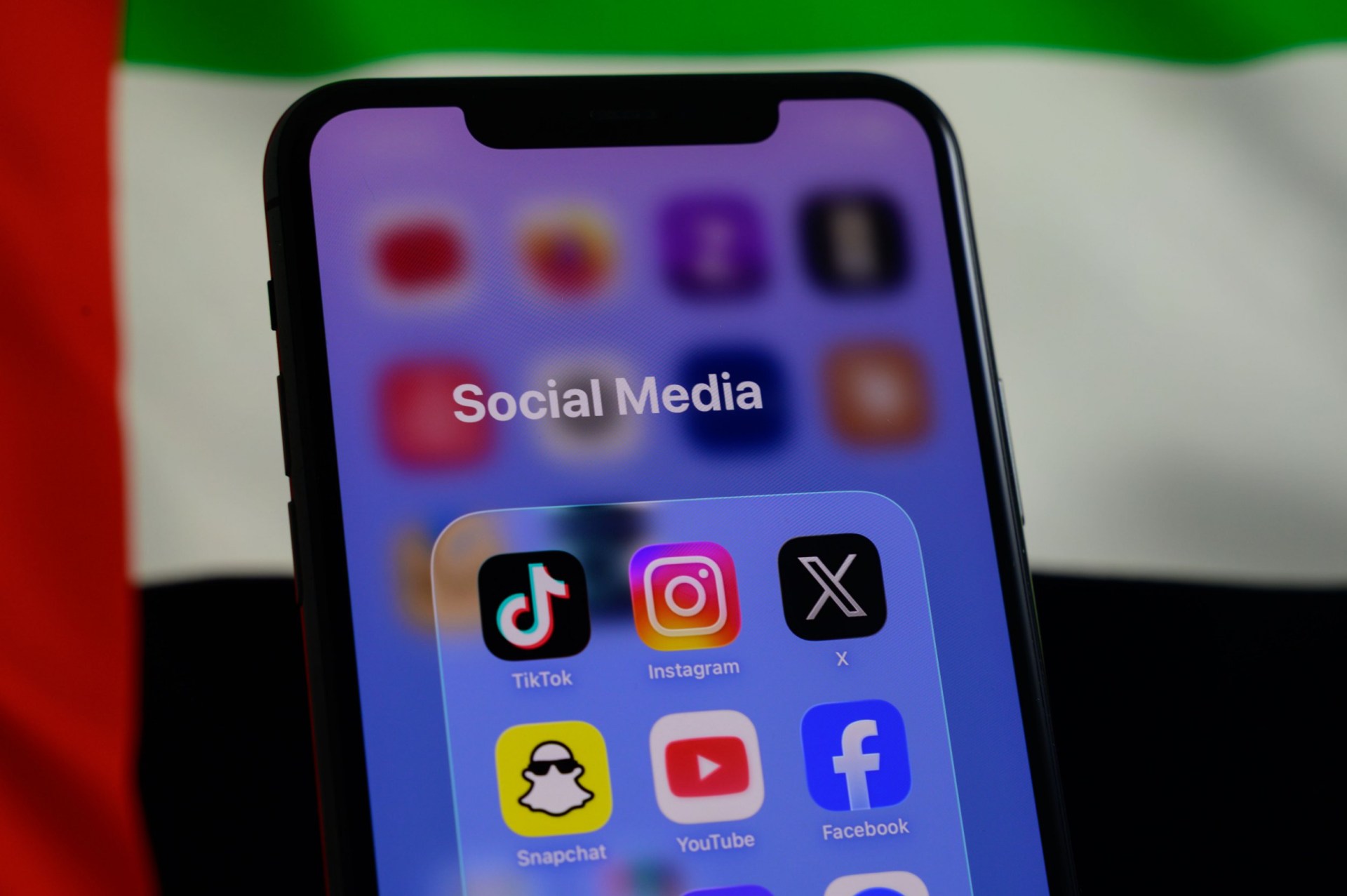
Meta, which owns Facebook and Instagram, prohibits individuals are prohibited from sharing information on high-risk viral challenges, and users under the age of 18 are restricted from accessing dangerous driving content.
TikTok has been asked for a response.
The company vowed last weekto eliminate material that celebrates violence or encourages actions that may endanger individuals, along with dangerous online trends.
Over 99% of the violent or criminal material it takes down is handled automatically.
Analyses by The Timesshow TikTok is removing users who share dangerous driving content and eliminating harmful posts.





Leave a Reply