
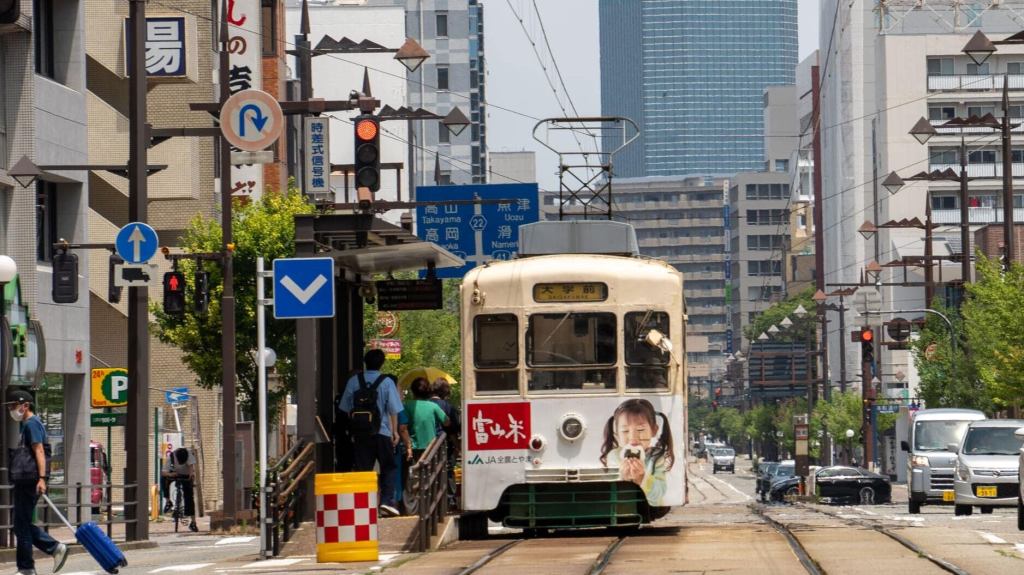
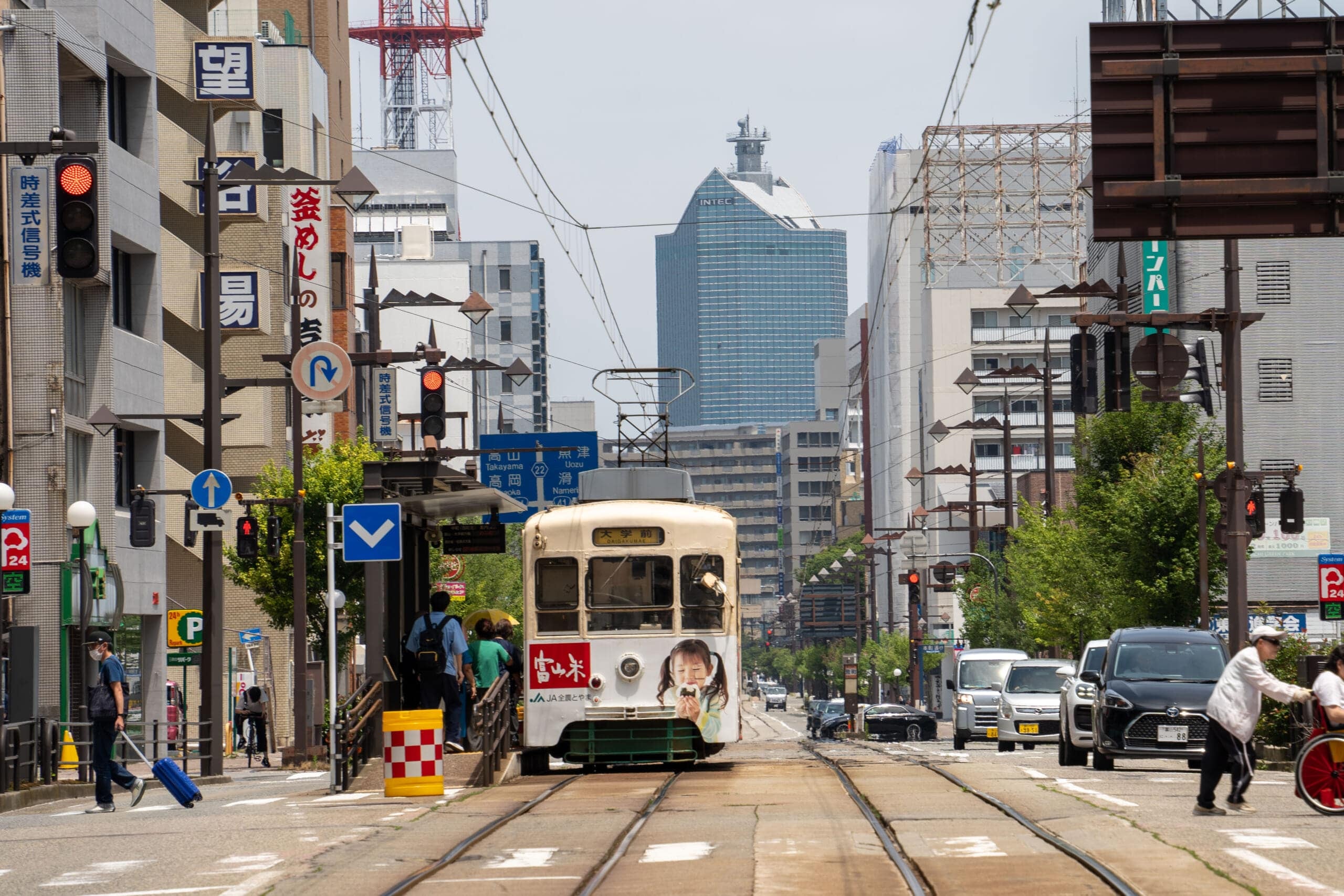
“You can ride the tram to shop, go to the bank, or visit a hospital—it’s truly convenient.”
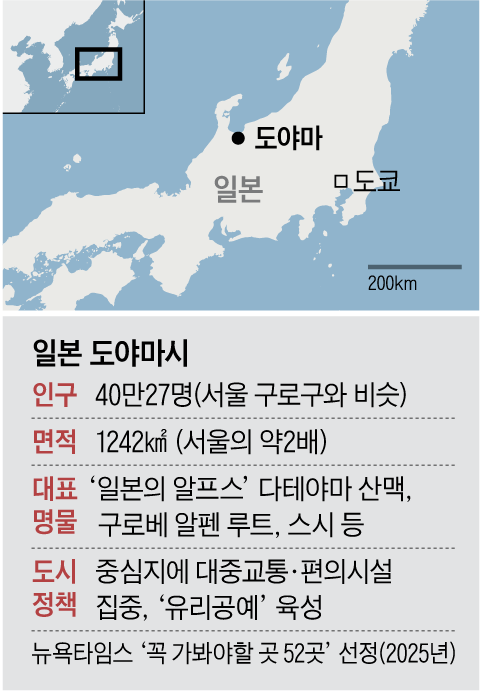
Tamata, 75 years old, a resident met at Toyama Station in Toyama City, northern Honshu, Japan, on the 26th, boasted about the city’s tram system. Toyama City, a small city with a population of 400,000 people, has undergone significant changes over the past 20 years. As young people left and the population aged, the city center, which had lost vitality due to population dispersion to the suburbs, is now seeing people gather again and regain energy. This is the result of the city’s “compact city” policy, which concentrates convenience and cultural facilities around the latest light rail transit (LRT).
Toyama City had long been criticized for its high population dispersion. In 2005, only 28% of the population lived in areas connected by public transportation, while the remaining 72% were scattered across the suburbs. As the population declined and more people settled in the cheaper suburbs, urban density decreased, and the city center declined.
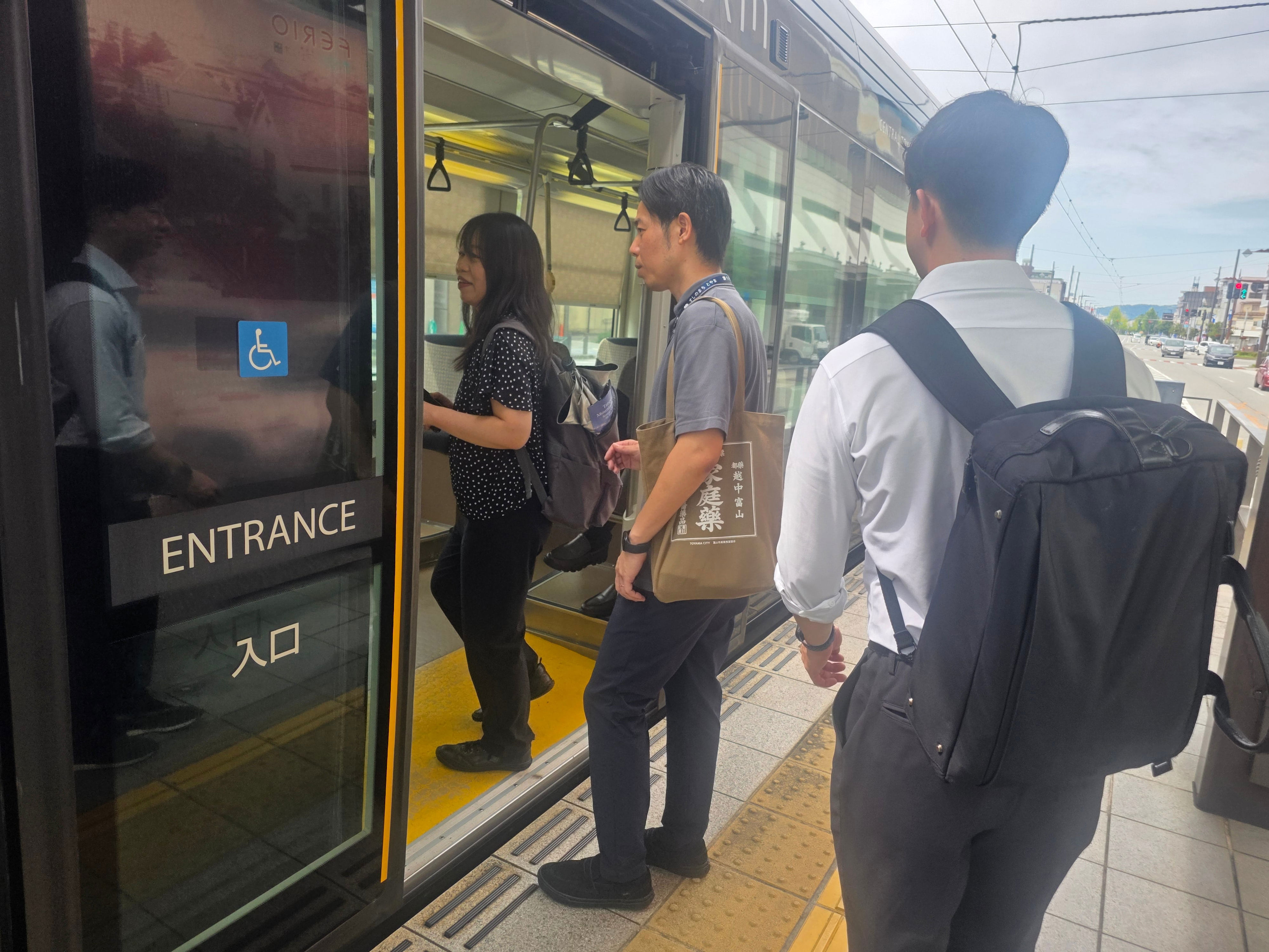
Facing an emergency, Toyama City undertook a major urban overhaul, drastically improving its transportation infrastructure, the city’s backbone. The existing railway and old tram infrastructure were converted and expanded into a modern LRT system, and train intervals were reduced from 30–60 minutes to 10–15 minutes.
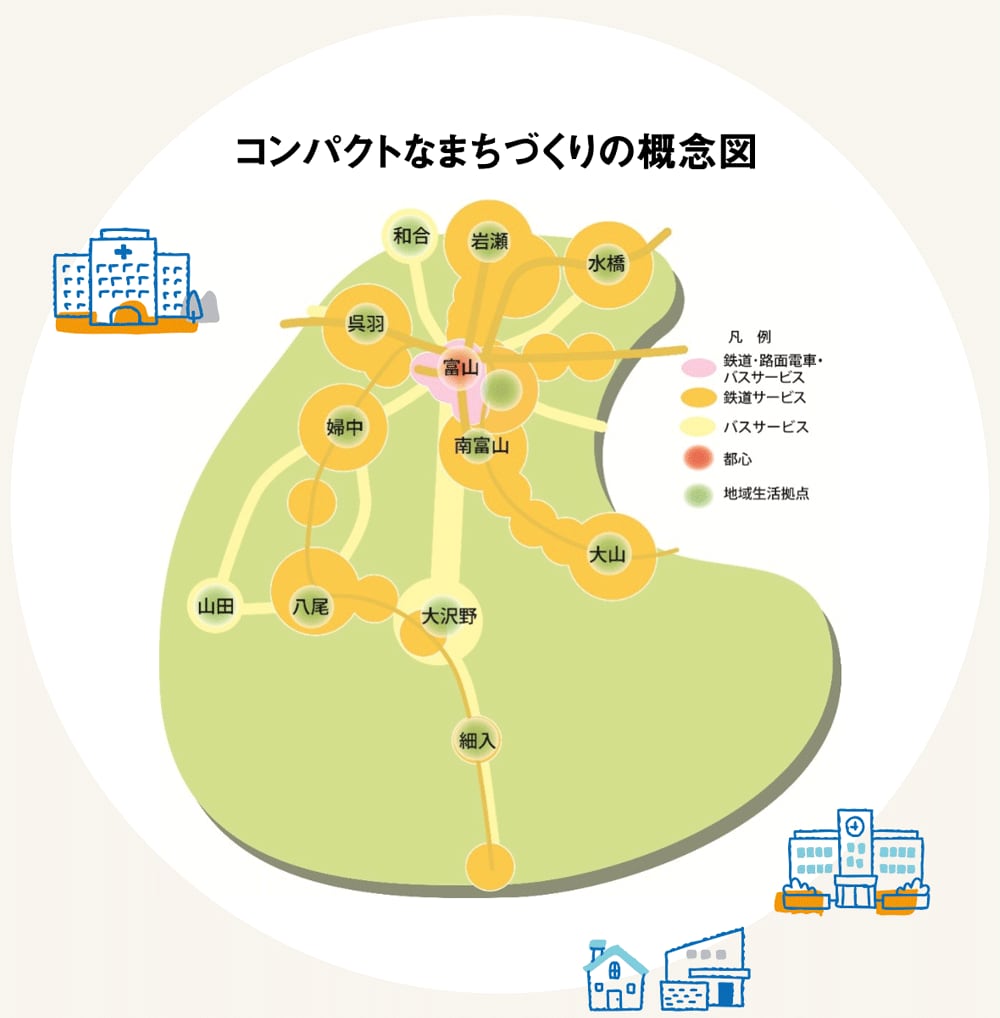
Additionally, the city created a “rice balls and skewers” urban structure, weaving multiple regional hubs (rice balls) along the tram routes (skewers). This encouraged people to gather and live in the city center and major hubs. As parks, libraries, shopping districts, and other infrastructure were developed at each hub, private investments increased, with mansions, office buildings, shopping malls, and hospitals springing up.
As the compact city became tangible, people in their 20s–30s getting married or becoming independent, as well as retirees in their 60s, began showing interest in mansions (apartments) near the city center. The urban population density, which had dropped to 28%, steadily increased to 42% last year. Land prices have also risen steadily over the past decade, increasing tax revenue, which is being reinvested back into the community in a virtuous cycle.
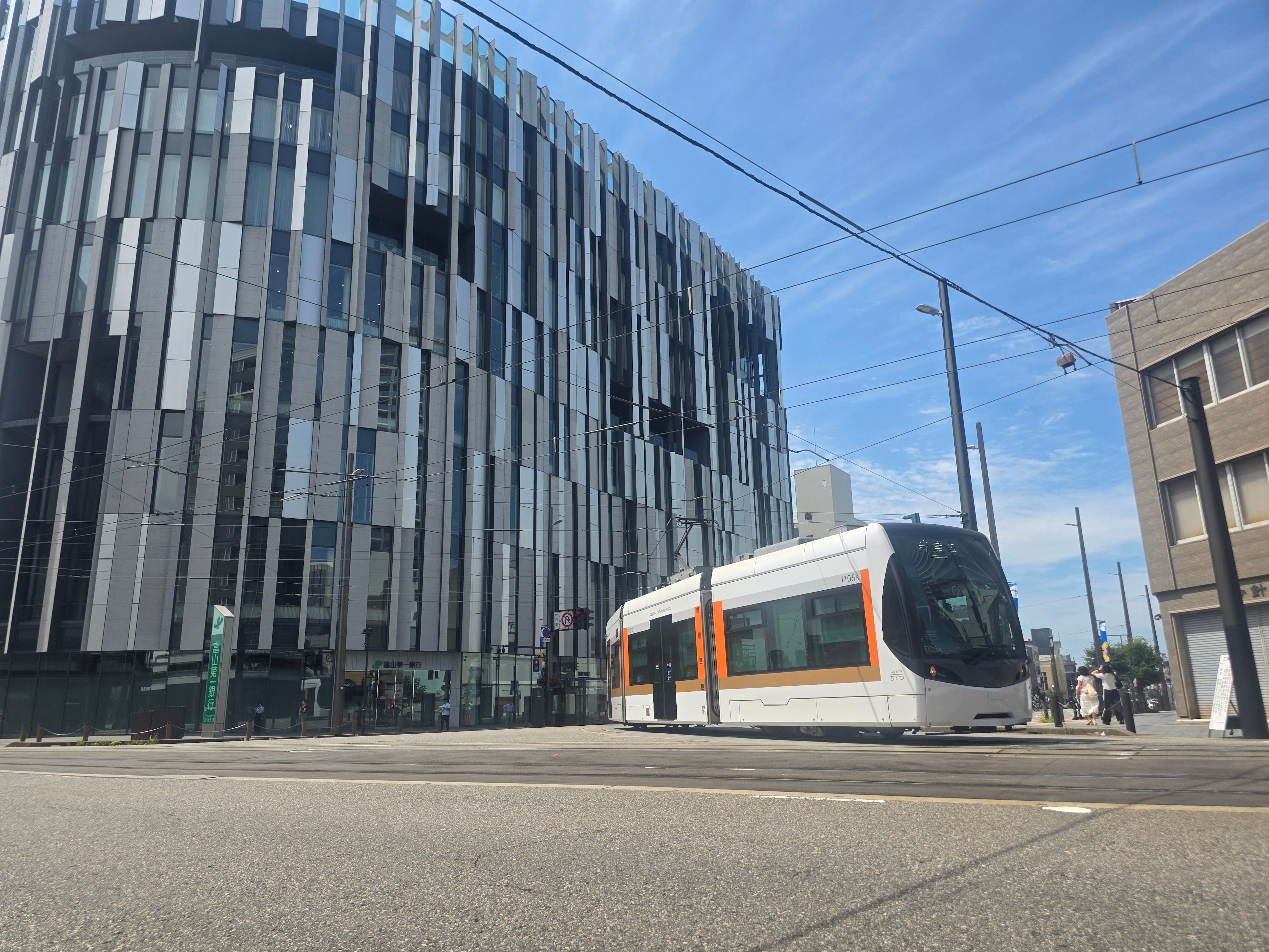
Toyama City is also investing in urban cultural content. During the Meiji era, the city thrived as a center for “glass medicine bottle” manufacturing. Reviving this history, the city has adopted “glass craft” as a local symbol. In 1991, the Toyama Glass Form Research Institute was established, followed by the Toyama Glass Workshop in 1994. In 2015, a building combining a library and a glass art museum was constructed in a declining urban area. Designed by renowned architect Kengo Kuma, this landmark, “Toyama Kirari,” has become a gathering place. A source from the Toyama Glass Museum said, “80% of the 400,000 annual visitors are tourists, greatly benefiting the local economy.”
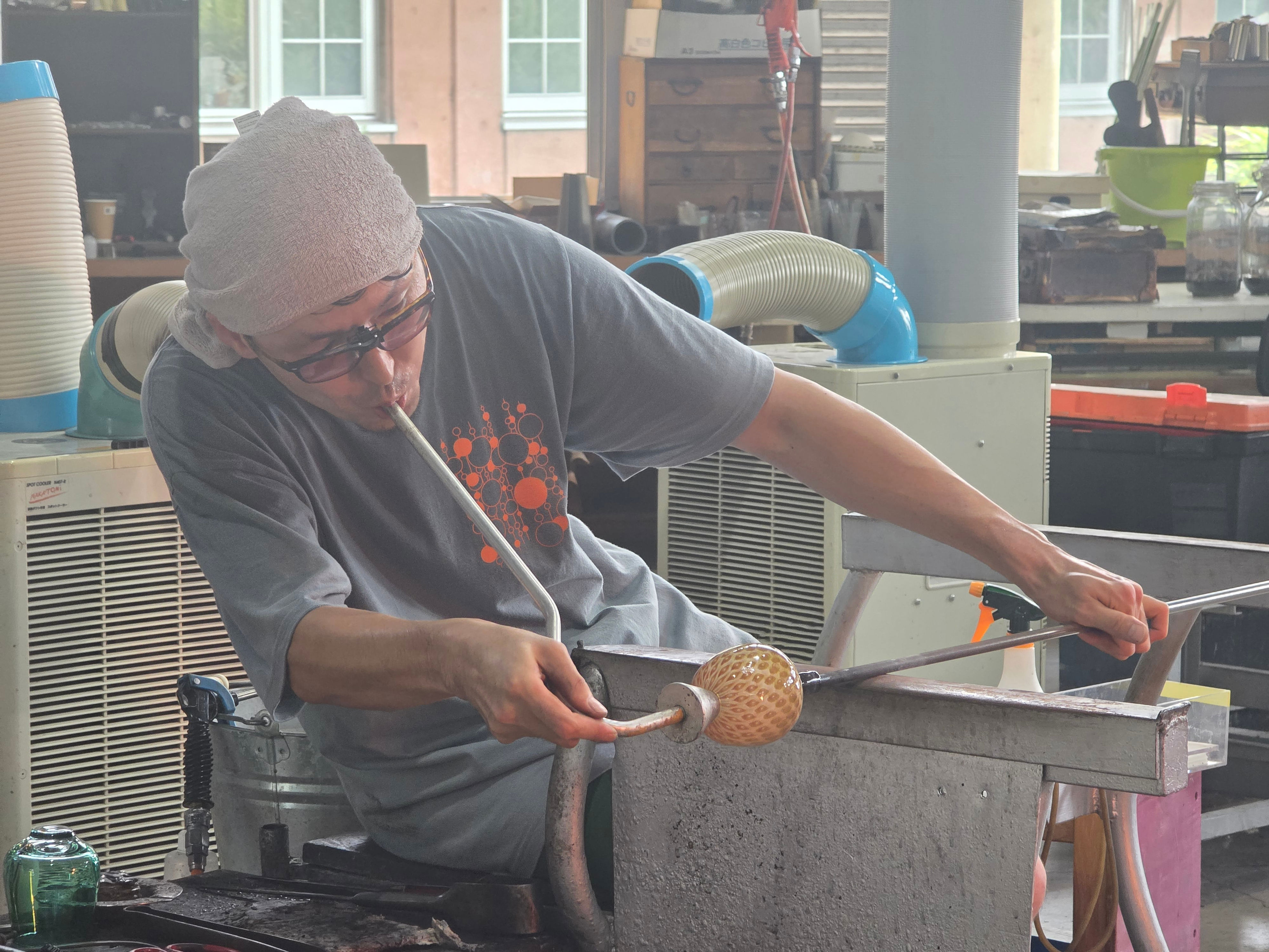
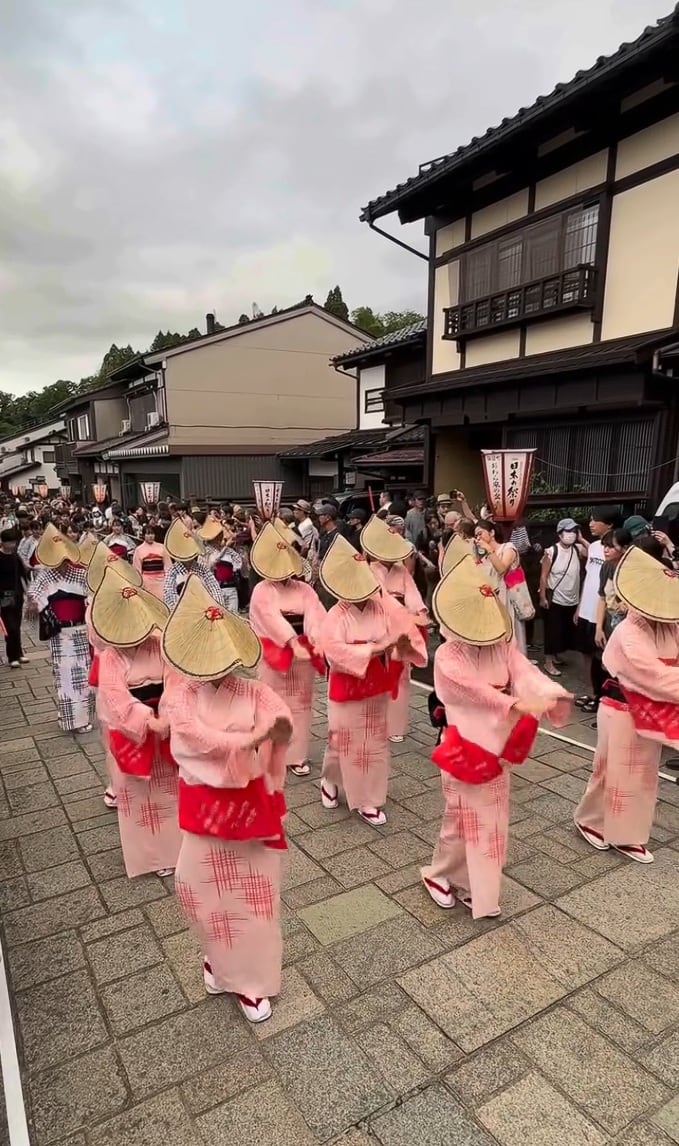
The 35-year-old Toyama Glass Form Research Institute has become a specialized glass education institution attracting students from Japan and around the world. Traditional Japanese paper craft “washi” and the “Owara Kaze no Bon” dance festival, with a history of over 300 years, are also symbolic elements of Toyama. Mayor Hirohisa Fujii stated, “Culture and tradition are indispensable in ‘machizukuri’ (town-making). If the identity and pride of the city and its residents disappear, the city will eventually decline.”





Leave a Reply