
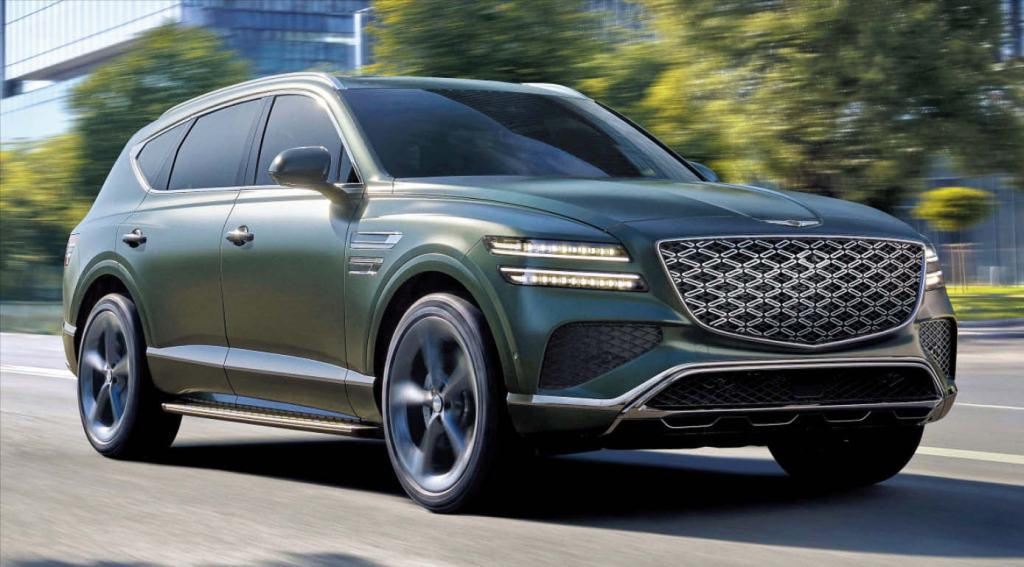
In September, Hyundai Motor Group’s luxury brand Genesis will officially unveil the ‘GV80 Hybrid’ for the first time. It marks the brand’s first hybrid model in its 11-year history and is one of the most anticipated vehicles in the domestic automotive market this second half of the year.
Following this, in October, Hyundai Motor Company will also launch the fifth-generation full change model of the compact SUV Tucson. Hybrid models are expected to be the mainstay. At the same time, the sedan Avante, released in early August, is set for full-scale sales in the second half of the year. Hyundai’s domestic sales from January to July this year amounted to 364,826 units, an 11.3% decrease compared to the same period last year. The company aims to break through this situation with a ‘fall counterattack’ led by its core hybrid products. However, competitors are also preparing a large number of eco-friendly new cars, including next-generation electric vehicles, in the second half, so fierce competition is expected.
◇ Enhanced Performance in Domestic Hybrids
Hyundai Motor Company has been expanding the application of its next-generation hybrid system in recently launched new models. The Grandeur, which underwent a partial change and was released in May, was the first to adopt this system. The 1.6L turbo hybrid system, first applied to this model, reduces vibration when switching between the engine and motor and enhances acceleration performance. The new Avante also features a hybrid model.
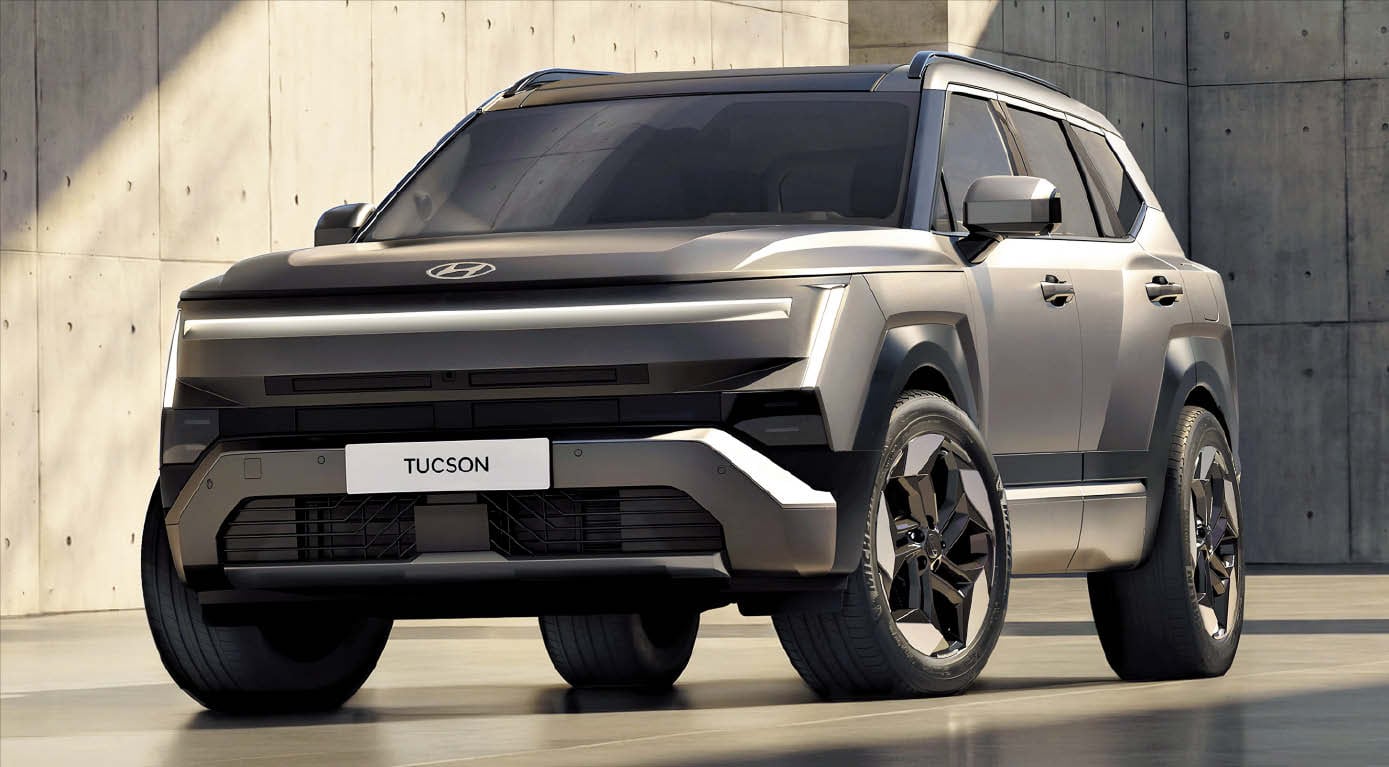
The upcoming Tucson Hybrid, expected to go on sale as early as October, demonstrates the company’s commitment to hybrid technology. Some specifications were revealed during Hyundai’s CEO Investor Day on August 26. The engine delivers a maximum power of 180 horsepower, with torque reaching up to 27 kgf·m. The electric motor adds additional power, resulting in a 27% higher maximum output and 43% greater maximum torque compared to internal combustion engine models. Fuel efficiency is also 43% better at 17.4 km per liter. Although the vehicle is slightly more expensive, in terms of performance, hybrids now surpass internal combustion engine models.
The Genesis GV80 Hybrid has not yet announced specific figures, but it is said to combine a 2.5L turbo engine with two motors, improving maximum output by 16% and fuel efficiency by 25% compared to gasoline models. Alongside the Tucson, the previously released Avante and Grandeur Hybrids are also part of the strategy to rebound in the second half. Additionally, the Santa Fe is expected to introduce a new hybrid model through a partial change (facelift) as early as the second half of the year.
◇ Eco-Friendly Vehicle Competition
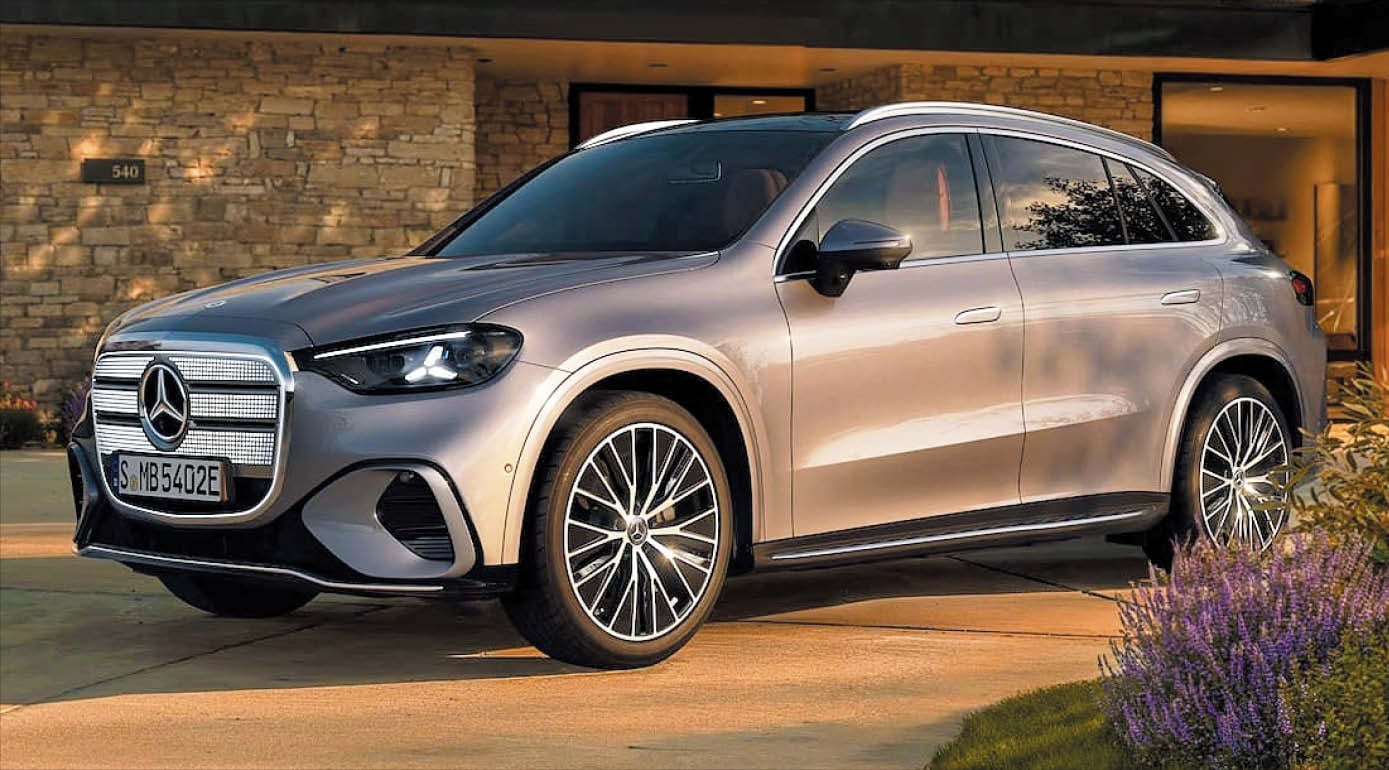
In addition to Hyundai, major brands are focusing on eco-friendly vehicles, including hybrids and pure electric vehicles, for their second-half strategies. Mercedes-Benz is intensifying its attack on the domestic eco-friendly vehicle market with the ‘The New Electric GLC’, the first pure electric model of its flagship mid-size SUV GLC. Pre-orders, which began in July, have already exceeded 1,900 cases, with deliveries starting in the fourth quarter. As the first model equipped with Mercedes-Benz’s dedicated electric vehicle platform (MB.EA), it offers a maximum driving range of 616 km (based on WLTP standards).
Volvo also began domestic sales of the next-generation pure electric flagship sedan ES90 in the same month. It features the elegant design of a premium sedan combined with the spacious interior of an SUV. In the same month, Polestar launched the flagship electric SUV ‘Polestar 3’, which delivers up to 680 horsepower, and started delivering it to customers this month.
BYD also began domestic sales of the plug-in hybrid SUV ‘Sealion 6 DM-i’ at the end of last month, which can run on both external charging and a gasoline engine. It can travel up to 70 km in pure electric mode, and with prices starting at 37.5 million Korean won, it is considered attractive to the domestic eco-friendly SUV market. Lexus is also joining the eco-friendly vehicle offensive with the eighth-generation fully changed ES. Lexus plans to sequentially introduce the pure electric ES350e and ES500e, as well as the hybrid ES350h, which combines a 2.5L gasoline engine with an electric motor, within the year.




 jasdooit
Leave a comment