
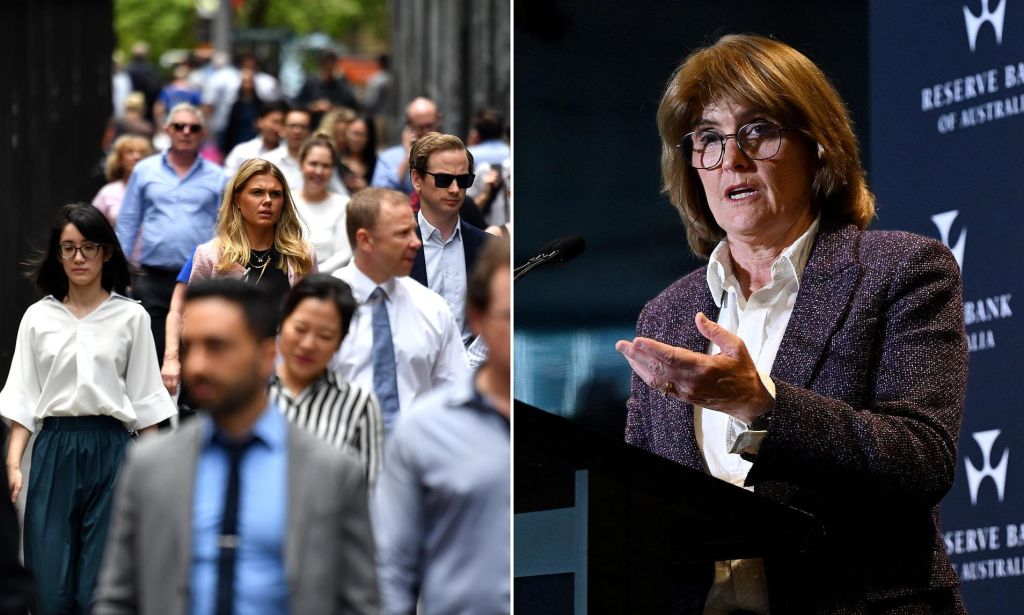
- GDP growth beats economist forecasts
- It means a higher chance of a rate rise
Australia’s gross domestic product grew by 2.1 per cent in the last financial year, further cementing the odds for another rate rise as the economy proves more resilient than the Reserve Bank expects.
Gross domestic product expanded by 0.4 per cent in the June quarter, the Australian Bureau of Statistics reported on Wednesday.
The result was above consensus forecasts for a 0.3 per cent increase, as well as Reserve Bank projections for annual growth of 1.9 per cent.
After higher-than-expected July inflation data, the GDP result will add to pressure on the RBA to raise interest rates again as it struggles to close the gap between supply and demand in the Australian economy.
Despite the impact of higher interest rates and the US-Iran war, GDP growth accelerated on a quarterly basis from 0.3 per cent in March.
While the 2.1 per cent annual growth rate was faster than the RBA’s assumed speed limit of two per cent, it was a subdued result by historical standards as households continued to spend cautiously, said Grace Kim, ABS head of national accounts.
‘While increased spending and business investment occurred in pockets of the economy, imports supported much of the growth, moderating its contribution to overall GDP growth,’ she said.
Imports of goods rose 2.4 per cent, driven by increased purchases of cars and planes. Meanwhile, services imports fell 4.9 per cent as Australians’ travel plans were disrupted by conflict in the Middle East.
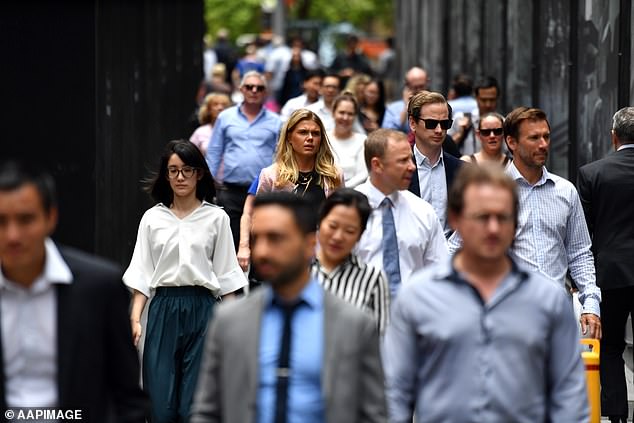
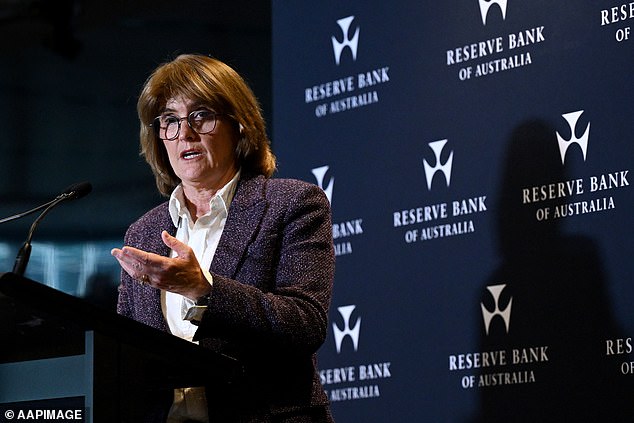
‘The number of Australians travelling overseas for the northern hemisphere summer fell for the first time since the COVID-19 pandemic, significantly reducing international travel expenditure,’ Ms Kim said.
Household consumption rose 0.4 per cent, with falls in fuel consumption and travel as a result of higher fuel prices.
But the oil crisis also supported growth as consumers flocked to electric vehicles, with EV purchases rising 10.3 per cent.
‘The rise in electric vehicle purchases may have reflected households taking a longer-term approach to cost of living pressures, with some choosing EVs to help reduce ongoing expenses,’ Ms Kim said.
Meanwhile, private business investment declined 0.5 per cent, due to a pullback in data centre investment.
GDP per capita was flat over the quarter, growing by 0.7 per cent over the 12 months to June.
Productivity was likewise flat, but fell 0.2 per cent over the year.
Real unit labour costs – a measure closely watched by the Reserve Bank for signs of cost pressures on businesses – rose 0.9 per cent.





Leave a Reply