

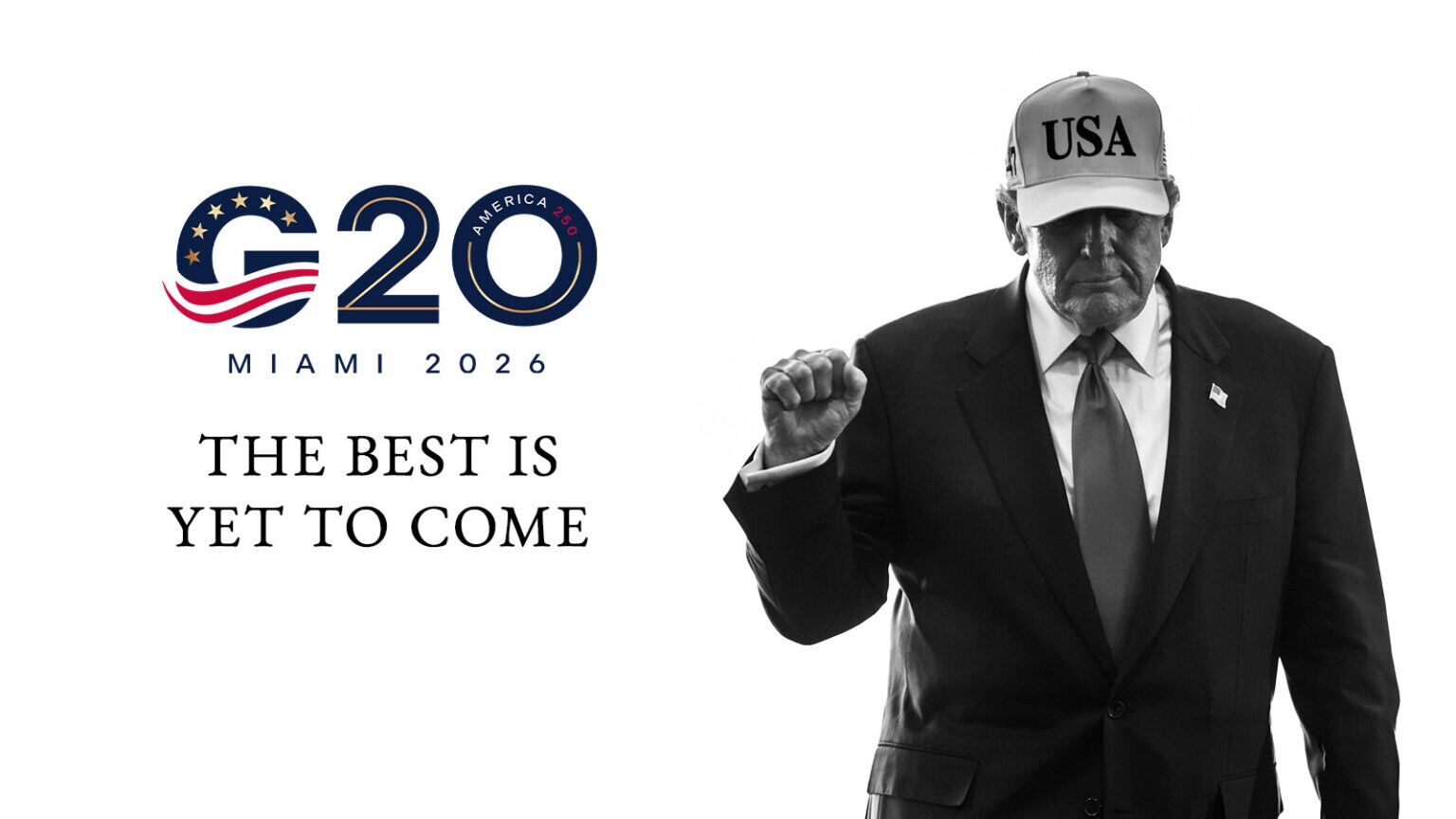
This year’s final stage of global diplomacy is the December G20 summit. Leaders of major countries will gather in Florida, the host country U.S. President Donald Trump’s home state, to discuss issues such as trade, security, and AI. This summit marks the first instance where participating countries do not align with member states. Poland, a U.S.-friendly nation, replaced South Africa.
While Venezuela and Iran have had their regimes removed by the U.S., South Africa has also faced hardships after falling out of Trump’s favor. Shortly after his re-election, Trump ignited controversy by claiming, “South Africa is expropriating land and oppressing certain groups,” targeting the Black-majority government’s treatment of the white minority. The South African ambassador to the U.S. was declared persona non grata and expelled after criticizing Trump for “defending white supremacy.” In May last year, Trump confronted South African President Cyril Ramaphosa during a White House meeting, asserting, “White farmers are being robbed and massacred,” and began accepting South African white farmers as refugees. The Trump administration, which boycotted the November 2023 Johannesburg G20 summit, excluded South Africa—a permanent G20 member—from the invitation list.
Trump’s hostility toward South Africa appears to be part of his effort to eradicate DEI (Diversity, Equity, and Inclusion) policies, which he despises. Some view it as retaliation for South Africa’s close ties with Russia and China despite longstanding U.S. support. What is clear is that despite the controversy, the international community has shown little interest.
Some argue that the descendants of Nelson Mandela have brought this upon themselves. When apartheid ended and Mandela’s government was established in 1994, the country—rich in colonial infrastructure, minerals, and tourism—was seen as having a rosy future. Even as crime surged and economic woes persisted, many viewed these as growing pains. Those “growing pains” have now lasted three decades.
The South African crime situation is notoriously dire, with the South Korean embassy advising, “Always travel by vehicle in cities, and comply without resistance if confronted by armed robbers.” Ten people were killed in July–September, and 39 people died in three mass robbery incidents in September. Xenophobic crimes have become the “new normal,” with locals blaming migrants for job shortages and committing looting, assault, and arson. At least 350 people have died in xenophobic attacks over the past 20 years. The economy contracted by 0.2% in the second quarter.
South Africa has been ruled continuously by the African National Congress (ANC), the party led by Mandela, since 1994. Relying on its Black majority base (82% of the population), the ANC’s unchecked power led to corruption. Mandela’s successors, Thabo Mbeki and Jacob Zuma, both resigned amid internal power struggles and corruption scandals. The party pushed controversial policies to appease voters, such as the 2018 Land Expropriation Act, which allows the government to seize and redistribute land from the wealthy minority. Even friendly nations were shocked by this extremism, giving Trump ammunition to criticize.
Across the Pacific and Indian Oceans, South Africa’s situation mirrors South Korea’s. The ruling party, which claims democratic legitimacy, is swayed by its stronghold supporters and preoccupied with internal power struggles, undermining the security system through legislation. Key figures, including former party leaders, face entry bans to the U.S., and intelligence sharing has been blocked, shaking the U.S.-South Korea alliance to its core. Amid the “unprecedented Trump era,” there is anxiety: Could South Korea become the “second South Africa”?



Leave a Reply