
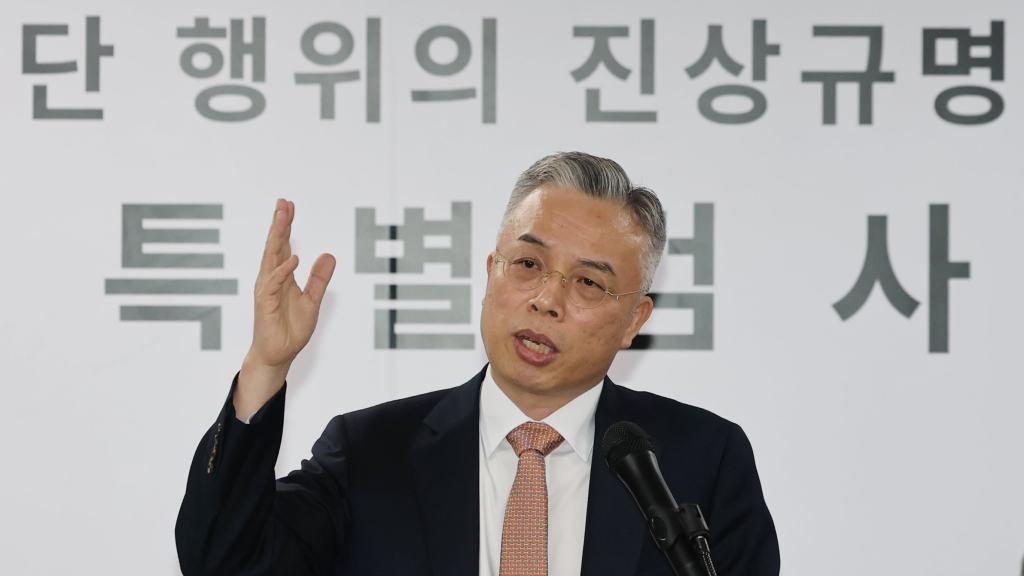
As the trial of the case indicted by the second comprehensive special counsel begins, voices criticizing the poor indictment are emerging in the court.
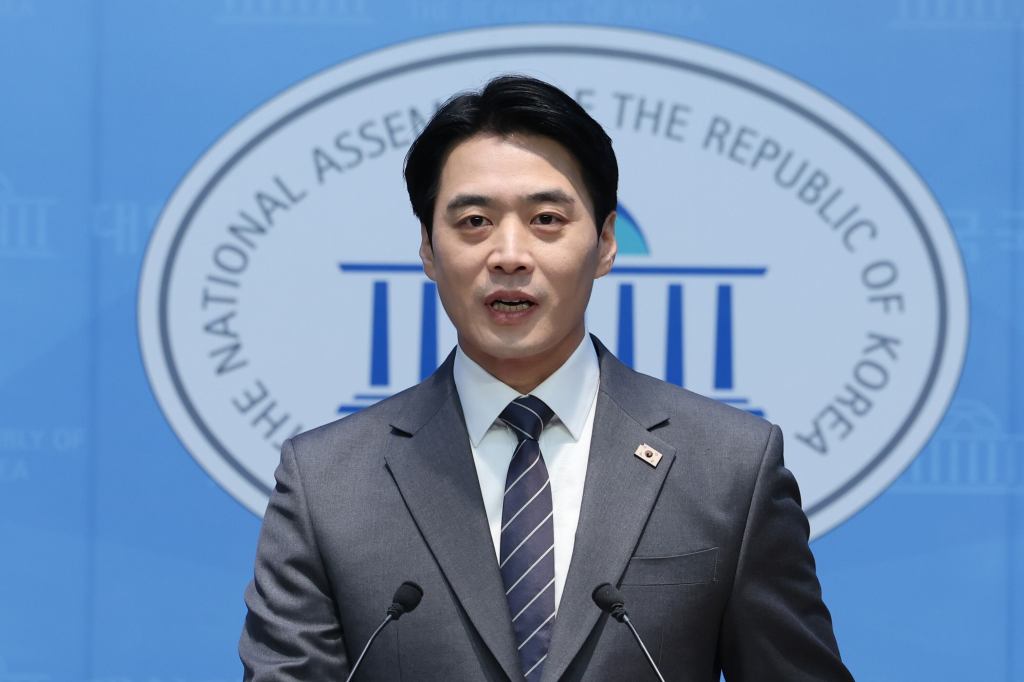
Seoul Central District Court Criminal Division 22 (Judge Cho Hyung-woo presiding) pointed out issues with the second special counsel’s indictment during the second pre-trial hearing on October 19 for the case involving former first lady Kim Keon-hee and People Power Party Rep. Yoon Han-hong over alleged improper intervention in the relocation of the presidential residence. The pre-trial hearing is a procedural step to organize key issues and trial methods before the main proceedings, and defendants are not required to attend.
Ms. Kim is accused of abusing her authority by influencing the selection of 21 Gram, an interior company, to secure the contract for the presidential residence relocation in 2022 through Kim Oh-jin, then a senior secretary for facility management at the Presidential Office, and receiving bribes in return. Rep. Yoon is charged with abusing his authority as head of the “Cheong Wa Dae Relocation Task Force (TF)” under the Yoon Suk-yeol government’s presidential transition committee, allegedly interfering improperly in the selection of construction companies during the relocation process.
Kim, the representative of 21 Gram, was also referred to trial alongside them for allegedly using the names of Won Dam General Construction and others to sign contracts for the residence project and failing to issue tax invoices (violating the Tax Crime Punishment Act).
The court criticized the evidence list submitted by the special counsel, stating, “Each item of evidence only lists the four characters ‘facts of the indictment’ without specifying their purpose.” When the special counsel’s side responded, “We will review it later,” the court reiterated, “It’s not about review—you must specify. At minimum, it should indicate which part of the indictment the evidence relates to. How can we proceed if only four characters are written?”
Regarding Kim’s tax violation charge, the court noted, “Typically, false tax invoices are used in cases where services are never provided to evade taxes.” It added, “We’ve never encountered this clause being applied in such cases. We’ll check precedents, but it’s unlikely to hold.” The court ultimately decided to hold another pre-trial hearing.
Similar questions arose in the trial of Kim Sang-hwan, former head of the Army Headquarters Legal Office, who was indicted for allegedly participating in an insurrection by boarding a martial law bus. Seoul Central District Court Criminal Division 37-1 (Judge Jang Sung-hoon presiding) stated during his first trial, “The sentence claiming he boarded the bus, which departed from and returned to the Joint Chiefs of Staff for martial law enforcement, is awkward.” The court pointed out inconsistencies in the sequence of events between boarding the bus and the formation of the martial law unit.
Kim’s side argued, “The second special counsel viewed boarding the bus as aiding an insurrection, but merely boarding a bus cannot equate to rioting,” asserting his innocence. The court then requested clarification from the special counsel, a procedural step to demand additional explanations or evidence on unclear factual matters.
In the trial of Jeon Ha-gyu, former Defense Ministry spokesperson, accused of aiding an insurrection by relaying martial law orders to reporters during the December 3 emergency martial law, the court raised further objections. Seoul Central District Court Criminal Division 37-3 (Judge Ryu Chang-sung presiding) questioned, “The indictment states that the defendant instructed personnel, including Park An-su, in the Public Relations Strategy Office to ‘spread the order’ immediately after Park signed the martial law document. Is ‘including Park An-su’ accurate?” It noted that Park, the former martial law commander, was not part of the Public Relations Strategy Office, suggesting a factual error.
When the special counsel responded, “It doesn’t mean Park was part of the office—he was merely present there. The intent was to convey the order, not to instruct,” the court countered, “Then the sentence is incorrect. The phrasing should have been different,” and demanded revisions. It also urged the special counsel to specify the timing of Jeon’s attempts to contact the Presidential Office’s public relations chief, stating, “Actions must be identified by time to be specific.”
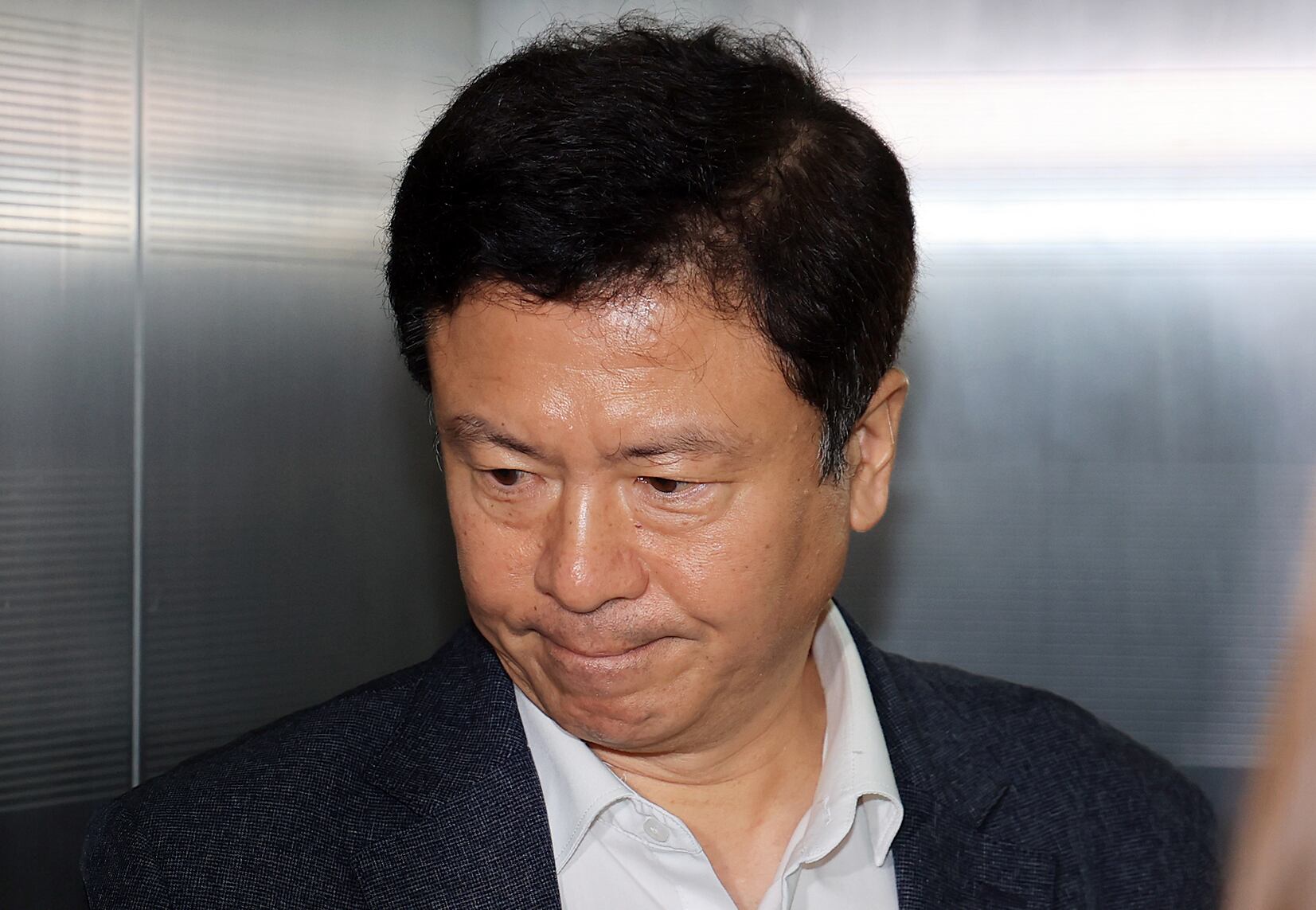
The court also questioned the basis for concluding that Jeon recognized the insurrectionary purpose when sending the martial law order via text. The indictment claimed he was aware of the unconstitutional intent and the riot, including the blockade of the National Assembly, when transmitting the order. The court asked, “Did the defendant recognize all this at the time of the act (transmitting the order)?” and demanded a detailed written explanation of the evidence.
Jeon’s side argued, “Publicizing the martial law order falls under the legal authority of the martial law commander, and the defendant had no role in it. The defendant’s actions, as described in the indictment, were limited to reviewing typographical errors after all decisions were finalized. It’s questionable whether this constitutes aiding an insurrection.”



Leave a Reply