
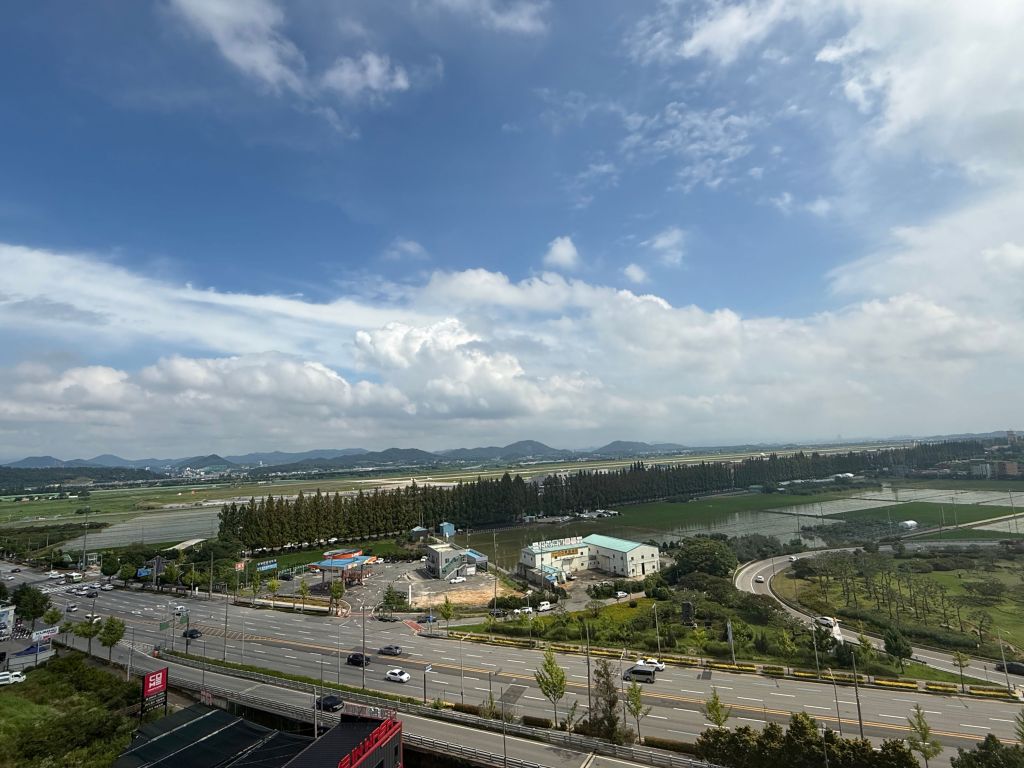
As South Korea prepares to establish the Honam Semiconductor Fab, experts have pointed out the need to preemptively implement water quality measures, similar to the case of TSMC’s factory in Kumamoto Prefecture, Japan. TSMC previously established a system to investigate and manage concentrations of “per- and polyfluoroalkyl substances (PFAS),” which raised concerns about potential contamination of rivers and farmland during semiconductor manufacturing, even before the fab’s operation began.
According to data received by People Power Party lawmaker Kim Wi-sang from the Ministry of Climate, Energy and Environment on the 19th, the ministry currently manages three types of PFAS—PFOS, PFOA, and PFHxS—as monitoring targets. PFAS is used in semiconductor manufacturing to evenly etch fine circuits on wafers and prevent circuit damage during cleaning and drying processes. However, it was designated as a regulated substance under the 2009 Stockholm Convention due to its resistance to natural degradation. The PFAS managed by the ministry are also subject to international agreements.
PFAS consists of carbon atoms linked in a chain with fluorine bonds. Longer chains are classified as “long-chain PFAS,” while shorter ones are “short-chain PFAS.” International regulations primarily target long-chain PFAS, prompting semiconductor companies to adopt short-chain PFAS as alternatives.
The issue lies in the fact that even unregulated short-chain PFAS are difficult to remove through conventional water treatment processes and have been reported to accumulate in edible parts of crops, such as stems, leaves, and fruits.
In 2019, researchers from the University of Padua in Italy published findings stating, “While long-chain PFAS tends to remain in plant roots, short-chain PFAS accumulates in higher concentrations in leafy vegetables and fruits, which are directly consumed by humans.” A joint study last year (2025) by Northwest Normal University and the Southern University of Science and Technology in China also revealed that PFBA, a short-chain PFAS, was detected in leafy vegetables like lettuce and spinach after cultivating 20 vegetable species in soil irrigated with long-term factory wastewater.
As concerns grow over PFAS exposure through rivers and crops, Kumamoto Prefecture investigated PFAS concentrations in surrounding rivers before TSMC’s semiconductor fab began operations. After the factory started running, it confirmed and publicly disclosed rising levels of short-chain PFAS, specifically PFBS and PFBA. TSMC acknowledged trace amounts of these substances in discharged water and later improved treatment processes to reduce concentrations. Similarly, Vermont in the U.S. tests PFAS in semiconductor factory effluent. Overseas, even substances without legal discharge standards are monitored to assess and manage pollution.
In contrast, South Korea lacks a systematic framework to evaluate the discharge status of short-chain PFAS in semiconductor industrial wastewater and its impact on surrounding water systems. Experts emphasize, “Since the Honam Semiconductor Fab plans to utilize water from the Yeongsan River watershed as agricultural water in the Naju area, it is necessary to analyze the connection between industrial wastewater discharge points and agricultural water intake sites and establish preemptive pollution prevention measures.” They stress that because short-chain PFAS easily migrates to edible parts of crops, reviews should extend beyond general river water management to include agricultural water and crop impacts.
There are also calls to measure PFAS concentrations in rivers before factory operations, as Kumamoto did, to compare changes post-operation. Starting investigations only after industrial complex construction makes it difficult to determine whether detected pollutants predate the factory or resulted from its operations. For the Honam Semiconductor Fab, experts recommend surveying PFAS levels in rivers and agricultural water before groundbreaking to establish baseline data and reviewing the potential discharge and spread of short- and ultra-short-chain PFAS during environmental impact assessments.
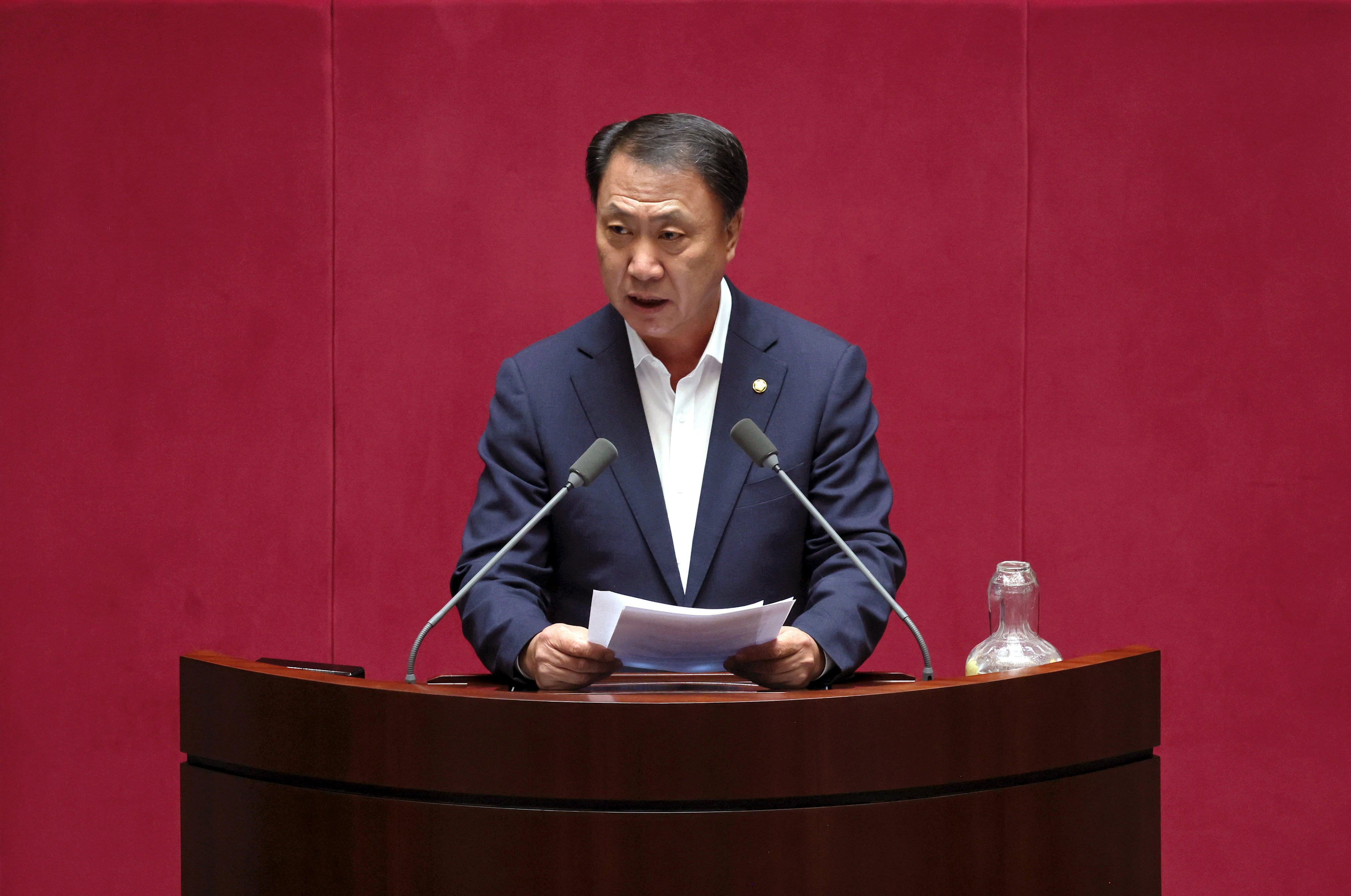
Kim Wi-sang stated, “If pollution is identified after the industrial complex is established, determining its cause and remediation could require significant time and costs. Therefore, it is essential to identify anticipated discharge substances from the early stages, establish water quality measurement, disclosure, and post-monitoring systems, and preemptively develop countermeasures for wastewater treatment facilities if necessary.” He added, “A survey system should be prepared to compare water quality changes before and after factory operations.”






Leave a Reply