
The Kenya Revenue Authority (KRA) has expanded the availability of electronic cargo tracker seals to additional vendors and user-owned devices, enhancing competition in an industry that was previously tightly controlled, and improving efficiency for traders. On Friday, the tax authority announced it is moving away from a single-source approach for seals used in monitoring transported cargo, adopting instead a multi-vendor and user-owned system that allows more suppliers to participate. This change is expected to foster greater competition within the sector, improve price competitiveness for traders in Kenya and the broader region who depend on the Port of Mombasa, and enhance the efficiency of cargo clearance processes. “The new model aims to provide a secure, tamper-proof, and traceable cargo monitoring solution, while addressing existing issues such as seal availability and processing times,” said KRA commissioner for customs and border control Lilian Nyawanda. Currently, KRA is solely responsible for sourcing electronic seals from selected suppliers, excluding other vendors and limiting traders to the trackers provided by the authority. These e-seals enable the tax authority to monitor cargo passing through the country from the Port of Mombasa, ensuring goods arrive at their intended destinations and helping prevent tax evasion and smuggling. They are affixed to container doors, fuel tankers, or cargo compartments, ensuring they remain sealed until reaching their final destination and allowing real-time tracking of shipments. Under the new system, KRA will source seals from multiple vendors while also permitting traders and shippers to use their own devices, thereby increasing the availability of these essential tracking tools. Delays in clearing cargo have been a persistent issue, with the tax authority stating that the shift will address ongoing shortages of the seals, which have contributed to congestion at the Port of Mombasa as shipped cargo takes longer to be cleared for transit to its final destinations. Last week, shipping industry representatives warned that the port’s congestion, which has continued since October, is causing financial losses and urged for immediate action to resolve the underlying causes of the delays. At least five countries—Uganda, Rwanda, Burundi, South Sudan, and the Democratic Republic of Congo—rely on the Port of Mombasa for trade, making it one of the busiest ports along the eastern African coast. To ensure seamless tracking across the East African Community (EAC), member states implemented the Regional Electronic Cargo Tracking System (RECTS) seals in 2020, which are used consistently throughout the bloc.→ vogweno@ke.nationmedia.com Follow our WhatsApp channel for the latest updates on business and markets. Provided by SyndiGate Media Inc.Syndigate.info).
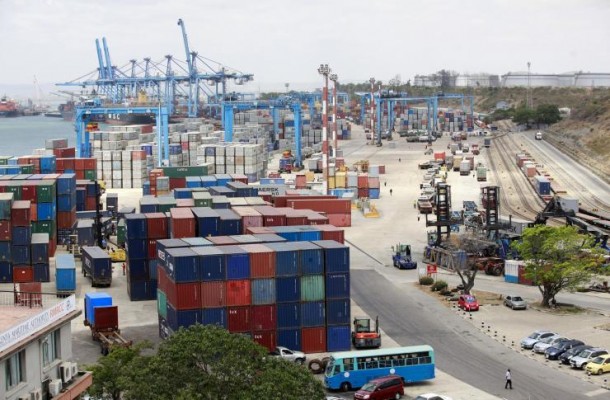
KRA Expands Cargo Tracker Seal Market to More Vendors
The Kenya Revenue Authority (KRA) has expanded the availability of electronic cargo tracker seals to additional vendors and user-owned devices, enhancing competition in an industry that was previously tightly controlled, and improving efficiency for traders. On Friday, the tax authority announced it is moving away from a single-source approach for seals used in monitoring transported…
2–3 minutes



 jasdooit
Leave a comment