
Through establishing a national space agency, Singapore seeks to enhance its satellite technologies and take the lead in space sustainability within the Asia-Pacific region.
Singaporeis planned to create a national space agency in April, a step that industry experts think will solidify the city state’s position as a leading regional center for space-related advancements.
The introduction of the National Space Agency of Singapore (NSAS) seeks to secure a portion of a worldwide space market expected to grow to US$1.8 trillion by 2035, taking advantage of more widely available access to space.
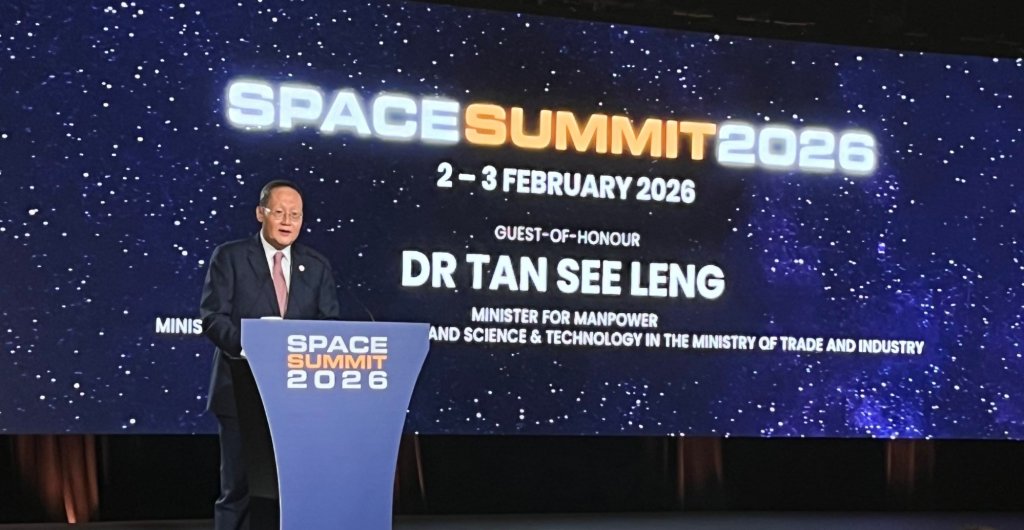
Tan See Leng, the Minister responsible for Energy and Science and Technology, unveiled the program on Monday at the city state’s first space summit held at the Sands Expo & Convention Centre.
Are you curious about the major issues and developments happening globally? Find the answers withSCMP Knowledge, our latest platform offering handpicked content including explainers, FAQs, analyses, and infographics, presented by our acclaimed team.
As per Tan, the NSAS will enable the nation to capitalize on new opportunities, leveraging over S$200 million (US$157 million) allocated in 2022 for research and development initiatives.
The new organization is anticipated to broaden the scope of the Office for Space Technology and Industry (OSTIn), which has been functioning under the Economic Development Board since 2013.
Tan referred to Singapore as a “perfect starting point” for businesses offering space-related services throughout the Asia-Pacific region, highlighting the nation’s image as a reliable, well-connected center with strong financial and logistics industries.
“We will keep developing a robust talent pool, featuring a solid base of local expertise, to aid the expansion of our space technology industry and to tap into the quality jobs generated,” he added.
The government currently shares ownership of three Earth observation satellites with the state-affiliated ST Engineering, but there are plans to expand these capabilities.
“We will set up a multi-agency operations center that will assist government agencies in satellite tasking and customized geospatial data analysis,” he stated.
This might offer advantages in fields like port management, city development, environmental surveillance, and agricultural stability, he mentioned.
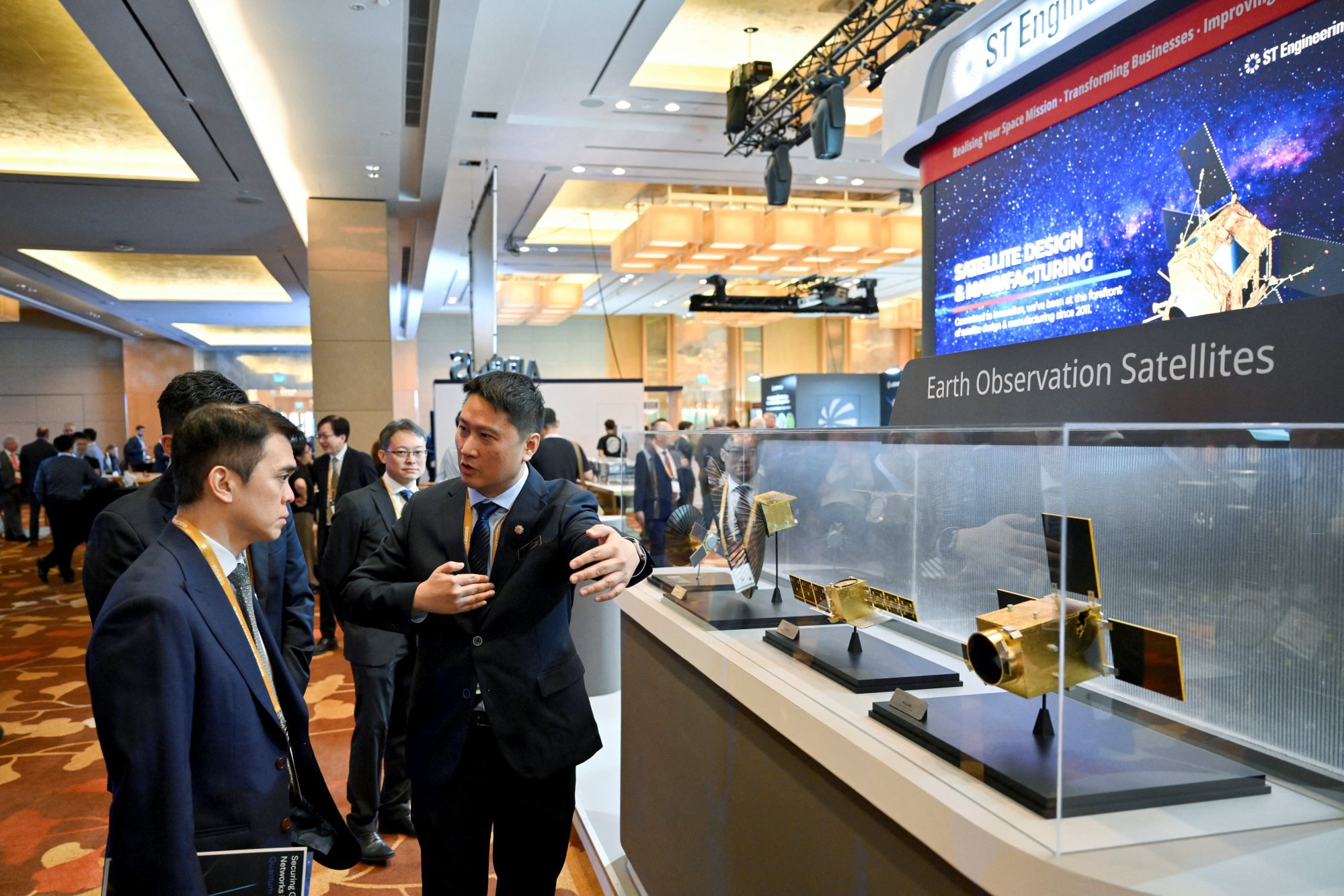
Due to its location along the equator, Singapore also plans to develop a more extensive network of satellites to meet domestic needs and support wider regional applications.
“Looking forward, Singapore will continue to advance our satellite network to address national requirements and applications throughout the Equatorial Belt—due to our strategic location, which enables us to contribute more in this area,” Tan stated.
Cedric Ng, who leads business development at Space Faculty, stated to This Week in Asia that this action demonstrated Singapore’s willingness to play a more prominent part in the international space industry.
Nevertheless, Ng contended that ongoing skill enhancement would be a crucial requirement for this goal.
“To establish itself as a space hub in the area, investing in the growth of young talent is crucial. We must educate, guide, and motivate the upcoming generation to get them ready for their future in the space sector,” Ng stated.
He mentioned that the Space Faculty offers opportunities for young individuals via programs like the International Space Challenge, which targets those between 13 and 25 years old, as well as a newly introduced satellite construction workshop.
Ng mentioned that these initiatives seek to develop a new group of space engineers who can aid in the growth of the sector.
These grassroots initiatives matched the positive spirit of the summit, where over 1,500 participants from 40 countries and regions responded to Monday’s announcement of the new agency with enthusiastic applause.
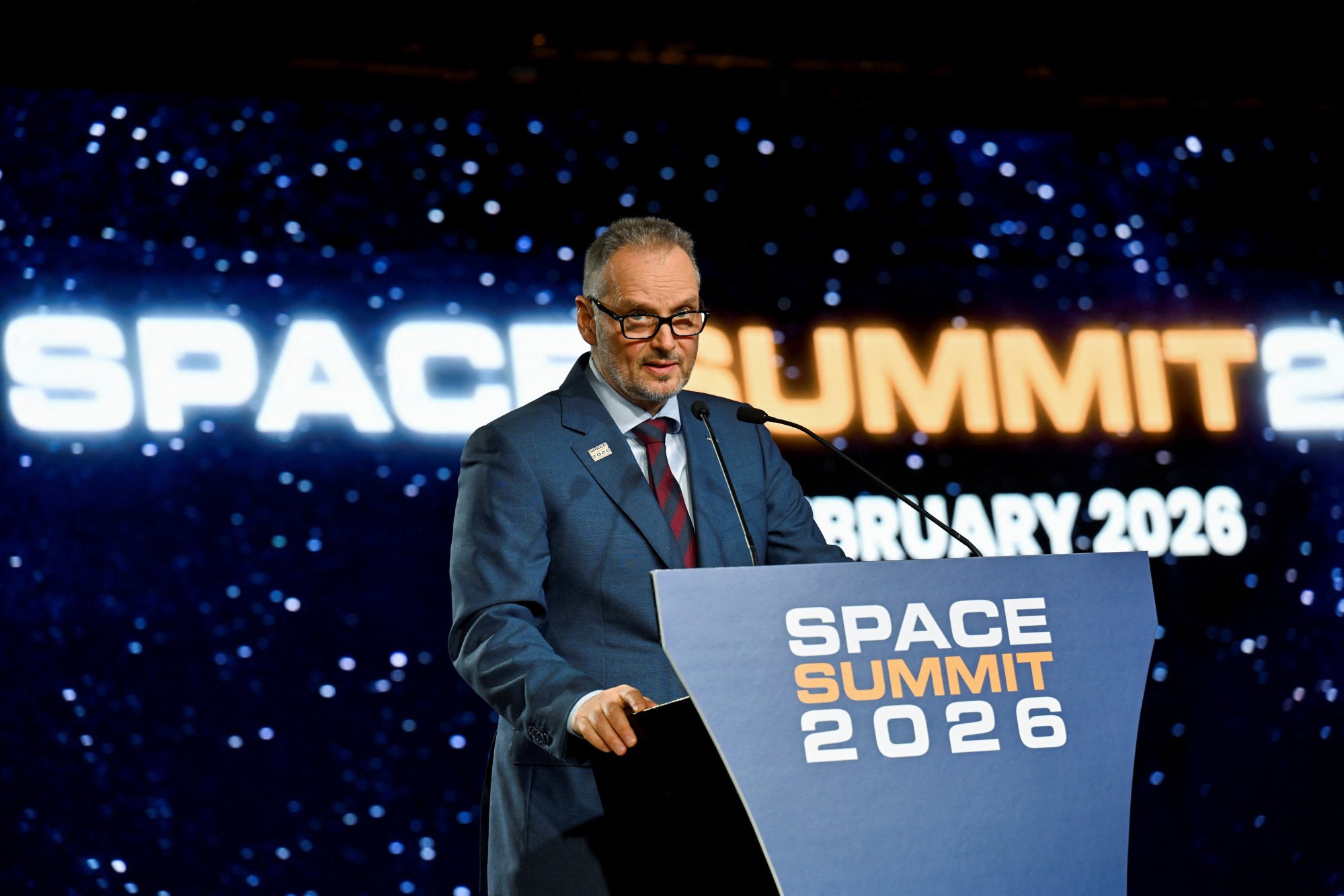
Niranjan Gundala, the vice-president of product marketing and strategy at microchip company Zero-Error Systems (ZES), stated that the agency would serve as a crucial platform for local businesses to expand globally.
As the NSAS begins operations on April 1, ZES—which produces space-grade semiconductors domestically—anticipates benefiting from upcoming collaborations with other international space organizations.
“Space knows no boundaries, and at ZES, we can establish powerful synergies with global partners in the space industry, delivering ‘Made in Singapore for the World’ innovative solutions from ZES, supported by NSAS,” said Niranjan.
RJ Stensland, the sales vice-president for the Asia-Pacific region at LeoLabs, mentioned that this action highlighted Singapore’s dedication to the space-based economy.
“We view Singapore as a key ally in Southeast Asia. There are many developing space-faring countries in the region, but Singapore is significantly more advanced than the others,” Stensland mentioned during the summit.
He stated: “It has taken a long time to come to fruition, and I’m truly pleased that it has finally occurred, as it shows that Singapore is addressing this seriously and functioning at a comparable level to Australia, New Zealand, and other nations in the region that have set up space agencies to support space sustainability and security.”
As per a report released by the Institute for International Political Studies in October of last year, the institutional and legislative structures governing space development in Southeast Asia are still fragmented, indicating varying levels of technical expertise and a range of political systems.
Although Indonesia and Singapore currently have the most satellites in Southeast Asia, industry experts believe that Singapore distinguishes itself through a solid research foundation and a dynamic business environment, enabling it to expand from small satellites to more advanced systems.
More Articles from SCMP
HSBC SVNS Singapore: Fiji Men and Dominant Black Ferns Win Championships
This piece was first published in the South China Morning Post (www.scmp.com), a top news outlet covering China and Asia.
Copyright (c) 2026. South China Morning Post Publishers Ltd. All rights reserved.





Leave a Reply