
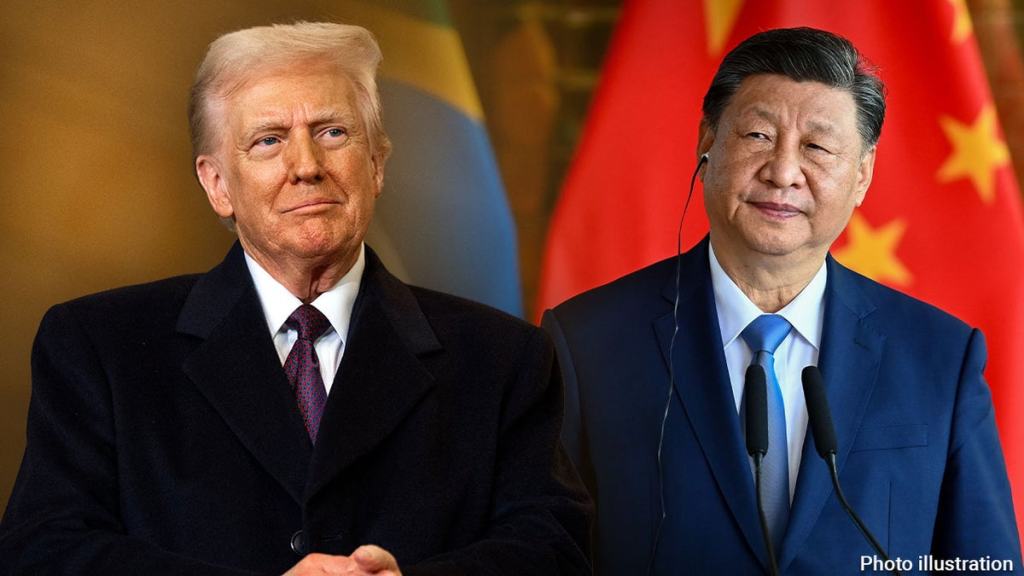
Audience members debate the delay in the U.S. president’s trip to Beijing, along with the motivations driving American military operations.
Have strong opinions about these letters or other elements of the news? Express your thoughts by sending us your Letter to the Editor via email. letters@scmp.com or filling in this Google form. Submissions must not go beyond 400 words
The White House announcedLast week, it was reported that US President Donald Trump’s trip to China has been postponed to mid-May, with the Iran conflict being the stated reason. Beijing’s reaction has been quiet: the Foreign Ministry simply mentioned that both sides “have continued to communicate” regarding the visit.
Underneath the diplomatic restraint, there is a more intricate scenario – influenced by conflicting interests, lingering conflicts, and evolving global political calculations.
Are you curious about the most significant issues and developments happening globally? Find the solutions withSCMP Knowledge, our latest platform offering carefully selected content including explainers, FAQs, analyses, and infographics, presented by our acclaimed team.
The difference in how Washington and Beijing have presented the visit has been insightful. Although the White House announced the dates of the visit, from March 31 to April 2, as early as February, China followed its typical approach of keeping specific schedules confidential until nearer to the event. This variation highlights more significant differences in how each party perceives the aim and timing of top-level interactions.
Trump initially associated the postponement with China’s unwillingness to engage in maritime escort operations in the Strait of Hormuz. However, after the recent China-US trade discussions in Paris, the US decided to separate the delay from both the Strait of Hormuz matter and trade conflicts.
The Paris negotiations revealed differing focuses. Although China concentrated on restoring institutional structures, the American side emphasized results: higher purchases of U.S. agricultural products, Boeing planes, and energy exports. Nevertheless, Washington kept up tariffs and initiated probes.
Adding to the complexity, sources indicate that Washington is contemplating its biggest arms deal with Taiwan—worth $14 billion—which is anticipated to be unveiled following Trump’s visit. Chinese officials have consistently highlighted Taiwan as the most delicate matter in their bilateral ties.
In the meantime, there is growing support in Washington to rescind China’s Permanent Normal Trade Relations status. Such a significant action could increase tariffs to approximately 30 percent and significantly alter global supply chains.
Certain analysts have proposed that the Iran conflict has made Beijing less willing to host Trump. However, US President Richard Nixon’s historic 1972 trip to China occurred during the Vietnam War. Geopolitical tensions do not hinder diplomatic progress.
For China, the situation with Iran is important but not critical. Oil currently makes up roughly 18 percent of overall energy use—substantially less than the US proportion.
The postponement of Trump’s visit highlights a larger truth: summits alone cannot conceal ongoing disagreements. Although the diplomatic schedule may change, China’s stance continues to be one of preparedness—waiting with the awareness that in the realm of major powers, timing holds as much importance as the actual content.
Ann Yip, Tai Po
The United States’ imperialistic ambitions are becoming clear.
The fact that American foreign policy is centered on imperialism is particularly noticeable through its military activities during U.S. President Donald Trump’s second term. Trump has clearly stated his intention to expand American influence globally using any methods he deems appropriate.
There’s the kidnapping of Venezuelan President Nicolas Maduro and his wife. If Cuba and Colombia don’t comply, they could be next. There isn’t a clear schedule for Venezuela’s situation, except that Trump will maintain control over Venezuela’s oil for the time being, and Trump might eventually appoint a viceroy for Venezuela, effectively making it an American colony.
Although the Caribbean region is experiencing tension, the United States and Israel are engaged in conflict with Iran, supposedly due to the Iranian government’s policies and human rights abuses, but ultimately it is about Iranian oil.
At this point, you should recognize a developing trend in which the US aims to exert control over nations with the highest oil reserves, enabling Washington to regulate the flow of oil to China and slow its economic expansion. The US strategy is expected to become clearer in the coming years as Washington may attempt to take over critical resource-producing countries to weaken the Chinese economy.
The American economy has evolved into one that is heavily influenced by finance, whereas China’s is predominantly focused on industry. The United States still keeps a production base for its military-industrial sector but has moved most of its consumer goods manufacturing to nations with lower production costs. As a result, it has gradually lost expertise, manufacturing capabilities, and innovative capacity.
The expression, “The sun never sets on the British Empire,” can now be associated with the United States. From Latin America to Europe, the Middle East, and East Asia, nations are essentially viewed as subordinate entities of the American empire.
The United States has a significant military presence, especially in terms of naval power, and oversees more than 700 military bases globally. This is frequently called “American interests” instead of explicitly referring to it as an “American Empire.”
Lee R. Pitts, Florida, United States
More Articles from SCMP
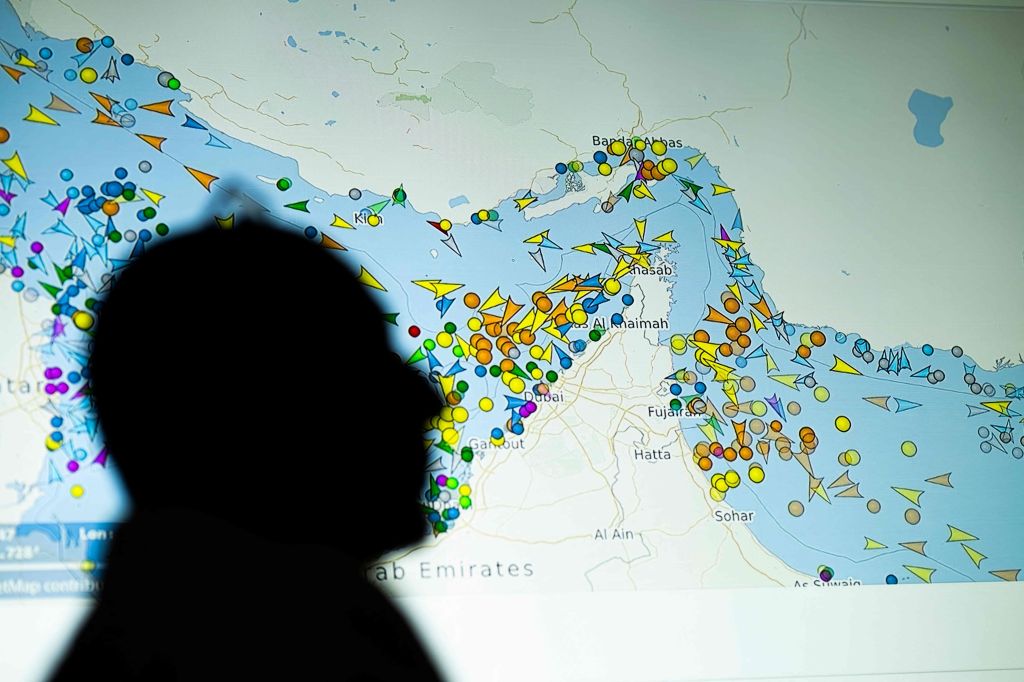
The setback of Dubai might benefit Hong Kong, provided the city is prepared.
A new head of constitutional matters encounters a challenging yet crucial initial task
Filipino farmer urges ‘End US-Iran Conflict’ as rising fuel costs erase profits
This piece was first published in the South China Morning Post (www.scmp.com), a top news outlet covering China and Asia.
Copyright (c) 2026. South China Morning Post Publishers Ltd. All rights reserved.
 jasdooit
Leave a comment