
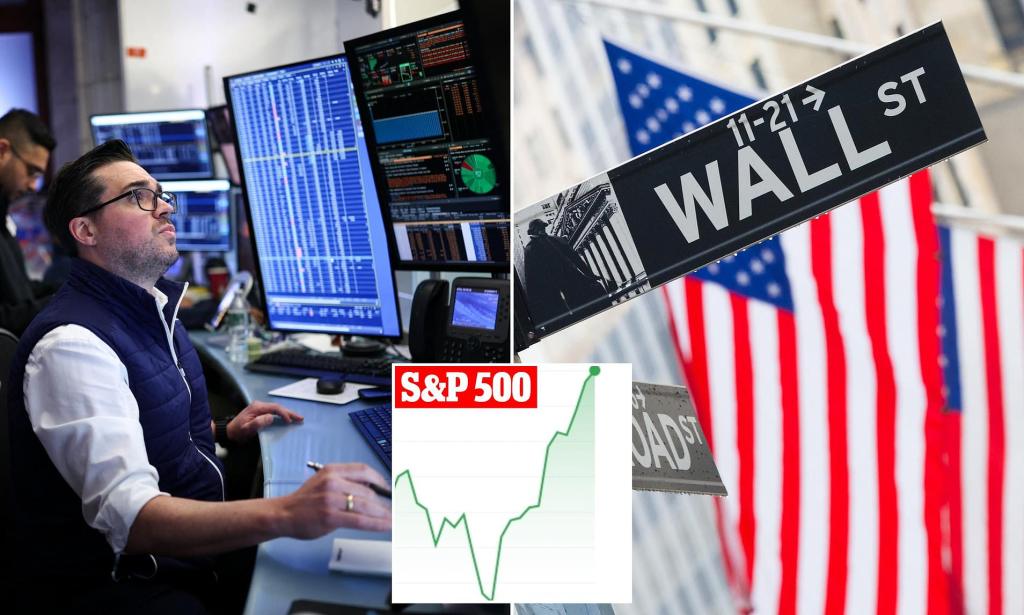
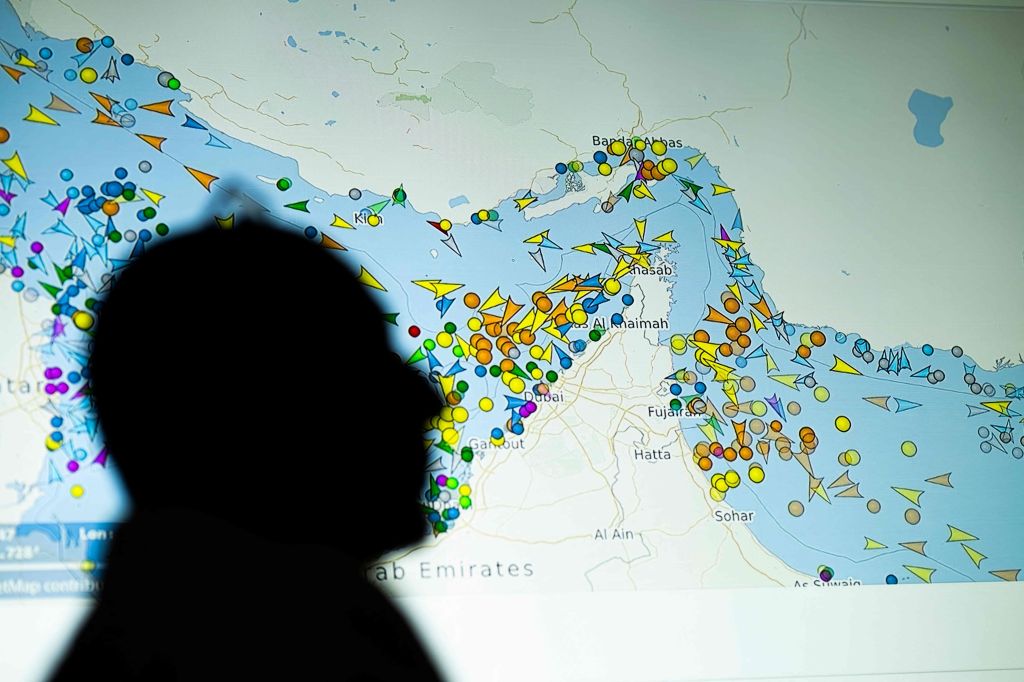
The U.S. stock market reached a record high on Wednesday, with Wall Street becoming optimistic about the potential conclusion of the conflict in Iran.
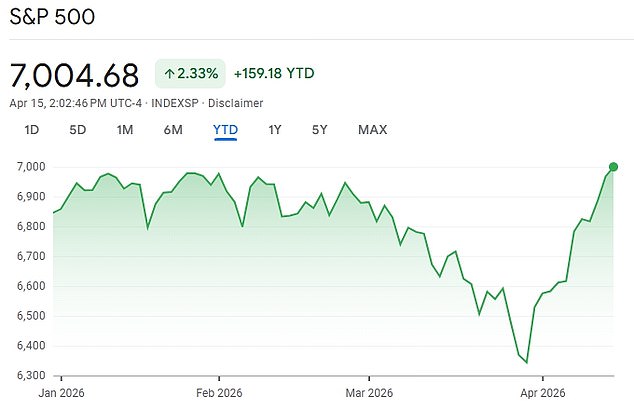
The S&P 500 stock index reached a record high while negotiators tried to preserve the truce between Iran and the United States ahead of its expiration next week.
The President’s residence stated yesterday that asecond round of negotiationswas being discussed, even as the US implemented a naval embargo on Iran’s ports
However, oil prices have already dropped significantly from the levels observed at the start of the conflict that began six weeks ago – WTI crude is 20 percent below its peak in early March.
Lower oil pricesproved to be a significant advantage for Wall Street, as decreasing energy expenses for companies and lower fuel prices for individuals enhance company profit margins and allow Americans to have more funds available for spending.
As of the time of this writing, the S&P 500 surpassed 7,004, exceeding its previous all-time intraday peak of 7,002 recorded on January 28.
The Dow Jones Industrial Average remains approximately 4 percent below its previous all-time closing peak of 50,188, recorded on February 10.
Meanwhile, the technology-focused Nasdaq stock index is remaining just under its record closing peak of 23,958 set on October 29, 2025.
A two-week ceasefire– facilitated by Pakistan – came into effect on April 8, although Israel has maintained actions against Iranian-backed Hezbollah in Lebanon, almost causing the agreement to collapse.
Last weekend, the initial phase of talks between the United States and Iran concluded without reaching a conclusion, despite reports that they were extremely near to an agreement to halt the conflict.
Later on Monday, President Donald Trump mentioned that the Iranians had attempted to reach out once more, stating, “They are very eager to strike a deal.”
Meanwhile, the The United States initiated its naval embargo of Iran on Tuesday.
“I don’t believe the conflict has concluded yet,” stated Brent Schutte, chief investment officer at Northwestern Mutual Wealth Management, during an appearance on CNBC yesterday afternoon.
Besides the possibility of an end to the conflict in the Middle East, corporate earnings for the first quarter began strongly this week, bringing more optimism to the markets.
Major banks such as JPMorgan Chase, Goldman Sachs, and Citigroup all announced impressive quarterly performances, leading to significant stock increases and boosting overall market conditions.
Technology stocks have also risen sharply, following impressive quarterly performance from AI chip company Nvidia and Amazon, which boosted the entire sector.

In the background, Wall Street remains cautious regarding the Federal Reserve and the projection for monetary policy.
The following Federal Reserve meeting is set for April 28-29 – while hearings for President Trump’s nominee to be thenew head of the Federal Reserve, Kevin Warsh, are available for early May.
Inflationis creating a disturbance once more, with genuine worries regarding the potential long-term effects the energy crisis might exert on the US economy.
“My starting point is that we will stay in a holding pattern for some time, but I believe there are risks on both sides regarding interest rates,” said Beth Hammack, president of the Cleveland Fed, to CNBC this morning.
Warsh is a strong candidate for the Federal Reserve chair position, yet he will face challenges from the President, trade conflicts, AI-driven workforce instability, and digital currencies.


 jasdooit
Leave a comment