
On the early morning of 19 July, 2003, a horrifying act took place.
A young woman was heading home by herself following a drunk disagreement with her boyfriend, when she was attacked by 29-year-old Paul Quinn.
Driven by alcohol and frustration after failing to “pick up” any women at his local nightclub, he took her down a slope next to the M61 motorway in Salford, where he choked her until she lost consciousness, before sexually assaulting her.
However, in the months and years that came after, a second innocent individual had their life altered permanently, this time as a result of mistakes committed by the British government.
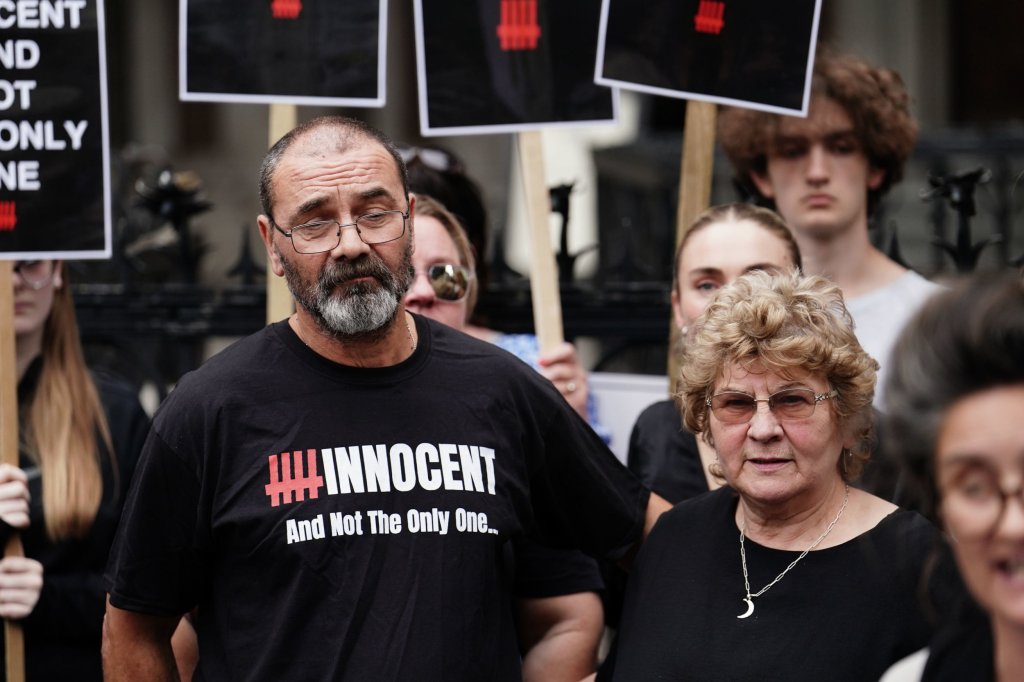
Andrew Malkinson, a resident of Grimsby who had been employed in the region as a security officer, was found guilty of the assault and served 17 years in jail, even though he was only accused of looking somewhat like the actual perpetrator.
No forensic proof was present, and the prosecution’s argument largely depended on Malkinson being recognized by three witnesses, including the victim, who later proved to be incorrect.
In the meantime, Quinn, a threatening sex offender who resided just a mile away from the location, remained free on the streets.
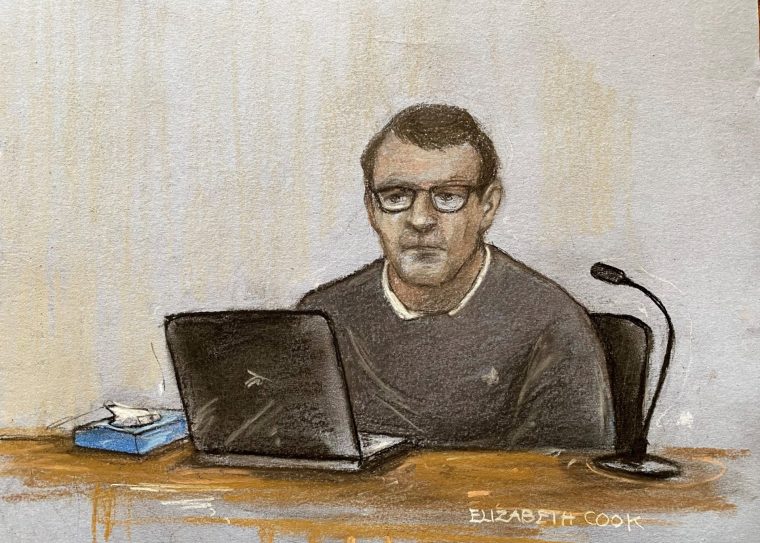
Nearly 23 years later, Quinn is finally being held accountable following the match of his DNA with evidence collected from the victim during the incident.
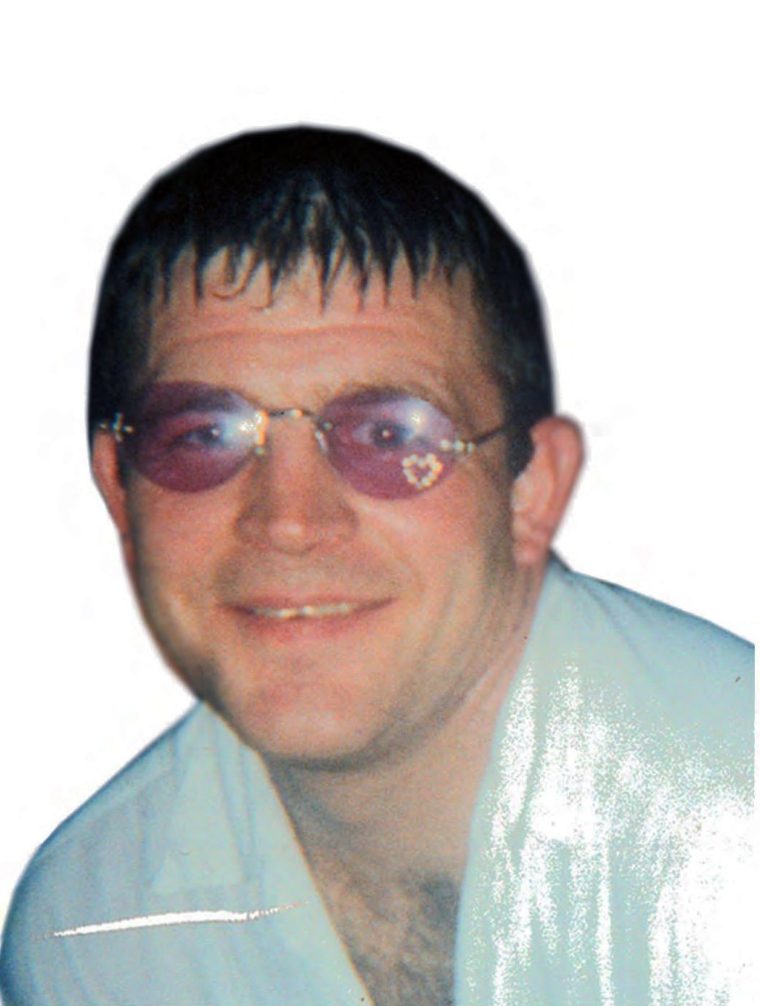
Currently experiencing hair loss and using eyeglasses, Quinn, who is 52 years old, was convicted by a jury at Manchester Crown Court on Friday afternoon.
Having made mistakes during the initial inquiry, Greater Manchester Police (GMP) has released an extraordinary apology to Malkinson, whose conviction was overturned by the Court of Appeal in 2023.
Assistant Chief Constable Steph Parker stated: “The reality that Andrew spent 17 years in prison for a crime he did not commit is clearly a failure of Greater Manchester Police and the broader criminal justice system. And for this, we sincerely apologize.”
We are committed to ensuring this does not occur again.
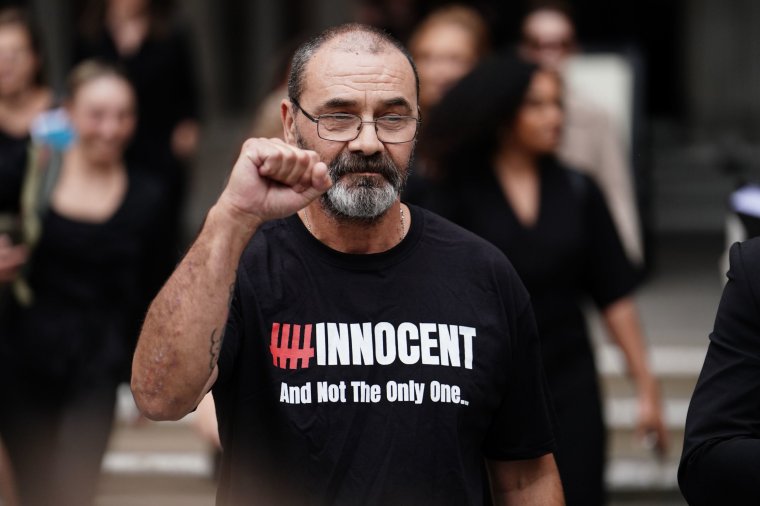
In response to the rulings, Malkinson stated, “I am satisfied that the correct outcome has ultimately been reached for the victim, myself, and the public.”
But the reality is that if the police had done their job properly, Paul Quinn could have been apprehended much earlier. Instead, they were looking for a fast conviction, and I became an easy target, forced to spend more than 17 years in prison for his terrible crime.
All individuals who permitted this hazardous person to roam freely while I was imprisoned must now face consequences.
The history of sexual violence involving Quinn
The unjust conviction of Malkinson stands as one of the most severe examples of judicial failure in the history of British law, and a public investigation will aim to address numerous questions regarding the circumstances that led to it.
For the first time, it has been revealed that Quinn possessed a lengthy criminal history, involving sexual offenses and violence, beginning as early as 1986 when he was only 12 years old.
In 1991, he was found guilty of engaging in sexual activity with a child under the age of 13. This offense led to Quinn’s DNA being collected in 2012 during a nationwide initiative that sampled 12,000 high-risk offenders who had not previously been added to the database.
The aim was to assist law enforcement in resolving cold cases, but it wasn’t until Malkinson’s legal team, headed by the organization APPEAL, arranged new forensic analysis in 2021 that the actual perpetrator’s DNA was identified.
Investigators continue to worry that Quinn might have committed additional offenses, both prior to and following the 2003 sexual assault.The i Paper knows that the police have recognized three unresolved “stranger” sexual assaults that are similar to the Malkinson case as being of significant concern.
A public inquiry headed by Sarah Munro KC will investigate all relevant factors, including the actions of GMP, the Crown Prosecution Service, and the Criminal Cases Review Commission (CCRC), which rejected Malkinson’s appeal requests on two occasions.
Five former police officers and one active duty officer have been informed that they are being probed for possible serious misconduct by the Independent Office for Police Conduct (IOPC), with one officer receiving a warning that they might encounter criminal charges.
However, experts have told The i PaperThe Malkinson scandal highlights the necessity for a significant reform in witness identification processes, and suggests that a comparable incident might occur once more.
Issues with eyewitness accounts
Although there has been a rise in the quantity of CCTV, forensic, and digital evidence, an eyewitness testimony continues to be one of the strongest assets in a criminal case.
However, specialists have previously expressed doubts regarding its accuracy, particularly in terms of recognition.
In 1969, an individual named Laszlo Virag was found guilty of stealing from parking meter coin slots in Liverpool, mistakenly recognized by eight witnesses.
The failure of justice, along with other cases that were similar, resulted in the release of the Devlin report in 1976, which highlighted that witnesses frequently exaggerate their capacity to accurately recognize the correct individual.
Suggestions were proposed, such as juries being given what is referred to as a “Turnbull” warning to avoid placing excessive trust in identification evidence when determining a person’s guilt.
Nevertheless, Andrew Roberts, a Law Professor at the University of Melbourne, claims that the Malkinson case illustrates that after 50 years, very little has altered.
“He stated, ‘What Malkinson shows is that we haven’t truly grasped the lessons [of Laszlo Virag].’”
I hope the public inquiry leads to significant changes. If it doesn’t, we might find ourselves in the same situation again within ten, twenty, or thirty years.
Victim informed authorities she ‘wasn’t certain’ during Malkinson trial
Three witnesses who recognized Andrew Malkinson utilized the VIPER (Video Identification Parades Electronic Recording) system, created by West Yorkshire Police in the late 1990s and currently employed over 20,000 times annually by police departments across the UK.
Witnesses are shown a video lineup typically consisting of eight individuals who resemble the suspect, along with the person being identified.
Every individual is shown for approximately 15 seconds, moving their head from side to side throughout the sequence.
The individual who was targeted by Quinn selected Malkinson during a VIPER session conducted at a police station two weeks following the assault.
Nevertheless, her level of confidence in the statement was not questioned.
At Quinn’s trial, she openly confessed for the first time that she has consistently had uncertainties.
She informed the jury that she instantly sensed something was wrong with Malkinson’s suitability as the accused when she saw him in the courtroom during his 2004 trial, and she expressed her doubts to a police officer.
I mentioned that I wasn’t entirely certain it was the right person,” she explained to Quinn’s jury. “They told me ‘don’t worry, it’s just test anxiety, everything will be fine.’
The jury was also informed that Beverly Craig, the second witness claiming to have seen the perpetrator, first pointed out a different man during her VIPER session in 2004, later changing her identification to Malkinson.
The third witness, Michael Seward, who has since passed away, was Craig’s partner and was not involved in carrying out his VIPER identity procedure until six months after the crime, giving him plenty of time to have discussed it with her.
In both trials, the jurors were not informed that Craig and Seward had prior convictions related to dishonesty and a background of significant drug use, even though there were worries this information might impact their credibility.
Legal frameworks have not evolved alongside scientific advancements
Roberts has collaborated with another scholar and part-time judge, Andrew Ormerod, on a paper that advocates for the creation of a “Devlin 2.0” panel of legal professionals to review issues related to witness identification.
“For quite some time, cognitive psychologists have been conveying to those within the criminal justice system that memory is a building process, and that recollections of actual events will always be partial,” they state.
The law has, unfortunately, not kept up with the advancing scientific knowledge of memory.
Possible modifications to the VIPER system might involve conducting it in a step-by-step manner, instead of all at once. This would require the witness to determine if each individual is the perpetrator after viewing them, rather than making the decision at the conclusion.
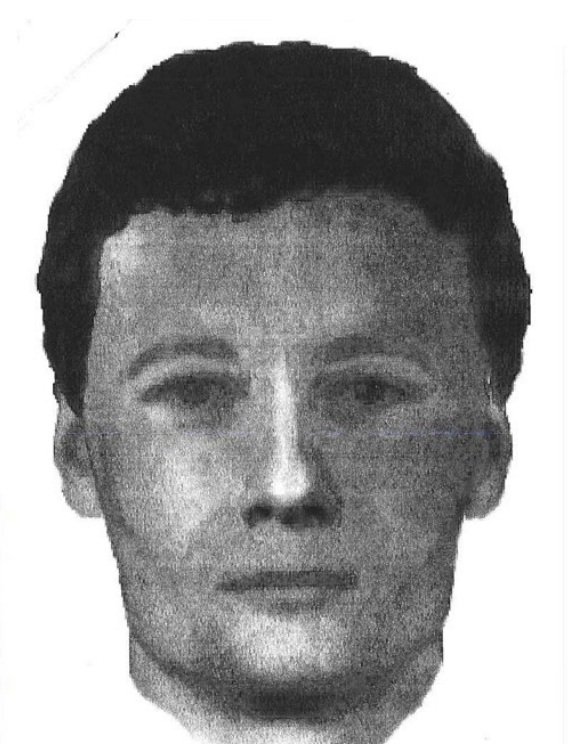
Experts claim this avoids a “relative judgment strategy,” where witnesses select the person who most matches their memory of the perpetrator, regardless of how closely they align with their recollection.
Witnesses may also be requested to provide a confidence score regarding their certainty in the identification.
Dr. Ruth Horry, a cognitive psychologist from Swansea University, is part of a group of scholars who initially suggested this approach to police departments in 2013 – however, it has not been put into practice yet.
She mentioned, ‘What usually occurs is that you experience what’s known as “confidence inflation” over time.’
So typically, by the time a person is in a courtroom, they will claim to be 100 percent certain.
Gradually, you develop the belief that ‘I must have made the correct choice, otherwise why would this person be facing trial’.
Dr. Horry contends that when witnesses show low confidence or alter their stance—like Beverly Craig did when recognizing Malkinson—their testimony should be given less weight.
She has also advocated for a “double blind” approach, ensuring that neither the witness nor the police officer conducting the VIPER procedure is aware of the suspect’s identity.
This would stop the police officer from providing the witness with hints—whether on purpose or not.
Malkinson: A Prime Illustration of Testimony Challenges
Detective Chief Superintendent Rebecca McKendrick, who headed the probe into Paul Quinn, described it as “completely unique” compared to any case she has worked on previously “since there are two victims.”
“We have a victim who has endured a terrible attack, along with what happened to Mr. Malkinson and the time he spent in prison,” she said.
Det McKendrick acknowledged that the Quinn inquiry has revealed the shortcomings of depending on witness testimony.
She stated, “Witness identification is consistently an area that can be subjective, as it relies on human recognition, which isn’t always entirely reliable. It certainly still plays a role in investigations, but in my opinion, it should always be used alongside other methods.”
There are genuine disadvantages to fully depending on witness identification, and this case exemplifies that perfectly.
The i Paper comprehends that the police misconduct inquiry conducted by the IOPC will examine if officers adhered to proper procedures during the identification of Malkinson, whether witnesses were given any rewards to supply evidence, the claimed omission in revealing information that could have benefited Malkinson’s defense during the trial, and the management and destruction of evidence items.
IOPC director Amanda Rowe stated, “A group of seasoned investigators is still thoroughly examining Mr. Malkinson’s allegations concerning GMP’s conduct during the investigation and the trial in 2004.”
This is an extremely complicated and lengthy procedure, partly due to the passage of time and the vast amount of evidence and investigative paths that need to be examined, but our efforts are crucial to provide Mr. Malkinson with the answers he is entitled to and to ensure the public has trust that, when issues arise such as this, there will be thorough examination and valuable lessons will be drawn.
Solicitor Toby Wilton, who is advising Andrew Malkinson, stated that his client “appreciates that justice has been achieved, although it has come many years too late.”
He stated: “This case highlighted even more how both the victim of this awful crime and Mr Malkinson might have avoided years of suffering and unfair treatment if it weren’t for shortcomings by Greater Manchester Police, the CPS, and the Criminal Cases Review Commission.”
Paul Quinn resided close to the location of the crime. He shared several significant similarities with the victim’s account of her attacker, unlike Andrew Malkinson, he possessed a regional accent. His former wife testified that he returned home without his shirt on the night of the incident.
But, as the Court was informed, within days the police were fully concentrated on prosecuting Mr Malkinson. It also learned that the victim expressed uncertainties to the police regarding her identification of Mr Malkinson at that time.
The continuous inquiries into this shocking failure of justice by the Andrew Malkinson Inquiry and the Independent Office for Police Conduct should be permitted to carry out their essential work in order to gain insights and ensure those at fault are held responsible.




 jasdooit
Leave a comment