
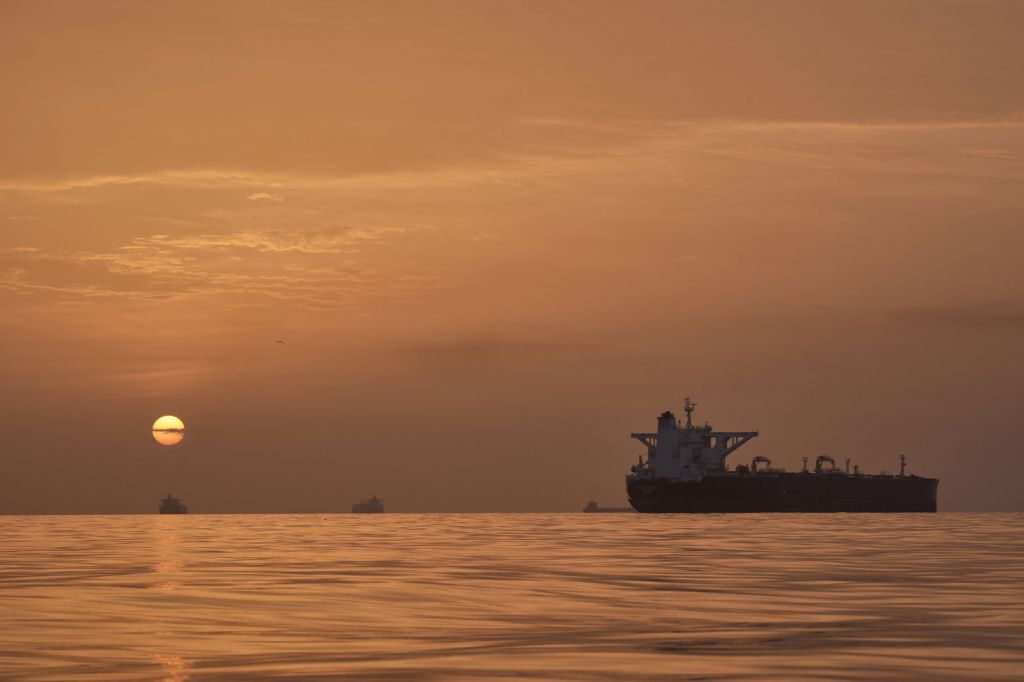
Tensions in the Strait of Hormuz have escalated to their highest point just two days before the ceasefire deadline. The U.S. military intercepted an Iranian-flagged freighter in the Gulf of Oman, which is linked to the strait, leading Iran to issue a warning of possible retaliation. Only one major commercial ship was confirmed to have transited through the strait within the last 24 hours. The UK has increased the threat level in the Strait of Hormuz and the Persian Gulf to the highest level, “critical,” and cautioned that “the risk of collision is severe.”
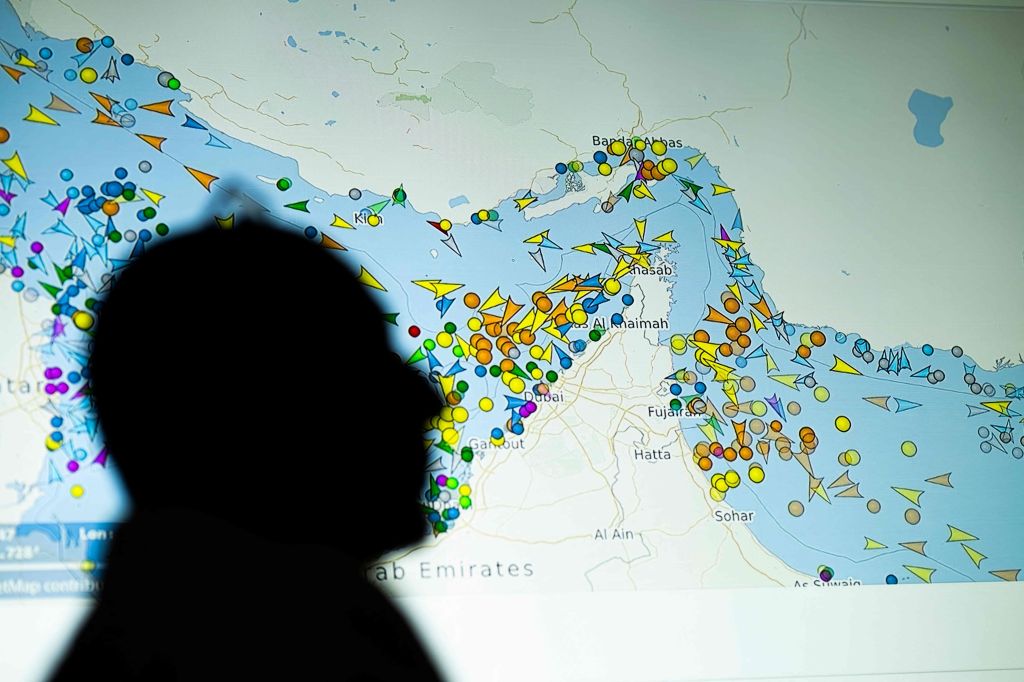
The New York Times (NYT), referencing the global ship-tracking platform MarineTraffic, stated on the 19th that just one major commercial ship, the tanker ‘G Summer,’ had gone through the Strait of Hormuz in the last 24 hours. Although certain vessels might have disabled their location tracking, it has not been verified if they actually crossed the strait.
The ‘G Summer,’ which traveled through the strait, is said to be owned by a Chinese firm. As per MarineTraffic, the tanker changed its route several times, including executing a U-turn in the Persian Gulf, possibly because of deteriorating conditions in the strait. To evade military threats from Iran, it reportedly indicated through its Automatic Identification System (AIS) that it was “a Chinese-owned ship with Chinese crew.” The vessel had previously been under U.S. sanctions due to suspected connections to Iranian oil when it operated under another name.
In light of these developments, the UK has raised the threat level in the Strait of Hormuz and the Persian Gulf to its highest category, “critical.” The UK Maritime Trade Operations (UKMTO) mentioned in a statement that Iranian forces had targeted several ships transiting the strait the day before, noting that “military activity in the region has risen considerably.” It also cautioned that “the risk of attacks on commercial ships or accidents caused by miscalculation is very high.” The “critical” rating, which is the top of the five threat levels used by UKMTO, indicates that “attacks are likely or expected to happen soon.”
Previously, the United States announced that it had intercepted and taken control of the Iranian-registered cargo vessel ‘Touska’ (Touska) in the Gulf of Oman near the Strait of Hormuz. U.S. President Donald Trump directly mentioned on Truth Social, “Our navy stopped it by creating a hole in its engine room, and now the Marines are securing the ship and inspecting its contents.” The U.S. Central Command (CENTCOM), which is responsible for the Middle East, also provided information about the seizure along with video footage of the operation. President Trump likely authorized the action to increase pressure on Iran before the June 21 deadline for the “two-week ceasefire.” It is also seen as a reaction to Iran’s military blockade of the strait and attacks on ships.
Iran swiftly criticized the action and promised revenge. A representative from the Khatam al-Anbiya Central Military Headquarters, which consolidates Iran’s military leadership, conveyed through state media that the U.S. military’s actions breached the ceasefire accord and that Iran would retaliate shortly. Iranian authorities also asserted that they attacked a U.S. military ship in response to the seizure of their vessel. Nevertheless, it is still unclear whether Iran actually carried out military retaliation against U.S. warships using drones or if these statements were part of internal propaganda.
If Iran focuses on dialogue and moderates its response, discussions that ended on the 11th might restart as soon as the 20th. Nevertheless, the current weak progress toward talks is in danger of completely breaking down due to increasing military conflicts. How Iran reacts to the claimed ceasefire breach—through either negotiations or further escalation—will be a crucial element in deciding if the talks continue.
The two parties currently have conflicting views on restarting the second round of discussions. President Trump mentioned, “My team is traveling to Islamabad, Pakistan,” implying that the second ceasefire negotiations with Iran are confirmed. Nevertheless, Iran maintains that it will not participate in talks unless the U.S. removes its restrictions on the Strait of Hormuz. On the same day, Iranian state media IRNA reported, “Claims about a second round of discussions in Islamabad are false,” and noted, “At this time, the chances for meaningful negotiations are uncertain.”


 jasdooit
Leave a comment