
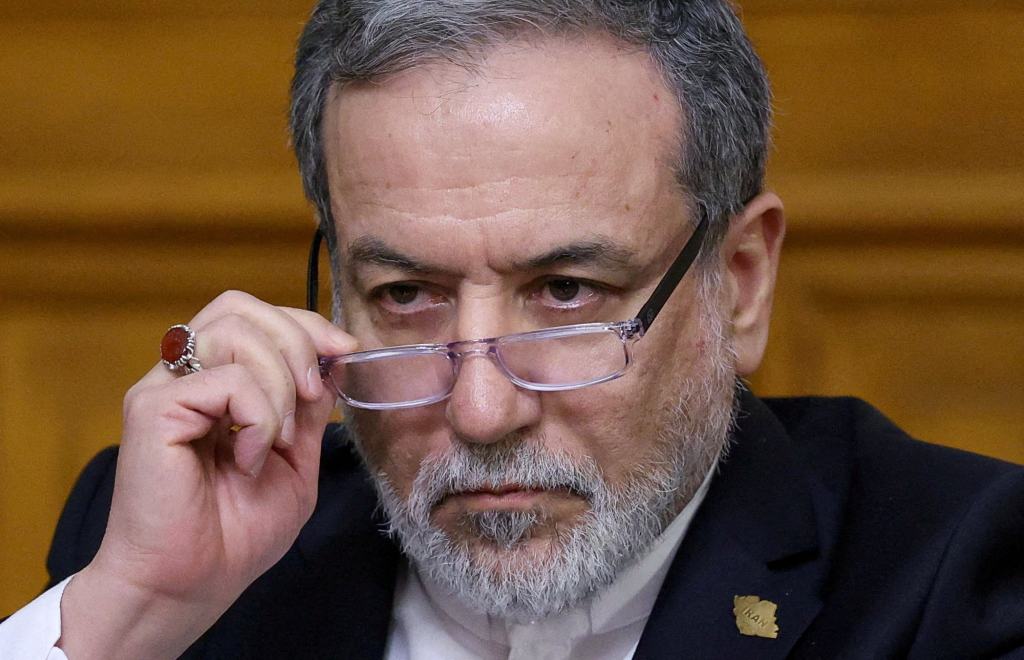
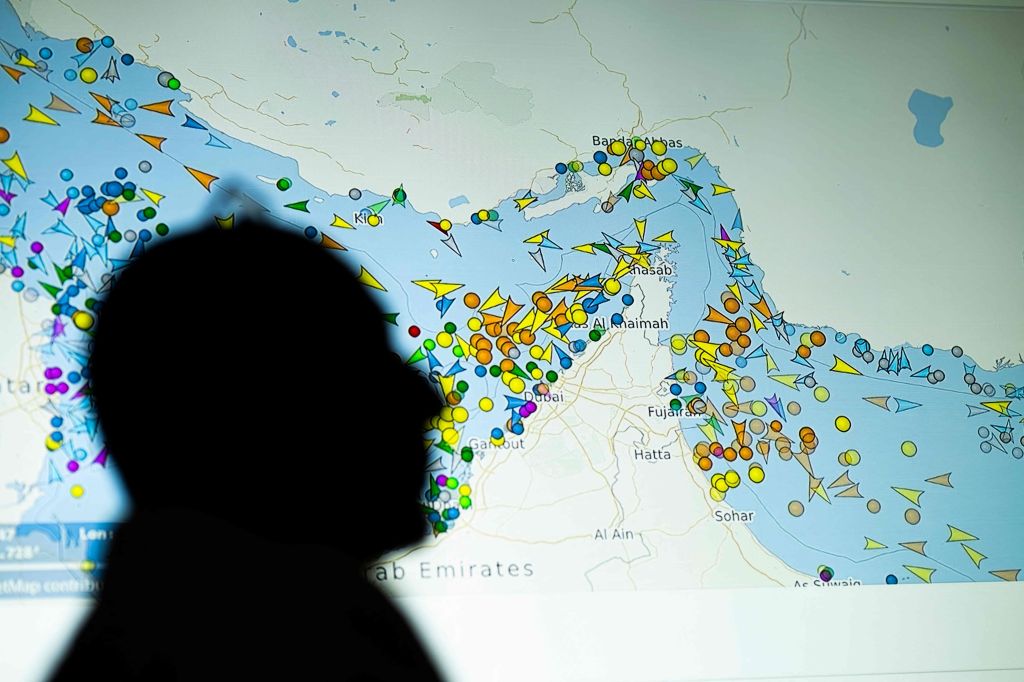
The Iranian Foreign Minister, Abbas Araghchi, released a statement on the 17th announcing the “complete opening of the Strait of Hormuz for the rest of the ceasefire period.” Nevertheless, the Iranian military expressed a conflicting position the very next day, asserting, “Any effort to approach the strait will be seen as supporting the enemy.” In reply, the Foreign Ministry explained three days later, “In general, the Foreign Ministry does not implement any actions without consultation with higher authorities.”
Esmail Baghaei, a representative of Iran’s Foreign Ministry, mentioned during a routine press conference on the 20th, “Decisions, particularly those of great importance, are only taken following consultation with the nation’s designated authorities.” He noted, “The statement did not include any new pact. It simply informed about the execution of an earlier agreement.” He further clarified, “That previous agreement had not been completely carried out because of Lebanon’s breach of the ceasefire and the U.S. side’s inability to meet its obligations. Hence, the tweet was just a reaffirmation of Iran’s commitment to fulfill its previously pledged responsibilities concerning the Strait of Hormuz.”
Baghaei stated, “The language was clear from the beginning. A detailed review shows it specifically mentions that the Strait of Hormuz will be accessible to commercial ships under the condition of required coordination, referring to the ceasefire in Lebanon.” He added, “However, this step encountered an extremely unsuitable reaction from the U.S., which eventually hindered the progress.”
Araghchi posted this explanation exactly as it was on his Telegram channel.
Previously, on the 17th, Araghchi unexpectedly declared through X that the Strait of Hormuz would be temporarily accessible. At that moment, he mentioned, “As per the Lebanon ceasefire agreement, all ships will be completely allowed to pass through the Strait of Hormuz during the ongoing ceasefire period.” Despite the inclusion of a “pre-arranged routes” condition, international oil prices dropped instantly, leading to substantial market instability.
U.S. President Donald Trump quickly responded to the statement, sharing on Truth Social about 20 minutes after Araghchi’s tweet: “Iran has just stated that the Strait of Hormuz is completely open and available. Thank you.”
However, the following day, the Iranian armed forces stated the contrary: “Any effort to enter the Strait of Hormuz will be considered as supporting the enemy, and those ships will be subject to attack.”
Media platforms aligned with hardline conservatives and the military strongly condemned Araghchi. They claimed that his statement had allowed President Trump to take control of the conversation about the Strait of Hormuz. The criticisms stated: “The foreign minister’s unexpected post and Trump’s quick display of confidence left Iranian society in a state of confusion,” “Following the foreign minister’s message, interactions between Trump and the media, seeking to announce and highlight a military victory, increased rapidly,” and “The foreign minister’s post, without further explanation, gave Trump the ideal chance to present himself as a ‘winner’ and trumpet his supposed success.”
Some believed that splits were becoming visible among Iran’s leadership. The U.S.-based Institute for the Study of War (ISW) noted, “This highlights extensive divisions within the Iranian government, indicating that various groups have markedly different views on negotiation offers.” The British weekly The Economist also reported that the repeated conflicting positions between the government and the military point to continuous intense power conflicts internally.


 jasdooit
Leave a comment