
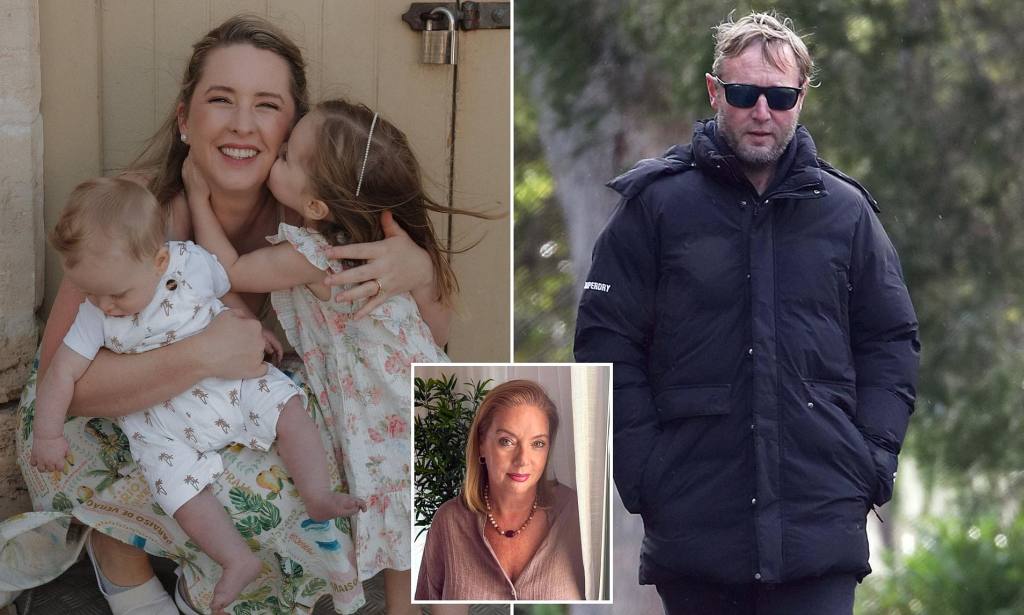
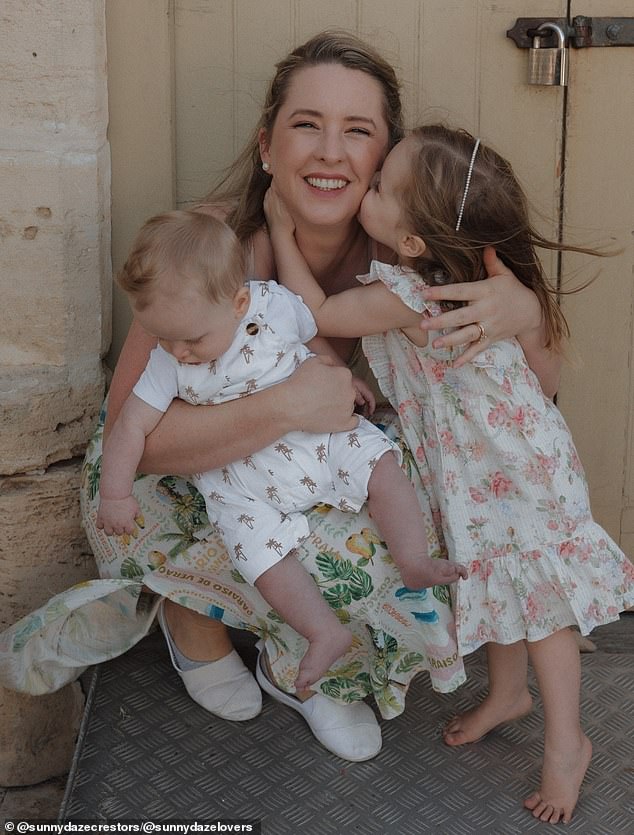
A mother-of-two says she was robbed of precious time with her children after losing $60,000 in the First Guardian collapse, which forced her back to work almost two years earlier than planned.
Perth nurse Kelly Forrest, who has a one-year-old boy and a three-year-old girl, said she had planned to remain at home with her children until her approved maternity leave ended in June 2028.
Instead, Ms Forrest said she must return to her job in September after losing her savings when the First Guardian superannuation fund collapsed in 2024.
‘I can rebuild my savings. I can work more and earn more money. But I can’t rebuild their childhood,’ Ms Forrest told the Daily Mail.
‘I can’t get another first year with my baby, and I can’t buy those days back later.
‘There is something incredibly painful about dropping your baby off knowing you’re not doing it because you’re ready, but because circumstances have forced you to give up that time earlier than you intended.’
Ms Forrest said she invested $60,000 with First Guardian in May 2024, just ten days before the fund collapsed, after seeing an advertisement on Facebook.
She said she then realised something was wrong when her emails were no longer returned.
‘It appears I was pulled into this about ten days before it collapsed publicly, meaning it was well known by those who brought me in that the collapse was imminent,’ Ms Forrest told the Daily Mail.
‘Names of people I spoke with changed constantly, I was unable to access client portals and phone calls were never returned.
‘Initially, I don’t think I appreciated how significant the situation would become as I was postpartum and focusing on one of the biggest moments of my life, having a new baby and a toddler.
‘As more information emerged, I realised I had to start making decisions on the assumption that a substantial amount of money I had worked for might not be coming back – but by then it was too late.’
Ms Forrest said the consequences of the collapse on ordinary families, particularly those with young children, have not been fully understood.
‘There are younger Australians and young families caught up in this too, and I feel like our stories are being overlooked,’ she said.
‘Perhaps there is an assumption that because we are younger, we have decades to earn the money back, so the impact is somehow less significant.
‘But that completely misses what the money represented at this stage of our lives.’
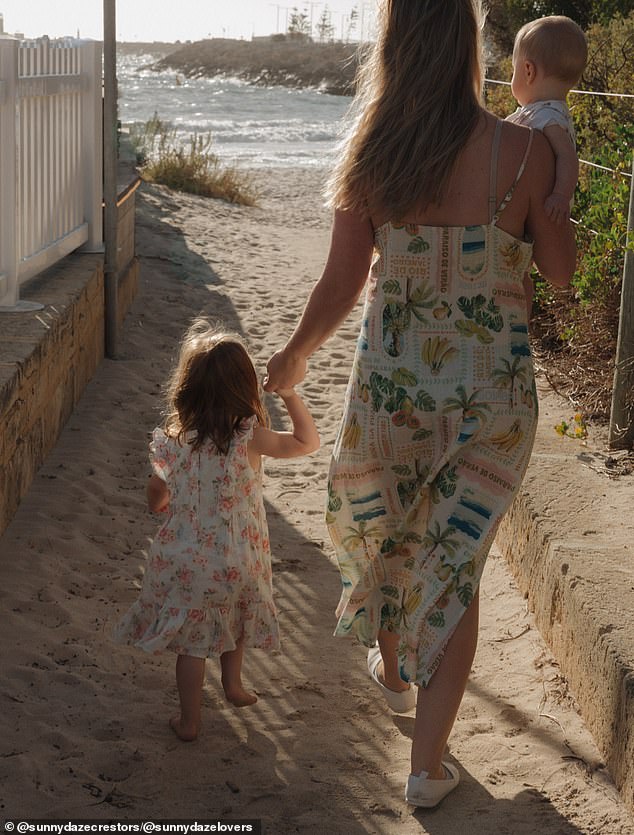
For Ms Forrest, the money meant financial independence and the freedom to step away from her career while her children were young.
The loss of her savings affected not only the time she spent raising her daughter, but also means she will be working throughout her son’s early years.
‘Yes, I have time to work again. I can earn more money. But my husband’s income doesn’t erase my financial loss,’ she said.
‘I think there is sometimes an assumption that because a woman is married, her husband’s financial position somehow substitutes for her own. For me, it doesn’t.
‘Maintaining financial independence within my marriage has always been important, and returning to work earlier than planned is now part of rebuilding that.
‘I don’t think a woman should have to choose between financial independence and spending the maternity leave she planned with her baby because an investment she reasonably believed was secure has collapsed.’
Ms Forrest criticised the Albanese government’s response to the collapse of the First Guardian and Shield-managed investment schemes, which left about 12,000 investors facing losses of more than $1billion.
‘I don’t think the government response can be considered adequate until there has been proper scrutiny of how ordinary Australians were exposed to these losses, whether the regulatory system failed to protect them, and whether there were opportunities to intervene sooner,’ she said.
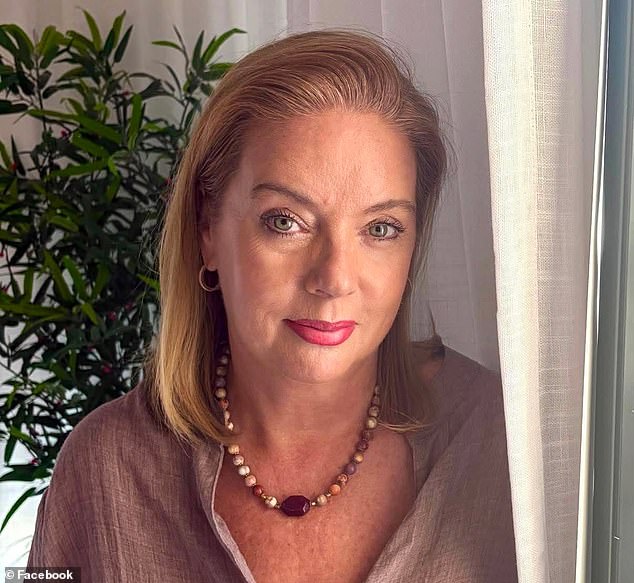
Melinda Kee, who heads SOS Save Our Super, urged the Federal Treasury to direct greater funds to the Compensation Scheme of Last Resort (CSLR).
‘Government must ensure the CSLR is adequately and promptly funded while it reforms who ultimately pays,’ she told the Daily Mail.
‘Victims shouldn’t have to wait for the funding architecture to be fixed before they receive compensation.
‘Victims have waited long enough. We are promised a last resort. Priority must be on getting the victims paid, so we can move forward and heal from this ordeal.’
David Anderson, the former chief executive of the failed First Guardian Master Fund, has denied wrongdoing in relation to the collapse.
Last month Financial Services Minister and Assistant Treasurer Daniel Mulino announced unlicensed telemarketers will be banned from cold-calling Australians.
Under the crackdown, unsolicited approaches to persuade people to switch super accounts are no longer permitted.
Advisers are only allowed to initiate contact with existing clients and will be held more accountable for the conduct of third-party lead generators they engage, in a bid to prevent another Shield or First Guardian-style collapse, according to the reforms.
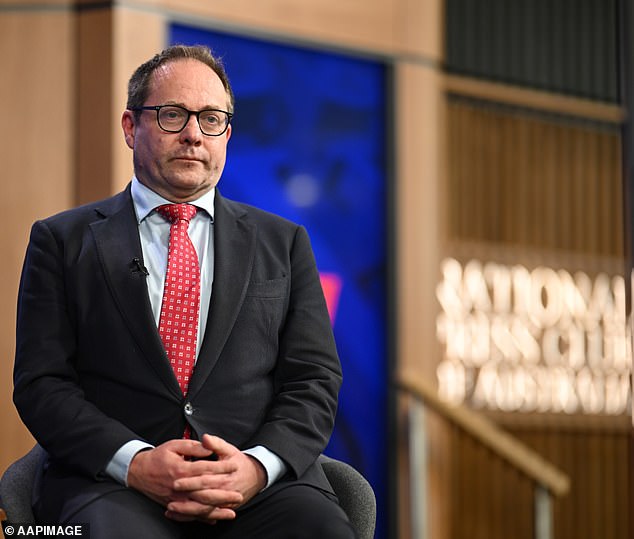
When contacted by the Daily Mail about Ms Forrest’s experience, Mulino said there are several steps victims of the fund’s collapse can take.
‘The collapses of Shield and First Guardian have been devastating for investors who report they were put into the funds without their knowledge or misled about the products they were moving into,’ he said.
‘I have met multiple times with some of the consumers who have been directly impacted by these collapses, and I acknowledge the significant toll that these events have taken on Australian families
‘It is really important that people who have been affected put in an application to the Australian Financial Complaints Authority (AFCA) as soon as possible.
‘ASIC has undertaken a range of regulatory actions in response to the collapse of Shield and First Guardian, and worked with two of the platforms, Macquarie and Netwealth, so those who invested through those platforms have been able to recover the capital they invested.’




Leave a Reply