
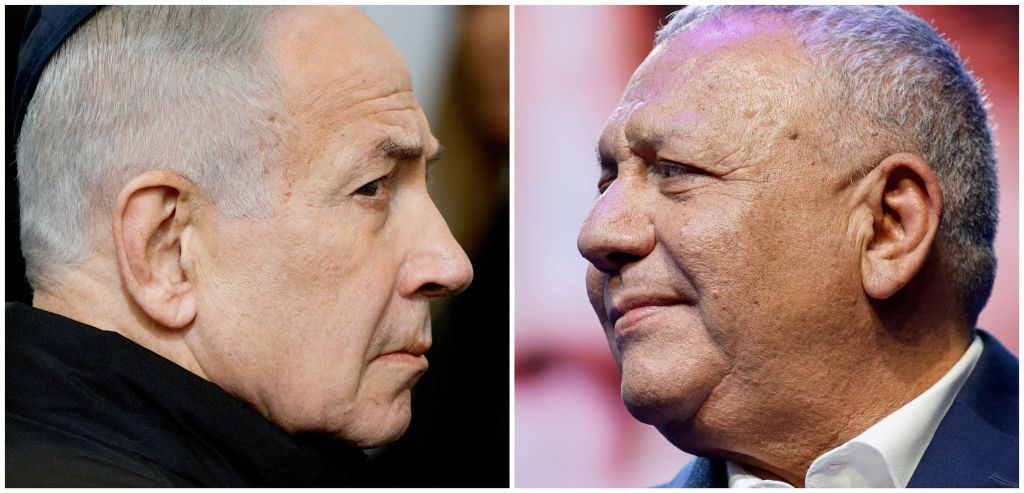
Israeli President Yitzhak Herzog will initiate talks with every political party represented in the Knesset, the national parliament, beginning on the 4th, to identify a candidate for prime minister. The October 27 general election ended without either Benjamin Netanyahu’s faction or the anti-Netanyahu coalition securing enough seats to establish a government, intensifying scrutiny over which figure President Herzog will propose. Depending on whether a coalition is successfully assembled, Netanyahu’s 18-year tenure could continue, prompting assessments that Israel stands at a pivotal moment likely to influence future developments across the Middle East.
As reported by The Times of Israel on the 2nd, President Herzog aims to appoint a prime minister candidate by November 11 following consultations with all parties. The designated candidate must negotiate and form a coalition within six weeks; if they secure a parliamentary majority in a vote of confidence, they will be sworn in as prime minister. Should coalition-building fail, the president may nominate another candidate, and if no government can be formed after multiple attempts, the matter shifts to the Knesset. If a candidate gains support from more than 61 of the 120 Knesset members, they will be confirmed as prime minister; otherwise, a new election will be scheduled.
Gadi Eisenkot, former head of the military staff and leader of the anti-Netanyahu bloc, has taken the lead in formalizing coalition discussions. In a recent declaration, he described the upcoming government he intends to build as “a Zionist and nationally focused administration.” This statement is widely seen as a strategic emphasis on Zionism—the movement advocating for the establishment and protection of an independent Jewish state—positioned explicitly against Netanyahu, who also identifies strongly with nationalist ideals.
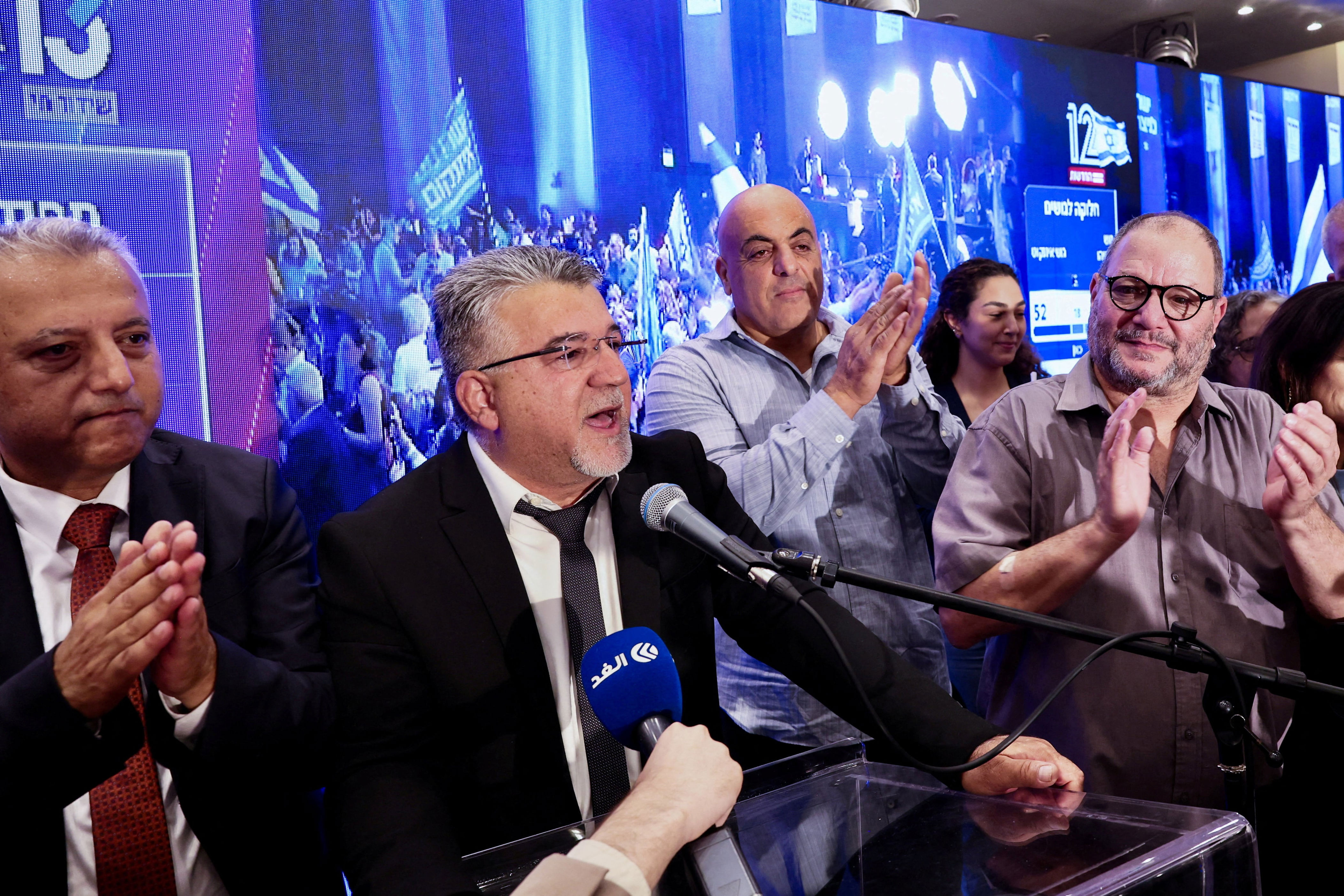
The Arab political factions, viewed as holding decisive influence, have begun asserting their leverage. The election results placed Netanyahu’s camp at 53 seats and the opposition at 48. To achieve a parliamentary majority and gain approval for a prime minister, a coalition including Arab parties—specifically the Joint List (11 seats) and Ra’am (8 seats), totaling 19 seats—is essential. Yousef Jabareen, a representative of the Joint List, stated on that day, “We are open to supporting a new government externally to remove the extreme Netanyahu regime.” This indicates backing for the anti-Netanyahu coalition without joining it formally or accepting ministerial roles. Given this potential support, Eisenkot is emerging as a leading contender for the first prime minister nomination.
Meanwhile, Netanyahu faces challenges in securing a clear path to a majority. Critics note that his commitment to hardline right-wing policies and strict adherence to Zionism complicates efforts to include Arab parties in a coalition. There is also speculation that if the opposition fails to form a government and a re-election is called, Netanyahu could benefit: he might serve as interim prime minister until a new government is established and then seek to regain a majority in the next election.




Leave a Reply