
A 40-something man who tried to evade responsibility by saying, “I drank more beer after coming home,” following a drunk-driving arrest, was ultimately found guilty in an appellate review. While the initial court acquitted him due to uncertainty about whether he consumed more alcohol post-driving, the appellate court reversed the decision, highlighting contradictions in his statements and inconsistent testimonies from the couple.
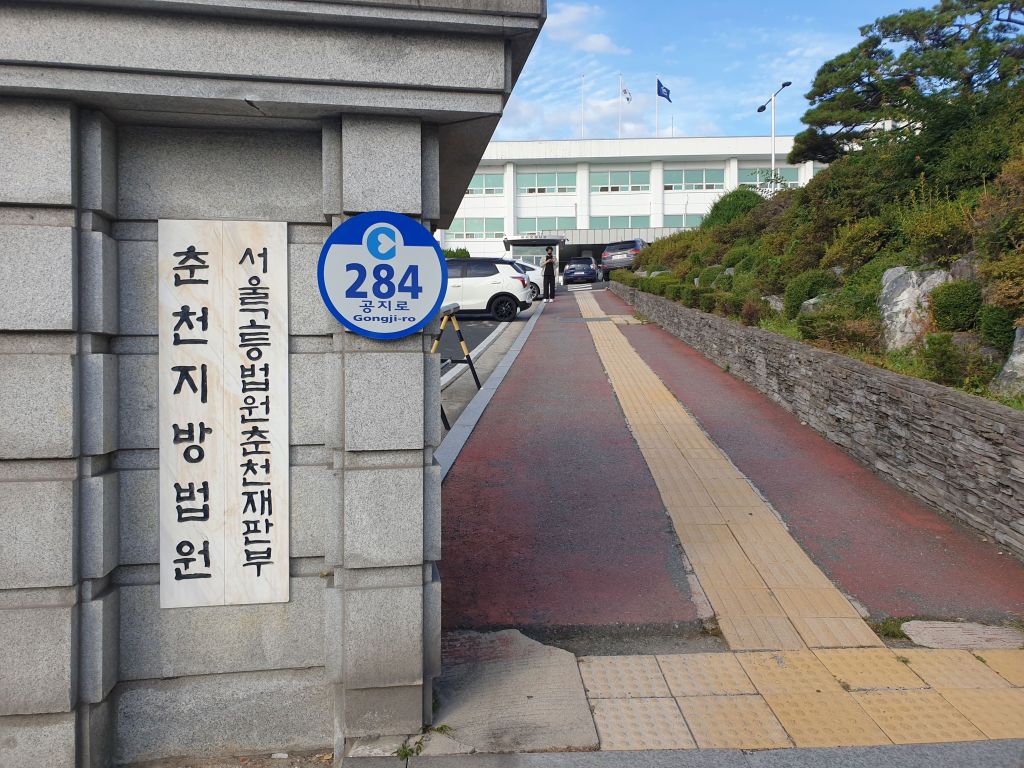
The Chuncheon District Court Criminal Division 1-1 (Judge Lee Geun-young) announced on the 8th that it had overturned the lower court’s acquittal of A (44), who was charged under the Road Traffic Act for driving under the influence, and sentenced him to six months in prison, suspended for two years.
Mr. A was brought to trial for allegedly driving about 4.5 km from a road in Wonju, Gangwon Province, to his apartment’s parking area while intoxicated in December 2024.
At the time, a driver behind Mr. A reported to 112 that the vehicle was weaving and crossing lanes. When police arrived at his residence, Mr. A first denied driving but later confessed, claiming he had consumed an additional 500ml can of beer after returning home. Empty beer cans and cups were discovered on the dining table during the home inspection.
The lower court concluded that it was impossible to rule out the chance Mr. A had drunk more beer after arriving home. It also noted that the blood alcohol level at the time of driving could not be definitively proven to surpass the legal limit of 0.03%, leading to his acquittal. The police measured his blood alcohol concentration at 0.058%.
However, the appellate court reached a different conclusion. It pointed out that Mr. A had made contradictory statements—first denying the act, then admitting it—and found the conflicting narratives between the couple regarding post-driving beer consumption to be highly questionable.
Mr. A’s wife stated she poured beer into a cup without being asked by her husband, whereas Mr. A maintained he had requested her to bring the beer and drank directly from the can.
The court also emphasized that Mr. A sent text messages to his wife while en route to his home and continued typing messages even after arriving and before opening the door. Although the couple claimed these messages were meant to comfort each other, the court considered the possibility they were part of a coordinated effort to fabricate a story suggesting he had consumed beer after returning home.
The appellate court remarked, “The defendant’s justifications and efforts to avoid punishment following his arrest for drunk driving went beyond acceptable defense mechanisms and were clearly aimed at deceiving investigators and the judicial system—an act that is deeply condemnable.” It further noted, “His prior conviction for drunk driving in 2009 was also taken into account during sentencing.”






Leave a Reply