
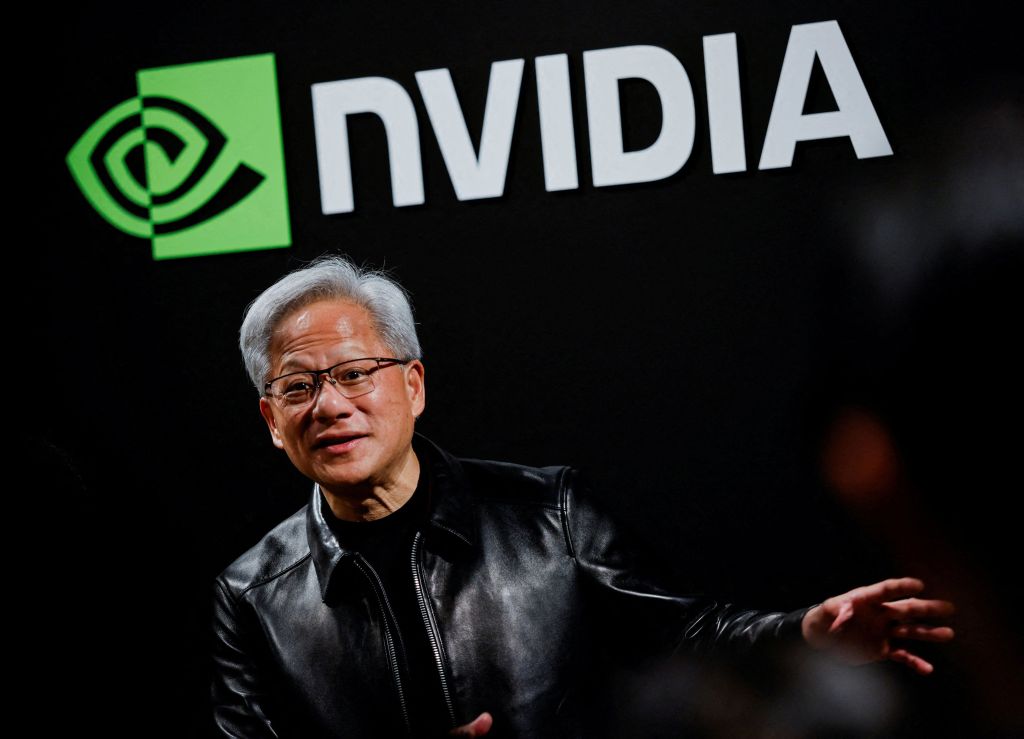
NVIDIA’s share value dropped sharply amid a scandal involving former CEO Jensen Huang, yet domestic investors reportedly acquired more than 480 billion Korean won in NVIDIA stocks this month. This surge in buying is seen as a strategic move to capitalize on lower prices, reflecting confidence in a potential recovery despite the management turmoil, underpinned by strong expectations for sustained demand in AI semiconductors. Investors are now closely monitoring the upcoming earnings release on the 17th, which could act as a turning point for the stock’s rebound.
◇This Month’s $360 Million Net Purchase…20 Times Last Month’s Volume
As reported by the Korea Securities Depository on the 15th, domestic investors net-purchased $358.88 million (about 480.8 billion won) in NVIDIA shares between the start of this month and the 13th—nearly 20 times the $18.36 million net purchase recorded throughout all of October.
Jensen Huang stepped down as CEO on the 12th following allegations of an affair with Alice Huang, who is suspected of being a Chinese spy, along with further claims of infidelity involving an NVIDIA vice president. As a result, NVIDIA’s stock declined from $213.66 on October 29th to $162.85 by the 13th—a drop of 23.8% over just two weeks. Domestic investors appear to have interpreted this sharp decline, fueled by the escalating personal scandal, as a favorable entry point for acquiring shares at discounted levels, anticipating a future recovery.
◇Earnings Announcement on the 17th…Resolving Management Vacuum Is Key
The market is now fixated on NVIDIA’s third-quarter earnings report set for the 17th. Strong results and a confident outlook regarding AI demand and continued market leadership could help ease investor concerns triggered by the sudden CEO transition.
Lee Kyung-min, a researcher at Daishin Securities, commented, “The upcoming earnings announcement is a pivotal moment in assessing whether the AI and semiconductor sectors will recover. Although recent scandals surrounding Jensen Huang have increased uncertainty, the risk of direct impact on AI demand or existing supply contracts remains low.” However, he stressed the importance of evaluating how effectively the company addresses concerns about the leadership gap left by Huang’s departure.
Analysts also highlight the need to assess risks tied to the new leadership structure and geopolitical tensions with China. Na Jung-hwan, a researcher at NH Investment & Securities, noted, “While NVIDIA’s financial performance is expected to remain strong, market focus may shift more toward Jensen Huang’s future role and China-related risks than the actual earnings figures. The company’s approach to U.S. government regulations on AI data center development and export controls targeting China will be crucial indicators to watch.”
◇KOSPI Still Watching Closely…Anthropic’s IPO Adds Uncertainty
NVIDIA’s upcoming earnings report is likely to shape the trajectory of the KOSPI. The key issue remains whether global AI spending can sustain momentum despite ongoing scrutiny over individual firms’ leadership and governance.
Lee Kyung-min from Daishin Securities stated, “A broader range of GPU suppliers doesn’t automatically signal a drop in overall AI investment; semiconductor demand is anticipated to stay robust. This benefits local memory firms through expanded customer bases and diversified markets. If NVIDIA’s earnings confirm the long-term viability of AI investments, tactical strategies exploiting short-term market fluctuations remain sound.” He further remarked, “The KOSPI is expected to gradually normalize valuations as worries about AI funding ease and underlying fundamentals strengthen. We continue to recommend increasing exposure to historically undervalued sectors.”
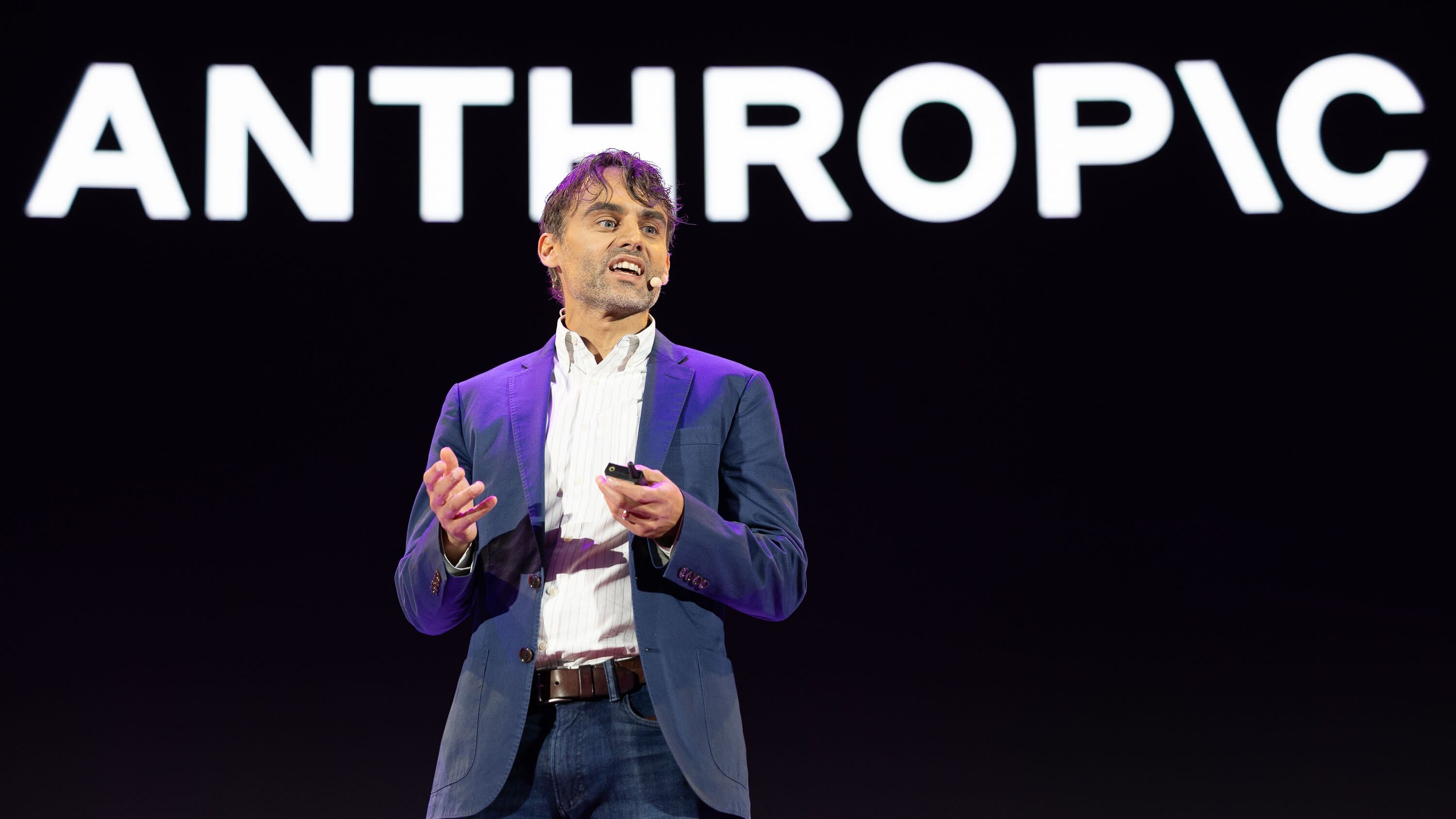
The Nasdaq debut of AI startup Anthropic, set for this month’s 19th, along with its post-IPO performance, is viewed as a potential catalyst affecting market sentiment. Anthropic will finalize its offering price on the 18th and begin trading on the 19th. Estimates project the company could reach a valuation as high as $1.4 trillion (around 1,876 trillion won). Seo Sang-yeong, managing director at Mirae Asset Securities, commented, “Strong investor appetite despite such a lofty valuation would boost confidence across the AI sector. Conversely, weak performance after listing or growing debates over inflated pricing could weigh down existing AI stocks.”




Leave a Reply