
An undersea submersible has spotted crabs, worms and fish thriving on the surfaces of World War II explosives thought to be toxic to marine life.
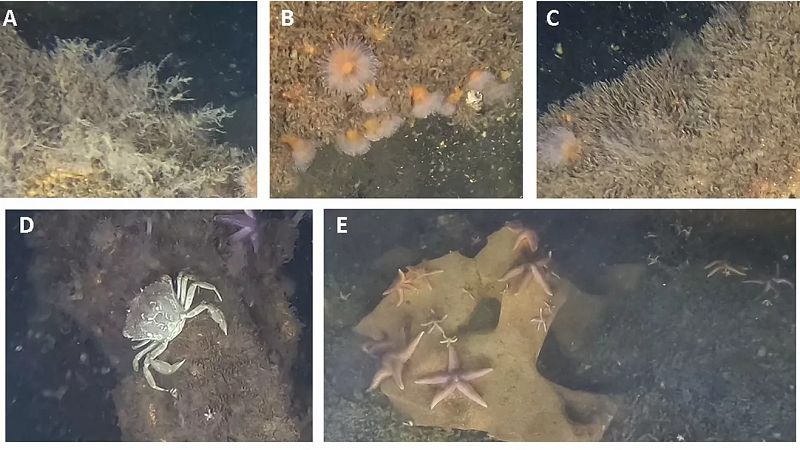
At an old munitions disposal location in the Baltic Sea, researchers discovered a greater number of organisms inhabiting the warheads compared to the nearby seafloor.
We expected to observe much lower populations of all types of animals,” said study author Andrey Vedenin from the Senckenberg Research Institute in Germany. “However, the results showed the contrary.
Previous conflicts have left their imprint on the world’s oceans, Vedenin stated. Alone in German watersapproximately 1.5 million metric tons of discarded arms,primarily from the two world wars of the 20th century.
Discarded remnants may include nuclear and chemical substances along with explosive materials such as TNT.
Shipwrecks, weapons and wildlife
It’s the most recent instance of wildlife thriving in contaminated areas. Earlier studies have demonstratedshipwrecksand previous armaments facilities rich in ecological variety.
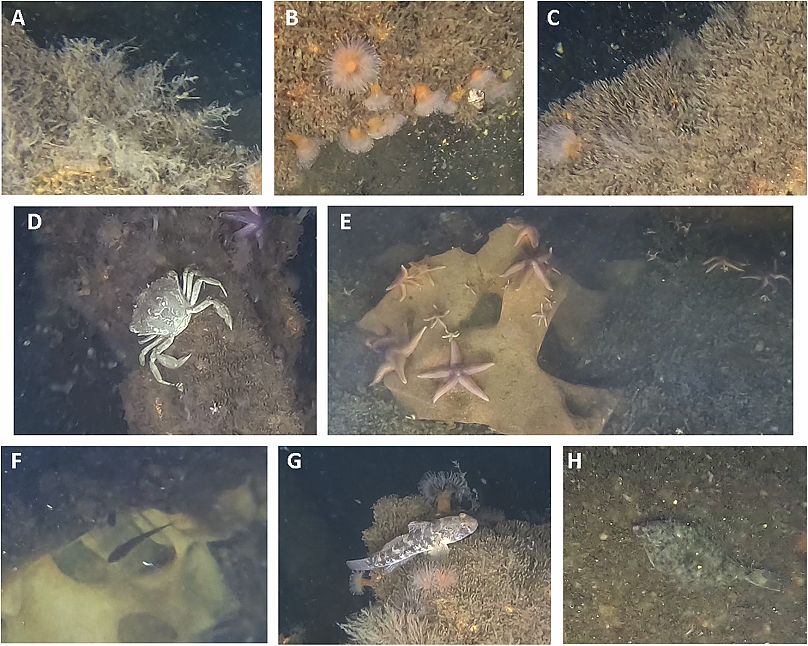
In a recent study, scientists recorded communities of anemones, starfish, and other marine creatures in the Bay of Lübeck near Germany’s coast. These organisms were found growing on fragments of V-1 flying bombs that had been used by Nazi Germany.
“Typically, people don’t examine the ecology of explosives,” stated James Porter, an ecologist from the University of Georgia, who was not part of the study.
The study was released on Thursday in the publication Communications Earth and Environment.
Why would marine animals choose to live on polluted weapons? They might be attracted to the solid surfaces, which are scarce in theBaltic Sea.
The ocean floor is primarily a layer of mud and sand, according to Vedenin, as stones and boulders were removed from the water for construction purposes during the 1800s and 1900s.
The region is also relatively cut off from human interaction due to the chemicals, forming a sort of protective barrier that allows the creatures to flourish even with some harmful consequences.
Researchers aim to determine the extent of contamination absorbed by marine organisms. Another crucial next step is to observe what occurs once these creatures settle and whether they are able to reproduce, according to Porter.
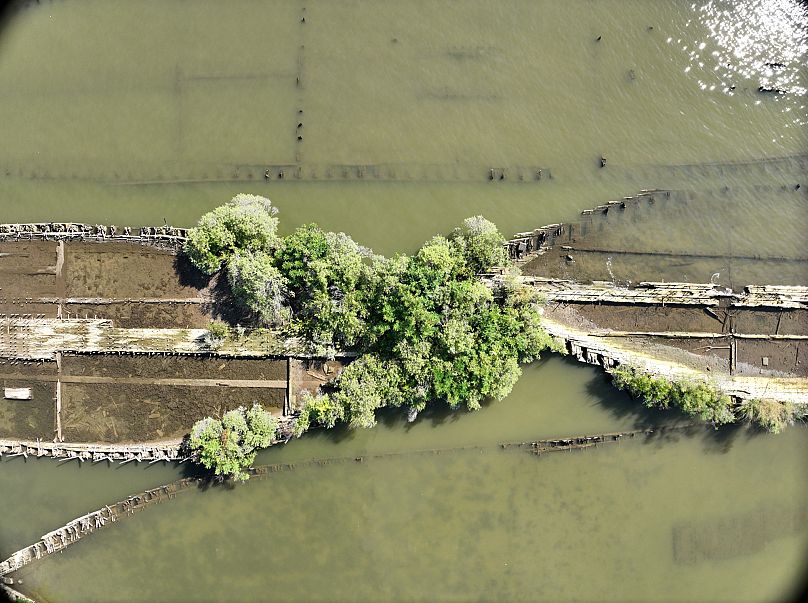
Such studies highlight how nature utilizes human waste, turning the tables to ensure its survival, said marine conservation biologist David Johnston from Duke University. He has recently created a map of sunken World War I ships that have transformed into ecosystems for wildlife along the Potomac River in Maryland.
“I believe it’s a remarkable demonstration of life’s resilience,” Johnston remarked.



 jasdooit
Leave a comment