
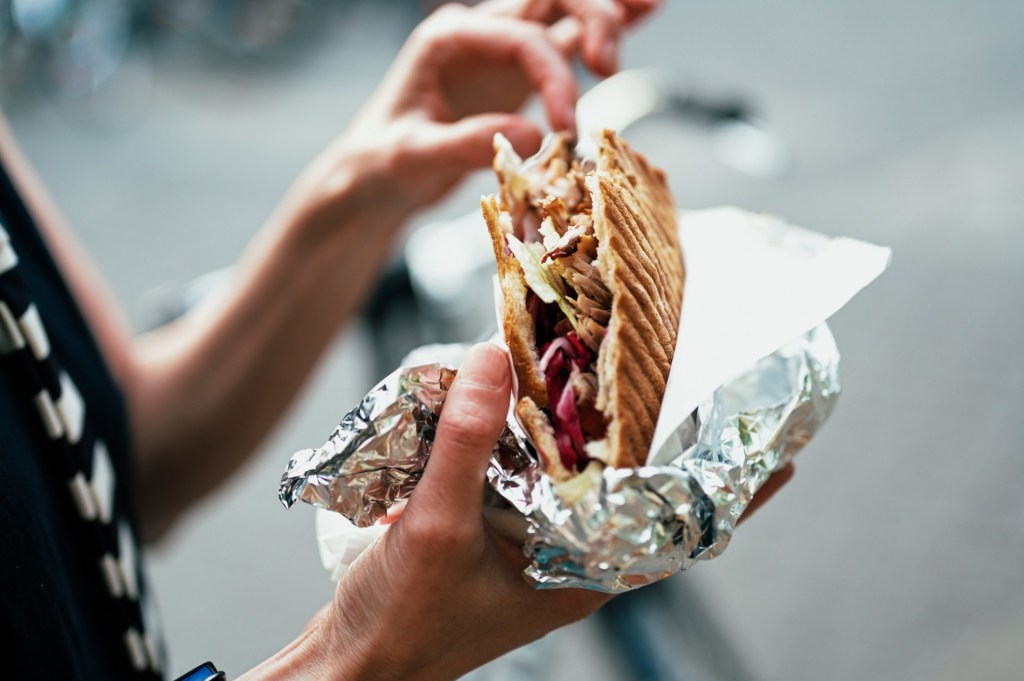
Turkeyhas dropped plans to impose stringent regulations on EU kebab restaurants regarding the definition of a doner kebab, putting an end to a conflict withGermany over the beloved dish.
The nation had attempted to secure ‘Traditional Speciality Guaranteed’ recognition for the savory treat, which would have imposed stringent regulations on the ingredients utilized and the way it is served.
The doner kebab, which is among the top five most popular takeaway options in the UK, would have held a similar position as French Champagne had Turkish authorities succeeded.
Comparable steps are being taken to safeguard the conventional forms ofSpain’s Serrano ham and Italy’s Neapolitan Pizza.
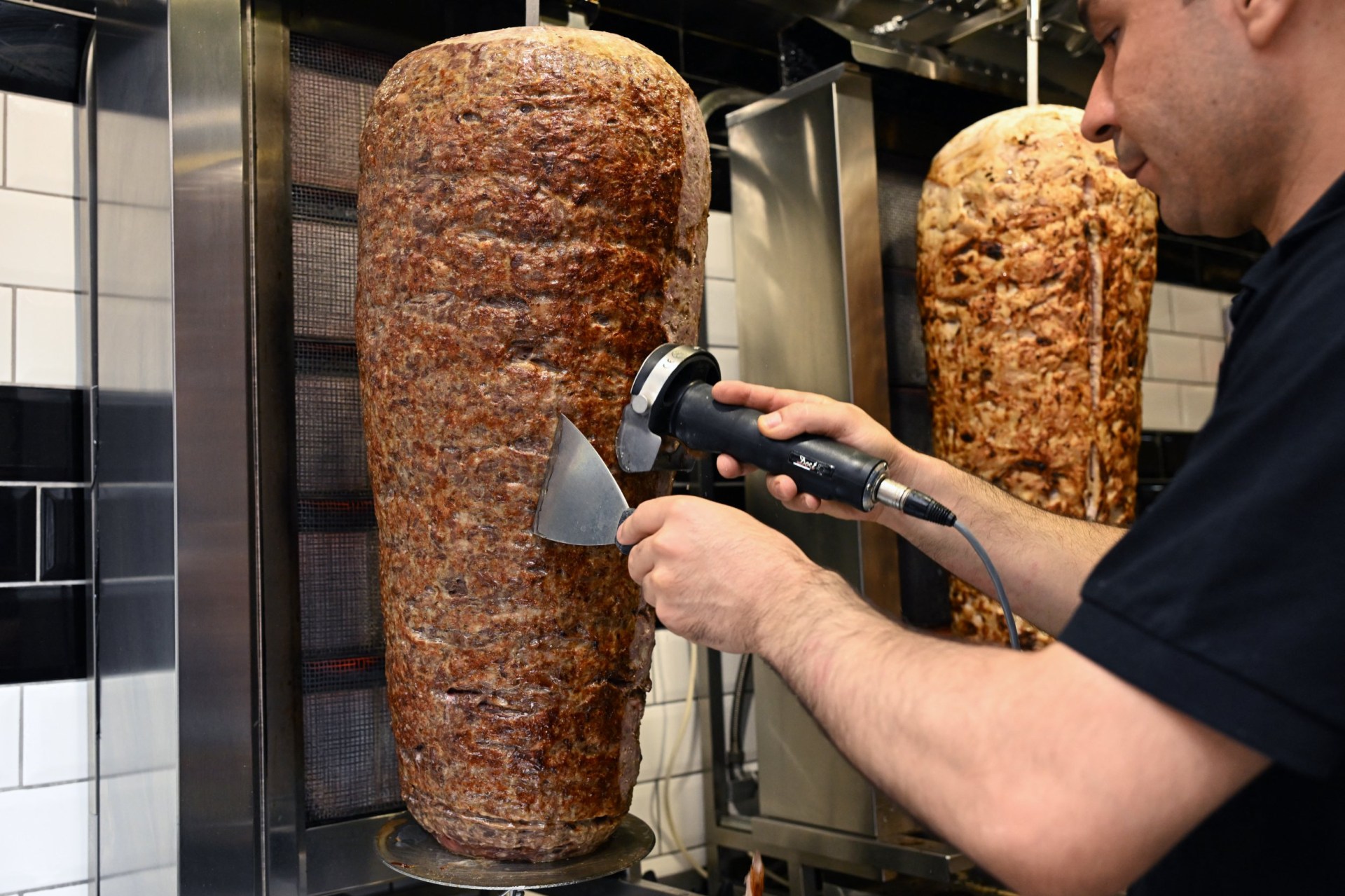
Although British kebab restaurants would not have been impacted, Germany’s kebab sector would have faced challenges following years of development in the appearance of doner in the country, differing from the original Turkish version.
Turkey’s suggestion involved details that the pieces of beef and lamb, well-known in the dish, should be sliced to a thickness ranging from 3mm to 5mm.
In conventional methods, doner kebabs are made by soaking the meat in a blend of pepper, tomato paste, herbs, seasonings, salt, and yogurt.
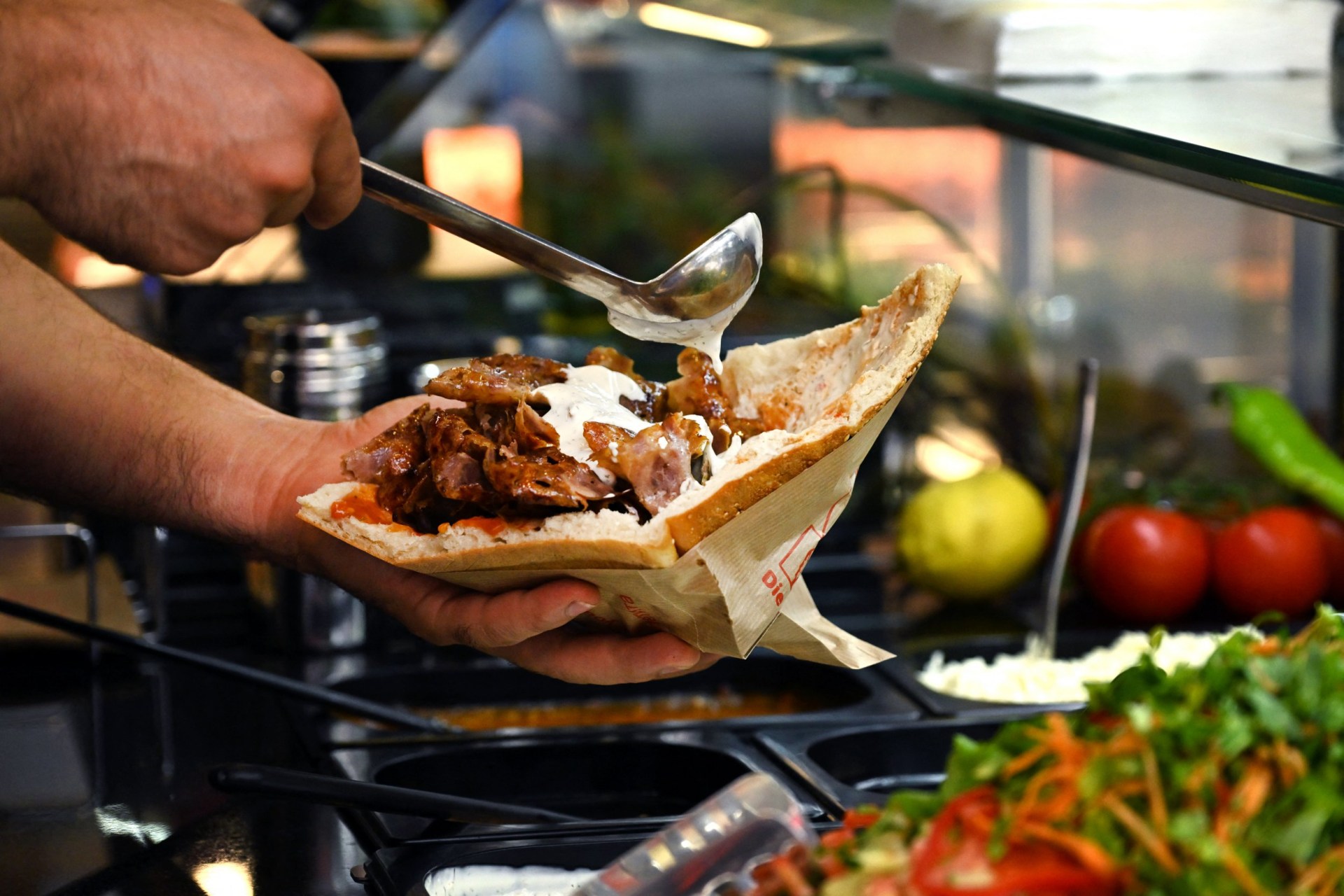
The meat is subsequently positioned on a vertical spit, which is rotated near a fire, while thin layers are shaved off the skewer as it cooks from the exterior inward.
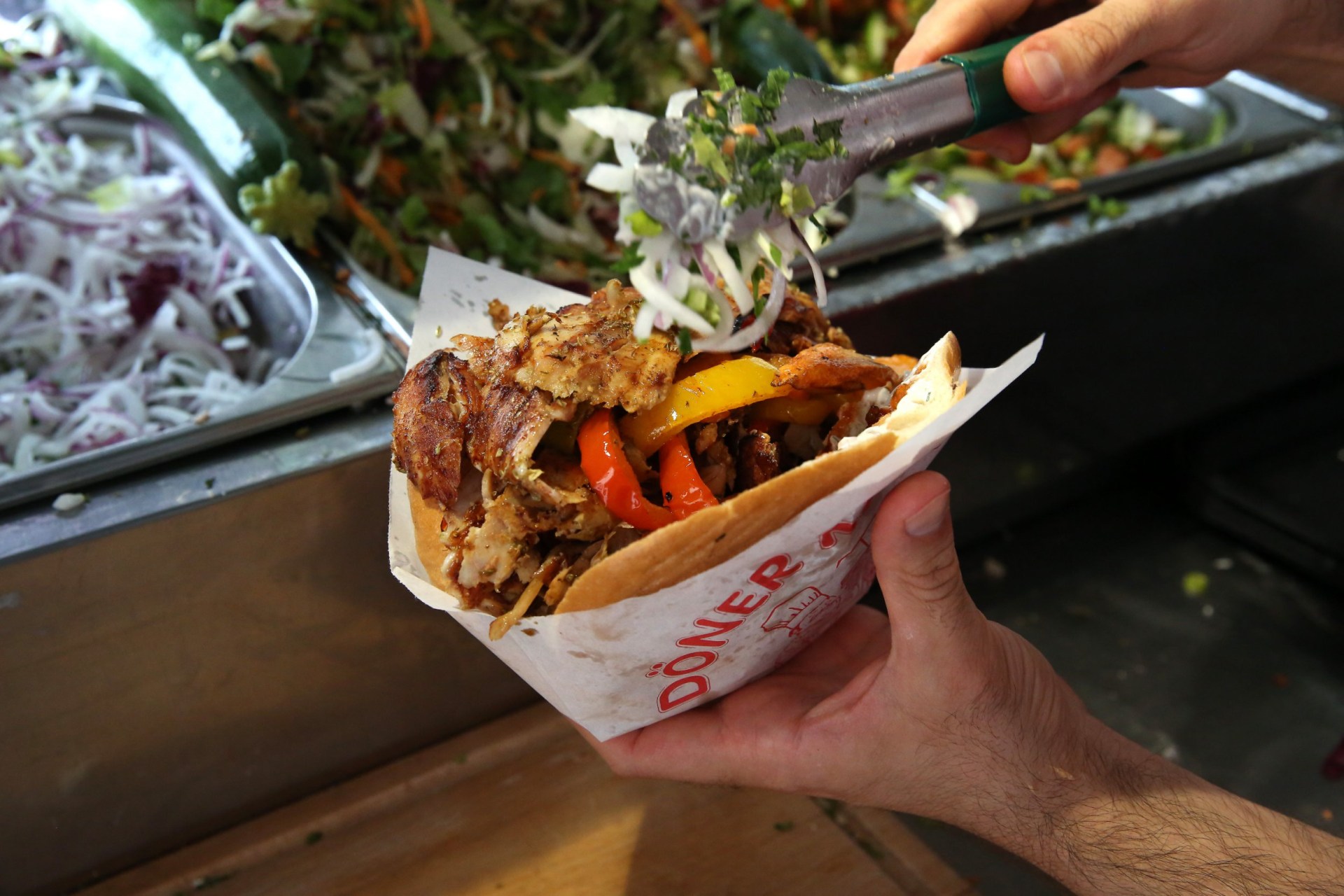
However, in Germany, people frequently prepare a flatbread containing veal along with vegetables such as red cabbage, pickles, onions, and various sauces.
Origins of the doner kebab
Doner kebabs have existed for hundreds of years, yet gained popularity in the UK during the 1940s with the arrival of immigrants from Turkish, Cypriot, and Kurdish backgrounds.
The first doner kebab restaurant opened in London’s Newington Green in 1966 – signaling a new chapter for British takeout food.
Kebab was traditionally consumed with rice – however, Mahmut Aygun, the creator of the modern doner kebab, is believed to have introduced the first pieces of meat served in a flatbread from his Berlin eatery ‘Hasir’.
The rest is history – the kebab evolved into a convenient meal for people to take on the go, and it has become a highly praised choice for those out late.
Turkish authorities maintained that the doner should be considered a national dish that reached Europe via migration, while Germany claimed its version had become part of its own traditional cuisine.
According to the Turkish Doner Producers Association, Europe’s doner kebabeconomyis believed to generate approximately £2.9 billion each year.
Following Turkey’s withdrawal from the effort, Cem Özdemir, the former German minister of food and agriculture with Turkish heritage, stated that there was no necessity for the regulations.
“The kebab is from Germany,” he said, according to theBBC.
The German ministry of food and agriculture mentioned last year that it had observed the Turkish application ‘with a degree of surprise’.
According to BZ-Berlin, Erdogan Koc, the representative of the German Kebab Producers’ Association, stated: ‘We are happy that the kebab type in Germany has been maintained and can be developed even more.’
Contact our news team via email atwebnews@.co.uk.
For additional tales of this nature,check our news page.
Comment now Comments



 jasdooit
Leave a comment