
- By Mojisola Alaiya\xa0
Widespread doubt about genetically modified (GM) food crops emerged in Nigeria after a well-known medical influencer promoted the use of GM agriculture throughout the nation.
The medical influencer faced backlash for not discussing the long-term health and environmental impacts of GMOs on people and the planet. The scrutiny increased when images of American businessman Bill Gates and the influencer were shared online following his involvement in a campaign that drew critics promoting conspiracy theories.
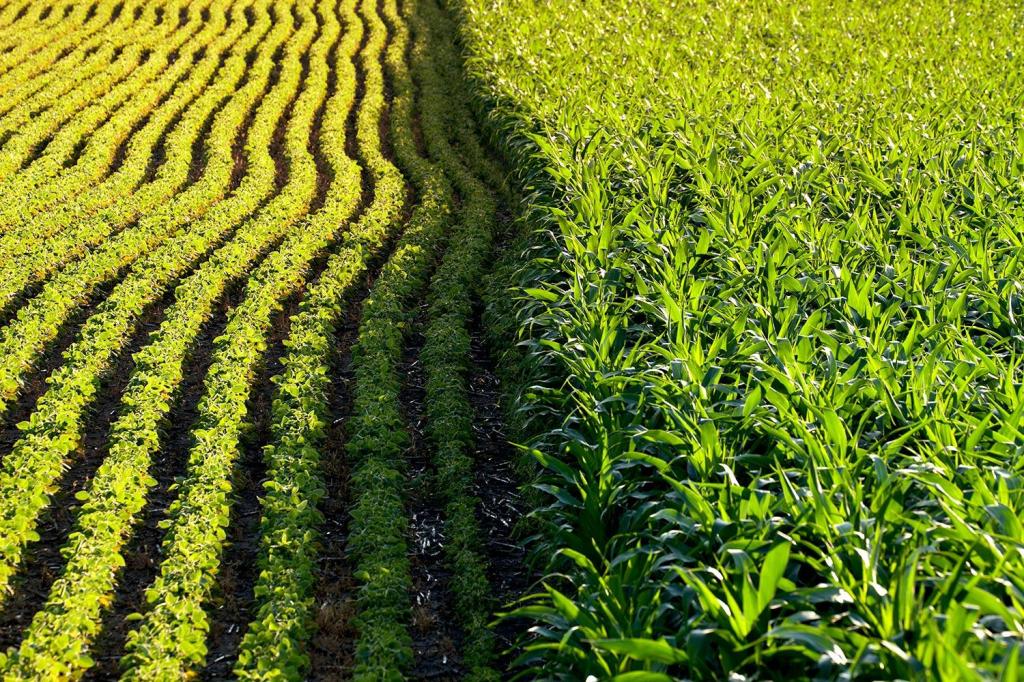
Bill Gates strongly supports the use of genetically modified seeds within the agricultural industry in Africa. Genetically modified organisms (GMOs) are food crops, plants, and organisms that have been artificially modified at the genetic level.
As stated by Dr. Gideon Mmbando, a scientist and specialist in genetically modified organisms, GM crops are designed to withstand drought and diseases while being resistant to herbicides. He believes they offer a remedy for Africa’s food scarcity issues.
Nevertheless, opponents of genetically modified food crops in Nigeria believe that the nation’s food shortage is primarily caused by instability, the killing of farmers, robbery, and limited access to financial resources, rather than issues with food crop deterioration.
They argue that GM foods pose potential risk to human health and the environment.
A report by a group of researchers at the National Horticultural Research Institute (NIHORT) published by the African journal of Agricultural Economics and Rural Development stated that several studies suggest modifications employed in GMO preparation may have possible adverse effects. The possible adverse effects of GM farming enumerated include potential to increase toxicity in humans, development of new toxicants, soil contamination, emergence of new allergies and increased antimicrobial resistance.
The possibility of GM food crops enhancing antimicrobial resistance in humans would make treatment of certain diseases more difficult.\xa0
Read Also: Tension in Ondo community as herdsmen allegedly destroy crops worth over N20m
Additionally, there are theories suggesting that genetically modified food crops have pesticides like glyphosate incorporated into their genetic makeup during the modification process.
The International Agency for Research on Cancer (IARC) has determined that glyphosate is likely to be cancer-causing in humans.
Advocates of GMO faming argue that it will tackle food security, food crops spoilage and other issues faced by farmers in Nigeria. Benefits of this biotechnology enumerated include increased crop yields, development of climate and drought resistant crops, shorter harvesting time, reduced pesticide and herbicide use as well as improved nutritional composition.
However, critics of GMO farming highlight the concern of the country’s agricultural sector becoming reliant on foreign GM seed suppliers if farmers fully adopt this method. According to a postgraduate student in Agricultural Science (who requested anonymity), GM seeds can only produce one generation and are protected by patents from the manufacturers. “Therefore, they need to be bought again each planting season, putting food crop production in the country at the mercy of international biotechnology firms such as Bayer (Germany) and Monsanto (USA),” he emphasized.
Sola Oladipo, a small-scale farmer, shared from his personal experience, “Genetically modified crops cannot be replanted as you would with natural crops. You can’t save the seeds from these crops to use for planting in the next season like we usually do.”
He stated, “in the past, if you washed tomatoes and peppers and poured the water with seeds onto the soil in your yard, the seeds would begin to grow. However, if you are paying attention, this is no longer the case. Nigerians are already eating GM tomatoes and peppers.”
Some farmers believe that using genetically modified seeds has boosted their earnings and minimized the losses they previously faced. Ike Ugorji, a food trader at the well-known Agege market in Lagos, supports genetically modified foods. “I have suffered significant financial loss because of pests damaging my goods, particularly beans. Since GM seeds can generate food products that insects find difficult to spoil, I am in favor of them.”
The Nigerian government gave its approval to the genetically modified cowpea seeds called SAMPEA 20-T in 2019. These seeds are resistant to the cowpea pest known as the pod borer.
The government has supported biotechnology as a way to boost food production, yet public opinion, approval, and use remain controversial. The National Biotechnology Development Agency (NABDA) was set up in 2001 to oversee and manage the implementation and growth of biotechnology in Nigeria.
Supporters of genetically modified organisms believe that the unfavorable public view of GMOs stems from overblown health concerns, false information, and a lack of knowledge.
Global discussion on genetically modified agriculture is ongoing. Several European Union nations, including France, Austria, the Netherlands, Italy, Denmark, Poland, and Russia, have banned the growing of genetically modified crops. In contrast, the United States government has fully supported and integrated genetically modified foods.
Biotechnology progress, particularly in the field of agriculture, is unavoidable due to its advantages. However, African
Countries should focus on developing their own genetically modified seeds to reduce reliance on international biotechnology firms. This is crucial because GMOs need to be bought again for each planting season.
Furthermore, a robust regulatory system and accountability measures are needed to prevent unethical behaviors. There should also be targeted public awareness campaigns to inform people about the advantages and disadvantages of genetically modified crops and seeds. The government’s responses to the concerns raised by critics should be transparent. This will help eliminate false information and enhance public opinion in a favorable way.
Provided by SyndiGate Media Inc. (Syndigate.info).



 jasdooit
Leave a comment