
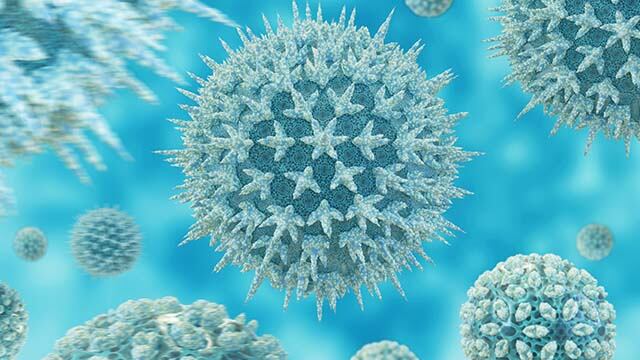
◇ What is RSV?
RSV (respiratory syncytial virus), as its name implies, is a virus that mainly targets respiratory cells. It circulates every year during the winter months, with a significant impact on babies between 0 and 6 months to 2 years old. It is also considered the primary reason for hospital admissions among infants globally.
Although it may resemble a typical cold, it poses significant risks for the elderly, infants under two years of age, and individuals with compromised immune systems, as it can result in severe respiratory conditions like pneumonia or bronchitis.
Recent efforts have started to focus on developing treatments for RSV. As new vaccines and preventive antibodies become available, immunization efforts are also growing.
◇ What distinguishes RSV vaccines?
A global research group, backed by the international non-profit organization Cochrane and the European Health and Digital Executive Agency (HaDEA), examined and presented the impact of RSV vaccines in the international medical journal CDSR.
A study found that older adults aged 60 and above who received RSV vaccines like GSK’s Arexvy, Pfizer’s Abrysvo, and Moderna’s mEmrisbiv had a 77% lower risk of lung-related illnesses and a 67% reduced risk of acute respiratory conditions.
Another outcome was the reduction in infection risk for infants born to vaccinated pregnant individuals. When pregnant women received the vaccine, the likelihood of their babies later contracting RSV and requiring hospitalization dropped by about 54%, while the chance of experiencing severe RSV illness fell by roughly 74%. The risk of hospitalization from RSV in infants was also found to decrease by 54%. This indicates that when mothers are vaccinated, the risk of their babies being infected with RSV is similarly lowered.
◇ How extensive has the RSV vaccination program become?
Starting from last February, Australian health officials have started fully covering the cost of RSV prevention vaccines for pregnant women and all babies. This is due to the fact that RSV poses a significant risk to infants under six months, including those under two years of age. The government has chosen to offer nationwide funding, allowing women who are 28 weeks or further along in their pregnancy to get the RSV vaccine at no charge.
RSV vaccines are anticipated to become more widely available for pregnant women in the coming years. In South Korea, authorization for RSV vaccinations in adults 60 years of age and older was approved last December.



 jasdooit
Leave a comment