
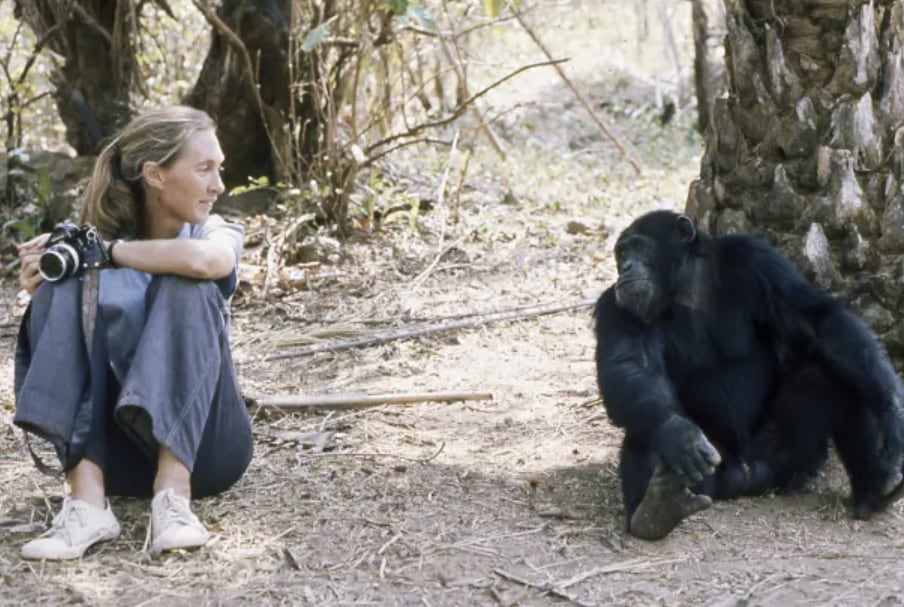
Jane Goodall, 91, a British primatologist and globally recognized expert on chimpanzee behavior, died on the 1st. The Jane Goodall Institute said in a statement, “Dr. Goodall, known as an animal advocate and a renowned chimpanzee researcher, passed away from natural causes. Her work as an ethologist changed the scientific world.” She had recently been giving talks across the U.S. and was residing in California.
As reported by The Wall Street Journal (WSJ) and other sources, Dr. Goodall was born in London in 1934. Her father worked in business, while her mother was a writer. From an early age, she loved reading about animals and promised herself that she would one day travel to Africa to learn how to talk to creatures like Tarzan. She also had a chimpanzee plush toy named Jubilee when she was a child. In 1957, after a childhood friend invited her to visit a farm in Kenya, she earned money by working as a waitress and set off. There, at the Nairobi Museum in Kenya, she met paleontologist Dr. Louis Leakey. According to National Geographic, Dr. Leakey gave her a position at the museum and later inspired her to research wild chimpanzees. Although Dr. Goodall had not gone to college, Dr. Leakey felt her fresh viewpoint had promise. In a previous interview, Dr. Goodall stated, “In the early 1960s, many scientists thought only humans had ‘minds.’ I didn’t believe that only humans were capable of logical thinking.”
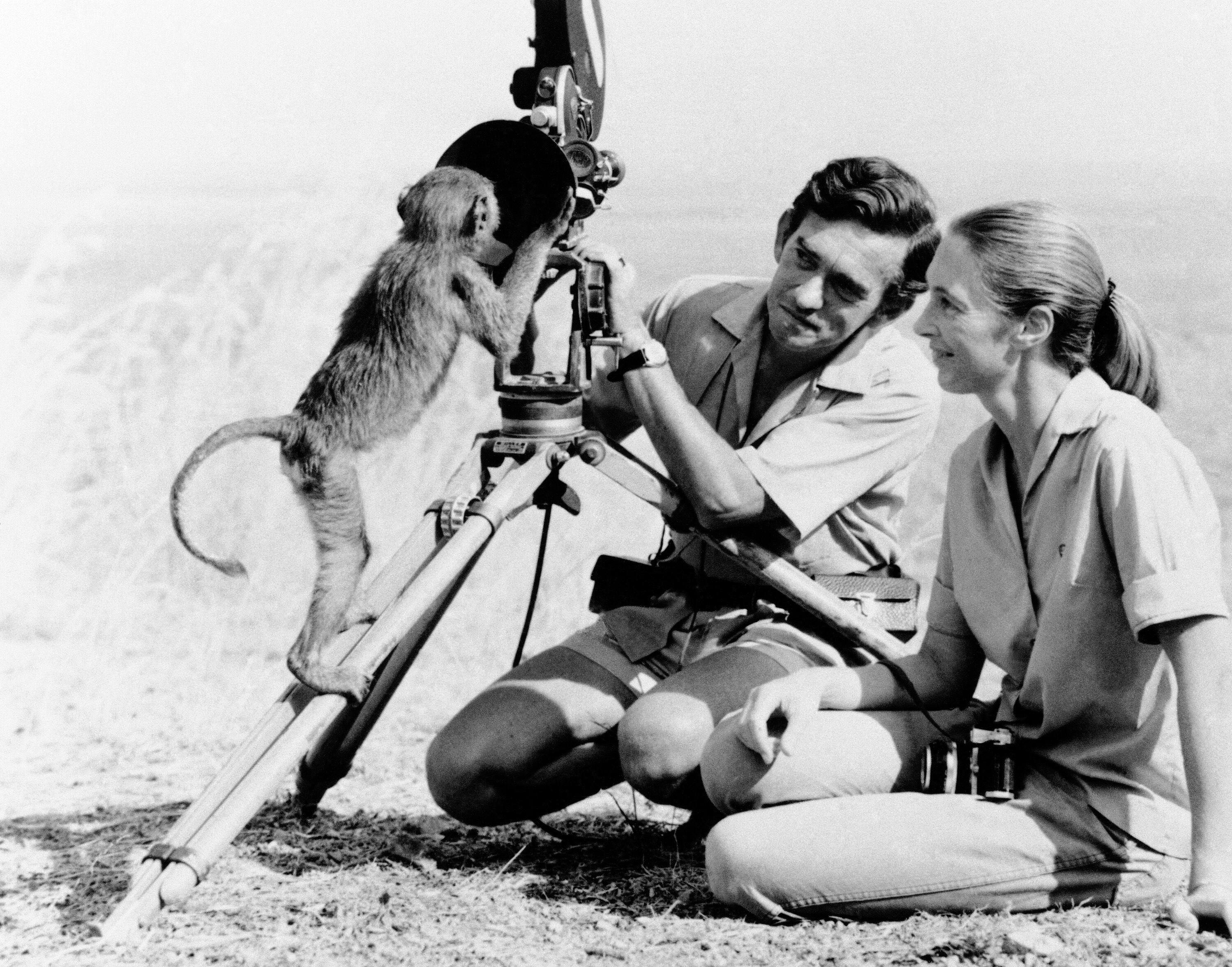
Motivated by her encounter with Dr. Leakey, Dr. Goodall started her study of chimpanzees in 1960 at Gombe Stream National Park in Tanzania. There, she made significant academic contributions that greatly influenced humanity, including the discovery that chimpanzees use tools and possess intricate social structures. Later, she remembered walking through the forest alone, armed only with a pencil and notebook, jotting down observations under a lamp. The WSJ commented, “Her findings surprised the academic world and transformed primatology.” Among her discoveries was the fact that chimpanzees are not strictly vegetarians and have a strong preference for meat, as well as forming long-lasting family relationships. Her deep connection with the chimpanzees led to her being called ‘Mother of Chimpanzees.’ The New York Times said, “Her research from the 1960s on how chimpanzees behave in the wild created new opportunities and is considered ‘one of the greatest scientific accomplishments of the Western world.’”
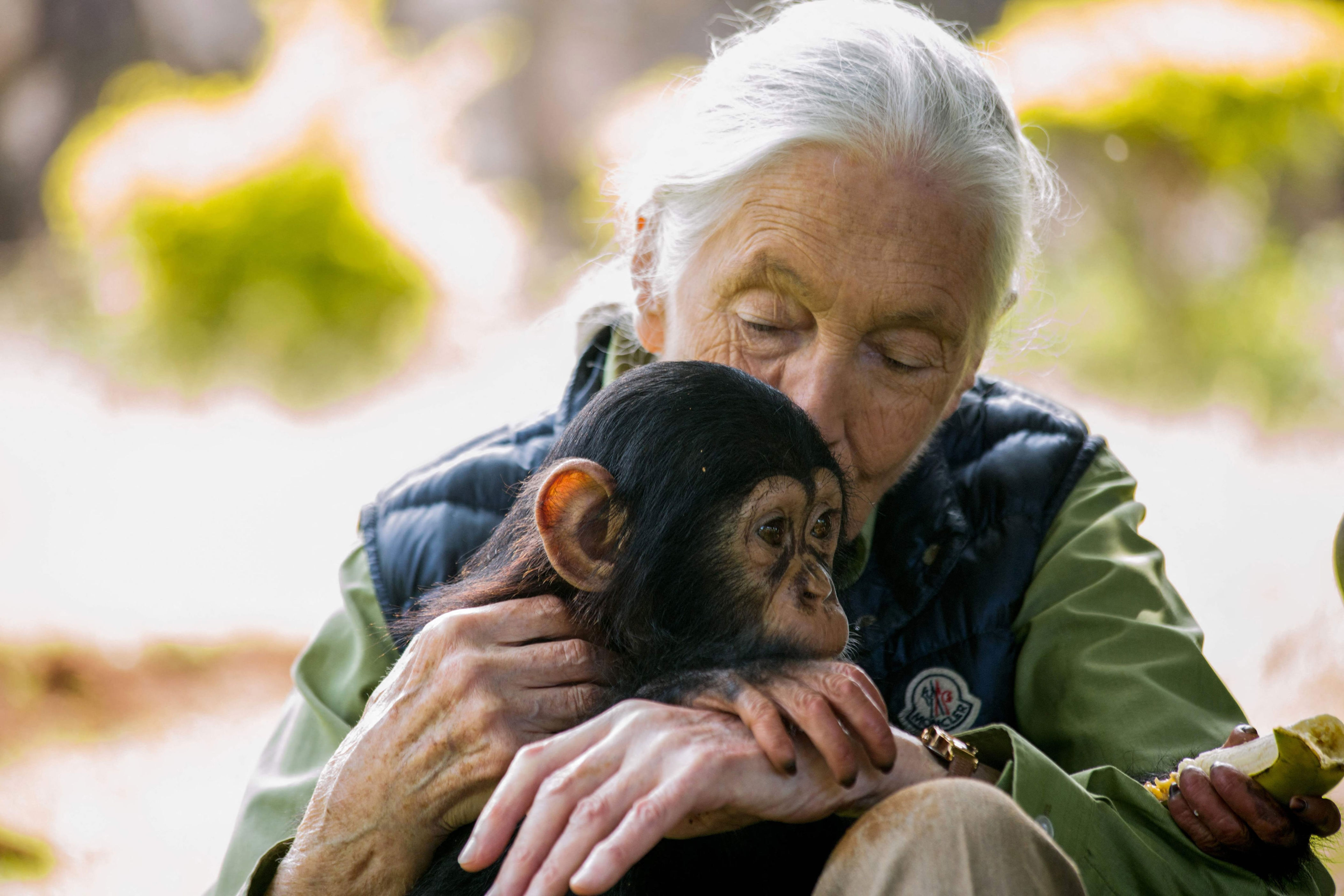
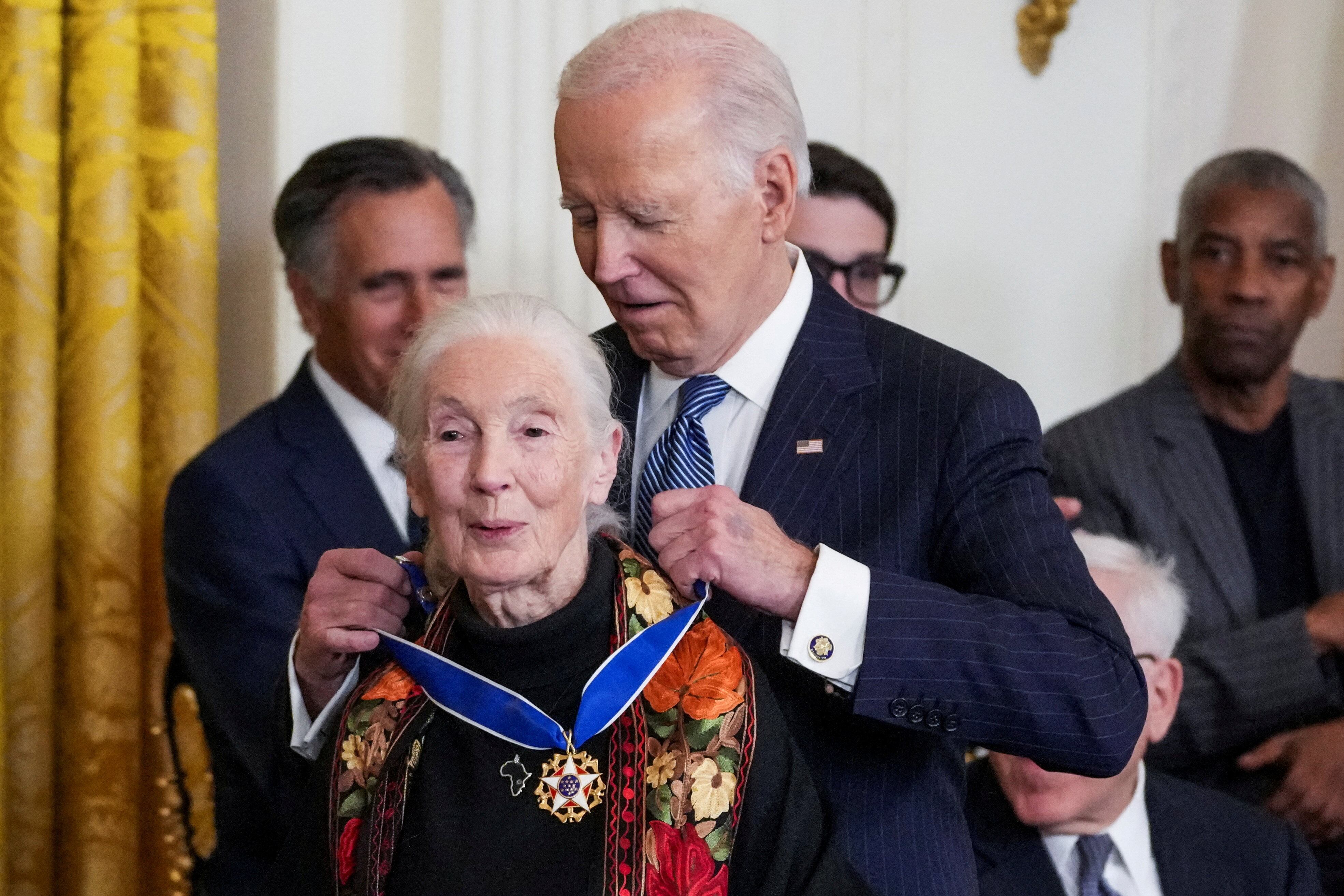
In 1977, she established the Jane Goodall Institute to increase awareness regarding the challenges faced by chimpanzees and other wildlife, as well as to promote habitat conservation and better treatment of animals. The Washington Post noted, “She leveraged her worldwide recognition to spotlight the declining chimpanzee population and emphasize the risks of environmental degradation.” In 2002, Dr. Goodall was named a United Nations Messenger of Peace. She was awarded the Order of the British Empire in 2004 and the French Légion d’Honneur in 2006. Reuters commented, “She guided a global effort to examine how humans can gain a deeper understanding of chimpanzees and contribute to preserving their habitats and the overall health of the planet.”
Dr. Goodall’s preferred chimpanzee was David Greybeard, a male with silver hair who was the initial wild chimp to take a banana she provided. The WSJ stated, “This signified the chimps’ acceptance of her into their group and the start of her bond with wild creatures.”



 jasdooit
Leave a comment